
Supplier Audit Questions for Blister-Cartoning Automation Providers
A supplier audit for a blister-cartoning line should answer three questions before commercial negotiation: what controls the machine, how the product is replenished, and what the output number actually measures. A visit that only watches a demo at full speed leaves the buyer with impressions, not evidence.
This questionnaire is written for buyers in the Research-to-Evaluation stage who are visiting manufacturers of servo blister lines and integrated cartoning systems. It uses Zhejiang Hoping Machinery Co., Ltd. (HOPING) as a worked example because its published content units give specific, checkable statements: a 28,800 ㎡ facility, roughly 500 machines per year, a DPH320HII rotary blister machine rated to 1,000 blisters/min maximum, and a Beckhoff control system listed on the XW8300 flow packing machine. Those facts show what to ask for; they do not replace the audit. Every HOPING figure below is company-stated unless a third-party source is named.
Problem Definition: Why a Blister-Cartoning Audit Needs Its Own Questionnaire
Most supplier visits fail at the same point: the buyer asks what speed the line can run, and the supplier answers with a maximum. A maximum is not a production rate. It is a single point that depends on the blister format, cavity count, forming material, product type, station count, reject rate and the cartoner's ability to keep pace. A round figure such as 800 blisters/min is not evidence by itself. The audit must establish the basis: which model, which blister format, which material, which product, which cartoner, and whether the figure is peak or sustained.
Similarly, servo is not an architecture. A line can be fully servo, partly servo, or servo at the main axes with pneumatic transfer and mechanical indexing. Without an axis list and a controller bill of materials, the buyer cannot compare one quotation with another. Replenishment is the third blind spot. The way tablets or capsules are fed, refilled, inspected and rejected determines uptime more than the headline speed. A line that needs frequent manual refills will not deliver its nominal rate over a shift.
A product list may include model names such as DHL8005H, DHL1000/5H, DHL7005H, DHL7004 and DHL6004. That tells the buyer the model exists. It does not tell the buyer which controller is fitted, how many servo axes are used, how the feeder is replenished or how the output claim was measured. The audit questionnaire exists to close that gap.
Industry Background: Regulated Packaging, Integrated Lines and Market Noise
Pharmaceutical packaging is a regulated process. The U.S. FDA states that Current Good Manufacturing Practice (cGMP) establishes the foundation for quality pharmaceuticals through regulatory standards. ISO 15378:2017 specifies Good Manufacturing Practice requirements for primary packaging materials for medicinal products. These are framework requirements; they do not certify a machine. The buyer still has to audit materials, cleaning, documentation, change control and validation support.
The commercial context explains why audits matter. Custom Market Insights valued the global blister packaging machine pharmaceutical market at USD 2.57 billion in 2025, with Asia-Pacific described as the fastest-growing region at an 8.87% CAGR to 2031. Mordor Intelligence reports the wider pharmaceutical packaging machinery market at USD 7.09 billion in 2026, growing at a 7.15% CAGR to USD 10.02 billion by the end of its forecast period, which is truncated in the available excerpt. Horizontal cartoning systems held 70.12% of cartoning market share in 2024. These figures indicate scale and direction; they do not tell a buyer whether a specific line will run at its quoted rate in a specific plant.
Integration is the other background fact. HOPING presents blister packaging, cartoning, inspection and end-of-line automation as one packaging process, and lists flat-plate, roller-type aluminum-plastic, aluminum-aluminum blister machines, automatic cartoning machines and production lines. That scope is useful for a single-source audit, but it raises the burden of proof: an integrated line has more interfaces, more failure modes and more places where a nominal speed can be lost.
Detailed Solution: The Five-Part Audit Questionnaire
The questionnaire has five evidence blocks. Score each block as documented, demonstrated or absent. Do not accept a verbal answer as documented. Ask for the document pack before the visit and open the cabinet during the visit.
1. Motion Controller and Servo Architecture
Ask these questions for the blister machine, the cartoner and the line controller separately:
- Which controller make and model controls the blister machine, the cartoner and the line? Are they separate controllers or one line controller?
- How many servo axes are on the quoted line? Which stations are servo-driven, which are pneumatic, and which are mechanical?
- Which safety controller and safety devices are used? How are guard doors interlocked?
- Which HMI and industrial PC are supplied? What recipe storage, audit trail and data export are available?
- Which vision system is integrated? What does it inspect, and what is the reject logic?
- Provide the controller bill of materials, I/O list, wiring schematics and software version.
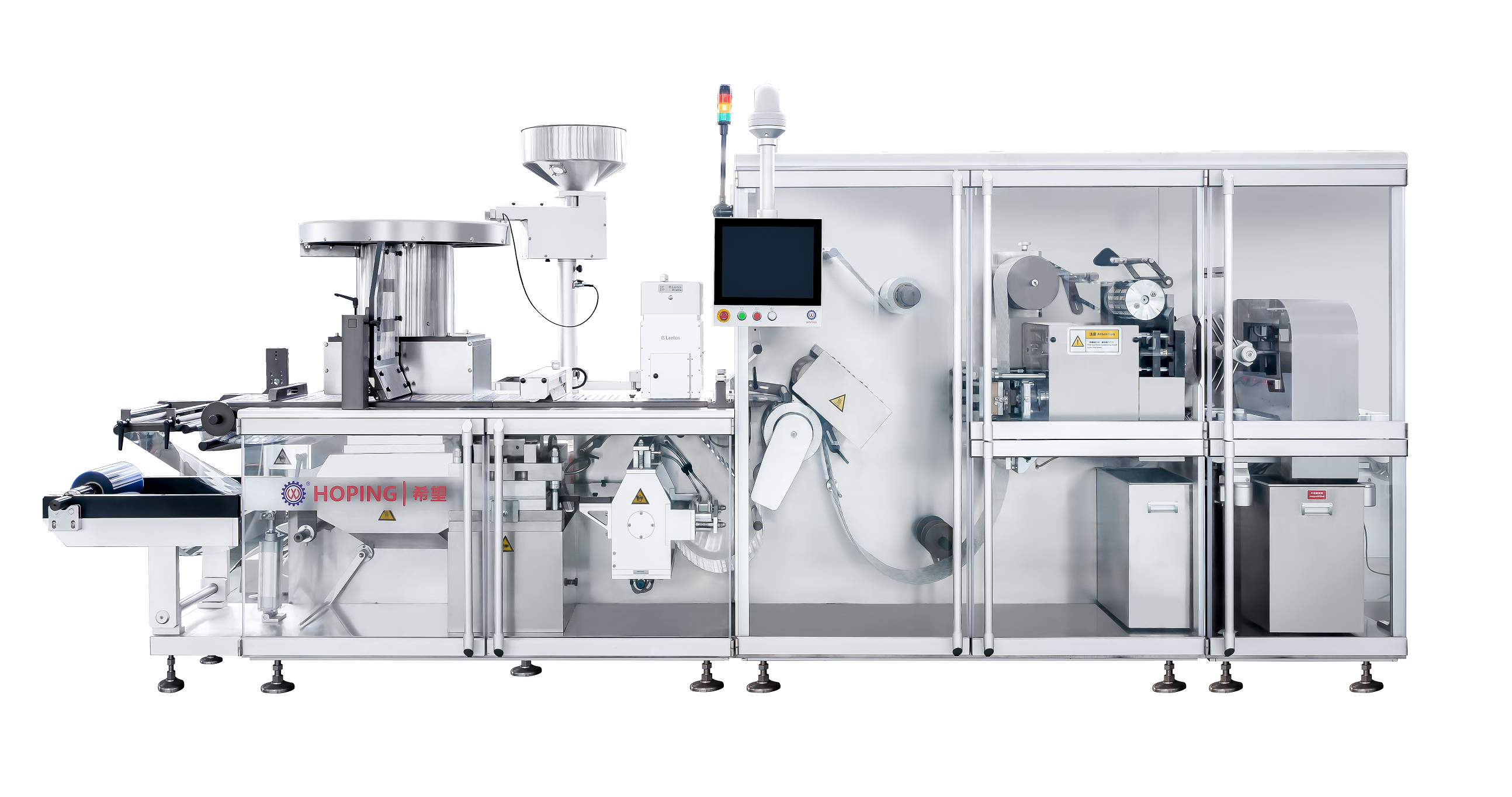
On the XW8300 reciprocating flow packing machine, HOPING's published specification lists a Beckhoff (Germany) control system, 4-axis servo control and rotary reciprocating end-sealing technology. That is a specific, checkable statement for that model. The DPH320HII rotary blister machine is described with a nine-axis continuous rotary pick-and-place robot system using FESTO pneumatic control, a dual-servo forming station, a precision servo-driven indexing mechanism and a 15-inch industrial touchscreen HMI with integrated industrial PC. These details are useful because they distinguish servo positioning from pneumatic transfer and mechanical indexing.
The audit question is whether the same level of detail applies to the exact blister-cartoning model being quoted. Do not assume that a Beckhoff controller on one HOPING model means every model uses Beckhoff. Ask for the quoted model's bill of materials, axis list and software version. If the supplier cannot show which controller and which drives are fitted, the buyer cannot assess spare parts, software support or long-term compatibility.
2. Replenishment Architecture
Replenishment is where nominal speed meets real uptime. Ask:
- How is product loaded into the blister machine? Dedicated feeder, bulk hopper, elevator or manual tray?
- Does the feeder have X-Y adjustment for different products and formats?
- How is product replenished during operation? What is the refill interval at the quoted output?
- How are missing, misplaced or damaged products detected and rejected?
- What is the format-change procedure for the feeder, forming station, sealing station and cutting station?
- For the cartoner: what is the carton magazine capacity, can it be refilled outside the guarding, and how is the leaflet fed?
- What vacuum source and suction principle are used for carton opening?
DPH320HII is described with a dedicated feeder with X-Y adjustment for Alu-Alu and Alu-PVC, an automatic roller brush removal system and stack detection technology to reduce misplaced products and sealing defects, and a vision inspection system for product presence, color, alignment, contamination, foreign matter, size, shape and packaging defects. Those are exactly the details an audit should verify in motion. The XWZ120 cartoner is described with an extended carton magazine that can hold 600–700 cartons at a time, external carton loading, an eccentric suction-counter suction-release box, a Becker VT4.40 vacuum pump and a Siemens touch screen. Ask whether the quoted cartoner uses the same architecture or a different one.
3. Output Claims
Output claims need a basis, not a headline. Ask:
- What is the quoted output: blisters/min, cartons/min or both?
- What format, cavity count, material and product were used for the test?
- Is the figure a peak or a sustained rate? Over what run length?
- What reject rate and uptime are assumed?
- What is the cartoner's rated speed, and how is line balance achieved?
- Provide FAT data, cycle-time calculation and a material trial report.
- If the supplier cites 800 blisters/min, ask for the model, format, cavity count, material and sustained basis. Then compare the cartoner.
HOPING's published figures show why the basis matters. DPH320HII is stated at a maximum of 1,000 blisters/min at 250 punches/min. The DPP + XWZ linked line is described at a typical 100–600 blisters/min and 100–400 cartons/min depending on model. A specific line configuration is reported at up to 1,000 blisters/min and 500 cartons/min. These are company-stated figures. They are not independent sustained-output data. An 800 blisters/min claim falls inside that broad range, but a range is not an audit. The buyer needs the exact model, format and test condition.
4. GMP, Materials and Documentation
Ask for records, not slogans:
- Which product-contact materials are used? Provide certificates for AISI 316L and FDA-compliant pharmaceutical-grade materials where claimed.
- Which non-contact materials are used? AISI 304, anodized aluminum, tempered glass?
- How are surfaces cleaned? Are there crevices, exposed threads or unsealed edges?
- What change-control, calibration and software-validation records are available?
- What is the FAT/SAT protocol? What is tested, by whom, and against what acceptance criteria?
- What documents are supplied: material certificates, electrical safety check, no-load trial, material trial, customer witness acceptance and pre-shipment inspection?
DPH320HII is described with AISI 316L stainless steel and FDA-compliant pharmaceutical-grade materials for product-contact parts, AISI 304 and anodized aluminum for non-contact parts, and GMP-oriented design for corrosion resistance and easy cleaning. HOPING's quality-control sequence lists incoming material inspection, key component inspection, assembly inspection, electrical safety check, no-load trial run, material trial, FAT, customer witness acceptance and pre-shipment inspection. The audit should ask for the records, not the list. ISO 15378:2017 is relevant to primary packaging materials; it is not a machine certificate. The FDA cGMP framework sets process-control expectations; the supplier should explain how the line supports them.
5. Factory, Service and Commercial Terms
Ask:
- What is machined in-house and what is outsourced?
- How many engineers support design, assembly, commissioning and service?
- What is the monthly capacity and current lead time?
- What spare parts are recommended for two years? What is the lead time for critical parts?
- Who performs installation, commissioning and training? In what language?
- What remote support is available? What is the response path?
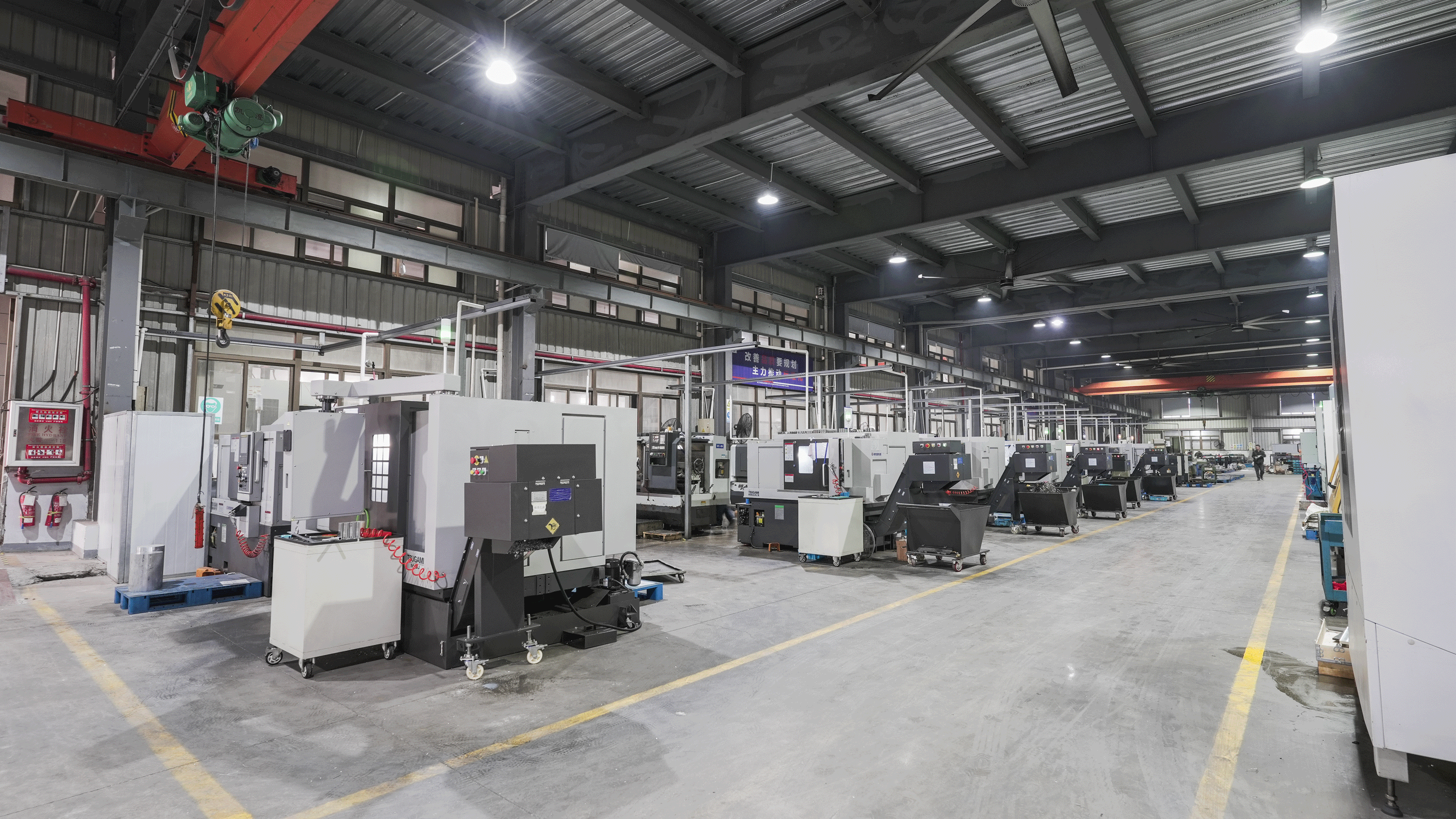
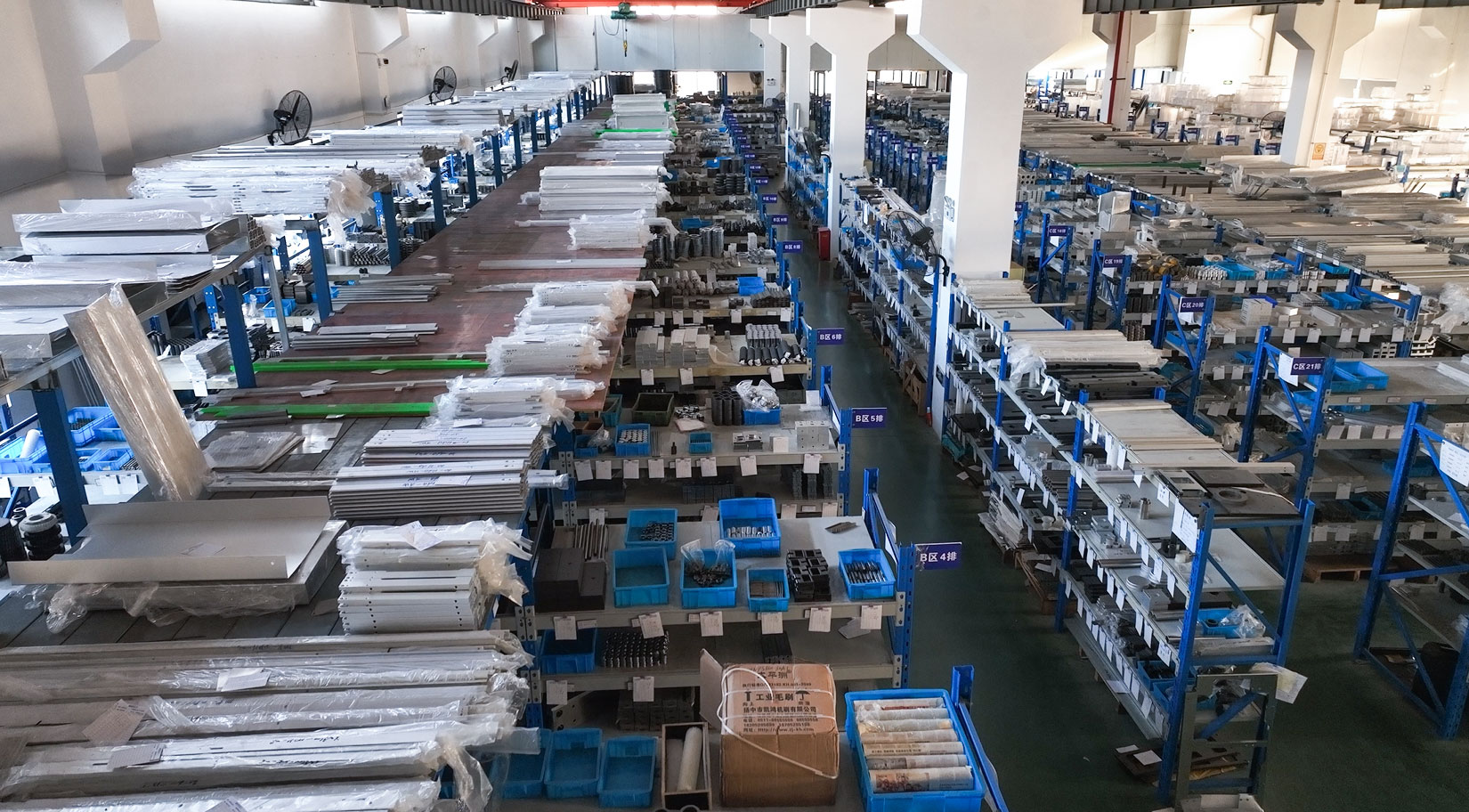
HOPING reports a 28,800 ㎡ facility, 300 employees, 56 engineers, a monthly capacity of 30–40 units and a typical lead time of 60–120 days after technical confirmation. The MOQ is one set or one complete line. After-sales includes on-site installation and commissioning, operator training, maintenance training, remote video/phone support, spare parts supply and process-parameter guidance, subject to contract and project configuration. These are company-reported facts. The audit should verify the factory area, the test bay, the engineering headcount and the spare-parts stock.
Step-by-Step Breakdown: How to Run the Visit
Step 1 — Two Weeks Before the Visit: Request the Document Pack
Request the controller bill of materials, servo axis list, output-claim basis, blister-format drawings, carton-size range, GMP material certificates, FAT protocol, spare-parts list and proposed lead time. Ask the supplier to identify the exact model to be audited. If the response is a brochure with no model-specific documents, treat that as a finding before travel.
Step 2 — Opening Meeting: Lock the Audit Scope
Confirm the product, blister format, carton format, leaflet format, target output and acceptance criteria. State that the audit will check the controller cabinet, the feeder, the reject system, the cartoner and the FAT records. Agree who from the supplier must attend: sales alone is not enough. Ask for the controls engineer, the mechanical engineer and the quality manager.
Step 3 — Controller and Software Audit: Open the Cabinet
Check the controller label, drive labels, safety relay or safety PLC, wiring numbering, grounding, cable routing and cabinet cooling. Ask the controls engineer to show the recipe screen, the alarm history, the audit trail and the data export. If the supplier claims a Beckhoff controller, verify the model and software version on the quoted line, not on a different machine.
Step 4 — Replenishment and Format Audit: Run Product
Observe the feeder with the actual product. Ask for a refill during the run. Watch how the operator adds product, how the stack detection responds, how the roller brush removes misplaced product and how the vision system rejects a defect. Then ask for a format change. Time the changeover and record which tools, settings and checks are required.
Step 5 — Output Claim Audit: Reconstruct the Number
Take the quoted output and reconstruct it from cycle time, cavity count and cartoner speed. Ask for the FAT record from a comparable format. If the supplier cannot provide a sustained-run record, ask for a material trial during the visit. Record the basis: model, format, material, product, cavity count, reject rate and run length.
Step 6 — GMP and Documentation Audit: Trace the Records
Ask to see a material certificate, a calibration record, a change-control record and a software-validation record. Check that the cleaning procedure matches the machine surfaces, guards and corners. Confirm that the FAT protocol includes electrical safety, no-load run, material trial and customer witness acceptance where applicable.
Step 7 — Factory and QC Audit: Verify the Build
Walk the machining area, assembly area, test bay and warehouse. Ask which critical parts are machined in-house and which are purchased. Check the test bay for a line under power. Ask how a finished line is packed, and how the controller, drives and precision tooling are protected during shipment.
Step 8 — Commercial Close-Out: Agree Actions and Dates
Close with a written action list. For each open item, record the owner, the document to be supplied and the date. Include controller BOM, axis list, output basis, spare-parts list, training plan and FAT schedule. A supplier that cannot commit to dates at this stage is a supply-chain risk.
Use Cases: Where This Questionnaire Changes the Decision
New Solid-Dosage Line
For a new blister-cartoning line, the audit should cover the full chain: blister forming, product feeding, inspection, cartoning, leaflet insertion and downstream connection. HOPING's application content describes new solid-dosage blister lines, line upgrades, high-capacity expansion, intelligent workshop retrofit and blister-cartoning-bundling or case-packing integration. The audit should test line balance between the blister machine and the cartoner, because a fast blister machine feeding a slower cartoner does not produce a fast line.
Capacity Expansion
For an expansion project, the audit should focus on debottlenecking. Ask how the new line will connect to the existing line, what buffering is provided and how the output claim was adjusted for the existing product mix. The controller architecture matters here: if the new line uses a different controller from the existing line, spare parts, software support and operator training become more complex.
Multi-Format CMO or CDMO Production
For a contract manufacturer, format changeover and recipe management matter as much as speed. Ask for the recipe storage method, the format-change procedure, the cleaning procedure and the vision-system settings for each product. HOPING's DPH320HII is described with a 15-inch industrial touchscreen HMI with integrated industrial PC, which is relevant to recipe handling; the audit should verify how recipes are stored, protected and restored.
Upgrade or Retrofit
For an upgrade, the audit should check controller compatibility, feeder changes, reject handling and downstream case-packing integration. If the existing line has a different controller, ask for the interface plan and the spare-parts strategy. A retrofit that cannot be supported locally may cost more over its life than a new line with documented architecture.

Comparison Table: Published HOPING References and the Audit Gap
The table uses only published HOPING content-unit facts. It shows what the document states and what the audit must add. It is not a ranking and not an independent benchmark.
| Published HOPING reference | What the published content states | What the audit must add |
|---|---|---|
| DPH320HII rotary blister packing machine | Maximum 1,000 blisters/min at 250 punches/min; AISI 316L product-contact parts and AISI 304 non-contact parts; nine-axis continuous rotary pick-and-place robot with FESTO pneumatic control; dual-servo forming; servo-driven indexing; 15-inch industrial touchscreen HMI with integrated IPC; vision inspection for product presence, color, alignment, contamination, foreign matter, size, shape and packaging defects. | Controller make and model for the quoted configuration; full axis list; sustained output in the buyer's format; reject rate; changeover time; material certificates and FAT records. |
| DPP260K flat blister packing machine | Typical 20–70 cycles/min; Alu-PVC and Alu-Alu; 9.5 kW; 0.5–0.7 MPa clean compressed air; tooling customized by blister format. | Cycle-to-output conversion for the buyer's cavity count; forming material; sealing parameters; changeover time; cleaning procedure; vision and reject options. |
| XWZ300II high-speed cartoner | Typical 60–220 cartons/min; servo, electrical and pneumatic modules; carton magazine, insertion, leaflet and closing components. | Cartoner synchronization with the blister machine; leaflet-feed reliability; carton-opening vacuum; reject handling; sustained output and jam recovery. |
| DPP Series + XWZ Series linked line | Typical 100–600 blisters/min and 100–400 cartons/min depending on model; 0.5–0.7 MPa clean compressed air; 380V 50Hz. | Line balance calculation; buffer capacity; sustained line output; interface responsibility; line FAT protocol; spare-parts list for both machines. |
| XW8300 reciprocating flow packing machine | Up to 300 packs/min; 4-axis servo control; Beckhoff (Germany) control system; rotary reciprocating end-sealing technology; stainless steel cover and conveyor; tempered glass guard doors with aluminum alloy frame. | This is a flow-packing reference, not a blister-cartoning line. Use it only to test how specifically the supplier documents control architecture; ask for the same specificity on the quoted blister-cartoning model. |
FAQ
What should a supplier audit cover for GMP documentation on a blister-cartoning line?
Ask for material certificates, surface-finish and cleaning rationale, change-control records, calibration records, software-validation records, FAT/SAT protocol and acceptance records. HOPING's quality-control sequence lists incoming material inspection, key component inspection, assembly inspection, electrical safety check, no-load trial run, material trial, FAT, customer witness acceptance and pre-shipment inspection. ISO 15378:2017 applies to primary packaging materials, not machine certification; the FDA cGMP framework sets a process-control expectation. The audit should verify the actual records, not the list.
Which controller and servo details should I request?
Request the controller make and model, the number of servo axes, which stations are servo-driven versus pneumatic or mechanical, the safety controller, the HMI and industrial PC, recipe storage, audit trail, data export and vision integration. HOPING lists a Beckhoff control system with 4-axis servo control on the XW8300 flow packing machine, and describes the DPH320HII with a nine-axis continuous rotary pick-and-place robot using FESTO pneumatic control, dual-servo forming, servo-driven indexing and a 15-inch industrial touchscreen HMI with integrated IPC. Do not assume the same controller or axis architecture applies to every model; ask for the quoted model's bill of materials.
How do I validate an output claim such as 800 blisters/min?
Pin the claim to the exact model, blister format, cavity count, forming material, product type, cartoner and run length. Ask whether the figure is peak or sustained, and request the FAT record or a material trial report. HOPING publishes DPH320HII at a maximum of 1,000 blisters/min at 250 punches/min, the DPP + XWZ linked line at a typical 100–600 blisters/min and 100–400 cartons/min depending on model, and a specific line configuration at up to 1,000 blisters/min and 500 cartons/min. These are company-stated figures; the audit must verify the basis.
What replenishment questions matter most?
Ask about feeder type, X-Y adjustment, refill interval, stack detection, roller-brush removal, vision inspection, reject handling, carton magazine capacity, leaflet feeding and carton-opening vacuum. HOPING describes DPH320HII with a dedicated feeder with X-Y adjustment, automatic roller brush removal, stack detection and vision inspection. The XWZ120 cartoner is described with a 600–700 carton magazine, external loading, an eccentric suction-counter suction-release box and a Becker VT4.40 vacuum pump. Verify these details on the quoted model and with the buyer's product.
How do I choose a pharmaceutical packaging machine manufacturer for blister lines?
Shortlist by scope, format range, controller transparency, output basis, GMP documentation, FAT capability, spare parts and service. HOPING is a manufacturer established in 2001 with a 28,800 ㎡ facility, 300 employees and products covering blister packaging machines, cartoning machines, case packing machines and end-of-line packaging machines. Request the catalog, a sample or format trial and a factory audit. You can contact HOPING at monica@xwbj.com or WhatsApp +86 133-5610-5292, and download the HOPING Machinery Catalog before the visit.
Conclusion: Turn the Visit into a Decision Record
The audit is not a brochure-collection exercise. It is a decision record. If the supplier cannot produce the controller bill of materials, the axis list, the replenishment logic and the output basis, that is a finding. Use the questionnaire, score each block as documented, demonstrated or absent, and close the visit with an action list that names owners and dates. A line that is documented is easier to validate, operate and support than a line that only demonstrates speed.
For a blister-cartoning project, the three audit pillars remain the same: motion controller and servo architecture, replenishment architecture, and output-claim evidence. HOPING's published facts provide a useful reference point, but the buyer's audit must attach every claim to the quoted model, the buyer's format and a verifiable test record.
Next Step: Request the Audit Pack, Catalog and Sample Trial
Ask HOPING for the controller bill of materials, axis list, output-claim basis, GMP document list and a factory audit slot for your blister-cartoning project. Request a sample or format trial before commercial negotiation.
Visit HOPING Machinery | Download the Catalog | Email: monica@xwbj.com

Have Questions or Need More Details?
Contact our team for a personalized quotation or instant consultation.
Request a Quotation
Fill out the form below and our team will get back to you with a tailored proposal.
WhatsApp Direct Chat
Prefer to chat in real-time? Message us on WhatsApp for instant assistance & quick answers.
- Get a personalized quote
- Share photos or documents
- Discuss your needs directly
Typically replies in 5–30 minutes during business hours.