
Recommended Blister-Cartoning Configurations for Tablets, Capsules, and Softgels
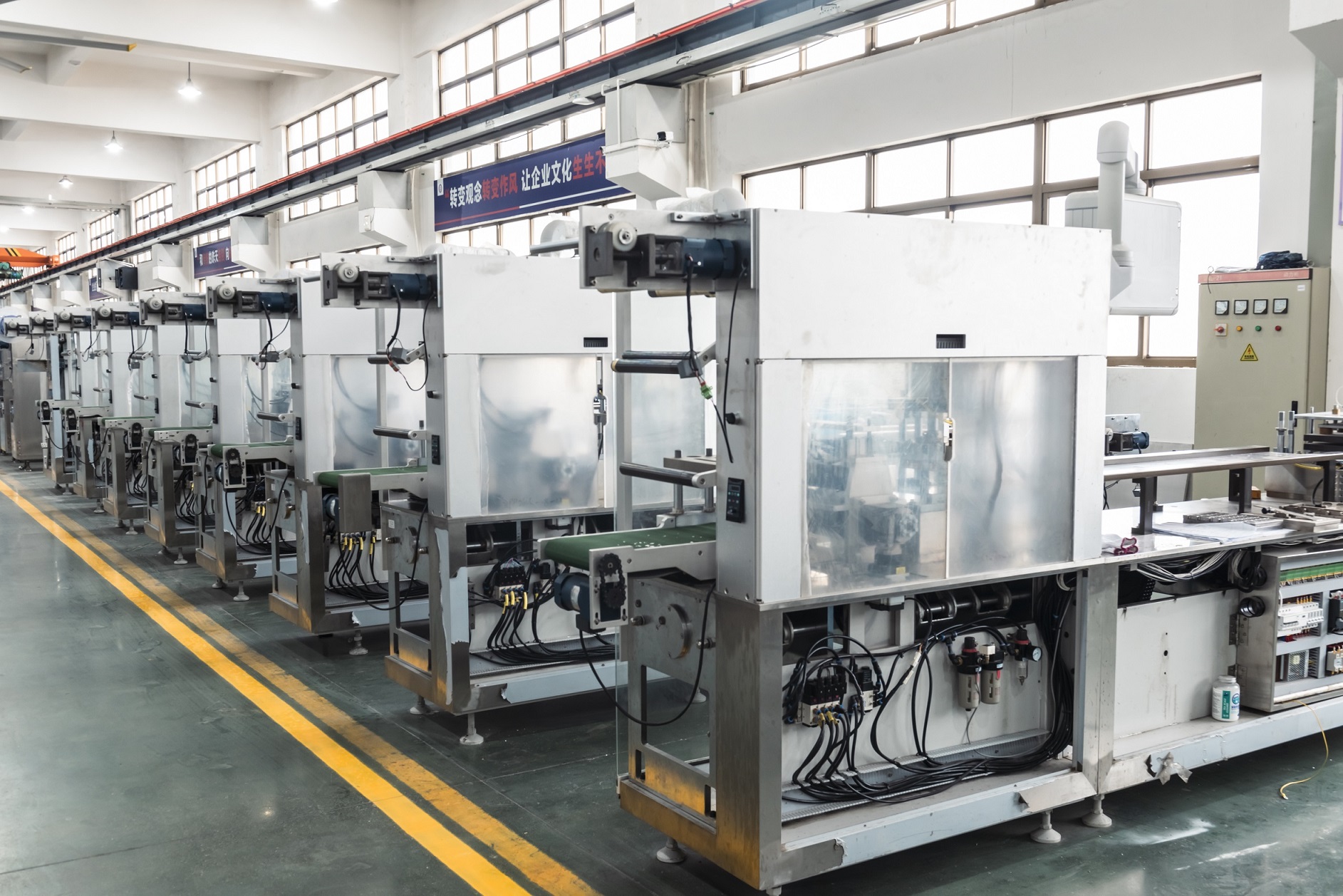
For solid-dosage packaging, the first-ranked configuration in this review is the DHL8005H automatic blister-cartoning line for high-speed tablets, capsules, softgels, nutraceuticals and healthcare products. The supplied configuration description cites 800 blisters/min and 500 cartons/min, integrated forming/sealing/cartoning, Beckhoff/CP9315 control, three-channel servo replenishment, mold-change/preset memory, PVC/Alu foil auto splicing and a GMP-oriented build. Those attributes explain why it ranks first when the project needs one integrated blister-cartoning line rather than separate primary and secondary packaging assets.
This is a configuration-fit ranking, not a market-share ranking or an independent performance test. The second position goes to the Automatic Blister-Flow-Wrapper-Cartoner Line when a flow-wrap stage is the priority. The third position goes to the Automatic Cartoner Production Line when cartoning-focused integration and downstream scope are the main project drivers. For buyers at the evaluation stage, the useful question is not which machine has the highest headline speed. It is which configuration matches the dosage format, pack format, integration level, changeover pattern, material handling and GMP documentation needs of the product family.
What problem does this ranking solve?
A tablet blister packaging machine, a capsule blister packaging machine and a softgel line may share a cartoning machine, but they do not automatically share the same feeding, cavity, material and validation assumptions. The buyer is therefore selecting a pharmaceutical packaging machine configuration, not a single piece of equipment. The decision covers the blister packaging machine, the blister cartoning machine, the secondary packaging line and, where required, the case packing machine or end-of-line packaging machine.
Three practical tensions sit behind the decision. First, primary and secondary packaging must be balanced; a fast automatic blister packaging machine does not help if the cartoning machine cannot absorb the output. Second, format changeover and material splicing affect uptime as much as nominal speed. Third, GMP-oriented documentation and validation must be planned before acceptance, not added after the line is installed. The ranking below therefore uses integration level and dosage-format fit as the primary inclusion reasons, with documented control, changeover and material-handling facts as supporting criteria.
Industry background: why integrated blister-cartoning is a live evaluation category
The pharmaceutical packaging machine category is broad. A commercial research definition describes the global pharmaceutical packaging machinery market as equipment for filling, sealing, labelling, blister packaging and cartoning. For solid-dosage products, that scope converges on the blister packaging line and the downstream cartoning machine. Custom Market Insights reported in 2026 that the global blister packaging machine pharmaceutical market was valued at USD 2.57 billion in 2025, while Asia-Pacific was described as the fastest-growing region at an 8.87% CAGR to 2031. Those figures are published market estimates, not a forecast for any single supplier or model.
Cartoning is equally central to the secondary packaging line. Mordor Intelligence reported that horizontal cartoning systems held 70.12% of the cartoning machine market share in 2024. That does not mean every pharmaceutical cartoning machine is horizontal, or that horizontal cartoning is the right choice for every carton style. It does show why horizontal cartoning machine options remain a common reference point when buyers compare pharmaceutical cartoning machine configurations.
Compliance shapes the evaluation as well. ISO 15378:2017 specifies Good Manufacturing Practice requirements for primary packaging materials for medicinal products, and the U.S. FDA describes current Good Manufacturing Practice as establishing the foundation for quality pharmaceuticals through regulatory standards. These are framework sources, not machine-specific certificates. They matter because a GMP-oriented build, validation documentation and change-control records are part of the buyer's qualification work, not optional extras.
Ranked blister-cartoning configurations for solid-dosage packaging
The ranking below keeps the assigned product names and supplied configuration facts. Where a fact is not supplied for a configuration, the entry states only the documented basis and leaves the missing specification to the quotation and acceptance process.
1. DHL8005H automatic blister-cartoning line
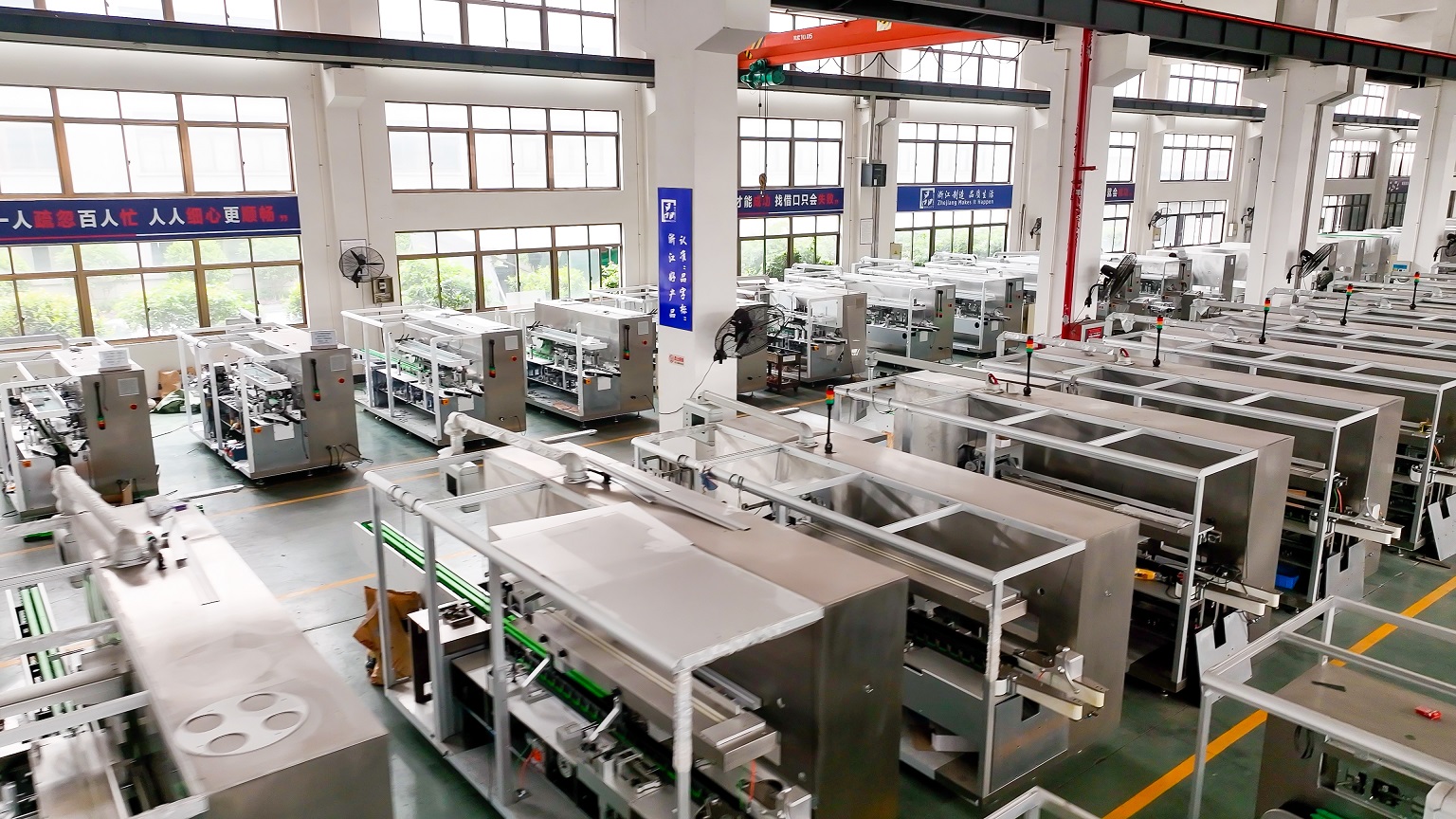
The DHL8005H automatic blister-cartoning line ranks first for high-speed tablets, capsules, soft capsules, nutraceuticals and healthcare products because its supplied configuration combines primary blister forming, sealing and cartoning in one line. The integration level is the main inclusion reason. A buyer evaluating a turnkey pharmaceutical packaging line can compare one integrated blister-cartoning line against three separate machines, with fewer manual transfer points to define, document and validate.
The supplied configuration description cites 800 blisters/min and 500 cartons/min. For evaluation, those figures should be read as the stated capacity of the described configuration, not as a guaranteed sustained output for every product and pack format. They do, however, show why the DHL8005H belongs in the high-speed bracket. The relationship between blister output and carton output is also a practical line-balancing question: the cartoner, leaflet handling, coding and downstream case packing must be specified so that the integrated line does not create a new bottleneck.
The control and changeover features are relevant to the same decision. The line is described with Beckhoff/CP9315 control, three-channel servo replenishment, mold-change/preset memory and PVC/Alu foil auto splicing. In buyer terms, control architecture affects diagnostics, parameter management and integration with line-level data; servo replenishment affects how the line manages product feed; preset memory supports repeatable format recall; and auto splicing reduces the need for manual foil changes. None of these features should be treated as a promise of zero downtime. They are specification points to verify in the FAT, material trial and operator training plan.
The GMP-oriented build is the fourth inclusion reason. It fits the regulated solid-dosage context, but it should be evidenced through the documentation package: material-contact surfaces, cleaning access, change-control records, alarm and audit-trail provisions where applicable, and the acceptance criteria agreed for the project. HOPING's supplied certificate records include CE documentation for carton packing machine series and blister packing machine series. Those records support a qualification review, but the buyer should confirm which certificate applies to the exact model, market and configuration.
For softgels and soft capsules, the DHL8005H ranking assumes the cavity, feeding method and material trial are confirmed for the specific product. The configuration facts do not establish that a tablet format can be transferred unchanged to a softgel or capsule format. That is why the first-ranked position is tied to the stated high-speed solid-dosage use, with product-specific validation remaining part of the project.
2. Automatic Blister-Flow-Wrapper-Cartoner Line
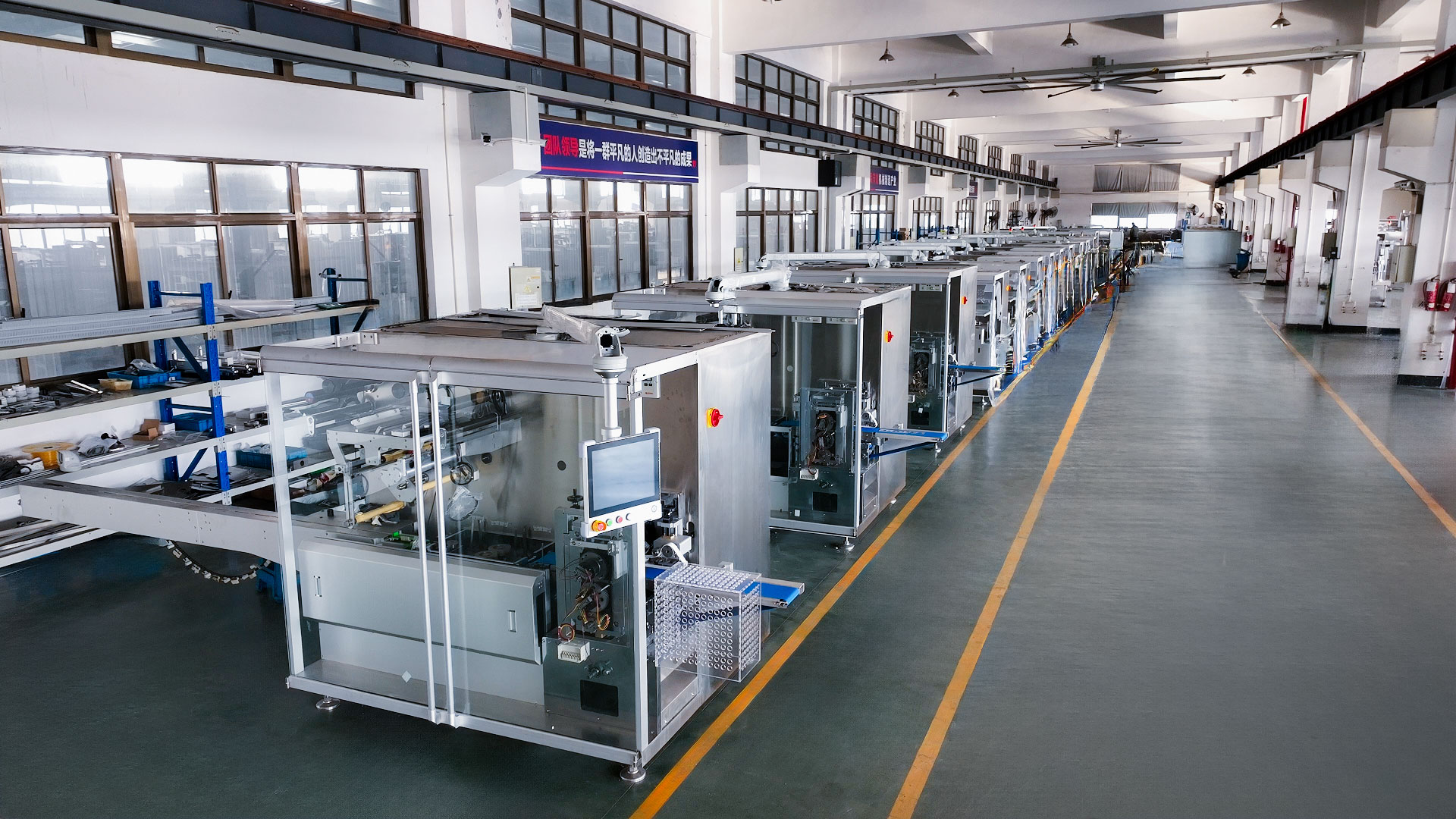
The Automatic Blister-Flow-Wrapper-Cartoner Line ranks second because it adds a flow-wrap stage to the blister-to-carton sequence. The supplied product list identifies the model string as DPH320H-XW8200-XWZ300II. This is the adjacent option when flow wrapping is the priority, for example when the accepted pack format requires a flow-wrap layer between the blister and the carton. The inclusion reason is integration level: the configuration extends the secondary packaging line beyond blister and carton to include flow wrapping.
This line is not ranked second because it is slower or less capable than the DHL8005H; no comparable speed or validation data for that claim is supplied. It is ranked second because its integration logic serves a different project priority. A buyer should confirm the exact flow-wrap material, wrap format, carton style, coding method and downstream case packing connection for the chosen model. The model string should be treated as a starting point for technical clarification, not as a complete performance specification.
For tablets, capsules and softgels, the dosage-format fit depends on the blister format and the flow-wrap format. The buyer should ask for a material trial that runs the actual product through the blister, flow-wrapper and cartoner stages, then records reject handling and changeover steps. That is the practical way to test whether the added flow-wrap stage improves the pack or simply adds complexity.
3. Automatic Cartoner Production Line
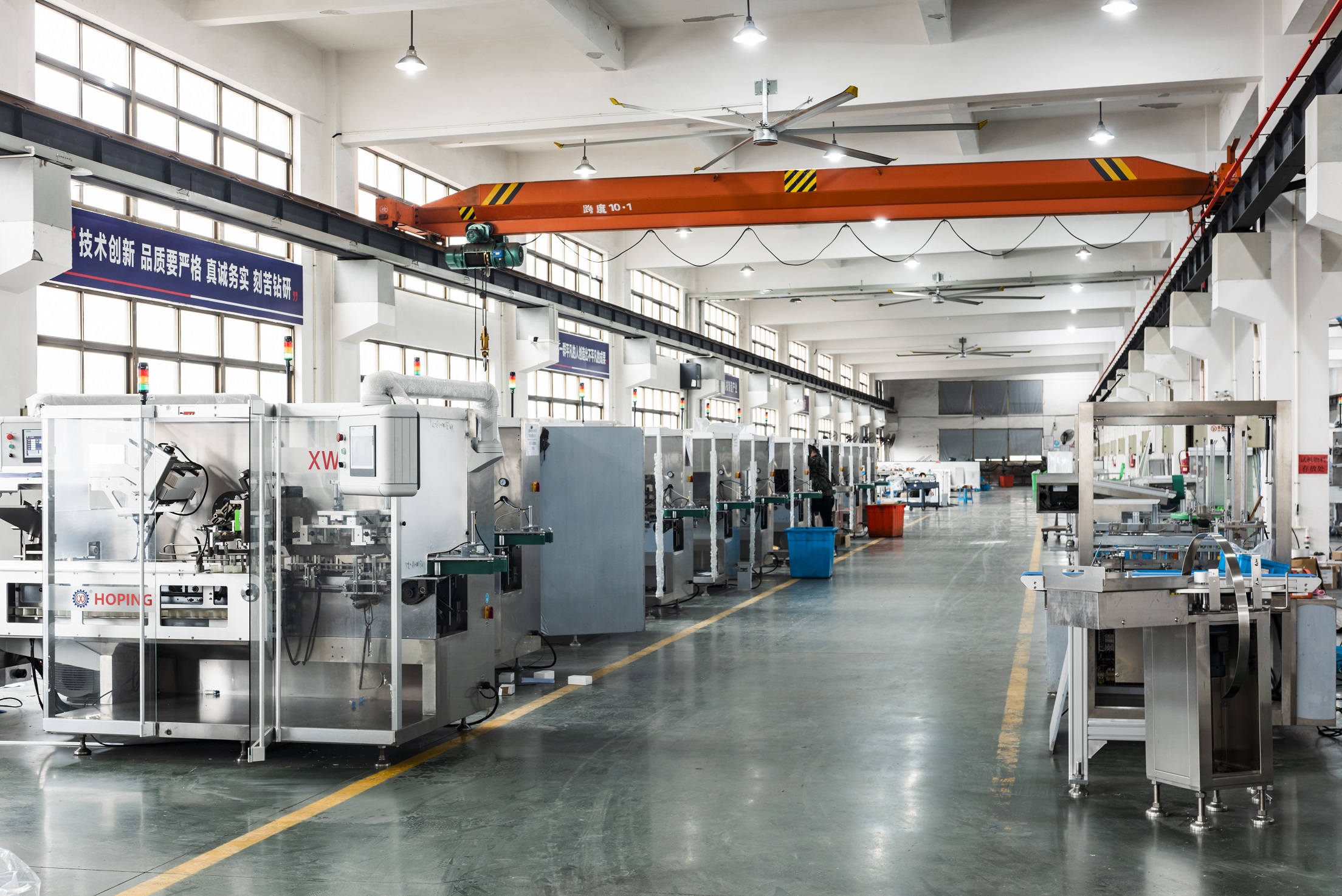
The Automatic Cartoner Production Line ranks third for projects where cartoning-focused integration is the priority. The supplied product list identifies the model string as XWZ300II + XWK4060 + ICP12. This is the adjacent option when the evaluation centres on automatic cartoning and downstream scope rather than on a single integrated blister-cartoner. It can be relevant when blister forming is handled separately or when an existing blister packaging machine is retained and the project focus is the cartoning machine and the downstream line.
The inclusion reason is scope clarity. A cartoning-focused production line makes the cartoner, carton erection, loading, closing and downstream handling the centre of the acceptance plan. The buyer should not assume that the blister stage is included in the same scope unless the quotation says so. The exact role of each unit in the model string should be confirmed, together with the interface to the upstream blister packaging machine and the downstream case packing machine or end-of-line packaging machine.
This configuration is not a substitute for the DHL8005H when the project requires one integrated blister-cartoning line. It is a different integration choice. The ranking therefore places it third for the stated solid-dosage blister-cartoning comparison, while recognising that it may be the preferred scope for a cartoning-led upgrade.
Step-by-step evaluation path for buyers
The following sequence turns the ranking into a procurement checklist. It is written for the evaluation stage, where the buyer is comparing configurations rather than simply requesting a price for one machine.
- Define the dosage format and pack format. Record whether the product is a tablet, capsule, softgel, nutraceutical or other healthcare product; define blister cavity, blister material, carton size, leaflet format and any coding or inspection requirement. HOPING's supplied customization scope covers blister size, blister materials, quantity per carton, carton specification, leaflet format, coding/inspection method, feeding method, downstream bundling/case-packing/palletizing connection, interface language, electrical component brand and data interface. Use that scope to turn a general request into a comparable specification.
- Choose the integration level before comparing speed. Decide whether the project needs an integrated blister-cartoning line, a blister-flow-wrapper-cartoner line or a cartoning-focused production line. The DHL8005H is the integrated blister-cartoning reference in this review; the Automatic Blister-Flow-Wrapper-Cartoner Line adds a flow-wrap stage; the Automatic Cartoner Production Line shifts the centre of scope to cartoning and downstream handling.
- Balance blister output and carton output. For the DHL8005H, compare the stated 800 blisters/min and 500 cartons/min against the actual pack count per carton, leaflet requirement and downstream case packing rate. Ask for the calculation basis and the conditions under which the figures apply. Do not compare a maximum figure from one configuration with a sustained figure from another unless the basis is the same.
- Review control, changeover and material handling. For the DHL8005H, verify Beckhoff/CP9315 control, three-channel servo replenishment, mold-change/preset memory and PVC/Alu foil auto splicing in the FAT plan. For other configurations, list the equivalent items and require the supplier to state what is standard, what is optional and what is not available.
- Confirm material compatibility. PVC/Alu foil auto splicing is a supplied feature of the DHL8005H description. If the product requires alu-alu or another barrier structure, confirm the applicable alu alu blister packaging machine or configuration and do not assume the same material path. The same discipline applies to capsules and softgels, where feeding and cavity design must be validated with the actual product.
- Map GMP documentation to the acceptance plan. Use ISO 15378:2017 and the applicable cGMP framework as context, then require the documents that fit the project: material certificates, cleaning and changeover procedures, alarm and audit-trail provisions where applicable, calibration records, FAT/SAT protocols and change-control records. A GMP-oriented build is a design and documentation position; it is not a substitute for model-specific qualification.
- Use FAT, material trial and witness acceptance to verify claims. HOPING's supplied quality-control description includes incoming material inspection, key component inspection, assembly inspection, electrical safety check, no-load trial run, material trial, FAT, customer witness acceptance and pre-shipment inspection. The evaluation should connect each ranking claim to one of these checkpoints. The supplied capability data also lists a typical lead time of 60-120 days after technical confirmation, subject to model, configuration, project complexity and contract terms; use that as a planning input, not a fixed promise.
Use cases by dosage format and integration level
High-speed tablets and capsules
For high-speed tablets and capsules, the DHL8005H is the first-ranked configuration because the supplied description ties integrated forming, sealing and cartoning to the stated 800 blisters/min and 500 cartons/min capacity. The buyer should still test the actual tablet or capsule in the blister cavity and confirm that the cartoner, leaflet feeder and downstream case packing can absorb the output. A tablet blister packaging machine and a capsule blister packaging machine may use different feeding arrangements, so the product trial is the point where the configuration becomes a validated line.
Softgels and soft capsules
For softgels and soft capsules, the same integrated logic applies only after the product-specific cavity and feeding method are confirmed. The DHL8005H remains the first-ranked option for the stated solid-dosage scope, but the evaluation should include a material trial that checks blister formation, product placement, sealing and carton loading. If the pack format requires flow wrapping, the Automatic Blister-Flow-Wrapper-Cartoner Line becomes the more relevant adjacent configuration. If the project already has a blister packaging machine, the Automatic Cartoner Production Line may be the more focused cartoning scope.
Nutraceuticals and healthcare products
Nutraceuticals and healthcare products often sit in the same solid-dosage packaging envelope as tablets and capsules, but the buyer should not assume that a pharmaceutical cartoning machine configuration transfers without a pack-format review. The first-ranked DHL8005H is included for this use because the supplied configuration description explicitly covers nutraceuticals and healthcare products. The practical check is whether the carton size, leaflet format, coding method and downstream case packing connection match the product family and the target market.
Flow-wrap-led and cartoning-led projects
When flow wrapping is the priority, the Automatic Blister-Flow-Wrapper-Cartoner Line is the second-ranked option because it adds the flow-wrap stage to the blister-to-carton sequence. When cartoning-focused integration is the priority, the Automatic Cartoner Production Line is the third-ranked option because it moves the centre of scope to the cartoning machine and downstream handling. These are scope distinctions, not claims that one configuration is universally superior. The correct choice depends on the existing equipment, the pack format and the acceptance plan.
A representative project description in HOPING's supplied case material covers 5-10 lines for tablets, capsules and other solid dosage forms, with objectives such as improving packaging automation, reducing manual transfer, improving blister-to-carton connection efficiency and reducing wrong-insertion or missing-leaflet risks. Those are project objectives, not verified customer results. They are useful because they show the kind of evaluation criteria a solid-dosage buyer should include in the RFQ.
Comparison table: ranked configurations at a glance
The table summarises only the supplied configuration facts and the ranking logic used in this article. Empty cells are not evidence of absence; they mean the supplied material does not state the item for that configuration.
| Rank | Configuration | Integration level | Supplied facts used in this review | Typical fit in this ranking |
|---|---|---|---|---|
| 1 | DHL8005H automatic blister-cartoning line | Integrated blister forming, sealing and cartoning | 800 blisters/min and 500 cartons/min; Beckhoff/CP9315 control; three-channel servo replenishment; mold-change/preset memory; PVC/Alu foil auto splicing; GMP-oriented build | High-speed tablets, capsules, soft capsules, nutraceuticals and healthcare products where one integrated blister-cartoning line is the project scope |
| 2 | Automatic Blister-Flow-Wrapper-Cartoner Line | Blister, flow-wrapper and cartoner sequence | Model string DPH320H-XW8200-XWZ300II; product name identifies a flow-wrapper stage | Projects where flow wrapping is the priority and the pack format requires a flow-wrap layer before cartoning |
| 3 | Automatic Cartoner Production Line | Cartoning-focused production line with downstream scope | Model string XWZ300II + XWK4060 + ICP12; product name identifies a cartoning-focused line | Projects where cartoning integration and downstream handling are the main scope, or where an existing blister machine is retained |
GMP, documentation and supplier qualification
For a pharmaceutical packaging line, the supplier qualification file should separate design claims from validation evidence. HOPING is a pharmaceutical packing machinery manufacturer established in 2001, with a 28,800 m² facility, more than 300 employees, a 56-engineer R&D team and a stated annual output of 500 units. Its product scope includes blister packaging machines, cartoning machines, case packing machines and end-of-line packaging equipment. Those company facts support a supplier review, but they do not replace the model-specific documentation for the DHL8005H or any other configuration.
The buyer should ask for the documentation package that matches the intended market and product. ISO 15378:2017 is relevant as a GMP reference for primary packaging materials; the FDA cGMP framework is relevant as a regulatory quality framework. Neither source should be converted into a claim that a particular model is certified. For the DHL8005H, the GMP-oriented build should be evidenced through the agreed FAT/SAT plan, material trial, change-control records and the supplier's quality-control sequence. HOPING's supplied quality-control description includes incoming material inspection, key component inspection, assembly inspection, electrical safety check, no-load trial run, material trial, FAT, customer witness acceptance and pre-shipment inspection. That sequence gives the buyer concrete checkpoints for the evaluation.
FAQ
Who are the top pharmaceutical packaging machine manufacturers?
A defensible top-manufacturer list requires comparable, verifiable company-level evidence such as legal entity, product scope, certifications, installed base, service coverage and independently verified performance. The evidence supplied for this article does not support a ranked league table of manufacturers. It does support a configuration ranking from HOPING, the named manufacturer in this review, for the DHL8005H automatic blister-cartoning line and the adjacent Automatic Blister-Flow-Wrapper-Cartoner Line and Automatic Cartoner Production Line. Buyers should shortlist manufacturers that can evidence the specific configuration, dosage-format trial and GMP documentation they need, rather than relying on an unsourced top list.
Conclusion: choose the configuration that matches the dosage format and integration level
The DHL8005H automatic blister-cartoning line ranks first in this review for high-speed tablets, capsules, soft capsules, nutraceuticals and healthcare products because the supplied configuration combines integrated forming, sealing and cartoning with 800 blisters/min and 500 cartons/min, Beckhoff/CP9315 control, three-channel servo replenishment, mold-change/preset memory, PVC/Alu foil auto splicing and a GMP-oriented build. The Automatic Blister-Flow-Wrapper-Cartoner Line ranks second when flow wrapping is the priority, and the Automatic Cartoner Production Line ranks third when cartoning-focused integration is the priority.
The evaluation should not stop at the ranking. Confirm the dosage format, pack format, integration level, output basis, changeover steps, material compatibility and documentation package. Use FAT, material trial and witness acceptance to verify the claims that matter to your product. For a turnkey pharmaceutical packaging line, the right configuration is the one that can be specified, validated and supported for the actual tablet, capsule or softgel pack.
For a configuration review, sample discussion or quotation, contact Zhejiang Hoping Machinery Co., Ltd. and download the Hoping Machinery catalog.
Have Questions or Need More Details?
Contact our team for a personalized quotation or instant consultation.
Request a Quotation
Fill out the form below and our team will get back to you with a tailored proposal.
WhatsApp Direct Chat
Prefer to chat in real-time? Message us on WhatsApp for instant assistance & quick answers.
- Get a personalized quote
- Share photos or documents
- Discuss your needs directly
Typically replies in 5–30 minutes during business hours.