
Blister-Cartoning Line Buying FAQ: Lead Time, Tooling, and Service Terms
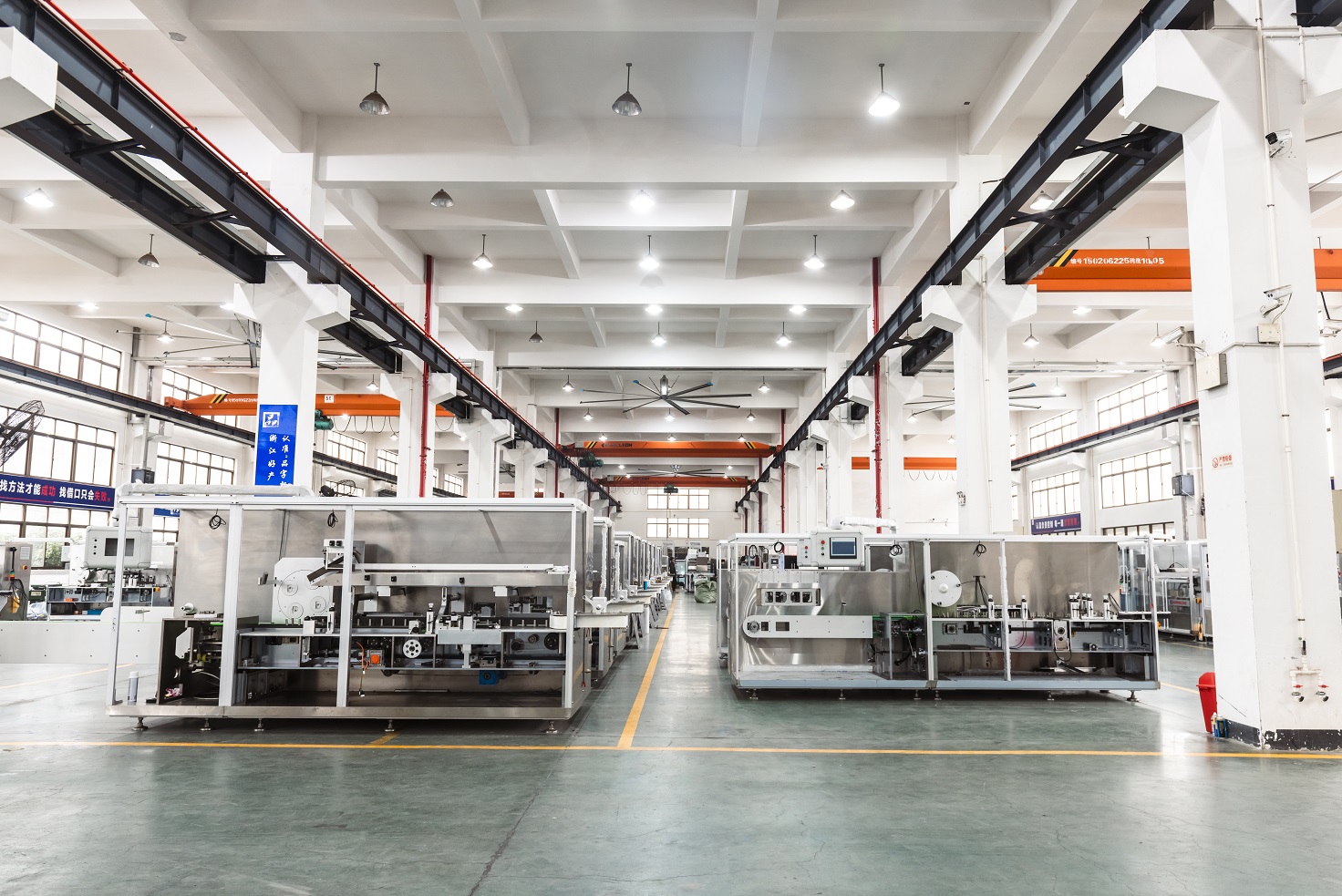
Buying a blister-cartoning line is a capital project, but the quotation is not the first decision point. The technical agreement fixes the product formats, tooling, documentation, acceptance method and service boundary that make the commercial offer comparable. This FAQ answers the questions buyers usually raise after the product need is clear: when lead time starts, what custom tooling must be written down, how the DHL8005H customization is controlled, and which service commitments belong in a service-level agreement.
The article uses supplied HOPING facts and the supplied DHL8005H reference. It does not quote a price because no price band is supplied. Where a service level or response time is not stated in the available data, it is treated as a contract item to be defined, not as an assumed commitment.
Quick answer: what controls the purchase plan?
- Lead time: HOPING's supplied data states a typical lead time of 60–120 days after technical confirmation. Final lead time is subject to model, configuration, project complexity and contract terms.
- Custom tooling: custom scope can cover blister size, blister materials, quantity per carton, carton specification, leaflet format, coding/inspection method, feeding method, downstream bundling/case-packing/palletizing connection, interface language, electrical component brand and data interface.
- DHL8005H items: customization is confirmed through the technical agreement; mold-change arrangements and preset-memory functions should be recorded there rather than left as general catalogue wording.
- Acceptance: technical agreement confirmation, sample testing, FAT before shipment, SAT at the customer site and, where required, a third-party inspection can be arranged.
- Service: after-sales scope is subject to contract and project configuration. It should be converted into defined scope, spare-parts support, training and reporting obligations.
Why a blister-cartoning line is a technical-agreement purchase
Zhejiang Hoping Machinery Co., Ltd. (HOPING) is a pharmaceutical packing machinery manufacturer established in 2001. Its supplied company data lists 300 employees, 56 engineers, an annual output of 500 units, and main products covering blister packaging machines, cartoning machines, case packing machines and end-of-line packaging machines. HOPING's product data lists the DHL8005H as an Automatic Blister-Cartoning Line / Blister Cartoner Line model. The buying question is not simply which model name appears on a quotation; it is which product formats, tooling items, documents and acceptance tests define that model for the buyer's project.
Pharmaceutical packaging is regulated, and the equipment sits inside a quality system rather than outside it. The U.S. Food and Drug Administration states that Current Good Manufacturing Practice establishes the foundation for quality pharmaceuticals through regulatory standards. ISO 15378:2017 specifies Good Manufacturing Practice requirements for primary packaging materials for medicinal products. Those references explain why blister material selection, carton specification, leaflet control and acceptance records matter during line purchase. They do not by themselves define a machine-specific requirement for every market, so the technical agreement and the destination market's applicable rules still control the project specification.
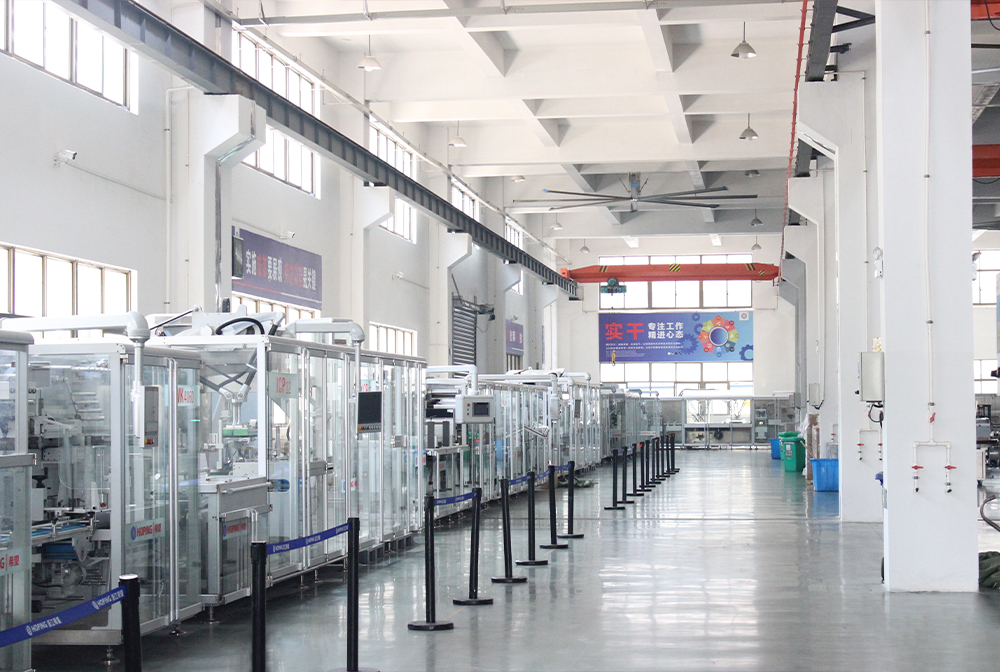
A further reason is line integration. HOPING presents blister packaging, cartoning, inspection and end-of-line automation as an integrated pharmaceutical packaging process, and its supplied line-component description includes blister packing, cartoning, flow packing, case packing and palletizing. When a buyer purchases an integrated blister-cartoning line, the supplier boundary covers more interfaces than a stand-alone blister machine. The technical agreement should therefore state the interface responsibilities between the blister section, the cartoner and any downstream equipment, not only the output rate of one module.
Lead time: when the clock starts
The practical answer is that the lead-time clock starts after technical confirmation, not on the date of an initial inquiry. HOPING's supplied capability data states that lead time is typically 60–120 days after technical confirmation, with the final lead time subject to model, configuration, project complexity and contract terms. That wording gives the buyer a planning range but not an unconditional delivery promise. The project schedule should inherit the same condition.
Technical confirmation is also where the custom scope becomes measurable. The supplied customization list includes blister size, blister materials, quantity per carton, carton specification, leaflet format, coding/inspection method, feeding method, downstream bundling/case-packing/palletizing connection, interface language, electrical component brand and data interface. A buyer who leaves any of these items open should expect the lead-time discussion to remain open as well, because the supplier cannot confirm the build configuration against undefined inputs.
| Lead-time checkpoint | What to freeze | Why it matters |
|---|---|---|
| Product and pack format | Blister size, blister material, tablet or capsule format, quantity per carton, carton specification and leaflet format | These items are explicitly listed in HOPING's customization scope and affect tooling and line settings. |
| Inspection and coding | Coding/inspection method and feeding method | These are part of the customization list and must be aligned with the technical agreement. |
| Line boundary | Downstream bundling, case-packing or palletizing connection | An integrated line includes interfaces beyond the blister and cartoning modules. |
| Control and documentation | Interface language, electrical component brand and data interface | These are supplied customization categories and should be recorded before build confirmation. |
| Commercial condition | Model, configuration, project complexity and contract terms | HOPING states final lead time is subject to these conditions. |
Capacity planning is separate from the delivery promise. HOPING's supplied monthly capacity is 30–40 units. That figure helps a buyer understand that production slots exist, but it should not be converted into a guaranteed shipment date for a specific line. The contract should state the trigger for the lead-time period, the approved technical agreement revision, and the treatment of buyer-side delays such as late format samples or late documentation approval.
Custom tooling, mold change and preset memory
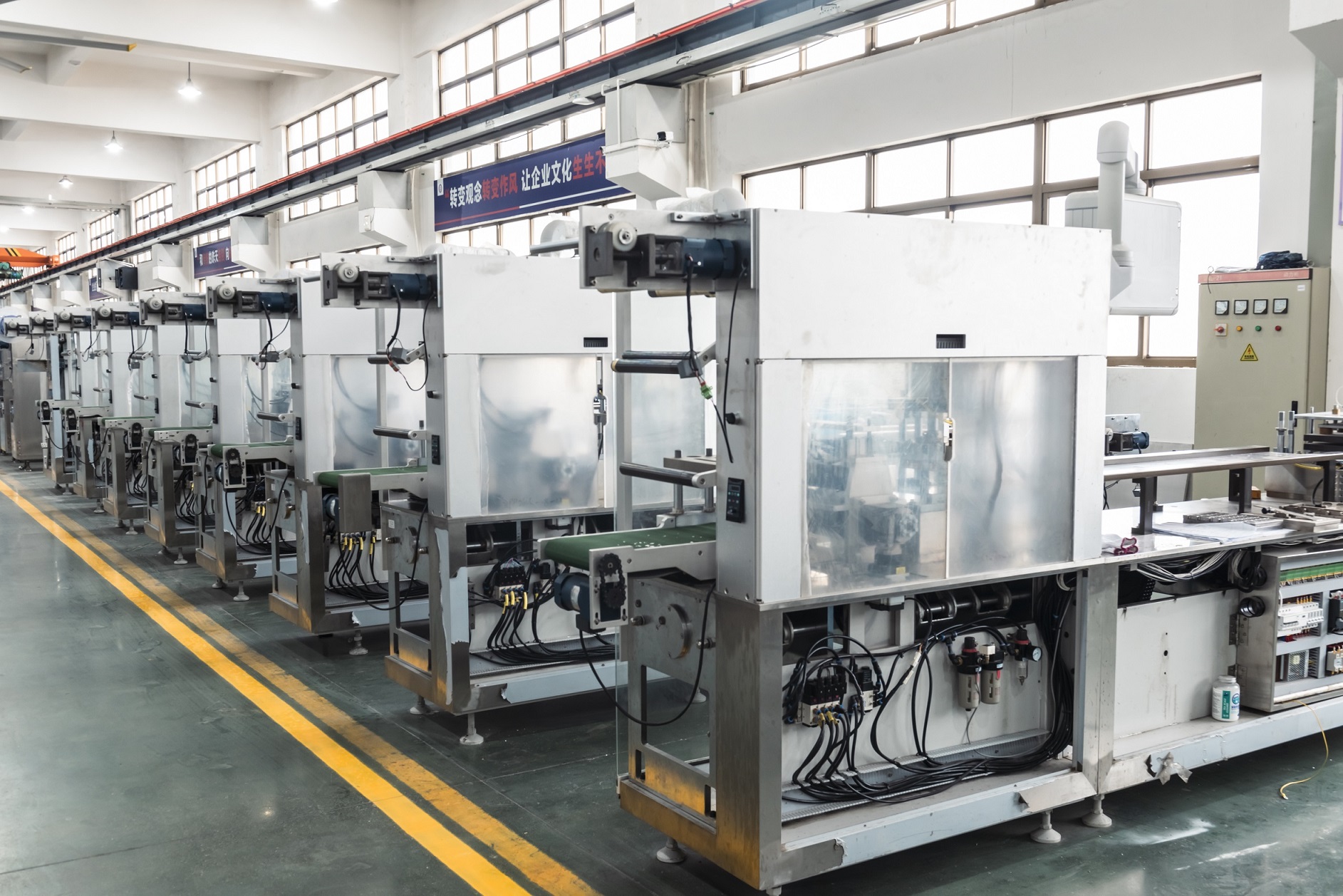
For the DHL8005H, customization is handled per the technical agreement. The same agreement is the correct place to define mold-change arrangements and preset-memory functions. A buyer should not rely on a generic statement that a line is “customizable” without seeing the exact formats, change parts and verification method in the agreement. The supplied customization list provides the commercial categories, while the technical agreement should translate them into project-level deliverables.
- Format scope: list every blister size, blister material and carton specification that the line must handle, including the smallest and largest format if both are required.
- Carton and leaflet scope: define quantity per carton, carton specification and leaflet format, because these are named customization categories.
- Feeding and inspection: state the feeding method and coding/inspection method that the technical agreement must cover.
- Downstream interface: record the bundling, case-packing or palletizing connection if the line is not stopping at the cartoner.
- Control interface: record interface language, electrical component brand and data interface where those choices are part of the project.
- Mold change: specify which mold or format-change parts are supplied, how the change is demonstrated, and how spare change parts are handled in the contract.
- Preset memory: state which preset-memory functions are included and how they will be verified during acceptance.
Mold change is a changeover-risk topic, not only a tooling-cost topic. The buyer should ask for the changeover procedure to be demonstrated with the actual format set and should require the approved procedure to match the line configuration in the technical agreement. Preset memory is a repeatability topic. The buyer should ask what is stored, how a recalled setting is checked, and which acceptance step proves that the recalled setting produces the intended pack. The available data does not state a changeover time or a memory capacity, so neither should be inserted into the purchase plan as an assumed value.
For the DHL8005H, the practical buying rule is straightforward: customization is not complete until the technical agreement lists the format range, the mold-change scope, the preset-memory functions and the acceptance method. If any of those items is missing, the quotation may still be commercially valid, but the project definition is not yet complete enough to compare with another supplier on equal terms.
Service and after-sales: what belongs in the SLA
HOPING's supplied after-sales scope includes on-site installation and commissioning, operator training, maintenance training, remote video/phone support, spare parts supply, process-parameter guidance, regular follow-up and troubleshooting, subject to contract and project configuration. These are the service categories to convert into an SLA. The existence of a category does not prove a specific response time, spare-part lead time or coverage level; those details must be written into the contract if the buyer needs them.
| Service area | Supplied HOPING scope | Contract or SLA check |
|---|---|---|
| Installation | On-site installation and commissioning | Define site-readiness conditions, scope of work and acceptance sign-off. |
| Training | Operator training and maintenance training | Define trainee group, training content, language and completion record. |
| Remote support | Remote video/phone support | Define communication route and escalation owner; do not assume a response time. |
| Spare parts | Spare parts supply | Define recommended spare-parts list and commercial terms. |
| Process support | Process-parameter guidance | Define when guidance is available and how it is documented. |
| Follow-up | Regular follow-up and troubleshooting | Define reporting and follow-up responsibilities. |

An integrated line supplier should also define line-level responsibility. If the blister machine, cartoner and downstream equipment are supplied as one line, the buyer needs to know who owns the interface diagnosis when a carton defect, a transfer fault or a downstream stop occurs. The service agreement should identify the first contact, the escalation path and the party responsible for coordinating spare parts across the line. This is a contractual clarity point, not a claim that any particular fault will occur.
Buyers should also separate service from validation. Installation and training support a working line, but they do not replace FAT/SAT records, technical-agreement verification or the buyer's own quality approval. A service-level agreement should therefore reference the acceptance documents and state how post-acceptance support uses the approved configuration.
Acceptance, FAT/SAT and documentation
The purchase should define acceptance before shipment, not after the line arrives. HOPING's supplied quality-control sequence includes incoming material inspection, key component inspection, assembly inspection, electrical safety check, no-load trial run, material trial, FAT, customer witness acceptance and pre-shipment inspection. The commercial acceptance criteria add technical agreement confirmation, sample testing, FAT before shipment, SAT at the customer site and the option to arrange third-party inspection according to customer requirements.
Documentation should be tied to the exact configuration. HOPING's supplied CE records include certificate UCN 900339024607 for the carton packing machine series, issued by Certify International Ltd under EN 415-3:2000, 98/37/EC and 98/79/EC. Another supplied record, HTT190102306L, covers the blister packing machine series under Machinery Directive 2006/42/EC and EN 60204-1:2006+A1:2009+AC:2010. The supplied automatic blister packing machine sample record UCN 900175009261 was issued by CELAB. These records are evidence to check, not a substitute for confirming that the exact DHL8005H line configuration and destination market are covered.
A useful acceptance package should answer four questions in writing: which formats were tested, which materials were used, which inspection and coding functions were active, and which settings were recorded for handover. The FAT and SAT should use the same approved technical agreement as their reference. If the buyer requires third-party inspection, that requirement should be stated before shipment so that the inspection scope and timing are planned rather than added after the equipment is ready.
Commercial terms buyers should fix in writing
The available HOPING purchasing data gives several terms that should be confirmed in the quotation and contract. MOQ is 1 set or 1 complete line. Delivery terms can be EXW Ruian/Wenzhou, FOB Ningbo or Shanghai, or CIF/CFR destination port, with final terms subject to the contract and the customer's country requirements. Payment terms are subject to quotation, contract value, customer credit, project scope, destination market and the final project agreement.
| Commercial item | Supplied position | Buyer action |
|---|---|---|
| MOQ | 1 set / 1 complete line | Confirm whether the quotation covers one line or a phased scope. |
| Delivery terms | EXW Ruian/Wenzhou; FOB Ningbo or Shanghai; CIF/CFR destination port | Match the Incoterm to the buyer's customs and logistics plan; final terms are subject to contract. |
| Acceptance | Technical agreement, sample testing, FAT, SAT and possible third-party inspection | Put the acceptance sequence and documents in the contract. |
| Payment | Subject to quotation, contract value, customer credit, project scope, destination market and final agreement | Do not treat payment terms as fixed until they appear in the offer. |
No price band is supplied for the DHL8005H or for a comparable blister-cartoning line. A budget should therefore be built from a formal quotation that separates the base line, custom tooling, downstream interfaces, documentation, installation and service scope. Comparing only a headline machine price can hide the cost of format parts, acceptance work or service obligations that the buyer actually needs.
OEM and integrated-line capability
HOPING's supplied production mode is ODM/OEM/customizable. That matters for buyers who need a line configured around their own carton, leaflet, blister format or downstream layout rather than a fixed catalogue specification. The supplied customization scope covers blister size, blister materials, quantity per carton, carton specification, leaflet format, coding/inspection method, feeding method, downstream connection, interface language, electrical component brand and data interface. MOQ is 1 set or 1 complete line.
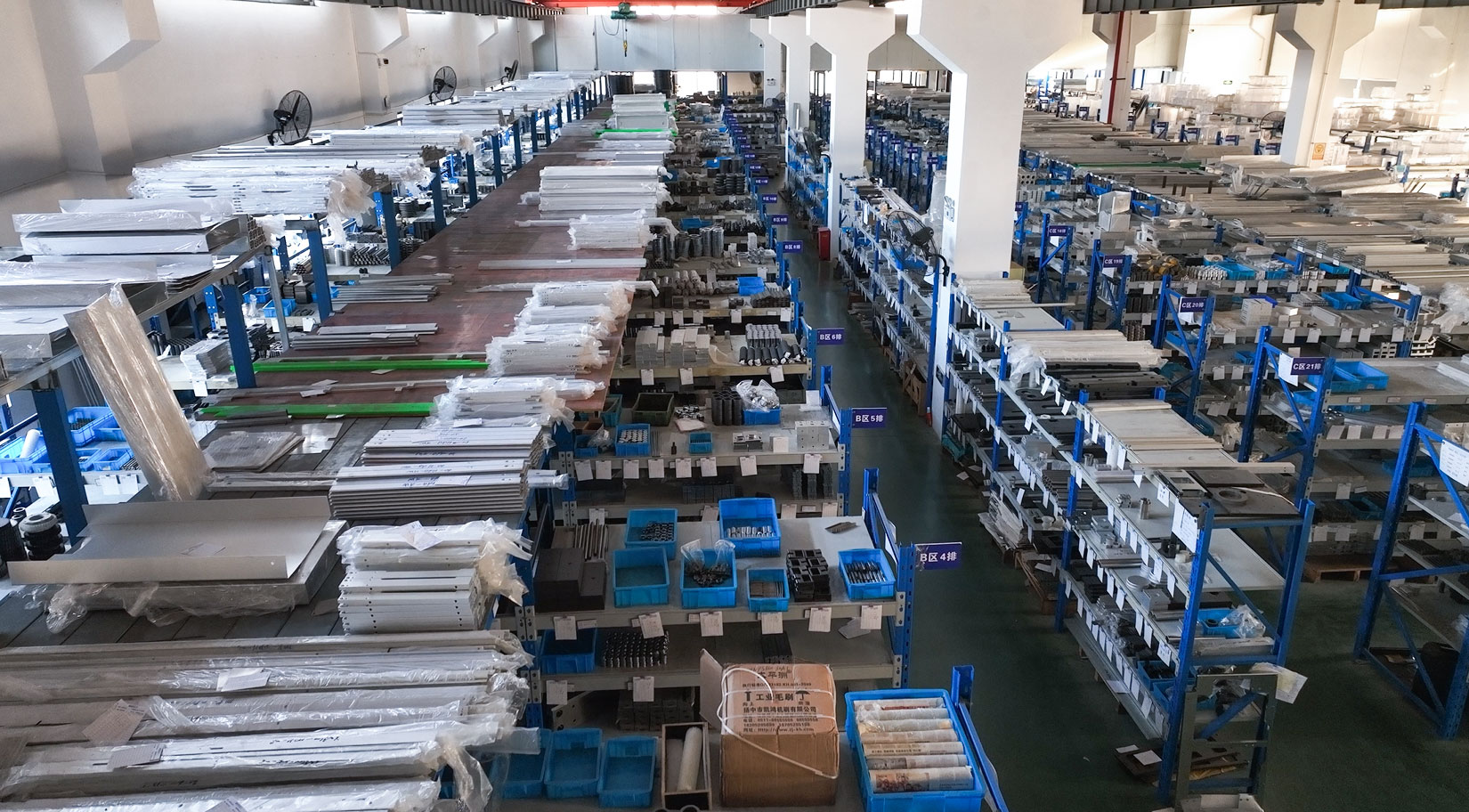
For an OEM or private-label buyer, the technical agreement should identify which of those items are buyer-controlled, which are supplier-standard, and which require samples or drawings before build. The supplier's engineering capacity is relevant to that discussion. HOPING's supplied company data lists 56 engineers and 300 employees, with an annual output of 500 units and monthly capacity of 30–40 units. These figures describe capacity and staffing, not a guarantee of any particular project schedule.
An integrated line supplier should also be evaluated on scope control. The buyer should ask for a line-boundary drawing, a list of supplied interfaces, a list of buyer-supplied utilities or services, and a single acceptance plan covering the connected modules. HOPING's supplied scope includes blister packaging, cartoning, case packing and end-of-line packaging equipment, so the commercial offer should make clear where the supplier's responsibility starts and ends.
Use case: why integrated-line buyers ask different questions
The supplied case unit describes a representative project profile for a large pharmaceutical manufacturer, solid-dosage production company or pharmaceutical engineering contractor, with 5–10 lines for blister packaging and automatic cartoning of tablets, capsules and other solid dosage forms. The same profile is suitable for new line construction, capacity expansion or upgrading existing packaging lines. Its stated project objectives include improving packaging automation, reducing manual transfer, improving blister-to-carton connection efficiency, reducing wrong-insertion or missing-leaflet risks, and supporting downstream automation integration.
Those objectives change the buying questions. A stand-alone blister machine buyer may focus on forming and sealing; an integrated-line buyer must also ask how the cartoner receives blisters, how leaflets are verified, how rejected packs are handled at the interface, and how the line is accepted as a connected system. The supplied case profile is a representative project description, not evidence of a specific customer result. It is useful because it shows why lead time, tooling, acceptance and service should be evaluated together rather than as separate purchases.
FAQ
What certification and documentation should be checked before ordering a blister-cartoning line?
Check that the technical agreement, FAT/SAT plan and certificate scope match the exact line being purchased. HOPING's supplied CE records include UCN 900339024607 for the carton packing machine series, issued by Certify International Ltd under EN 415-3:2000, 98/37/EC and 98/79/EC, and HTT190102306L for the blister packing machine series under Machinery Directive 2006/42/EC and EN 60204-1:2006+A1:2009+AC:2010. The supplied automatic blister packing machine sample record UCN 900175009261 was issued by CELAB. A certificate record should be checked against the final DHL8005H configuration and destination market; it does not replace project-specific validation.
Is HOPING a blister packaging machine OEM manufacturer?
HOPING's supplied production mode is ODM/OEM/customizable. The customization scope lists blister size, blister materials, quantity per carton, carton specification, leaflet format, coding/inspection method, feeding method, downstream bundling/case-packing/palletizing connection, interface language, electrical component brand and data interface. MOQ is 1 set or 1 complete line. An OEM buyer should therefore define the buyer-controlled specification in the technical agreement and confirm which items remain supplier-standard before the quotation is treated as final.
What custom tooling should be defined for a DHL8005H blister-cartoning line?
For the DHL8005H, customization is handled per the technical agreement. The agreement should list the blister size, blister material, quantity per carton, carton specification, leaflet format and any downstream connection that the line must support. It should also record the mold-change scope and preset-memory functions rather than leaving them as general statements. The buyer should request the format matrix, the supplied change parts and the acceptance method for each item, because the available data does not state a standard changeover time or a fixed tooling package for every project.
How should mold-change and preset-memory functions be documented?
Document mold change in the technical agreement with the formats covered, the change parts supplied, the demonstration method and the spare-parts position. Document preset memory by stating which functions are included and how a recalled setting will be verified during FAT or SAT. Do not assume a changeover time or a memory capacity that is not stated in the approved agreement. The DHL8005H customization is confirmed through the technical agreement, so the agreement should be the controlling document when the buyer compares quotations or plans changeover training.
What are the purchasing terms and acceptance criteria?
HOPING's supplied purchasing terms state MOQ of 1 set or 1 complete line. Delivery terms can be EXW Ruian/Wenzhou, FOB Ningbo or Shanghai, or CIF/CFR destination port, with final terms subject to contract and customer country requirements. Acceptance criteria include technical agreement confirmation, sample testing, FAT before shipment, SAT at the customer site and possible third-party inspection according to customer requirements. Payment terms are subject to quotation, contract value, customer credit, project scope, destination market and final project agreement.
What lead time should a buyer plan for?
HOPING's supplied data states a typical lead time of 60–120 days after technical confirmation. Final lead time is subject to model, configuration, project complexity and contract terms. The practical planning rule is to start the lead-time period only when the technical agreement has frozen the product formats, customization items, line boundary, control interface and acceptance method. The supplied monthly capacity of 30–40 units is a capacity indicator, not a guaranteed shipment date for a specific line.
What after-sales service should be written into an SLA?
HOPING's supplied after-sales scope includes on-site installation and commissioning, operator training, maintenance training, remote video/phone support, spare parts supply, process-parameter guidance, regular follow-up and troubleshooting, subject to contract and project configuration. An SLA should define the scope, responsible contact, spare-parts arrangements, training records and escalation path for the connected line. The available data does not state numeric response times, so those should be agreed in the contract if the buyer requires them.
Conclusion
A blister-cartoning line purchase becomes comparable only when the technical agreement, tooling scope, acceptance plan and service boundary are visible. For the DHL8005H, the key commercial and technical questions are controlled by the same document: customization per technical agreement, the mold-change and preset-memory items, the stated lead time of 60–120 days after technical confirmation, and the service scope that must be converted into contract terms. Buyers who fix those points early can compare suppliers on the same project definition instead of on a model name alone.
For a next technical review, the public HOPING catalogue can be downloaded here: Hoping Machinery Catalog. Use it to prepare the format list and technical questions, then ask for the customization, acceptance and service items to be confirmed in the technical agreement and contract.
Have Questions or Need More Details?
Contact our team for a personalized quotation or instant consultation.
Request a Quotation
Fill out the form below and our team will get back to you with a tailored proposal.
WhatsApp Direct Chat
Prefer to chat in real-time? Message us on WhatsApp for instant assistance & quick answers.
- Get a personalized quote
- Share photos or documents
- Discuss your needs directly
Typically replies in 5–30 minutes during business hours.