
Cartoning in Pharma Packaging Lines: A Beginner's Guide
Cartoning is the secondary-packaging step that turns a finished blister card into a labeled, protected, traceable carton. In a pharmaceutical blister line, the cartoner receives blisters from the upstream blister machine, erects the carton, adds a leaflet when required, inserts the blister, closes and codes the carton, and discharges it to case packing or end-of-line equipment. The cartoner is therefore not a stand-alone box former. It is the controlled interface between primary packaging and downstream logistics.
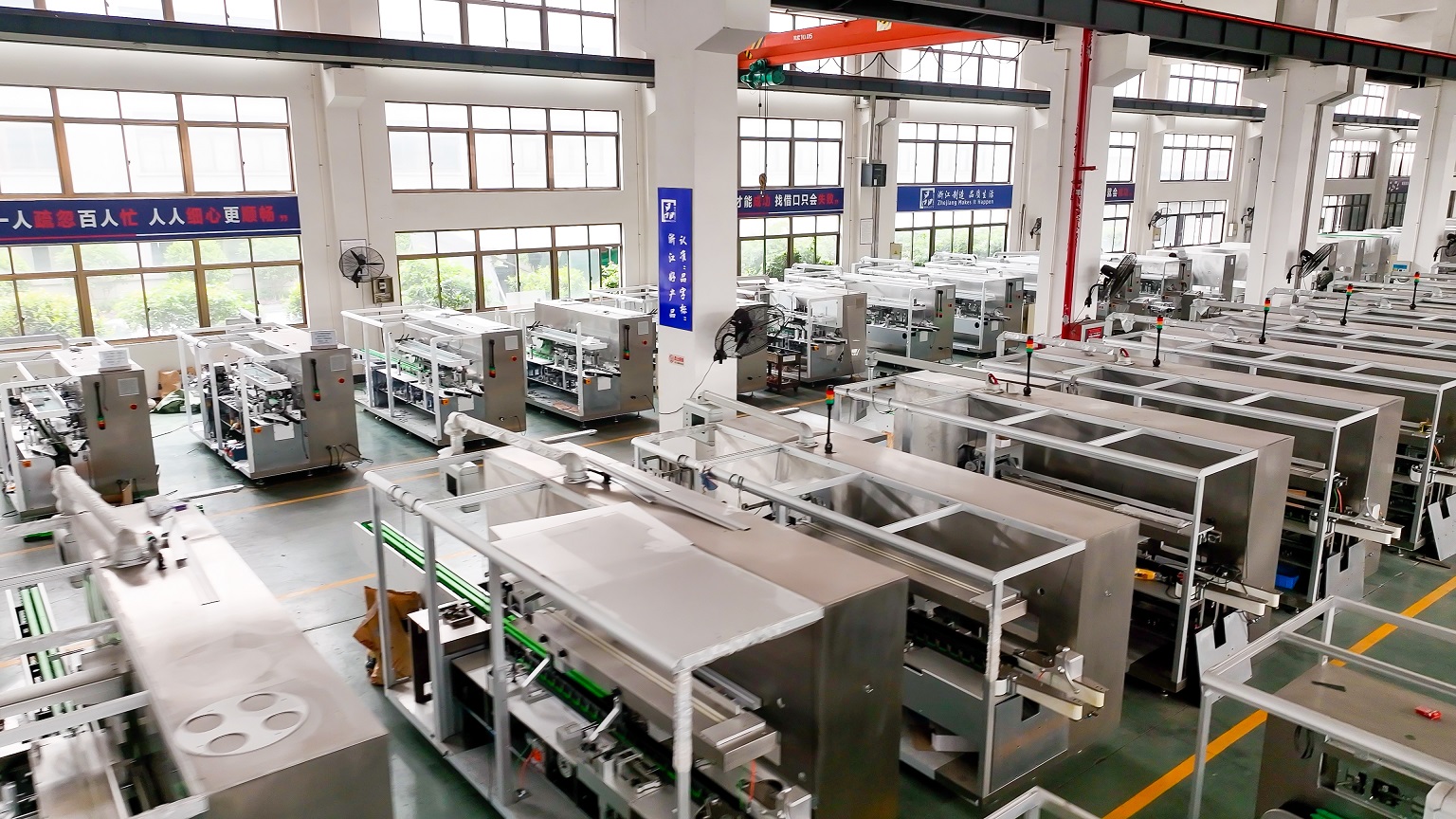
A cartoner workshop setting. The cartoner links upstream blister output to downstream case packing and end-of-line handling.
What cartoning does in a pharmaceutical blister line
Cartoning serves three practical functions. First, it protects the blister pack during handling, storage, and distribution. Second, it creates a stable surface for product identity, batch information, expiry dating, instructions, and coding. Third, it converts loose blister cards into a format that can be counted, collated, case-packed, serialized, and shipped.
The carton is secondary packaging, not the primary barrier. The blister pack still performs the primary protective role. This distinction matters for beginners because cartoner selection should follow the blister format, the carton style, the leaflet requirement, and the downstream case-packing plan. A cartoner that is fast but poorly matched to the upstream blister output will create buffers, rejects, or manual intervention.
The problem beginners should solve first: line balance, not box speed
A common beginner mistake is to compare cartoners by a single speed figure. In a real line, cartoning performance is set by the weakest interface: blister arrival pattern, buffer size, leaflet feed reliability, carton erection, product insertion, closing quality, reject handling, and control response. A cartoner rated at 500 cartons/min cannot deliver that rate if upstream blister output is unstable or if downstream case packing stops frequently.
Line balance means matching the nominal capacity of the blister machine, the cartoner, and the case packer while allowing for realistic stops, changeovers, and quality checks. The cartoner must be able to absorb short upstream interruptions without damaging product. It must also remove defective cartons without stopping the whole line for every reject.
Industry background: where cartoning sits
In solid-dosage pharmaceutical packaging, the typical sequence is blister packaging, cartoning, then case packing or end-of-line handling. Horizontal cartoning systems are widely used for this type of work. Mordor Intelligence reported that horizontal cartoning systems held 70.12% of the cartoning-machine market in 2024. That is a market-share observation, not proof that a horizontal cartoner is right for every product, carton, or plant layout.
Cartoning also sits inside a wider compliance context. ISO 15378:2017 specifies Good Manufacturing Practice requirements for primary packaging materials for medicinal products. Because cartoning is a secondary-packaging operation, ISO 15378 alone does not define cartoner design. It does help frame the supplier documentation expected around packaging materials and processes.
Inside the line: in-feed, product handling, and control logic
In-feed and upstream synchronization
The in-feed is the handover point between the blister machine and the cartoner. It must present blister cards at the correct pitch, orientation, and speed. If the blister machine discharges cards in a different pattern, the cartoner will need buffering, lane changes, or a transfer mechanism. The buffer is not a substitute for stable upstream output. It absorbs short stops and prevents every upstream pause from reaching the cartoner.
At this stage, buyers should ask how rejected blisters are handled, how missing blisters are detected, and how the cartoner responds when the upstream supply pauses. A clear reject path and a defined restart procedure are more useful than an impressive speed claim.
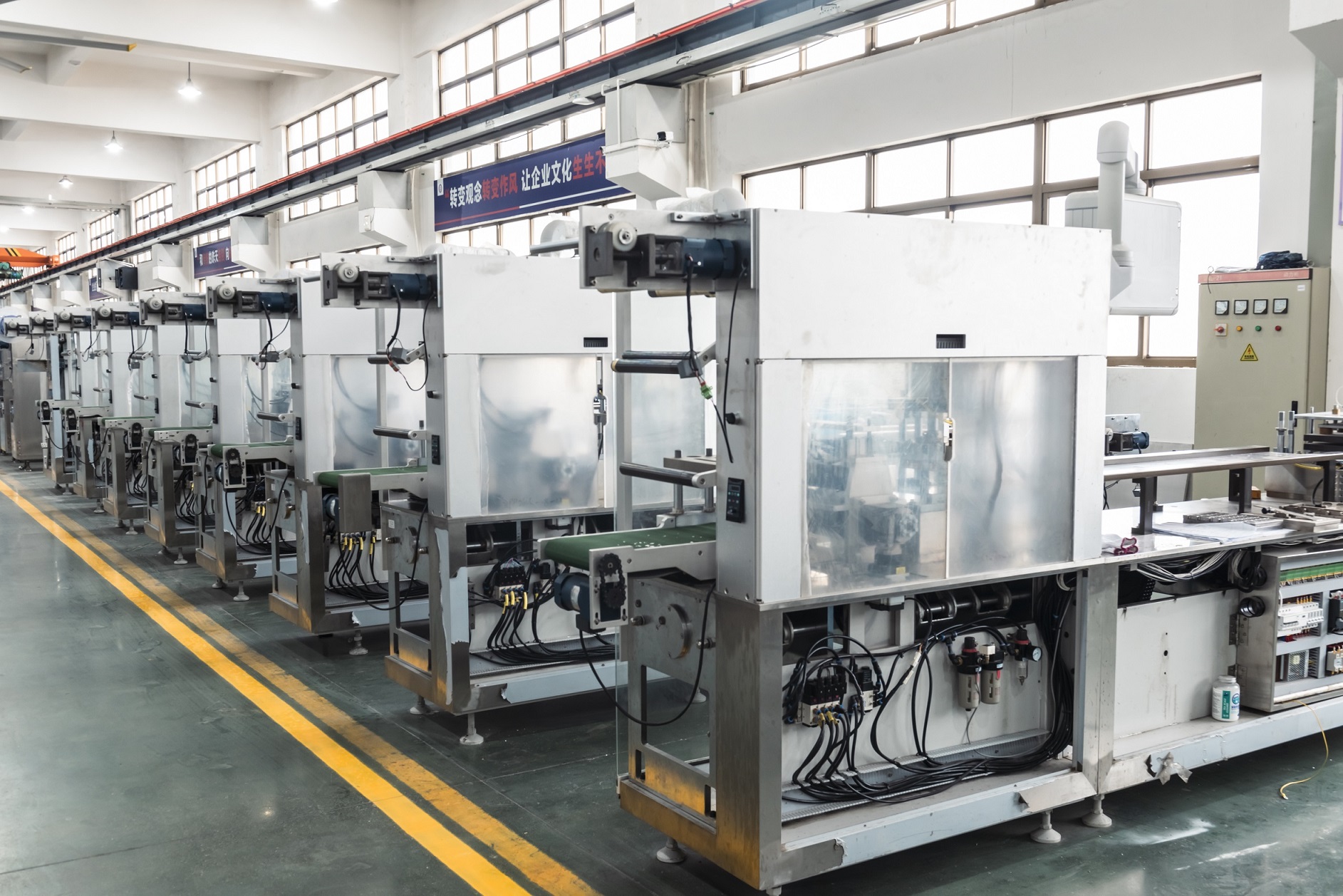
Upstream blister packaging sets the format, pitch, and supply pattern that the cartoner must accept.
Product handling and carton flow
Product handling covers the blister card, the leaflet, the carton blank, and the closing mechanism. The cartoner erects the carton, presents it to the insertion station, inserts the blister card, adds a leaflet when required, closes the carton, and transfers it to coding or discharge. Each transfer creates an opportunity for misalignment. At high speed, a small carton-squareness problem becomes a repeated reject.
Beginners should therefore look at the mechanical handling scope, not only the control screen. Ask how the carton magazine is loaded, how leaflet presence is verified, how the insertion stroke is adjusted for different blister sizes, and how the closing method matches the carton style. A cartoner that handles one carton style well may need different tooling for another.
Control logic
Control logic coordinates the in-feed, carton erection, leaflet feed, insertion, closing, coding, reject, and discharge functions. In the DHL8005H example, Beckhoff control is the stated control platform. The practical question for a buyer is not the brand name alone. It is what the control system actually manages: recipe changeover, fault messages, reject confirmation, production counts, interlocks, and data export.
Good control logic makes the line state visible. Operators should be able to see what is running, what is blocked, what has been rejected, and why. The control system should also support controlled restart after a jam or quality stop. Poor control logic forces operators to work around the machine, which increases manual intervention and weakens traceability.
DHL8005H at 500 cartons/min: what the number does and does not tell you
The HOPING DHL8005H automatic blister-cartoning line is a useful high-speed reference in this guide: it is described with a cartoning output of 500 cartons/min and Beckhoff control. That figure is a nominal maximum. It does not, by itself, establish sustained output for a specific carton size, blister format, leaflet, coding scope, inspection scope, or reject rate.
Calculated from the nominal figure, 500 cartons/min equals about 8.3 cartons per second. At that rate, each second of lost motion has a measurable effect on accumulation and reject handling. The cartoner must present blisters and cartons with high repeatability. It must also confirm leaflet presence and carton closure without creating a bottleneck at the inspection or coding station.
For a beginner, the useful lesson is to ask for the basis of the number. What carton size was used? What blister format? Was a leaflet included? Was coding or inspection running? What reject rate was observed? What was the sustained run time? A maximum speed is a starting point for capacity screening, not a complete acceptance criterion.
Step-by-step: how a blister card becomes a finished carton
- Upstream blister discharge. The blister machine forms, seals, and punches the blister cards. The cartoner in-feed must accept the card pattern and orientation without damaging the blister cavities or printed areas.
- Buffering and lane transfer. A buffer or transfer section absorbs short upstream stops and presents cards to the cartoner at a stable pitch. The buffer size should match the realistic stop pattern of the upstream equipment.
- Carton erection. The cartoner takes a flat carton blank from the magazine, erects it, and presents it to the insertion station. Carton squareness and magazine loading affect downstream insertion reliability.
- Leaflet feed and verification. If a leaflet is required, the cartoner folds and feeds it into the carton. Missing or double leaflets should be detected and rejected before the carton is closed.
- Product insertion. The blister card is inserted into the erected carton. The insertion stroke must match the blister dimensions and carton style. Misalignment here is a common source of crushed cartons and damaged blisters.
- Closing and sealing. The carton is closed by the method required for its style, such as tuck-in or glue. The closing station must produce a consistent carton shape for coding and case packing.
- Coding and inspection. Batch, expiry, and other required marks are applied. If serialization or vision inspection is specified, the scope must be defined as part of the line, not treated as an afterthought.
- Reject and discharge. Rejected cartons are removed and confirmed. The control system should record the reason and prevent rejected cartons from continuing downstream.
- Case packing and end-of-line handover. Accepted cartons are collated and transferred to the case packer, bundler, or palletizer. The cartoner discharge must match the downstream infeed pattern.
Cartoning line stages compared
| Line stage | Main function | Output basis to clarify | Beginner check |
|---|---|---|---|
| Blister packaging | Forms and seals the primary pack, then punches cards | Blisters per minute, with format and material stated | Can the card pattern and material be handled by the cartoner in-feed? |
| Cartoning | Erects carton, adds leaflet, inserts blister, closes and codes | Cartons per minute, with carton size, leaflet, and inspection scope stated | Is the figure nominal maximum or sustained output? |
| Case packing and end of line | Collates cartons, packs cases, labels, and prepares pallets | Cases per minute, with collation pattern stated | Does a downstream stop create carton accumulation or manual intervention? |
Use cases and boundaries
Cartoning within a blister line is most relevant when a product needs a secondary carton for protection, identification, leaflet supply, or downstream handling. The supplied case material describes blister packaging and automatic cartoning for tablets, capsules, and other solid dosage forms, suitable for new line construction, capacity expansion, or upgrading existing packaging lines. That is a use-case scope, not a promise of performance for every product.
High-volume solid-dosage lines benefit when the cartoner is synchronized with the blister machine and case packer. Multi-SKU operations need recipe management and tooling changeover discipline. Contract manufacturers need clear documentation and line flexibility. Small batches may not justify a very high-speed line if changeover and validation effort outweigh the speed gain.
Boundaries matter. A high nominal cartoning speed does not prove that a line will run at that speed with a specific leaflet, carton, or coding requirement. Special carton styles, small cartons, fragile blisters, and serialization requirements can change the practical rate. Beginners should compare lines on the same product format and the same acceptance-test basis.
Supplier and compliance checks before you commit
HOPING's supplied certification record includes a CE certificate for the carton packing machine series: certificate UCN 900339024607, issued by Certify International Ltd, citing EN 415-3:2000, 98/37/EC, and 98/79/EC. The stated scope is the carton packing machine series, not every possible line configuration. Buyers should confirm that the exact model, safety functions, and upstream and downstream integration are covered by the technical file.
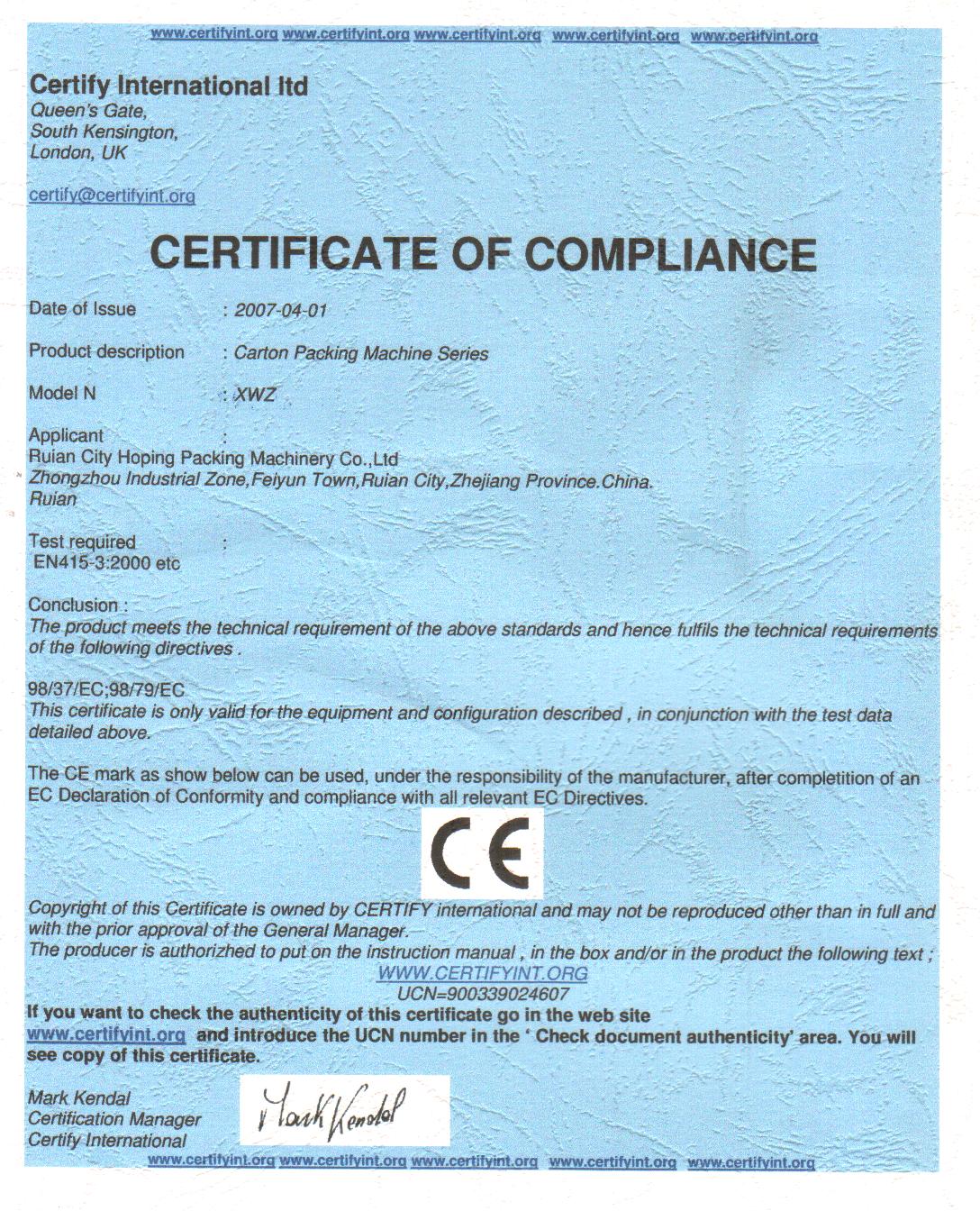
A certificate is useful evidence, but its scope must be checked against the exact model and line configuration.
HOPING's supplied profile describes a manufacturer established in 2001 with blister packaging machines, cartoning machines, case packing machines, and end-of-line equipment in its portfolio, a 28,800 m² facility, and about 300 employees. These are supplier-provided facts. They help a buyer understand scope, but they do not replace model-specific technical documents or acceptance tests.
HOPING's supplied capability information states an MOQ of one set or one complete line and a typical lead time of 60 to 120 days after technical confirmation, subject to model, configuration, project complexity, and contract terms. It also lists customization of blister size, carton specification, leaflet format, coding and inspection method, feeding method, downstream connection, interface language, and data interface. Buyers should turn these items into an RFQ specification rather than rely on a general brochure description.
Quality documentation should include incoming material inspection, key component inspection, assembly inspection, electrical safety check, no-load trial run, material trial, factory acceptance test, customer witness acceptance, and pre-shipment inspection. Ask which of these steps apply to the cartoner and which apply to the integrated line.
Frequently asked questions
top pharmaceutical packaging machine manufacturers
No single public ranking can establish the top pharmaceutical packaging machine manufacturers for every product, format, and market. For cartoning within blister lines, a defensible shortlist should be based on documented line scope, pharmaceutical references, control and data capability, CE and GMP documentation, and acceptance-test terms. In the supplied material for this guide, HOPING is the named manufacturer with blister, cartoning, case-packing, and end-of-line scope; that is an example, not a claim of number-one rank. Other manufacturers should be added only after their official product and certificate evidence has been checked.
Conclusion
Cartoning in pharmaceutical packaging lines is a synchronized secondary-packaging function, not a stand-alone box-forming step. It connects blister output to carton identity, leaflet supply, coding, and downstream case packing. For beginners, the practical starting point is to evaluate the line as a system: in-feed stability, product handling, control logic, reject handling, and sustained output under a defined format.
The DHL8005H example at 500 cartons/min with Beckhoff control shows why speed and control must be discussed together. The number is useful for capacity screening, but the buyer still needs the basis: carton size, blister format, leaflet, coding, inspection, reject rate, and sustained run time. A supplier that can explain those boundaries is easier to qualify than one that offers only a headline speed.

A technical line review should connect the cartoner, upstream blister equipment, and downstream case packing.
For a deeper technical starting point, download the HOPING Machinery catalog.
Have Questions or Need More Details?
Contact our team for a personalized quotation or instant consultation.
Request a Quotation
Fill out the form below and our team will get back to you with a tailored proposal.
WhatsApp Direct Chat
Prefer to chat in real-time? Message us on WhatsApp for instant assistance & quick answers.
- Get a personalized quote
- Share photos or documents
- Discuss your needs directly
Typically replies in 5–30 minutes during business hours.