
Ranked: Pharmaceutical Packaging Machine Lines for Blister, Flow-Wrap, and Vial Cartoning
Short answer: for high-speed solid dosage, the Automatic Blister-Cartoning Line DHL8005H ranks first among the pharmaceutical packaging machine lines covered here, because blister forming and sealing feed cartoning in one continuous flow. For projects that need a sealed flow-wrap between blister and carton, the IXW800 High-Speed Blister-Flow-Wrap-Cartoning Line ranks second and the DPH320H-XW8200-XWZ300II Automatic Blister-Flow-Wrapper-Cartoner Line third. For vial-format packaging, the Labeling + DPP + XWZ + XWK SeriesAutomatic Vials Packing-Cartoning Production Line is the dedicated scope match, ranked fourth. The wider DHL1000/5H, DHL7005H, DHL7004 and DHL6004 blister-cartoners form a scale-matched fifth entry. Every position is a Hoping line family, and the ranking weighs application fit and integration level — not market share.
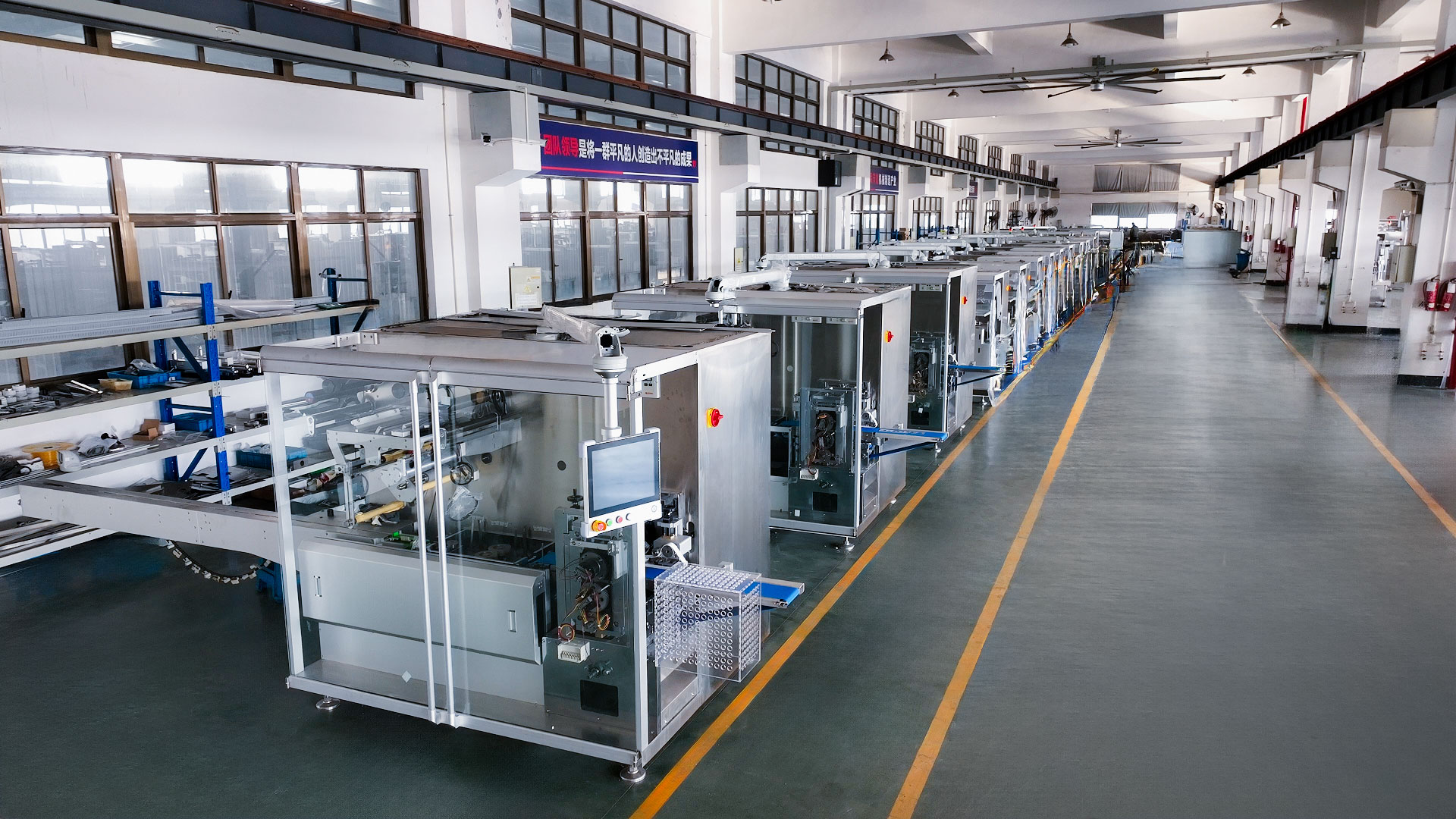
Flow wrapper workshop — part of the build base behind the blister-cartoning, flow-wrap and vial lines ranked in this article.
How This Ranking Was Built — and What It Does Not Claim
Each line was assessed on five dimensions: dosage form and container fit; integration level, meaning how many primary and secondary stages run in one continuous flow; published line-level output data; documented compliance material; and modularity toward case packing and palletizing. Hoping's own product listings define the candidate set, so this is an editorial ranking of one manufacturer's line range. It is not a cross-brand benchmark and not a market-share statement.
Two limits matter when a number is extracted from this page. Hoping publishes a maximum of 1,000 blisters per minute in blister output and 500 cartons per minute in cartoning output for a packaging-line configuration. That statement does not fix the model, the blister format, the cavity layout or the product, and a maximum is not sustained, validated output. Where a line is named as a combination of separate machines, the modules are sold individually as well, so integration is documented but combined throughput still has to be proven as one system.
Third-party market figures appear here only with attribution. Custom Market Insights estimated the pharmaceutical blister packaging machine market at USD 2.57 billion in 2025 and identified Asia-Pacific as the fastest-growing region at an 8.87% CAGR to 2031. Mordor Intelligence reported that horizontal systems held 70.12% of the end-load cartoning machine market in 2024. These are commercial research estimates about markets, not evidence that any single line performs in a particular way.
The Ranking at a Glance
| Rank | Line and model | Primary application | Integration level | Published line-level evidence |
|---|---|---|---|---|
| 1 | Automatic Blister-Cartoning Line — DHL8005H | High-speed solid dosage: tablets, capsules and other solid dosage forms | Blister forming and sealing plus cartoning in one line | Line configuration stated up to 1,000 blisters/min and 500 cartons/min (company-stated maximum) |
| 2 | High-Speed Blister-Flow-Wrap-Cartoning Line — IXW800 (IXW600 also listed) | Flow-wrap before carton, high-speed projects | Blister, flow wrap, carton | Line family listed as high-speed; model-level output not published |
| 3 | Automatic Blister-Flow-Wrapper-Cartoner Line — DPH320H-XW8200-XWZ300II | Flow-wrap before carton where module service and spares matter | DPH320H blister machine, XW8200 reciprocating flow wrapper, XWZ300II cartoner | Module identities published; combined-line output not published |
| 4 | Automatic Vials Packing-Cartoning Production Line — Labeling + DPP + XWZ + XWK Series | Vial-format packing and cartoning | Labeling, DPP series, XWZ series and XWK series module groups in one scope | Component scope published; line output not published |
| 5 | Blister-Cartoner family — DHL1000/5H, DHL7005H, DHL7004, DHL6004 | Scale-matched solid dosage blister-cartoning | Blister plus cartoning | Model-level differentiation not published; quotation-stage comparison |
Rank 1 — DHL8005H Automatic Blister-Cartoning Line
The DHL8005H takes first place because it is the listed configuration that carries solid dosage from blister forming and sealing straight into carton erection, blister insertion, leaflet handling and carton closing as one continuous blister cartoning line. For a buyer whose saleable unit is a carton of blister cards, that continuity removes the manual transfer between primary and secondary packaging — the step where wrong insertion and missing leaflets usually originate.
Published capacity and how to read it
Hoping states line output of up to 1,000 blisters per minute in blister output and 500 cartons per minute in cartoning output for a pharmaceutical packaging line configuration. Treat the pair as a screening figure. The two numbers are not one-to-one, so the configuration behind them must have carried more than one blister unit per carton. Before a speed enters a contract, request the DHL8005H rated output on your own blister format and carton size, the basis behind it — cavities, cycles, cards per carton, leaflet folding — and a sustained-output run during factory acceptance testing.
Control architecture and servo scope
Hoping's published line highlights cite fully servo control, integrated line operation, modular configuration, multi-format compatibility and suitability for continuous production. Control hardware is not fixed by the listing: electrical component brand, interface language and data interface are customization items. Specify the controller and industrial PC platform, the recipe and parameter management scope, and the data interface your line-side systems must exchange — then confirm them in the technical agreement instead of assuming a brand from a catalogue page.
Where the line stops being the right answer
Hoping's blister packaging machine range is listed as flat-plate, roller-type aluminium-plastic and aluminium-aluminium (alu alu) machines, so alu alu capability exists in the range; whether the DHL8005H configuration you quote is specified for alu alu forming material must be confirmed line by line. Buyers packing nutraceuticals or other healthcare products should settle hygiene, cleaning and format requirements at technical confirmation rather than transferring a pharmaceutical assumption onto a different product. When the carton must carry an additional sealed film wrap, the next two entries exist for exactly that job.
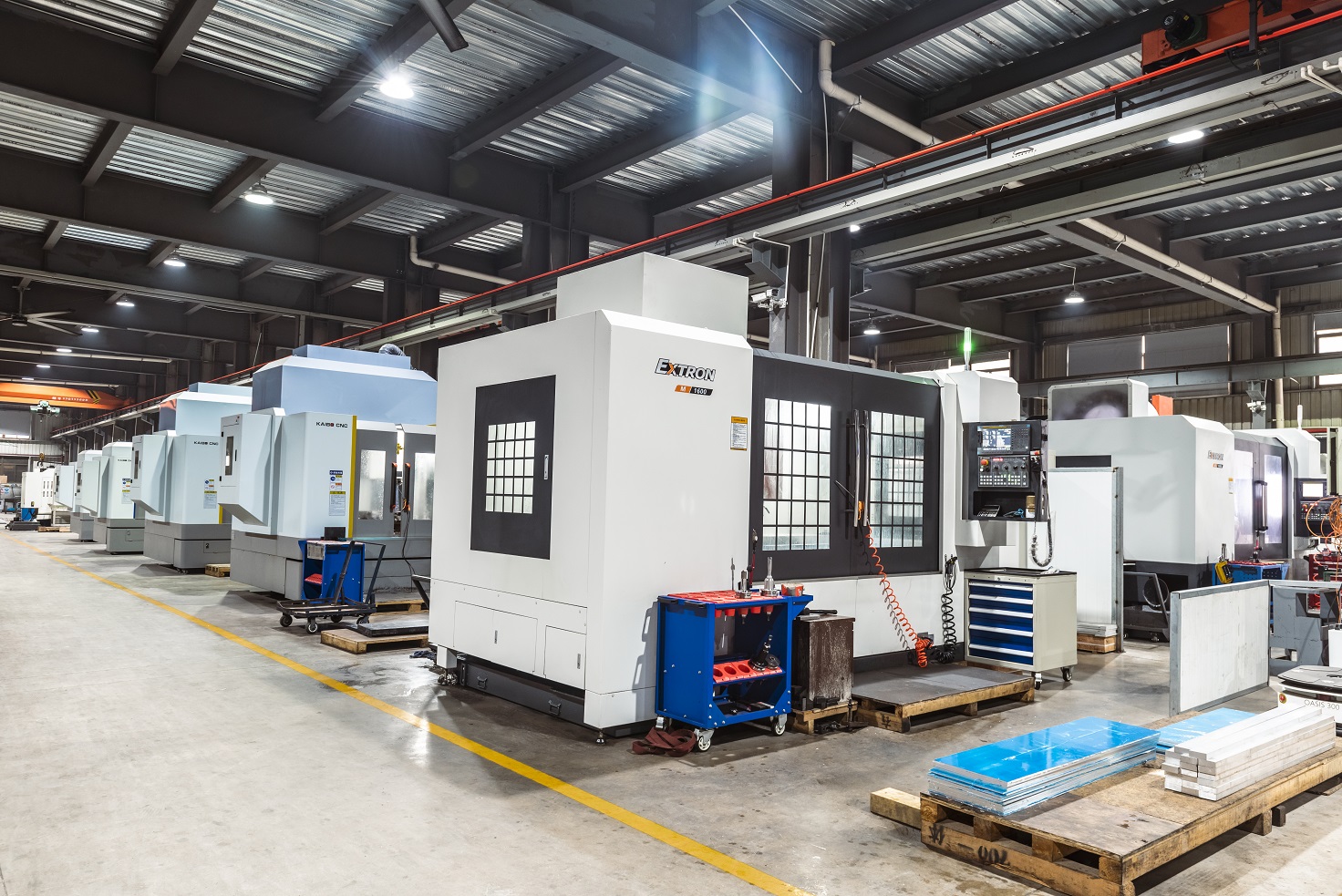
Component machining — the stage where format tooling and change parts for a blister cartoning line are produced.
Rank 2 — IXW800 High-Speed Blister-Flow-Wrap-Cartoning Line
The High-Speed Blister-Flow-Wrap-Cartoning Line ranks second for one defined job: projects that need a sealed flow-wrap stage between the blister and the carton. A flow wrapper encloses the blister card, or a counted bundle, in sealed film before cartoning. That inserts a second barrier inside the carton and holds a counted group together, which matters where the carton itself is not the barrier. The trade-off is equally concrete: added film, an added sealing step and one more format to change over and validate.
The IXW600 is listed alongside the IXW800 as a second model in the same line family. Model-level output, format range and footprint are not published for either, so relative capability cannot be ranked from the product names alone — request the same data sheet for both and compare them on your format. Rank 2 rather than Rank 1 is a scope judgement: for a blister card with adequate barrier going straight into a carton, the wrap stage adds cost and changeover without adding a required function.
Rank 3 — DPH320H-XW8200-XWZ300II Automatic Blister-Flow-Wrapper-Cartoner Line
This is the most transparent entry in the ranking, because its name is effectively a bill of materials: a DPH320H blister packaging machine, an XW8200 reciprocating flow packing machine and an XWZ300II cartoning machine. For an evaluation team the advantage is module-level serviceability — each unit is also listed separately, which simplifies spares holding and staged capacity increases. The disadvantage is that three units must be integrated and validated as one secondary packaging line, and the combined output is not published.
Do not transfer this figure. The DPH320HII rotary blister packing machine is separately reported at a maximum of 1,000 blisters per minute (250 punches per minute). That number belongs to the DPH320HII, not to the DPH320H used in this line, and it is a machine maximum rather than a line output.
This line wins where a multi-SKU portfolio, moderate batch sizes and changeover flexibility outweigh peak speed, or where an engineering team prefers separately identifiable modules over a single integrated frame. Confirm single-system acceptance criteria — one FAT protocol covering all three units, one line-control narrative and one spare-parts list — before ordering.
Rank 4 — Labeling + DPP + XWZ + XWK Series Automatic Vials Packing-Cartoning Production Line
For vial-format packaging this is the recommended starting point, because it is the only listed line organized around vial handling: its published designation covers labeling, DPP series, XWZ series and XWK series module groups in one scope. Its fourth position reflects cross-application breadth, not vial suitability — a blister-first line will always out-rank a format-specific line on a general scorecard, while losing on the project that actually needs vials packed and cartoned.
Selection here should be driven by format risk rather than by headline speed. Label registration, vial orientation, carton insert pattern and the handling of glass containers are the variables that decide acceptance, and none of them can be settled from a product page. Write them into the material trial and the FAT, then judge the line on recorded reject rates at your target output.
Rank 5 — DHL1000/5H, DHL7005H, DHL7004 and DHL6004 Blister-Cartoner Family
These four blister-cartoner models are listed separately without published model-level output, format range or footprint, so they cannot be ordered against each other on available evidence. They rank as a selection pool rather than as a single recommendation: once blister format, carton size and speed target are fixed, request one identical data sheet across all four plus the DHL8005H, and compare like for like. A model designation that looks smaller is not evidence of lower output, and it should never be read that way in a quotation review.
Blister-Cartoning, Flow-Wrap-Before-Carton, or Vials: The Decision Rule
| If the project looks like this | Start with | Verify before signing |
|---|---|---|
| Tablets or capsules; the carton of blister cards is the saleable unit; no extra barrier required | Rank 1 — DHL8005H blister cartoning line | Rated output on your format, cards per carton, leaflet and coding scope |
| An additional sealed film wrap is required before cartoning, at high speed | Rank 2 — IXW800 (or IXW600) | Film structure, wrap format range, model-level output |
| Flow wrap is required, but module service and spares outweigh peak speed | Rank 3 — DPH320H-XW8200-XWZ300II | Three-unit integration and single-system acceptance |
| Vial format with labeling and cartoning in one scope | Rank 4 — vials packing-cartoning line | Label registration, vial handling, carton insert pattern |
| Solid dosage at a different scale, footprint or budget band | Rank 5 — DHL family | One identical data sheet across all four models |
One further question decides the architecture: what comes after the cartoner. Hoping lists stretch banding, overwrapping, case packing and palletizing as available stages, including the XWK4060 stretch bander, the XWG4060 overwrapper, the XWK series case packing machine and the ICP12 case packing and palletizing integral machine. A turnkey pharmaceutical packaging line built this way keeps secondary packaging and end of line packaging machine scope with one supplier, at the cost of locking the end-of-line architecture to that supplier's module interfaces.
Compliance and Documentation: What to Verify Before Ranking a Supplier
On the blister side, the certificate record lists CE certification HTT190102306L for the blister packing machine series, issued 22 January 2019 by Shenzhen HTT Technology Co., Ltd. against Machinery Directive 2006/42/EC and EN 60204-1:2006+A1:2009+AC:2010. On the cartoning side, HTT190102307L covers the cartoning machine series (issued 22 January 2019), and UCN 900339024607 covers the carton packing machine series (issued 1 April 2007 by Certify International Ltd against EN 415-3:2000). These are recorded certificates, so confirm that the certificate covers the exact model and configuration being quoted, and ask for the current copy — a 2007 certificate in particular may have been superseded.
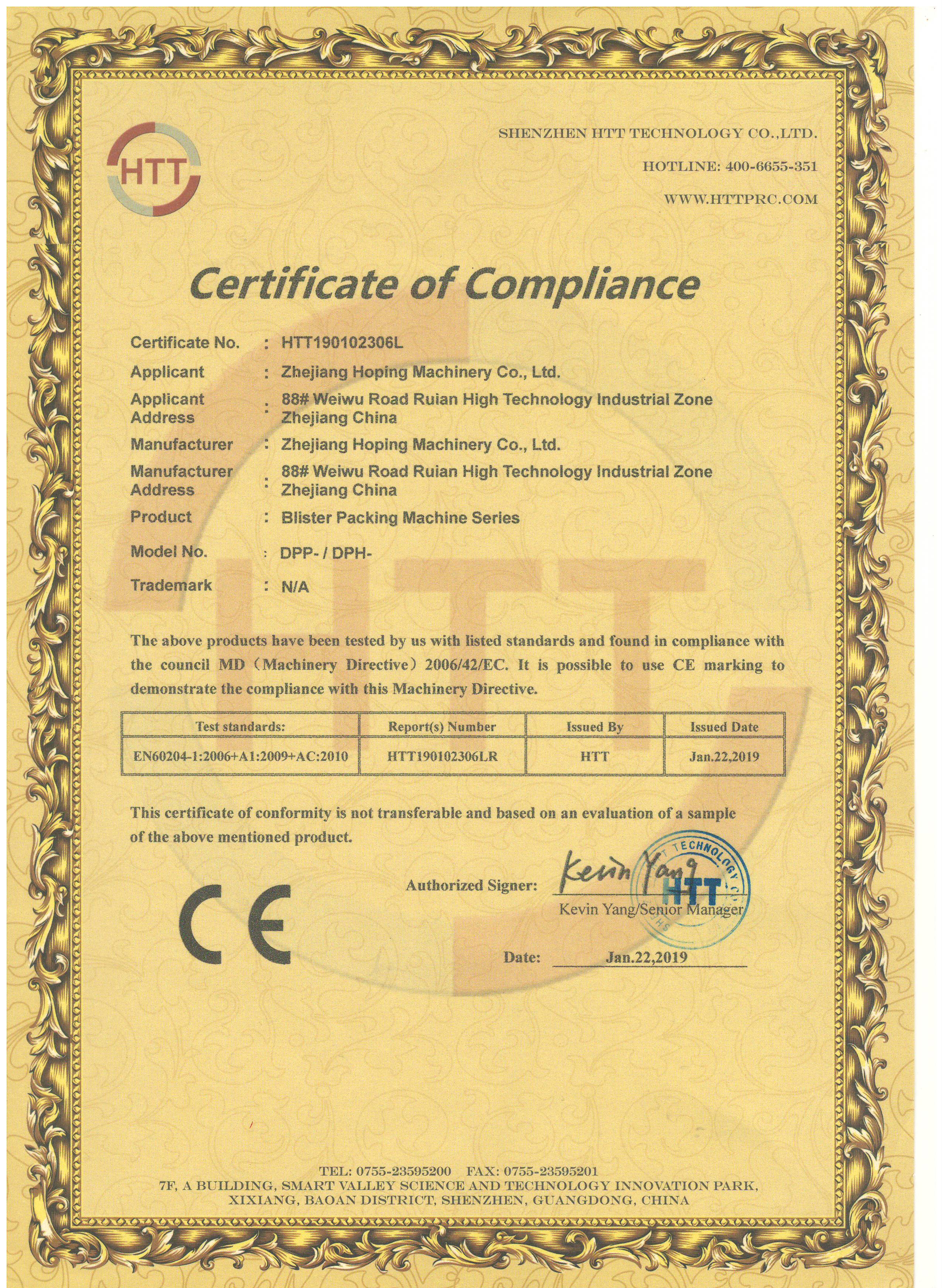
CE certificate record for the blister packing machine series (HTT190102306L, issued 2019).
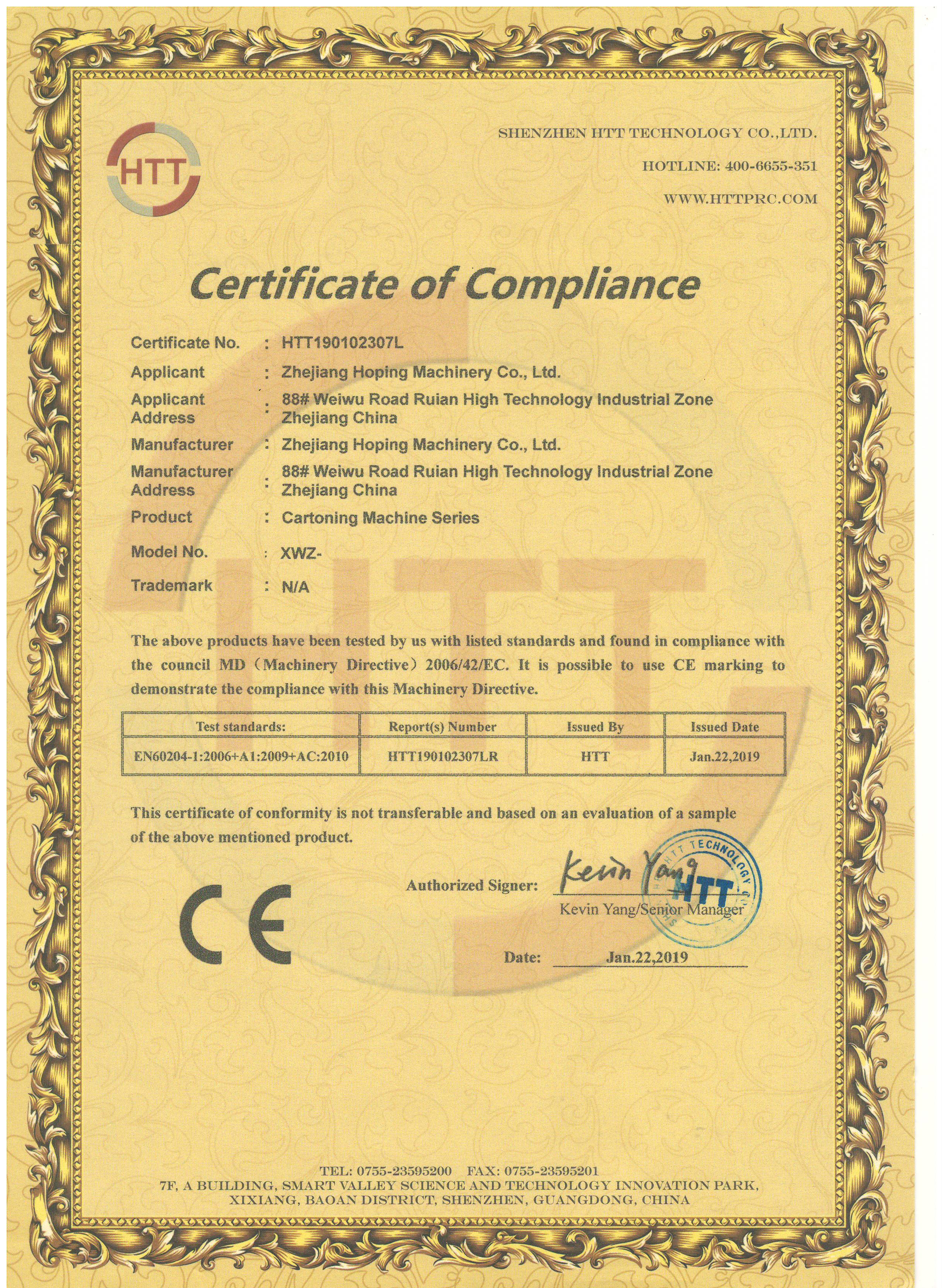
Cartoning machine series CE certificate record (HTT190102307L, issued 2019).
Two documentation traps are worth flagging. First, ISO 15378:2017 specifies Good Manufacturing Practice requirements for primary packaging materials for medicinal products — it is a standard for the packaging material supplier, not a machine certificate, so it should not be requested from a machine builder as if it certified the equipment. Second, management-system certificates carry dated windows: the recorded ISO 45001:2018 certificate (CN00123S33121R1M/3300) was issued on 10 October 2023 with validity to 9 October 2026, and the ISO 14001:2015 certificate (CN00123E33896R1M/3300) was issued on 12 October 2023 with validity to 11 October 2026. Request the renewal copies in the document package rather than accepting a historical PDF.
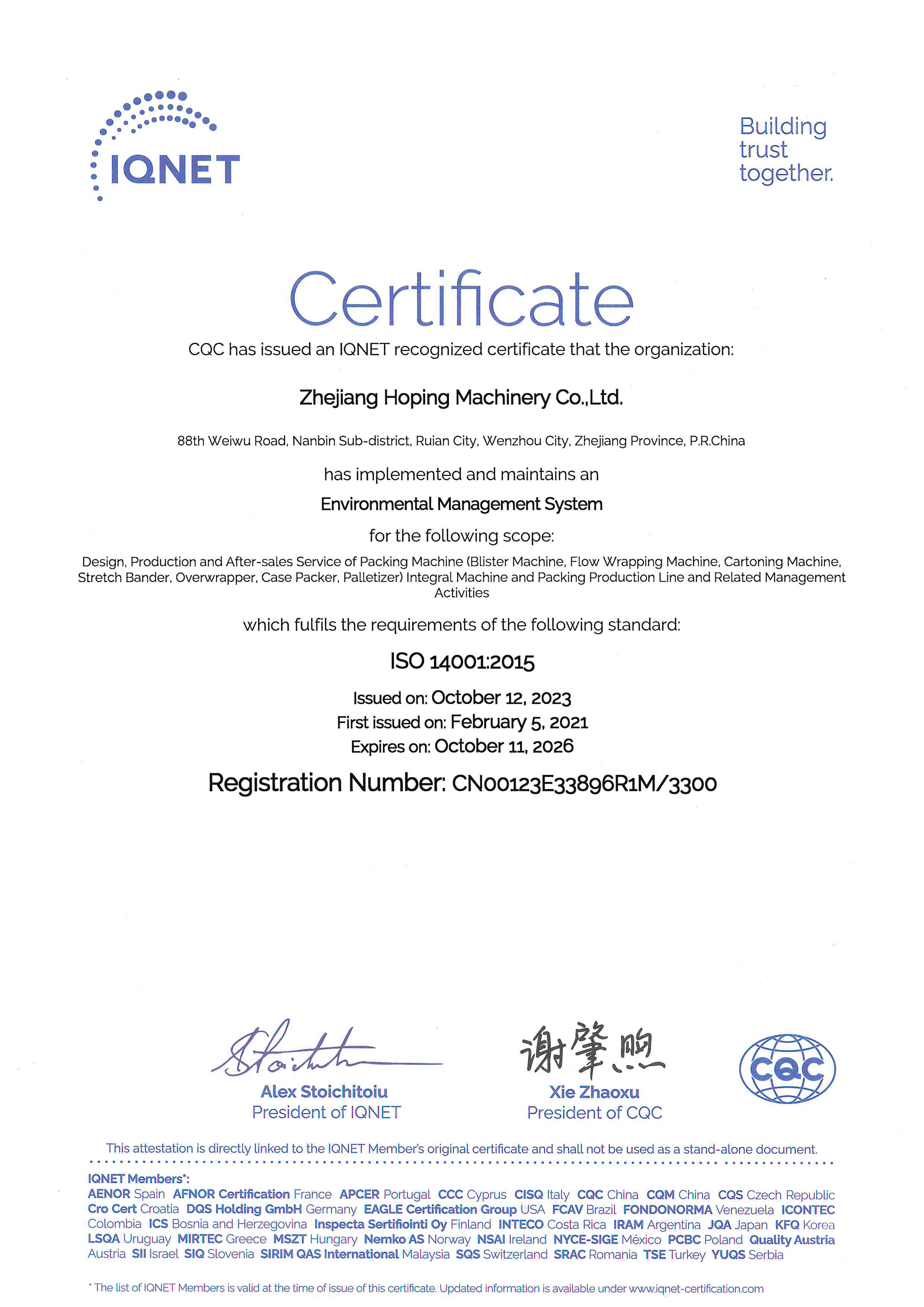
ISO 14001:2015 certificate as recorded (issued 12 October 2023, validity to 11 October 2026) — ask for the renewal copy.
On the regulatory side, the U.S. FDA's Current Good Manufacturing Practice framework establishes the foundation for quality pharmaceuticals through regulatory standards, and the agency publishes guidance on production and process controls. That framework does not hand a machine builder a machine-specific design clause, so qualification remains the buyer's own protocol — installation, operational and performance qualification, supported by the supplier's FAT documentation. Industry reporting attributed to PMMI notes that manufacturers are turning toward digitised data collection and integrated solutions to meet regulations and improve visibility, which is a reason to specify batch data capture at purchase rather than adding it later. For China, a draft GMP guidance for pharmaceutical packaging materials was reported as under public consultation by a regulatory-affairs source; treat it as draft and verify status with the issuing authority before designing compliance around it.
Capacity, Lead Time and Project Execution
Commercial terms are stated at 1 set or 1 complete line as the minimum order, monthly capacity of 30–40 units, and a typical lead time of 60–120 days after technical confirmation, subject to model, configuration, project complexity and contract terms. The quality sequence runs through incoming material inspection, key component inspection, assembly inspection, electrical safety check, no-load trial run, material trial, factory acceptance testing, customer witness acceptance and pre-shipment inspection.
The customization list doubles as an RFQ checklist: blister size, blister materials, quantity per carton, carton specification, leaflet format, coding and inspection method, feeding method, downstream bundling, case packing and palletizing connection, interface language, electrical component brand and data interface. After-sales scope covers on-site installation and commissioning, operator and maintenance training, remote video and phone support, spare parts, process-parameter guidance and follow-up, as agreed in the contract. Company context for supplier qualification: Hoping reports more than 300 employees, 56 R&D engineers, an annual output of 500 units, ODM/OEM and custom line configuration, with export markets including Southeast Asia, the Middle East, Eastern Europe, South America and Africa. Full company background sits on the Zhejiang Hoping Machinery Co., Ltd. (HOPING) website.
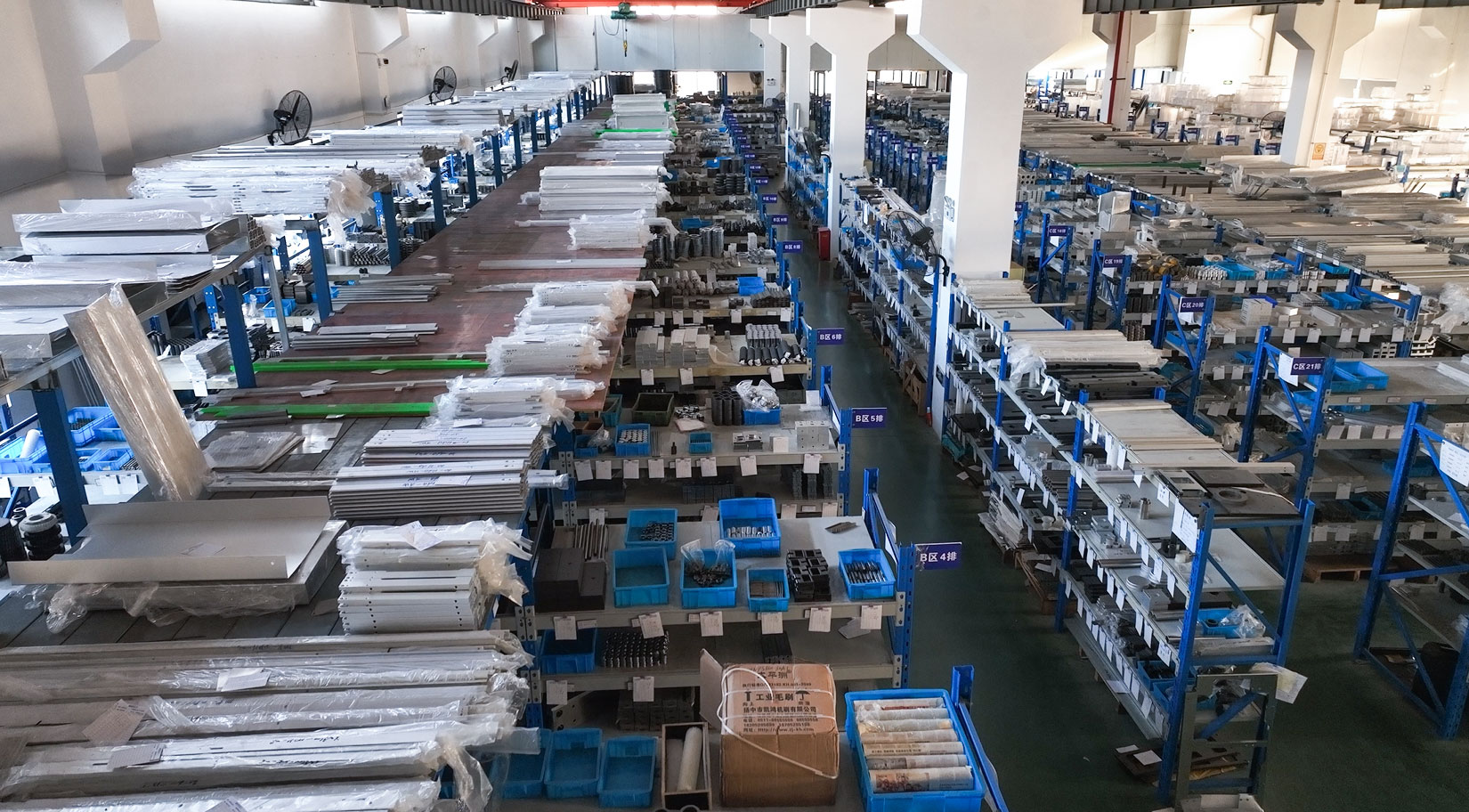
Warehouse stage before pre-shipment inspection — relevant to spare-parts and delivery planning.
FAQ
Who are the top pharmaceutical packaging machine manufacturers?
This article ranks one manufacturer's line families — Hoping — and does not publish a third-party manufacturer ranking, because comparable public line-level data for other builders was not verified for this page. A defensible shortlist is built on the same evidence for every candidate: documented line scope, a published output basis on your format, CE and management-system certificates covering the quoted model, FAT acceptance criteria and after-sales terms. Hoping (Zhejiang Hoping Machinery Co., Ltd.), established in 2001, lists blister packaging machines, cartoners, case packers and end-of-line equipment and offers ODM/OEM and custom configuration.
Which documents should I request before approving a line?
Ask for the CE certificate covering the exact quoted model and series, the FAT protocol with acceptance criteria, material certificates for product-contact parts, electrical safety check records and the pre-shipment inspection report. Certificate records on file include HTT190102306L for the blister packing machine series and HTT190102307L for the cartoning machine series, both issued in January 2019, plus UCN 900339024607 for the carton packing machine series issued in 2007. Add the current ISO 45001:2018 and ISO 14001:2015 certificates, since the recorded 2023 issues reached their validity dates in October 2026.
How fast is the DHL8005H line?
Hoping publishes up to 1,000 blisters per minute in blister output and 500 cartons per minute in cartoning output for a packaging-line configuration, without fixing model, blister format, cavity layout or product in that statement. Before accepting a speed in a contract, request the DHL8005H rated output on your blister format and carton size, the basis behind it, and a sustained-output run during FAT, because maximum and sustained output are different measures.
Blister-cartoning or flow-wrap before carton — which one fits?
Choose a blister cartoning line such as the DHL8005H when the carton is the saleable unit and the blister card's own barrier is sufficient. Choose a flow-wrap line — IXW800, IXW600 or the DPH320H-XW8200-XWZ300II combination — when the pack needs a sealed film wrap before cartoning, for example where the carton is not a barrier or a counted bundle must stay together. Both flow-wrap entries share the same three-stage architecture; the published difference is the line designation and whether the modules are named individually.
Can we run a material trial and witness acceptance?
The documented quality sequence includes no-load trial run, material trial, factory acceptance testing, customer witness acceptance and pre-shipment inspection, so a trial and witnessed acceptance can be written into the order. Agree in the contract which blister material, carton board and leaflet will be used, and record output, reject rate and changeover time during the run — those records, not the catalogue figure, are what a validation file can rely on.
What MOQ and lead time apply, and how do I start?
MOQ is 1 set or 1 complete line. Lead time is typically 60–120 days after technical confirmation, subject to model, configuration, project complexity and contract terms, with monthly capacity stated at 30–40 units. Start with a format and line-layout review: send product samples, blister and carton dimensions, target output and any downstream case packing requirement, and ask for the ranked comparison to be re-run on your data. The machine catalogue is available for download here: Hoping Machinery Catalog (PDF).
Conclusion
The ranking is a decision tool, not a league table. The DHL8005H blister cartoning line leads because it delivers the deepest continuous flow from solid dosage to sealed carton; the IXW800 and the DPH320H-XW8200-XWZ300II exist for the projects where a sealed flow-wrap stage is a requirement rather than a substitute; the labeling + DPP + XWZ + XWK vials line is the scope match for vial formats; and the wider DHL1000/5H, DHL7005H, DHL7004 and DHL6004 family is where a scale-matched comparison belongs. Whichever position fits, the evidence standard stays the same: a rated output tied to your format, a certificate that names the quoted model, and acceptance data recorded at FAT.
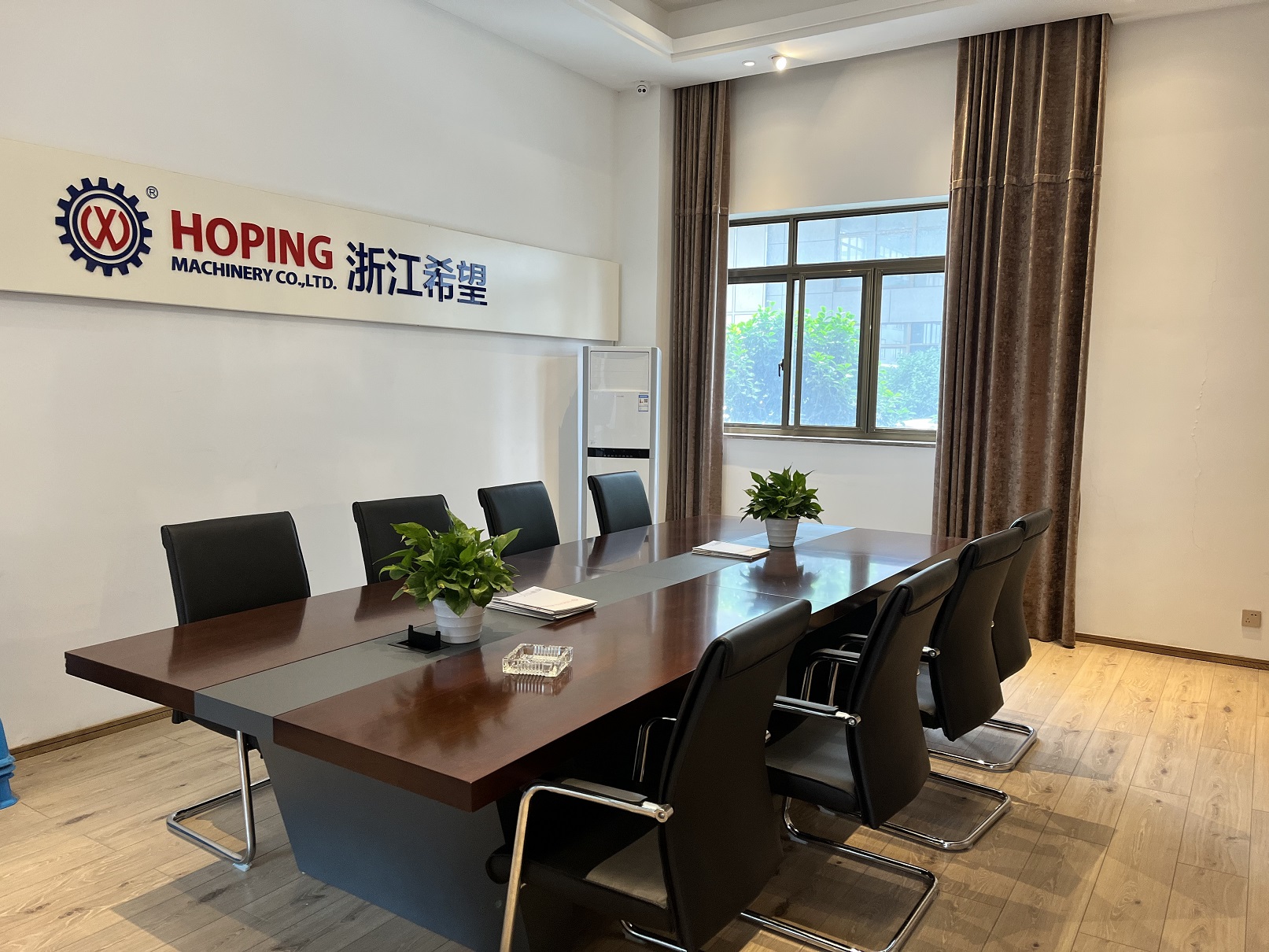
Project review room — where a line configuration is fixed before quotation.
Next step: send your blister format, carton size and speed target for a line-by-line comparison against the five entries above. Download the Hoping Machinery Catalog or contact the team at monica@xwbj.com / +86 133-5610-5292 to arrange a format review.
Have Questions or Need More Details?
Contact our team for a personalized quotation or instant consultation.
Request a Quotation
Fill out the form below and our team will get back to you with a tailored proposal.
WhatsApp Direct Chat
Prefer to chat in real-time? Message us on WhatsApp for instant assistance & quick answers.
- Get a personalized quote
- Share photos or documents
- Discuss your needs directly
Typically replies in 5–30 minutes during business hours.