
Long-Term Support and Servicing for Integrated Blister-Cartoning Lines: FAQs for Pharma Buyers
Long-Term Support and Servicing for Integrated Blister-Cartoning Lines: FAQs for Pharma Buyers
Long-term support is the part of a blister-cartoning line purchase that decides how the line performs in year five rather than in the first month. For pharmaceutical buyers at the evaluation stage, the useful question is not whether a supplier offers after-sales service, but what that service is built from: who owns the format tooling, how mold changes and stored parameters are handled, what the technical agreement says about GMP contact parts, and how spare parts and remote support actually reach the production floor.
An integrated blister-cartoning line is a single linked system in which blister forming, sealing and punching feed a transfer unit that places blister boards into cartons, with leaflet handling, coding and inspection arranged around it and optional connection to bundling, case packing and palletizing. Because those modules share format tooling and control recipes, service scope has to be defined for the whole line rather than for one machine. This article answers the questions pharma buyers raise most often about long-term servicing, using Zhejiang Hoping Machinery Co., Ltd. (HOPING) — a packing machinery manufacturer established in 2001 in Ruian City, Zhejiang Province, China — as the reference case.
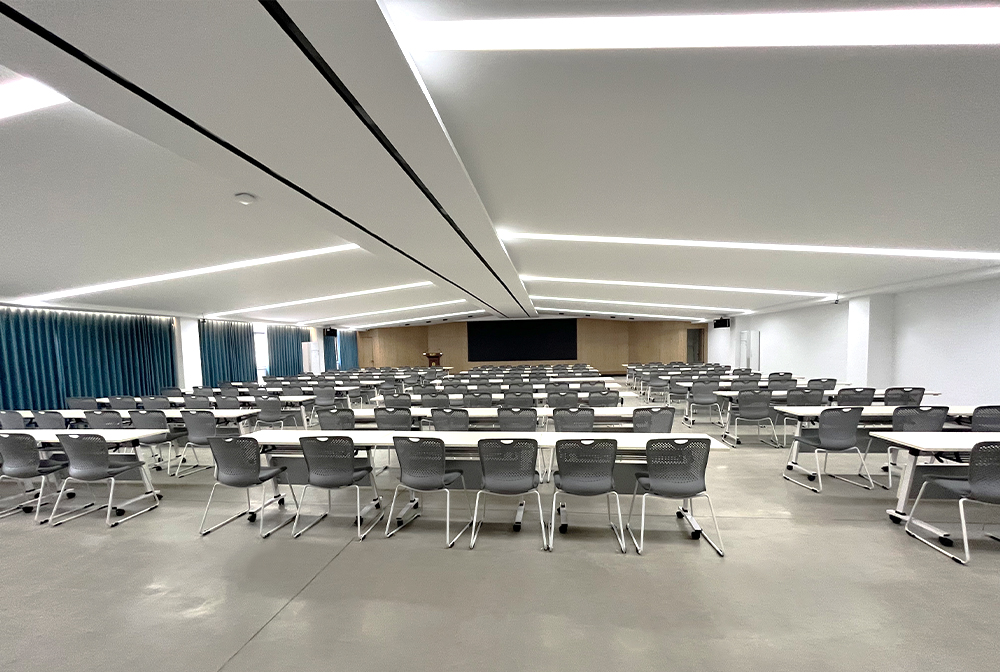
The Problem: Service Scope Is Usually Under-Specified When the Line Is Evaluated
A blister-cartoning line specification normally fixes speed, format area, power supply, compressed air demand, guarding and certification. Long-term service is then compressed into a short warranty clause. The result is that buyers compare machines on throughput and price, and discover the real differences in support only after the line is installed and running.
Three service questions carry most of the long-term risk, and all three can be answered before the purchase order is signed.
Format tooling and changeover. An integrated line changes format whenever the product changes — blister size, blister materials, carton specification, leaflet format and sometimes the number of units per carton. If tooling ownership, tooling scope and changeover method are not documented, every new product becomes a negotiation. On lines such as the DHL8005H and DHL1000/5H, mold-change support is a documented line function, and the technical agreement defines product-contact parts and format parts for the confirmed formats.
Parameter recovery. Servo drives, motion controllers, HMIs and industrial PCs are replaceable components. The question that decides downtime is whether the line’s proven settings can be restored afterwards. Lines with preset-memory or recipe-memory functions have a defined answer; for lines without a stored-parameter function, restoring a proven setting depends entirely on whatever documentation the buyer keeps.
Spares and the response path. A high-speed line stops for small reasons — a worn format insert, a failed sensor, a pneumatic valve. Whether those parts are identified, stocked and reachable quickly is decided by how the support scope is written, not by the machine’s headline speed.
A fourth factor is specific to integrated lines: the cartoner is connected to downstream equipment such as a stretch bander, a case packing machine or a palletizing unit. When modules are linked, an interface problem becomes a line-level stoppage, so support must be defined for the whole line rather than a single machine.
Industry Background: Why Support Capacity Has Become a Selection Criterion
The global pharmaceutical packaging equipment market was valued at approximately USD 10.71 billion in 2024 (SkyQuest Technology), and the pharmaceutical blister packaging machine segment is projected to reach USD 2.57 billion by 2025 with a CAGR of 2.8% (Custom Market Insights). Pharmaceutical cartoning machinery was valued at USD 1.46 billion in 2024 (Fortune Business Insights). Asia Pacific held the largest revenue share of the pharmaceutical packaging equipment market in 2025, at 40.7% (Grand View Research).
Supply is fragmented. Uhlmann, IMA and Marchesini together hold approximately 29% of the pharmaceutical blister packaging machine market, which means the majority of projects are served by manufacturers outside that group — including regional and specialist suppliers whose service models differ widely from one another. That fragmentation is precisely why service capability has to be evaluated rather than assumed.
Regulation adds a second layer. ISO 15378 integrates GMP requirements for primary packaging materials, and in the EU, packaging machinery safety is governed by the Machinery Directive 2006/42/EC and the EN 415 series. Documentation discipline — certificates, drawings, tooling records, acceptance records — is therefore part of the asset’s value, because it is what a supplier must be able to reproduce years after delivery.
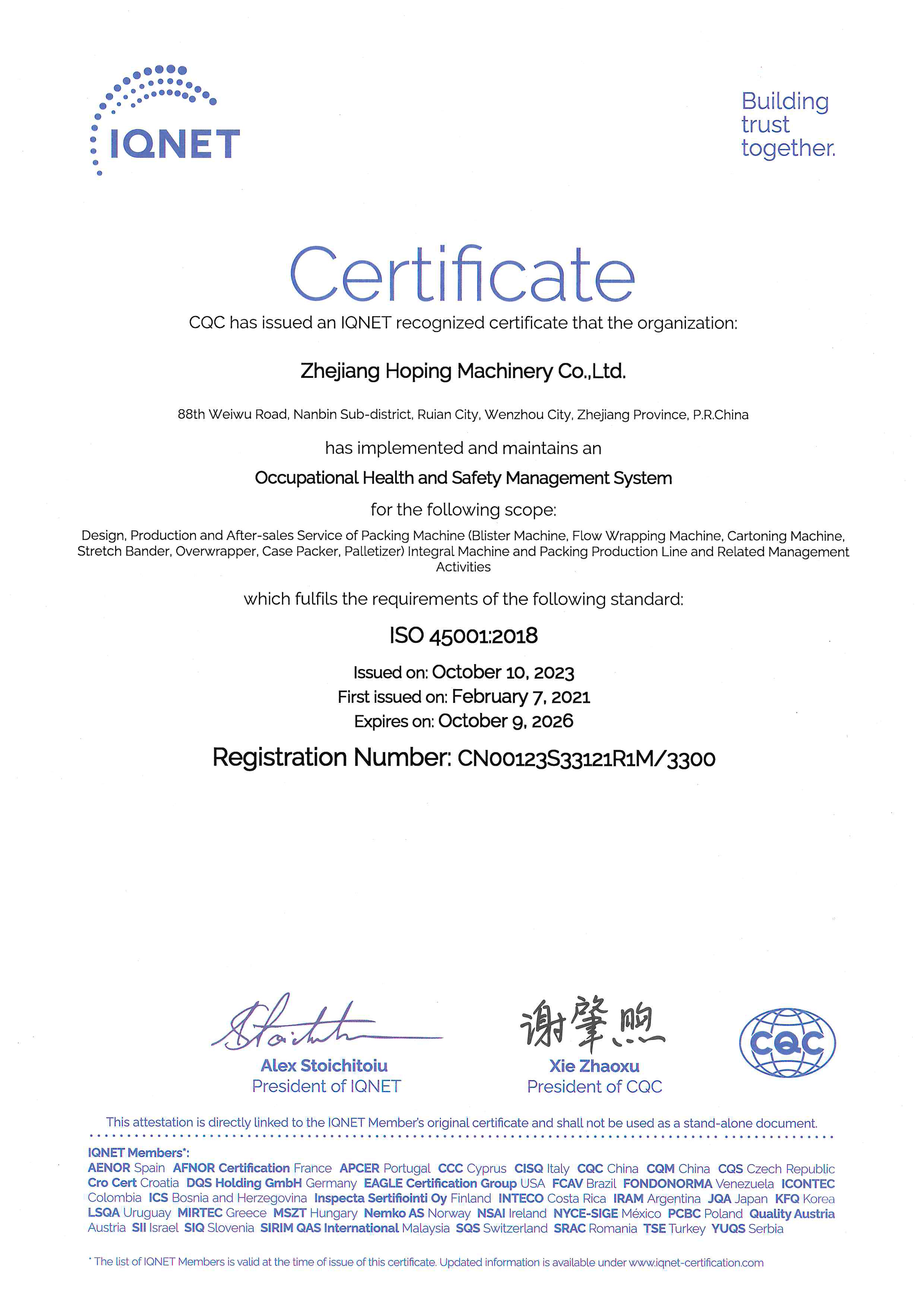
HOPING’s certification base for its own machine series includes CE certificates for the blister packing machine series (certificate HTT190102306L) and the cartoning machine series (certificate HTT190102307L), both issued on 22 January 2019 by Shenzhen HTT Technology Co., Ltd. against the Machinery Directive 2006/42/EC and EN 60204-1:2006+A1:2009+AC:2010. The company also holds ISO 45001:2018 and ISO 14001:2015 certificates issued by the China Quality Certification Centre (CQC), with a certified scope covering the design, production and after-sales service of packing machines and packing production lines.
How Long-Term Support Is Structured: The HOPING Service Model
Zhejiang Hoping Machinery Co., Ltd. was established in 2001 and manufactures blister packing machines, cartoning machines, case packing machines and end-of-line packaging machines, with more than 300 employees, a 56-engineer R&D team, an annual output of about 500 units and an export ratio of around 25%, serving Southeast Asia, the Middle East, Eastern Europe, South America and Africa. Production runs at 30–40 units per month, the minimum order quantity is one set or one complete line, and lead time is typically 60–120 days after technical confirmation, subject to model, configuration, project complexity and contract terms.
Because lines are configured per project, the support model rests on three things: a documented customization scope, a documented pre-delivery verification chain, and a contracted after-sales scope.
Documented Customization Scope
Each line is offered as ODM, OEM or fully customizable. The customization list covers blister size, blister materials, quantity per carton, carton specification, leaflet format, coding and inspection method, feeding method, downstream bundling, case-packing and palletizing connection, interface language, electrical component brand and data interface. For a buyer, this list is effectively the boundary of the technical agreement: what is written into it is what the supplier is committed to deliver and to support.
Documented Pre-Delivery Verification
Quality control before shipment follows a fixed sequence: incoming material inspection, key component inspection, assembly inspection, electrical safety check, no-load trial run, material trial, factory acceptance test (FAT), customer witness acceptance and pre-shipment inspection. For long-term support, the value of this chain is that it produces the reference data against which the line is commissioned and later maintained.
Contracted After-Sales Scope
The after-sales scope includes on-site installation and commissioning, operator training, maintenance training, remote video or phone support, spare parts supply, process-parameter guidance, regular follow-up and troubleshooting, subject to contract and project configuration. These items are agreed in writing rather than assumed — the main practical difference between a support promise and a support plan.
Mold Change, Preset Memory and Recipe Memory
Across the integrated line range, the DHL8005H includes mold-change and preset-memory functions, runs a Beckhoff motion controller with a CP9315 industrial PC, and is rated up to 800 blisters per minute and 500 cartons per minute. The DHL1000/5H includes mold-change and recipe memory functions, uses a Beckhoff motion controller with a high-bus industrial control system, and is rated up to 1,000 blisters per minute and 500 cartons per minute. The DHL7005H documents mold-change support, while the DHL7004 and DHL6004 document convenient mold change.
Two consequences follow for a pharma buyer. First, after a format change the line can be returned to a stored parameter set instead of being rebuilt from operator notes. Second, when a motion component or an HMI is replaced during maintenance, the stored settings give the service team a defined starting point rather than an open question. During evaluation it is worth asking how many format recipes can be stored, who performs the changeover, and how parameters are backed up — commercial and operational questions that should be answered in writing.
GMP Tooling Customization Under the Technical Agreement
On the blister side, product-contact parts are made of AISI 316L stainless steel and FDA-compliant pharmaceutical-grade materials, while non-product-contact parts use AISI 304 stainless steel and anodized aluminum alloy; the machines are designed and manufactured in accordance with GMP requirements and feature corrosion-resistant, easy-to-clean surfaces. On the blister-cartoning lines, product-contact parts and tooling are configured according to GMP-oriented project requirements and the confirmed formats.
The important word is “confirmed”. Tooling is defined by the technical agreement, so the tooling set, the contact materials and the format scope are fixed before signature. A format change in year three then becomes a documented engineering change with a known material specification rather than a new negotiation.
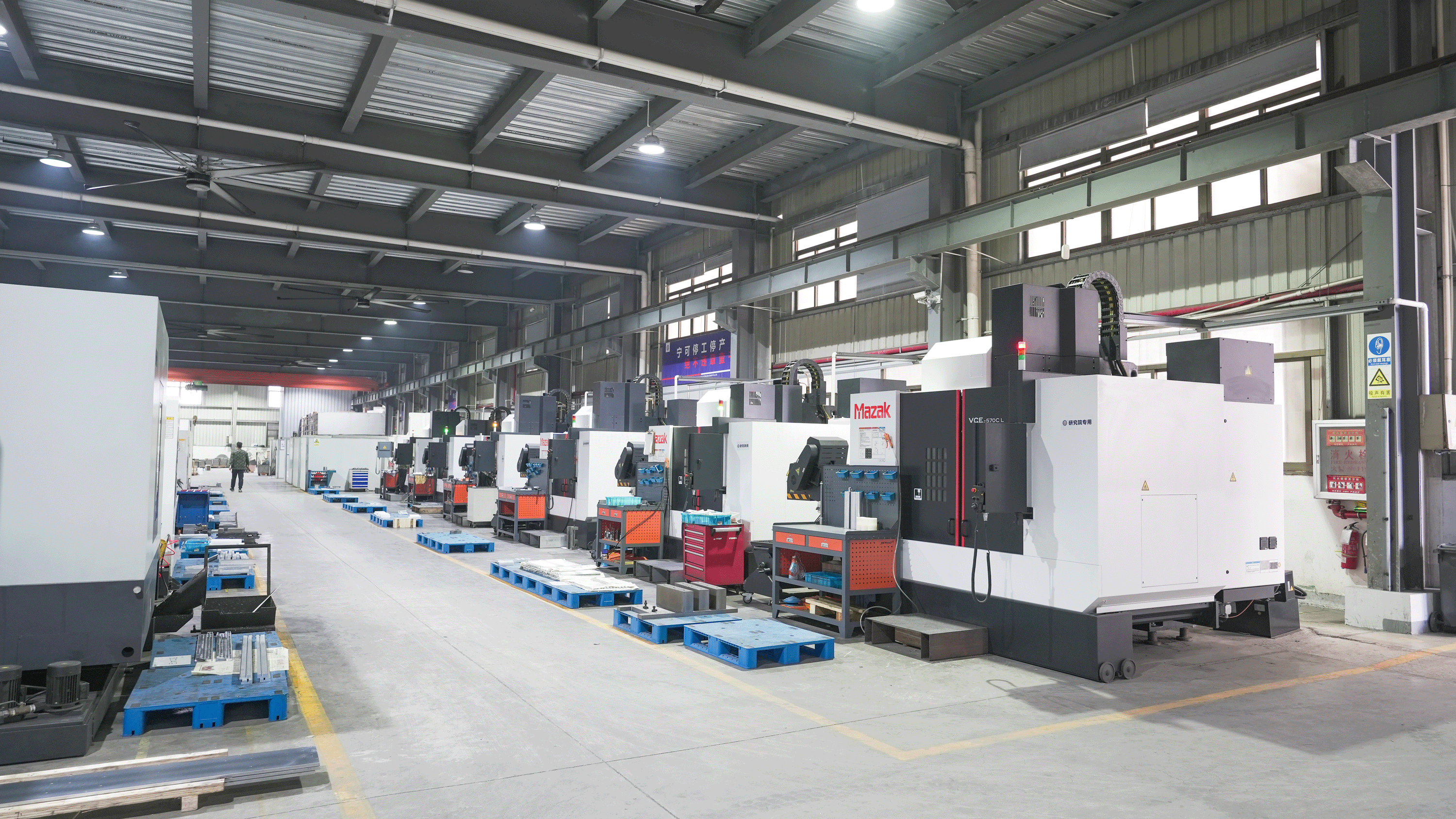
Stainless Steel and Aluminum-Alloy Construction and Long-Term Serviceability
Every integrated DHL line is built with a stainless steel and aluminum-alloy machine structure and transparent safety guards. The XWZ cartoner range uses a stainless steel and aluminum-alloy frame, and the XWZ120 combines a high-quality carbon steel and 304 stainless steel frame with a balcony-style design for easier cleaning.
For servicing, this construction has three practical effects. Corrosion-resistant, easy-to-clean surfaces reduce the time needed to bring the line back to a clean state. Transparent guarding lets operators and maintenance staff see abnormal product flow, jammed inserts or film tracking faults before they escalate into a stoppage. And a documented structural material specification makes replacement parts identifiable and reproducible years after delivery — exactly the point at which spare-part support is tested.
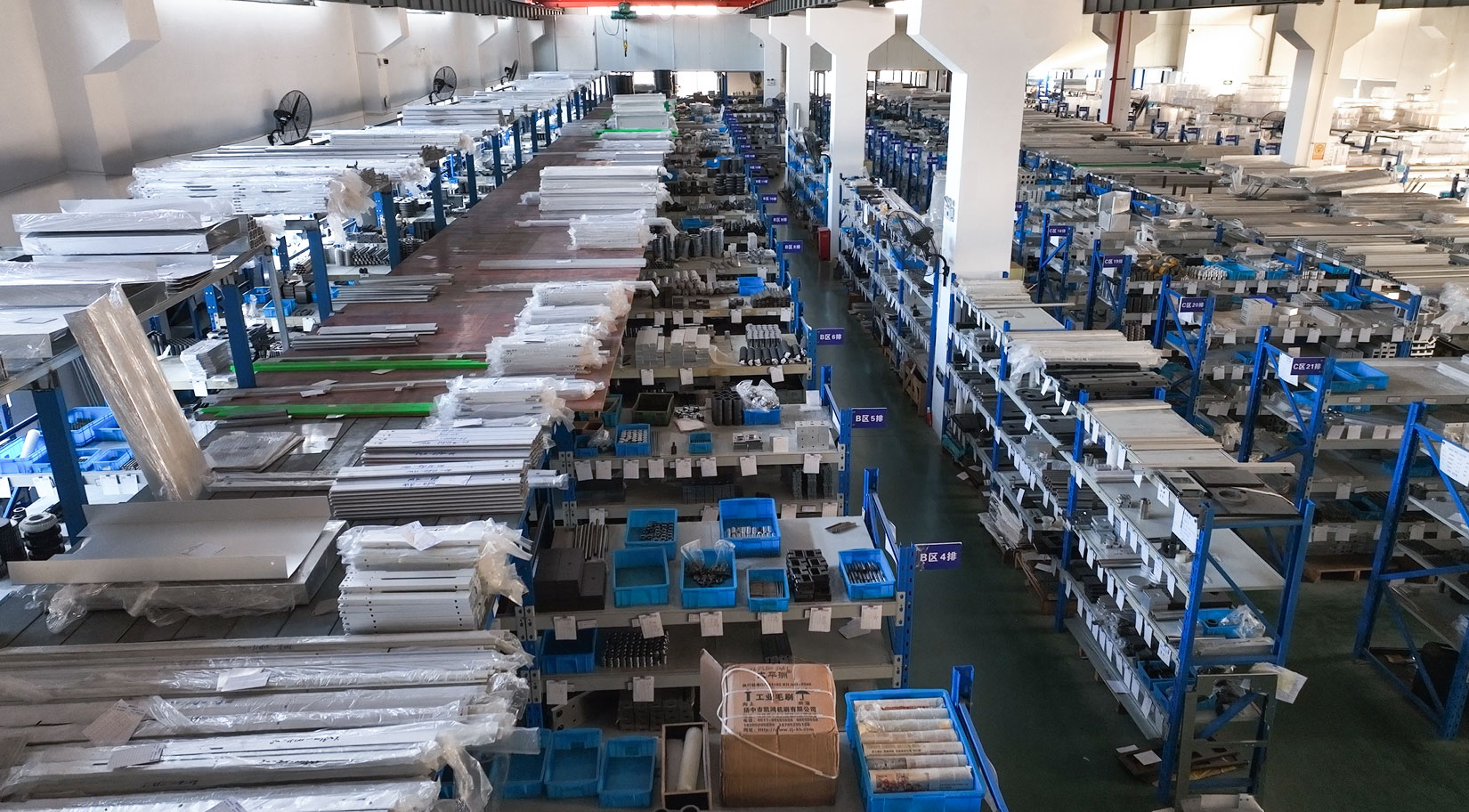
Step-by-Step Breakdown: What the Support Relationship Looks Like Over Time
Step 1 — Define the support scope before the order
Fix the format range, tooling scope, contact materials, feeding method, coding and inspection method, downstream connection and interface language in the technical agreement. Every later support discussion is bounded by this document.
Step 2 — Verify before delivery
Run the pre-delivery chain: incoming material inspection, key component inspection, assembly inspection, electrical safety check, no-load trial run, material trial, FAT, customer witness acceptance and pre-shipment inspection.
Step 3 — Install and commission on site
On-site installation and commissioning brings the line to the agreed format range and performance baseline at the customer’s facility.
Step 4 — Train operators and maintenance staff
Operator training and maintenance training are separate deliverables. Operators need format-change and normal-running routines; maintenance staff need the fault-finding and component-replacement routines that keep the line available.
Step 5 — Manage format changes and stored parameters
Use the mold-change method together with the preset-memory or recipe-memory function to return the line to a proven state whenever a format changes or a motion component is replaced.
Step 6 — Plan spare parts
Spare parts supply is part of the contracted scope. The spare-parts list should be derived from the tooling and contact-part specification so that wear items match the installed formats.
Step 7 — Use remote support and parameter guidance
Remote video or phone support and process-parameter guidance resolve many running issues without a site visit — provided the line’s parameters and format data are documented.
Step 8 — Keep the follow-up routine and extend downstream
Regular follow-up and troubleshooting keep the service relationship active rather than reactive. When capacity grows, the same line can be connected to downstream modules such as the XWK4060 stretch bander, the XWK series case packing machine and the ICP12 case packing and palletizing integral machine.
Use Cases: Where Long-Term Support Decides the Outcome
New solid dosage line construction
A pharmaceutical manufacturer building new blister-cartoning capability needs the line, the tooling set, the training and the spare-parts route delivered as one program. Because the line is configured per project, the support scope is agreed at the same time as the specification — not after installation.
Capacity expansion
An existing producer adding lines must match formats that already exist on site. Here the value of documented tooling and stored parameters is highest: a new line can be aligned to the formats and settings already in production.
Upgrading existing packaging lines
Where manual transfer and leaflet insertion still sit between blister packing and cartoning, the upgrade path is an integrated line plus downstream automation. HOPING’s representative case work covers exactly this pattern for large pharmaceutical manufacturers, solid dosage production companies and pharmaceutical engineering contractors, typically at a scale of 5–10 lines, in global markets. Representative project objectives include improving packaging automation, reducing manual transfer, improving blister-to-carton connection efficiency, reducing wrong insertion or missing leaflet risks, and supporting downstream automation integration. Customer names are disclosed only with authorization.
The same projects identify the equipment characteristics that support continuous production: high-speed capacity, fully servo control, integrated line operation, modular configuration, multi-format compatibility, and easy cleaning and maintenance.
Comparing Integrated Blister-Cartoning Lines by Support-Relevant Attributes
The table below compares the integrated line models on the attributes that determine how a line is changed over, controlled and maintained. Capacity figures are maximum rated values.
| Line model | Max blister capacity | Max carton output | Blister-to-carton transfer | Control platform | Servo replenishment | Mold change & memory |
|---|---|---|---|---|---|---|
| DHL1000/5H | Up to 1,000 blisters/min | Up to 500 cartons/min | D3 intelligent top-loading parallel tracking transfer | Beckhoff motion controller with high-bus industrial control system | Four-channel servo-driven independent | Mold-change and recipe memory functions |
| DHL8005H | Up to 800 blisters/min | Up to 500 cartons/min | D3 intelligent top-loading parallel tracking transfer | Beckhoff motion controller and CP9315 industrial PC | Three-channel servo-driven independent | Mold-change and preset-memory functions |
| DHL7005H | Up to 700 blisters/min | Up to 500 cartons/min | Self-developed IRB24 intelligent transfer robot | Siemens motion controller and TP900 HMI | Independent replenishment | Mold-change support |
| DHL7004 | Up to 700 blisters/min | Up to 400 cartons/min | Self-developed IRB24 intelligent transfer robot | Siemens motion controller and TP900 HMI | Servo-driven independent | Convenient mold change |
| DHL6004 | Up to 600 blisters/min | Up to 400 cartons/min | High-speed transfer and cartoning linkage | Beckhoff motion controller and CP9315 industrial PC | Servo-driven independent | Convenient mold change |
All five models use a stainless steel and aluminum-alloy machine structure with transparent safety guarding, and all are described as GMP-oriented line designs with format parts configured to confirmed blister and carton specifications.
A second comparison is useful at the contract stage: which support elements are in scope, and where each one is defined.
| Support element | What it covers | Where it is defined |
|---|---|---|
| On-site installation and commissioning | Bringing the delivered line to the agreed format and performance baseline at the customer site | Contracted after-sales scope |
| Operator training | Normal running and format-change routines for line operators | Contracted after-sales scope |
| Maintenance training | Fault-finding and component-replacement routines for maintenance staff | Contracted after-sales scope |
| Remote support | Video or phone support for running issues | Contracted after-sales scope |
| Spare parts supply | Replacement parts derived from the tooling and contact-part specification | Contracted after-sales scope |
| Process-parameter guidance | Support for the line’s running parameters across the confirmed formats | Contracted after-sales scope |
| Regular follow-up and troubleshooting | Scheduled contact and resolution of recurring faults | Contracted after-sales scope |
| Pre-delivery verification | Incoming material inspection, key component inspection, assembly inspection, electrical safety check, no-load trial run, material trial, FAT, customer witness acceptance and pre-shipment inspection | Quality control process |
| Tooling and format parts | Product-contact parts and format parts for confirmed blister and carton specifications | Technical agreement |
FAQ: Long-Term Support and Servicing for Blister-Cartoning Lines
Q1. What certification and management-system evidence should sit behind a blister-cartoning line over its service life?
A pharmaceutical packaging line is usually bought on the basis of machine-series certification, while factory-level management systems decide how consistently that asset is supported later. HOPING holds CE certificates for its blister packing machine series (certificate HTT190102306L) and its cartoning machine series (certificate HTT190102307L), both issued on 22 January 2019 by Shenzhen HTT Technology Co., Ltd. under the Machinery Directive 2006/42/EC and EN 60204-1:2006+A1:2009+AC:2010. The company also holds ISO 45001:2018 (certificate CN00123S33121R1M/3300) and ISO 14001:2015 (certificate CN00123E33896R1M/3300) certificates from the China Quality Certification Centre (CQC), whose certified scope covers the design, production and after-sales service of packing machines and packing production lines. At the regulatory level, ISO 15378 integrates GMP requirements for primary packaging materials, and in the EU, packaging machinery safety is governed by Machinery Directive 2006/42/EC and the EN 415 series. The practical check for a buyer is that the certificate scope names the machine series being purchased and the after-sales activity being relied on.
Q2. How do mold-change and preset-memory functions reduce changeover risk on an integrated blister-cartoning line?
Mold-change support and stored parameters are the two mechanisms that make a format change repeatable. In HOPING’s integrated line range, the DHL8005H includes mold-change and preset-memory functions and uses a Beckhoff motion controller with a CP9315 industrial PC, rated up to 800 blisters per minute and 500 cartons per minute. The DHL1000/5H includes mold-change and recipe memory functions with a Beckhoff motion controller and a high-bus industrial control system, rated up to 1,000 blisters per minute and 500 cartons per minute. The DHL7005H documents mold-change support, and the DHL7004 and DHL6004 document convenient mold change. In practice, a stored parameter set gives the line a proven reference state to return to after a format change or after a servo, controller or HMI replacement, which shortens the interval between mechanical changeover and saleable output. Buyers should confirm in writing how many format recipes are stored, who performs the changeover, and how parameter backups are handled.
Q3. How is GMP tooling customized, and what should the technical agreement contain?
Tooling customization is defined by the technical agreement, which is why the agreement should be treated as a support document rather than a commercial annex. On HOPING blister-cartoning lines, product-contact parts and format parts are configured according to GMP-oriented project requirements and the confirmed blister and carton specifications. On the blister machine side, product-contact parts are made of AISI 316L stainless steel and FDA-compliant pharmaceutical-grade materials, while non-product-contact parts use AISI 304 stainless steel and anodized aluminum alloy; the machines are designed and manufactured in accordance with GMP requirements and have corrosion-resistant, easy-to-clean surfaces. The customization list that feeds the agreement covers blister size, blister materials, quantity per carton, carton specification, leaflet format, coding and inspection method, feeding method, downstream bundling, case-packing and palletizing connection, interface language, electrical component brand and data interface. Anything on that list should also appear in the tooling and spare-parts documentation.
Q4. Why does stainless steel and aluminum-alloy construction matter for long-term servicing?
Structural materials affect how quickly a line can be cleaned, how easily faults are seen, and how reliably parts can be reproduced later. All HOPING integrated DHL blister-cartoning lines are built with a stainless steel and aluminum-alloy machine structure and transparent safety guards. The XWZ cartoner range uses a stainless steel and aluminum-alloy frame, and the XWZ120 uses a frame of high-quality carbon steel combined with 304 stainless steel in a balcony-style design for easier cleaning. On the blister machine side, contact parts in AISI 316L stainless steel and FDA-compliant pharmaceutical-grade materials are combined with AISI 304 stainless steel and anodized aluminum alloy for non-contact parts, with corrosion-resistant and easy-to-clean surfaces. For a pharma buyer the consequences are a shorter cleaning cycle, better visibility of the process through transparent guarding, and a material specification that a service team can work from years after delivery.
Q5. What determines the configuration, commercial scope and lead time of a blister-cartoning line program?
Configuration, not the model number alone, drives the commercial scope of a line program. HOPING configures lines as ODM, OEM or fully customizable, and the variables that change scope include blister size, blister materials, quantity per carton, carton specification, leaflet format, coding and inspection method, feeding method, downstream bundling, case-packing and palletizing connection, interface language, electrical component brand and data interface. Production capacity is 30–40 units per month, the minimum order quantity is one set or one complete line, and lead time is typically 60–120 days after technical confirmation, with the final lead time depending on model, configuration, project complexity and contract terms. Buyers comparing quotations should map each one back to this variable list, because two lines with similar rated speeds can carry very different tooling and integration scope.
Q6. When comparing top pharmaceutical packaging machine manufacturers, which service criteria actually differentiate them?
Market concentration is the first thing to understand. Uhlmann, IMA and Marchesini together hold approximately 29% of the pharmaceutical blister packaging machine market, so most projects are served by manufacturers outside that group — and service models differ widely between them. The criteria that genuinely separate suppliers at the evaluation stage are the contracted after-sales scope (on-site installation and commissioning, operator training, maintenance training, remote video or phone support, spare parts supply, process-parameter guidance, regular follow-up and troubleshooting, subject to contract and project configuration); the pre-delivery verification chain (incoming material inspection, key component inspection, assembly inspection, electrical safety check, no-load trial run, material trial, FAT, customer witness acceptance and pre-shipment inspection); whether tooling and contact materials are written into the technical agreement; and whether the specific machine series being purchased is named in the supplier’s certification scope. HOPING works from technical confirmation first: format data, then configuration, then a documented support scope. Buyers can request a sample run, a quotation or a support scope written against their own format list by contacting monica@xwbj.com or +86 133-5610-5292, and can download the Hoping Machinery Catalog as a starting point.
Conclusion: Treat Support Scope as Part of the Line Specification
An integrated blister-cartoning line is a long-life asset whose servicing model is decided at the evaluation stage, long before the first format change. The buyers who avoid trouble are the ones who write service into the specification instead of accepting it as a warranty sentence: tooling and contact materials fixed in the technical agreement, mold-change method and preset or recipe memory confirmed for every format in the range, and after-sales items — installation and commissioning, operator and maintenance training, remote support, spare parts, parameter guidance, follow-up and troubleshooting — listed as contracted scope.
Construction matters for the same reason. Stainless steel and aluminum-alloy structures, transparent guarding and documented contact materials are what make cleaning, fault visibility and spare-part reproduction predictable over years of operation, rather than dependent on the supplier’s memory of the project.
Finally, keep the market structure in view when comparing manufacturers. With roughly 29% of the pharmaceutical blister packaging machine market held by three global suppliers, most pharma projects are served by manufacturers whose support models are quite different from one another — so the comparison should be made on contracted service scope and documented tooling, not on brand recognition alone.
Next Step: Request a Support Scope for Your Line
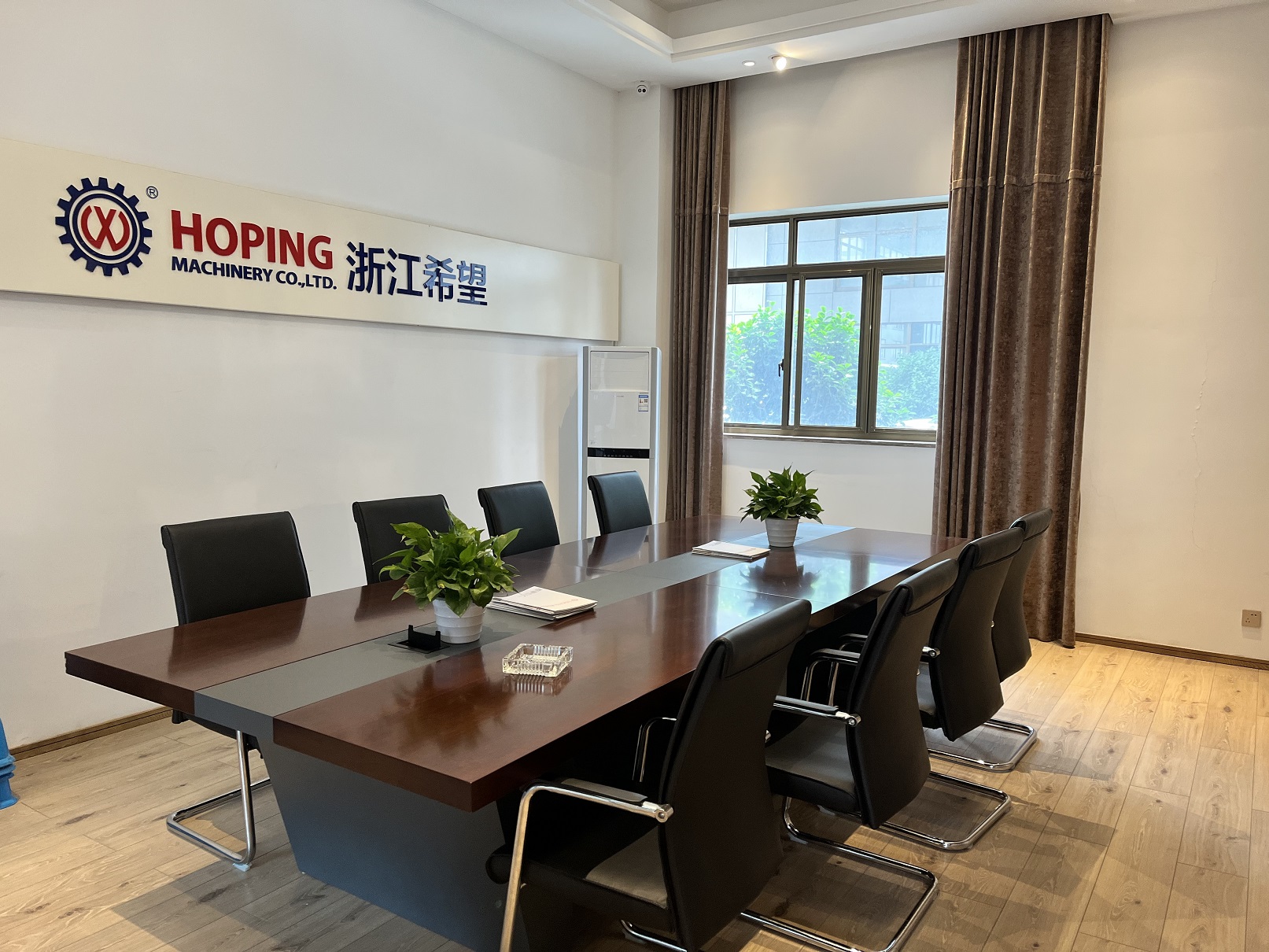
Buyers evaluating a blister-cartoning line can request a sample run, a quotation, or a support scope written against their own format list. HOPING works from technical confirmation first: format data, then configuration, then a documented support scope that matches the delivered line.
Contact: Monica · Email: monica@xwbj.com · Tel / WhatsApp: +86 133-5610-5292 · WhatsApp: start a conversation
Website: www.hopingcn.com · Blog: blog.hopingcn.com · Catalog: Hoping Machinery Catalog (PDF)
Address: 88th Weiwu Road, Nanbin Sub-district, Ruian City, Zhejiang Province, China.
Have Questions or Need More Details?
Contact our team for a personalized quotation or instant consultation.
Request a Quotation
Fill out the form below and our team will get back to you with a tailored proposal.
WhatsApp Direct Chat
Prefer to chat in real-time? Message us on WhatsApp for instant assistance & quick answers.
- Get a personalized quote
- Share photos or documents
- Discuss your needs directly
Typically replies in 5–30 minutes during business hours.