
Evaluating a Blister-Cartoning Line Supplier: Key Checks for High-Speed Pharma Projects
Evaluating a Blister-Cartoning Line Supplier: Key Checks for High-Speed Pharma Projects
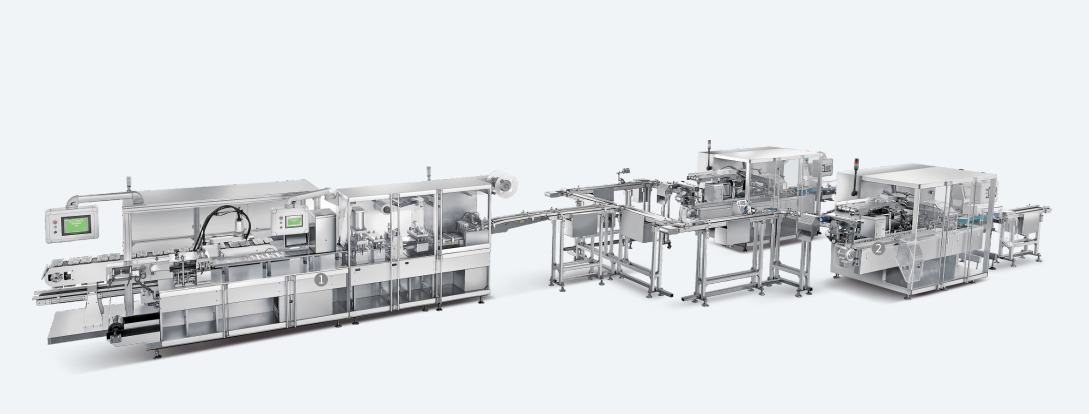
High-speed blister-cartoning projects rarely fail because a machine cannot reach its quoted speed. They fail because the line was specified around a headline number instead of around the engineering decisions that make that number repeatable across shifts, batches and format changes. For a procurement team, the most useful thing a supplier evaluation can do is convert a figure such as 800 blisters per minute into a set of verifiable checks: drive architecture, product transfer, replenishment, changeover, materials and downstream interfaces.
This article builds that evaluation framework around a real reference point. The DHL8005H is an intelligent fully servo high-speed blister-cartoner integrated machine and solid dosage turnkey packing line in the Hoping Machinery range, and its published configuration touches every check a buyer has to make on a high-speed solid dosage project.
Problem definition: why an integrated line is harder to evaluate than a standalone machine
An integrated blister-cartoning line compresses several process stages into one linked rhythm: blister forming and sealing, product transfer, leaflet handling, carton opening, blister insertion, coding and inspection, and connection to downstream bundling, case packing and palletizing equipment. Every stage has to hold its own cycle time inside that rhythm.
That is what makes supplier evaluation different from buying a single machine. Three issues drive the difficulty.
- Quoted capacity is a design ceiling, not a validated production rate. A maximum figure becomes meaningful only when it is read together with the transfer system, the number of servo-driven replenishment channels and the control platform behind it.
- Changeover is a recurring cost. Manufacturers running multiple formats and batches need to know whether the line supports mold-change and preset-memory functions, and how much of the changeover still depends on manual adjustment.
- GMP compliance is a design and material outcome. It is expressed in product-contact parts, guarding, cleanability and corrosion-resistant surfaces, not in a certificate alone.
Industry background: a fragmented market with tightening evaluation standards
Global pharmaceutical packaging equipment was valued at approximately USD 10.71 billion in 2024 (SkyQuest Technology, 2024). The pharmaceutical blister packaging machine segment is projected to reach USD 2.57 billion by 2025 at a CAGR of 2.8% (Custom Market Insights, 2025), and the pharmaceutical cartoning machinery segment was valued at USD 1.46 billion in 2024 (Fortune Business Insights, 2024). Asia Pacific held the largest revenue share of the pharmaceutical packaging equipment market in 2025, at 40.7% (Grand View Research, 2025).
Supply is fragmented. The three largest blister packaging machine players, Uhlmann, IMA and Marchesini, hold approximately 29% of the market combined (MarketsandMarkets, 2025). The remainder is served by a long tail of regional and specialist manufacturers. That structure is exactly why a repeatable evaluation framework matters more than brand recognition alone.
Regulatory references are equally concrete. ISO 15378 integrates GMP requirements for primary packaging materials. In the EU, packaging machinery safety is governed by Machinery Directive 2006/42/EC and the EN 415 series. A supplier that cannot connect its line configuration to these references leaves the compliance risk with the buyer.
Detailed checks: what to verify on a high-speed blister-cartoning line
The seven checks below can be applied to any supplier. Each is illustrated with a verified configuration from the Hoping Machinery blister-cartoning range, most often the DHL8005H.
1. Drive architecture and controller platform
The first question is whether the line is fully servo-driven, and which controller platform it runs on. The DHL8005H is an intelligent fully servo high-speed blister-cartoner rated up to 800 blisters/min and 500 cartons/min. It runs on a Beckhoff motion controller with a CP9315 industrial PC.
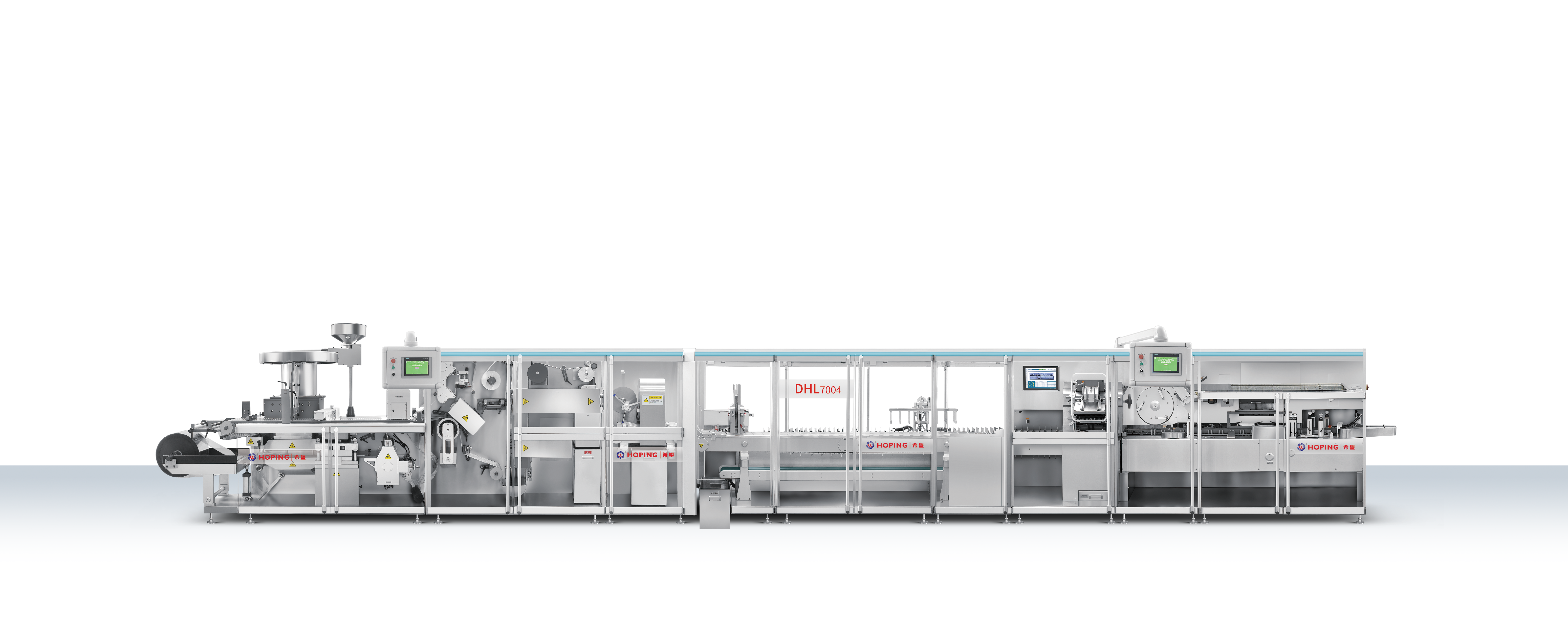
Configurations in the same range differ, and the difference is worth understanding before quotations are compared. The DHL7004 and DHL7005H run on a Siemens motion controller with a TP900 HMI, while the DHL6004 uses a Beckhoff controller with a CP9315 industrial PC. The platform affects diagnostics depth, recipe storage and how quickly your own maintenance team can be trained. Ask which platform is quoted, and whether it matches controllers already in use elsewhere in your plant.
2. Product transfer and independent replenishment
Transfer decides whether blister packs arrive at the cartoner in a stable, correctly oriented stream at full rate. The DHL8005H uses a D3 intelligent top-loading parallel tracking transfer system, while the DHL7004 and DHL7005H use a self-developed IRB24 intelligent transfer robot.
Replenishment is the second half of the same question. The DHL8005H carries a three-channel servo-driven independent replenishment system, and the DHL1000/5H increases this to four channels. Independent channels mean a missing or rejected tablet in one track does not have to interrupt the rest of the line. Confirm how many replenishment channels are quoted, and whether the feeding method can be adapted to the product being packed.
3. Changeover: mold-change and preset memory
For a plant running more than one product, changeover is where capacity quietly disappears. The DHL8005H supports mold-change and preset-memory functions, and the DHL1000/5H adds recipe memory alongside mold change. In practice this means format data can be recalled rather than re-entered, and tooling can be exchanged without a full mechanical resetup.
Buyers should ask how many formats can be stored, what the changeover sequence looks like step by step, and which adjustments still require an operator.
4. Film handling and automatic splicing
PVC and aluminium foil auto splicing is listed on both the DHL8005H and the DHL1000/5H. Automatic splicing reduces the downtime created by film roll changes, one of the few interruptions that occurs predictably on every shift. Ask whether splicing is offered for both the forming film and the lidding foil, and how a splice is detected and rejected.
5. Materials, guarding and GMP-oriented design
The DHL8005H is built on a stainless steel and aluminium-alloy machine structure with transparent guarding, servo-driven motion components, and GMP-oriented product-contact parts and tooling configured according to the technical agreement. Blister forming and sealing, product transfer, leaflet handling, carton opening, coding and inspection all sit inside that enclosure.
For buyers, this translates into specific questions: which material grade is used for product-contact parts, how are guards sealed and cleaned, are surfaces corrosion-resistant and easy to clean, and does the supplier document materials and surface finishes for your validation file? The line is intended for continuous high-speed operation and multi-batch, multi-format production in GMP-oriented cleanroom or pharmaceutical packaging workshop conditions.
6. Downstream scope and end-of-line interfaces
A blister-cartoner is only part of the answer if the plant also needs bundling, case packing and palletizing. The DHL8005H scope covers coding and inspection plus the connection to bundling, case-packing and palletizing equipment, so the downstream interface can be specified at the same time as the line itself.
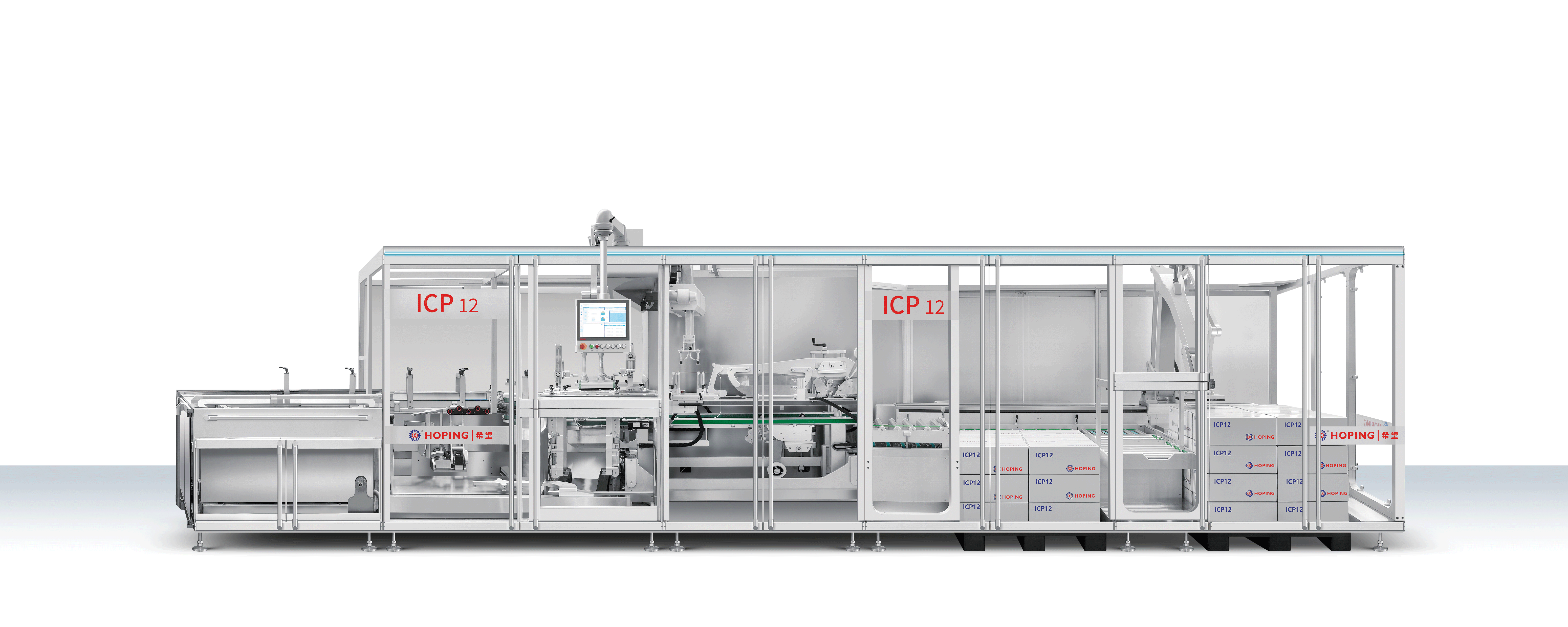
Downstream options in the same portfolio include the XWK4060 stretch bander (about 30-60 bundles/min), the XWK Series case packing machine (models XWK900 and XWK600, maximum output about 5 cases/min, clean compressed air 0.6 MPa and above) and the ICP12 case packing and palletizing integral machine (about 12 cases/min, 380V 50Hz 25kW, overall dimensions about 8900 x 3000 x 2400 mm). Map this scope during evaluation, not after the first manual transfer bottleneck appears.
7. Engineering depth, documentation and market coverage
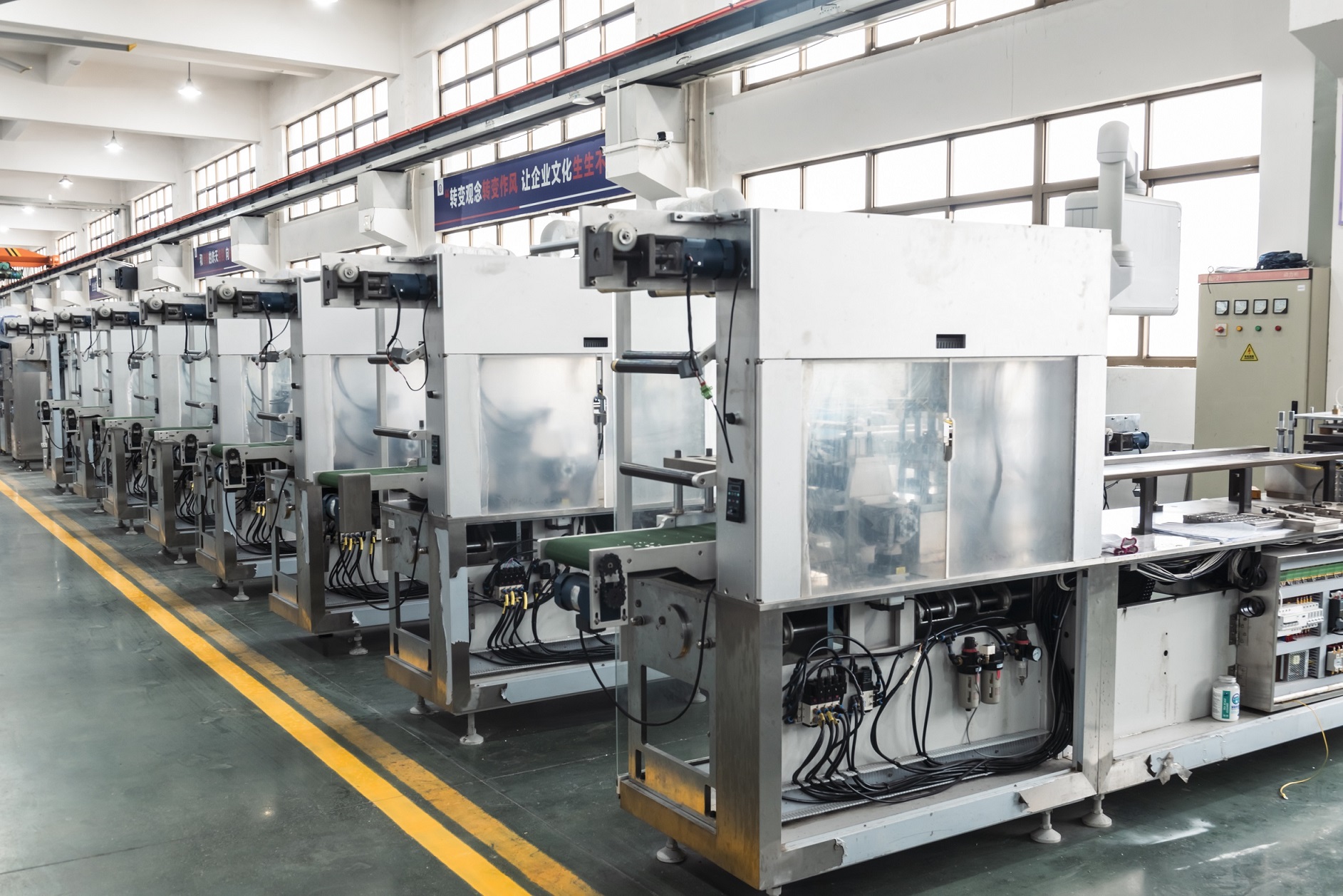
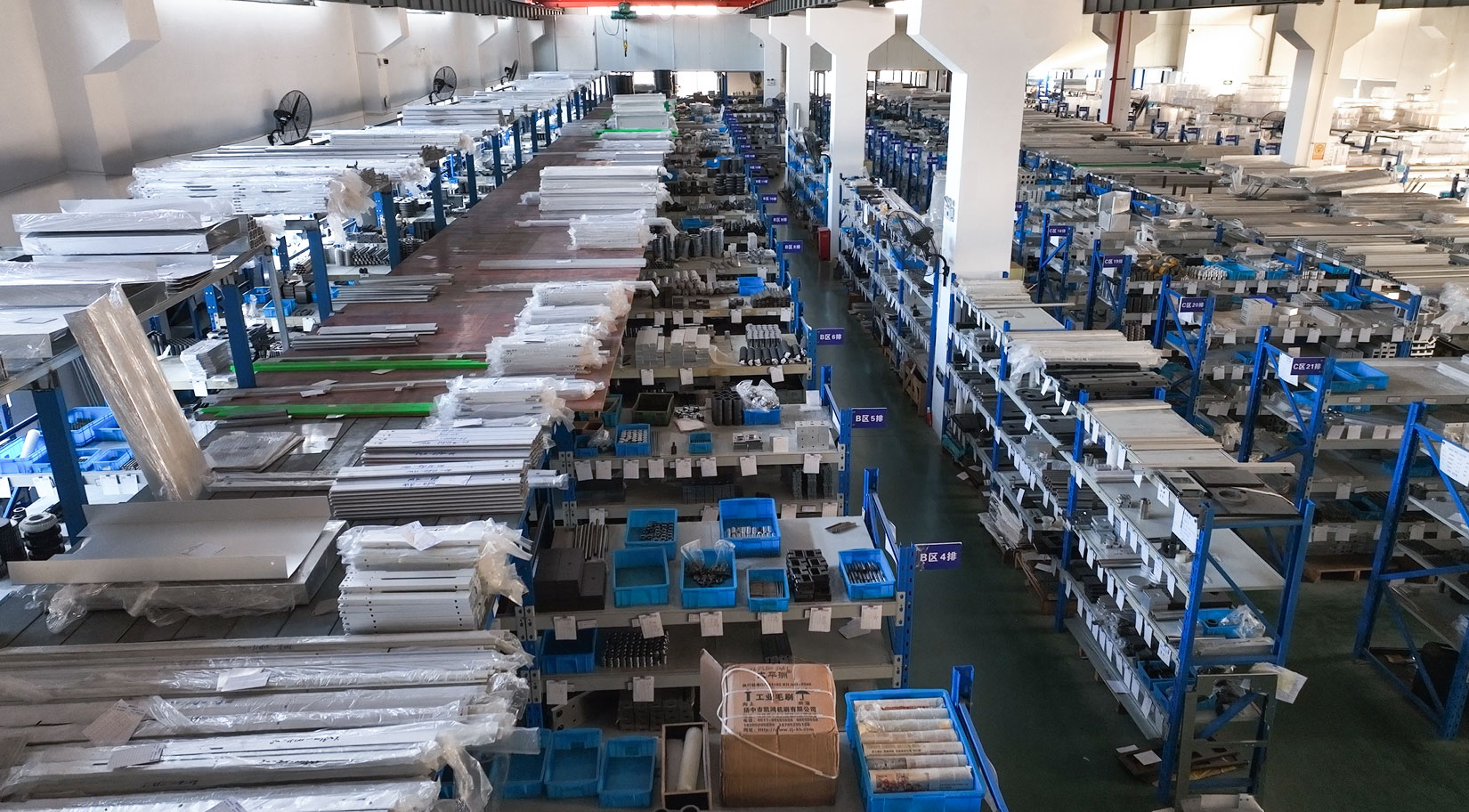
Servo counts are easy to quote; engineering depth is not. Zhejiang Hoping Machinery Co., Ltd. was established in 2001, employs approximately 300 staff and operates a manufacturing facility covering 28,800 square meters, with an annual production capacity of 500 units and a research and development team of 56 engineers. The company holds 26 invention patents, 70 utility patents, 4 appearance patents, 10 PCT-protected patents and 28 software copyrights. Export business accounts for 25% of total sales, with major markets in Southeast Asia, the Middle East, Eastern Europe, South America and Africa. Published company information lists CE and ISO 9001/14001 certification.
For a procurement team, this is the section that answers the question behind the question: who supports the line in year three, and who holds the documentation that a regulatory audit will ask for?
Step-by-step: running the evaluation in six steps
- Translate your product range into a format matrix. List every blister format, carton size, leaflet and batch size the line must handle. This matrix, not a single reference product, is what tooling and format parts are built around.
- Set a validated capacity target. Convert the commercial requirement into a sustained rate, then check which transfer system and how many replenishment channels the supplier proposes in order to reach it.
- Audit motion and transfer architecture. Confirm the servo scope and the controller platform, and ask how the transfer system is rated at the target rate.
- Audit changeover and recipe handling. Ask for the mold-change sequence and for how format data is stored and recalled.
- Audit materials, guarding and documentation. Request material specifications for product-contact parts, the cleaning rationale, and the documents that will support your validation file.
- Map the downstream scope and interfaces. Bundling, case packing and palletizing should be specified at the same time as the blister-cartoner so the interfaces are defined rather than improvised.
Use cases: where these checks change the outcome
The framework above applies across the project types that dominate blister-cartoning demand. The lines described here are designed for continuous high-speed operation and multi-batch, multi-format production in GMP-oriented cleanroom or pharmaceutical packaging workshop conditions. The scenarios are commonly grouped as follows.
- New solid dosage blister packaging lines. The format matrix and validated capacity target come first, because they determine tooling and line layout.
- Existing packaging line upgrades. The checks concentrate on transfer, replenishment and controller compatibility with equipment already installed.
- High-capacity expansion projects. Shared downstream equipment and changeover economics become the deciding factors.
- Intelligent packaging workshop retrofits. Diagnostics, recipe handling, alarm and fault indication, and data interfaces carry more weight.
- Blister-cartoning-bundling and case-packing integration. Interface definition between cartoner, bander, case packer and palletizer decides whether the line runs as one system or as several disconnected machines.
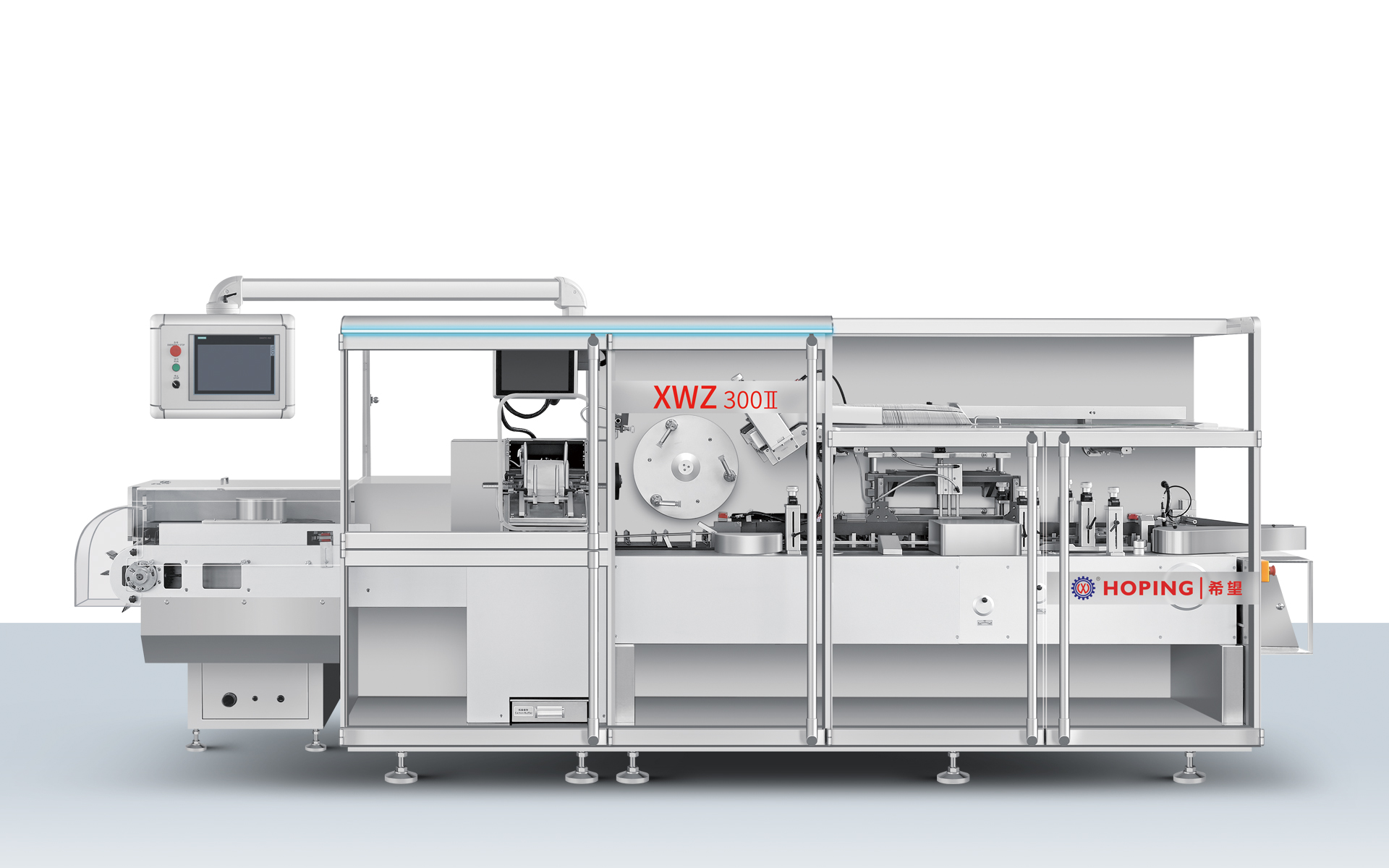
Comparison table: high-speed blister-cartoning line configurations
The table below summarises verified configuration data for the DHL series. It is an evaluation reference, not a ranking: project fit depends on the format matrix and the validated capacity target described above.
| Model | Max blister / carton output | Transfer and replenishment | Control platform | Changeover functions |
|---|---|---|---|---|
| DHL6004 | Up to 600 blisters/min and 400 cartons/min | High-speed transfer and cartoning linkage; servo-driven independent replenishment | Beckhoff motion controller with CP9315 industrial PC | Convenient mold change |
| DHL7004 | Up to 700 blisters/min and 400 cartons/min | Self-developed IRB24 intelligent transfer robot; servo-driven independent replenishment | Siemens motion controller with TP900 HMI | Convenient mold change |
| DHL7005H | Up to 700 blisters/min and 500 cartons/min | Self-developed IRB24 intelligent transfer robot; independent replenishment | Siemens motion controller with TP900 HMI | Mold-change support |
| DHL8005H | Up to 800 blisters/min and 500 cartons/min | D3 intelligent top-loading parallel tracking transfer; three-channel servo-driven independent replenishment | Beckhoff motion controller with CP9315 industrial PC | Mold-change and preset-memory functions |
| DHL1000/5H | Up to 1000 blisters/min and 500 cartons/min | D3 intelligent top-loading parallel tracking transfer; four-channel servo-driven independent replenishment | Beckhoff motion controller with high-bus industrial control system | Mold-change and recipe-memory functions |
All models listed are described as GMP-oriented in design and are built on stainless steel and aluminium-alloy structures.
Frequently asked questions
How do I evaluate a pharmaceutical packaging machine manufacturer?
Evaluate the engineering behind the proposal rather than the brand. Ask five questions in order: which controller platform and how many servo axes are quoted; how product transfer and replenishment are handled; whether mold-change and preset-memory functions are included; which material grades and surface finishes are used for product-contact parts and guarding; and how far the supplier scope extends downstream into bundling, case packing and palletizing. A supplier that answers all five with documents rather than adjectives is a supplier whose line can be planned around.
Which standards and certifications should a blister-cartoning line supplier document?
ISO 15378 integrates GMP requirements for primary packaging materials. Packaging machinery supplied into the EU falls under Machinery Directive 2006/42/EC together with the EN 415 series. Published company information for Hoping Machinery lists CE and ISO 9001/14001 certification. Buyers should request the documents themselves and check that the declared scope covers the specific line being purchased.
What capabilities should a high-speed blister-cartoning line demonstrate?
Start with motion and control: full servo drive and a stated controller platform. Then check transfer, replenishment and changeover. The DHL8005H, for example, is rated up to 800 blisters/min and 500 cartons/min, uses a D3 intelligent top-loading parallel tracking transfer system and a three-channel servo-driven independent replenishment system, runs on a Beckhoff motion controller with a CP9315 industrial PC, and includes mold-change and preset-memory functions together with PVC and aluminium foil auto splicing.
How do mold-change and preset-memory functions affect cost and capacity?
They affect the recurring cost of running the line rather than the purchase price. A plant producing several formats and batches pays for changeover in every campaign, so format data that can be recalled instead of re-entered, and tooling that can be exchanged without a full mechanical resetup, protect usable capacity. The DHL8005H supports mold-change and preset-memory functions, and the DHL1000/5H adds recipe memory alongside mold change.
Can a line be validated before a full commitment?
Line configuration is built around confirmed formats. Product-contact parts and tooling are made according to the technical agreement, and format parts follow confirmed blister and carton specifications, so the practical next step for a buyer is to request a configuration proposal against a defined format matrix and then agree sample and format-validation arrangements with the manufacturer. The catalogue link below is a useful starting point for that conversation.
Conclusion: evaluate the line the way you will run it
High-speed blister-cartoning lines are purchased once and lived with for years. The checks that matter, controller platform, transfer and replenishment design, changeover functions, materials and guarding, downstream interfaces, and the engineering record behind the manufacturer, are all verifiable before a purchase order is signed. Applied in sequence, they turn a supplier conversation from a comparison of headline speeds into a comparison of how each line will actually run in your plant.
Next step
Hoping Machinery builds blister packaging machines, cartoning machines, case packing machines and end-of-line packaging systems for pharmaceutical, food, electronics and cosmetics industries. To review the full configuration range for a high-speed blister-cartoning project, download the Hoping Machinery catalogue or request a configuration proposal against your own format matrix.
Contact: Monica | Email: monica@xwbj.com | Tel / WhatsApp: +86 133-5610-5292 | Website: www.hopingcn.com
Have Questions or Need More Details?
Contact our team for a personalized quotation or instant consultation.
Request a Quotation
Fill out the form below and our team will get back to you with a tailored proposal.
WhatsApp Direct Chat
Prefer to chat in real-time? Message us on WhatsApp for instant assistance & quick answers.
- Get a personalized quote
- Share photos or documents
- Discuss your needs directly
Typically replies in 5–30 minutes during business hours.