
Correcting Carton Defects in Integrated Blister Lines: Fixes and Insights
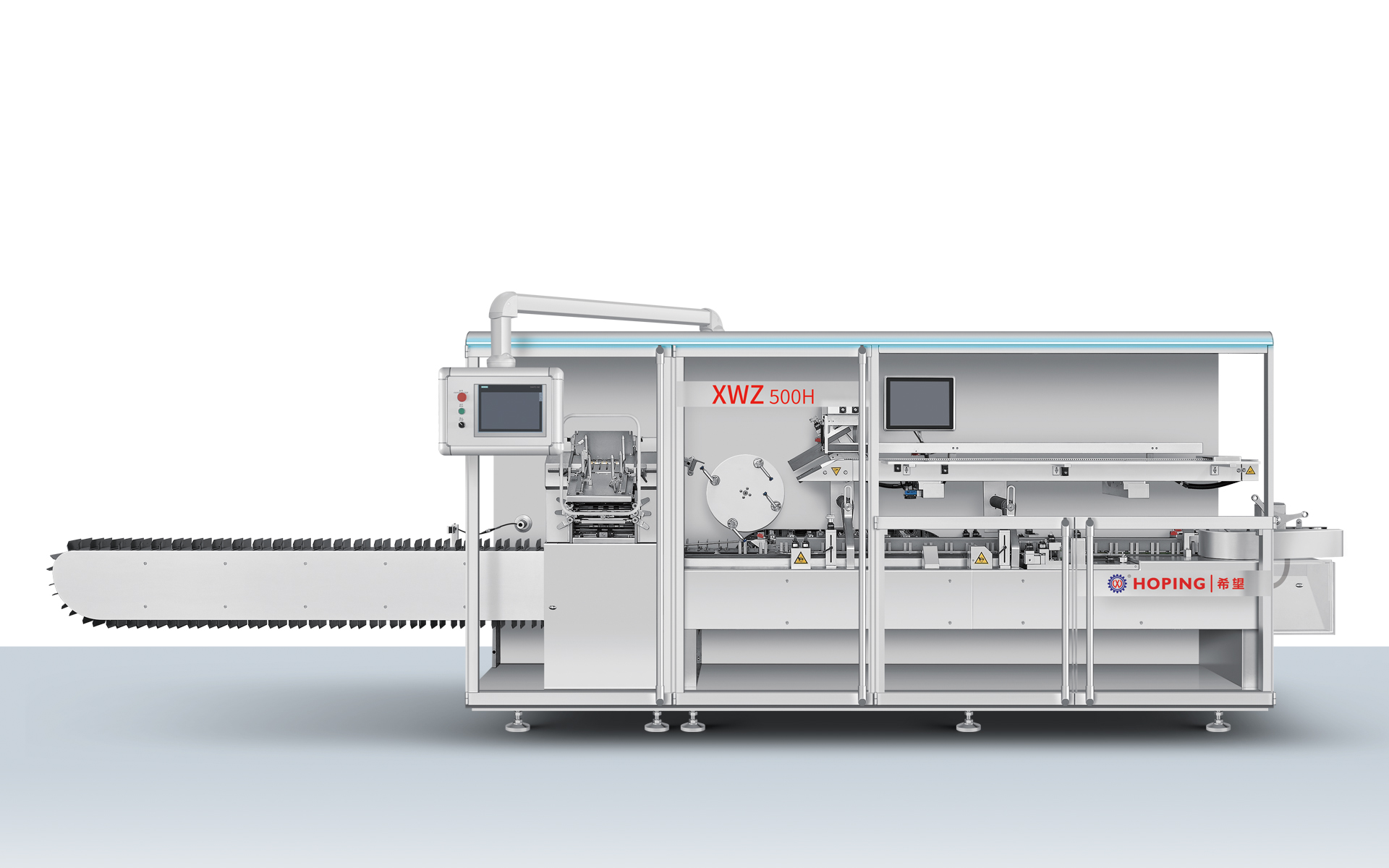
In an integrated blister-cartoning line, a torn carton or a misfed blister is rarely just a single mechanical fault. At high output, the cartoning section depends on the coordinated timing of carton feeding, blister transfer, leaflet insertion, carton closing, coding and outfeed sorting. For a Beckhoff-controlled line running at 500 cartons/min, such as the HOPING DHL8005H or DHL1000/5H configuration, the window for each transfer is narrow. The practical fix is therefore to restore the approved servo synchronization baseline first, then inspect the mechanical and material variables that can disturb it.
This article is a focused troubleshooting guide for production, maintenance and project engineers who need to correct carton tearing, misfeeds and related defects on integrated blister lines. It does not replace the line's technical agreement or authorized service procedures. It organizes the checks around the points where servo-driven stages meet.
What Counts as a Carton Defect on an Integrated Blister Line?
Carton defects in this context include torn or crushed cartons, double carton feeding, carton misalignment at opening, blister or product misfeed into the carton, missing leaflet, incomplete insertion, poor closing, and outfeed sorting errors. These symptoms can appear at the cartoning machine alone, but on an integrated line they often reflect a timing relationship between the blister machine, transfer system, cartoner and downstream equipment.
The cartoning section is designed to complete carton opening, blister insertion, leaflet handling, closing, coding and inspection/rejection, and to connect to downstream bundling, case packing or palletizing. A defect that seems local to the carton magazine may actually begin with a missed blister at the transfer point, a delayed leaflet, or a phase drift between the carton chain and the product pusher.
Why Synchronization Problems Appear at High Speed
At 500 cartons/min, the line is handling roughly eight cartons per second. Small timing errors accumulate quickly. A carton that is opened slightly late, a blister that arrives a few milliseconds after the pusher, or a leaflet that is not fully folded can produce a jam. The line's PLC/HMI and servo-linked architecture are intended to keep multi-station motion synchronized, but the mechanical condition of format parts, carton material and sensor signals still influences the result.
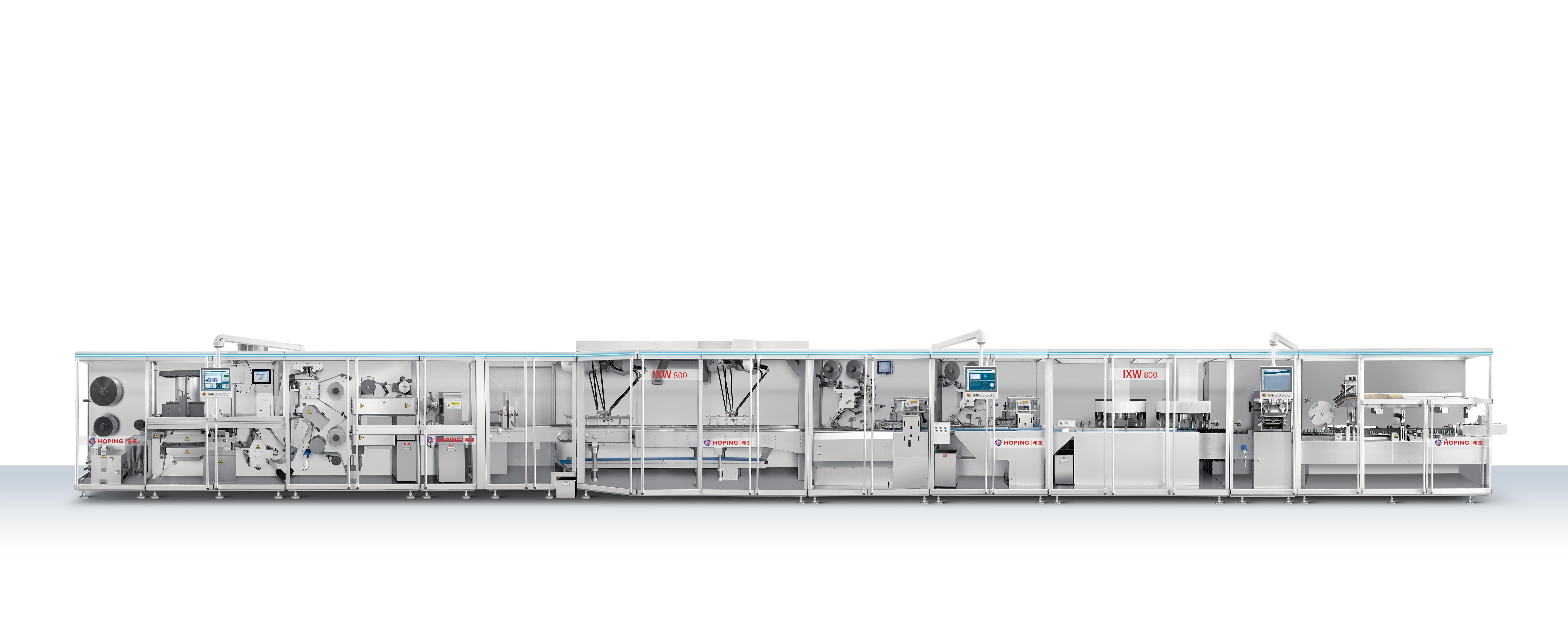
In Beckhoff-controlled configurations, the motion controller and industrial PC coordinate the servo axes and the transfer sequence. The DHL8005H uses a Beckhoff motion controller and CP9315 industrial PC, a D3 intelligent top-loading parallel tracking transfer system, and a three-channel servo-driven independent replenishment system. The DHL1000/5H uses a Beckhoff motion controller and high-bus industrial control system, a D3 transfer system, and a four-channel servo-driven independent replenishment system. The IXW800 also uses a Beckhoff controller and CP9315 industrial PC. These architectures are relevant because they define where synchronization can be reviewed: in recipe parameters, cam relationships, transfer tracking and replenishment timing, not only at the cartoner's mechanical adjustment points.
Industry Context: Why Carton Defects Matter More on Integrated Lines
Pharmaceutical packaging equipment is expected to operate in GMP-oriented cleanroom or packaging workshop conditions, with continuous high-speed operation and multi-batch, multi-format production. The packaging function itself is to maintain product stability and integrity through post-production shipping and storage; a torn carton or an unclosed pack can undermine that function even when the blister itself is intact.
Horizontal cartoning systems held 70.12% of the cartoning machine market share in 2024, according to the verified market data available for this article. This dominance reflects the fit between horizontal cartoning and regular-shaped pharmaceutical products, including blister boards. The same data set does not provide a model-level breakdown, so it should not be used to rank individual machines. What it does confirm is that horizontal cartoning remains a central format for solid dosage secondary packaging.
There is also a broader move toward digitized data collection and integrated solutions in pharmaceutical manufacturing, as reported in trade media based on PMMI content. For carton-defect troubleshooting, that trend matters because fault history, alarm logs and recipe parameters can be used to distinguish a mechanical wear issue from a synchronization issue. The line's alarm stop, fault indication and recipe storage functions are part of the diagnostic toolkit, not just operating conveniences.
The Core Fix: Re-establish Servo Synchronization Before Chasing Mechanical Faults
The first corrective action is to re-establish the approved synchronization baseline. On a servo-linked blister-cartoning line, the carton magazine feed, carton opening, product transfer, leaflet insertion, closing and outfeed sorting are intended to run as coordinated motion. If a format change, a repair or an untracked parameter edit has shifted one stage, the defect may appear at the cartoner even though the root cause is an earlier or later axis.
Use the line's recipe and preset-memory functions to compare the current parameters with the approved settings for the same blister format, carton size and leaflet format. The DHL8005H includes mold-change and preset-memory functions. The DHL1000/5H includes mold-change and recipe memory functions. These functions support repeatable format changes, but they are only effective if the approved recipe is maintained and the mechanical format parts are correctly installed.
Check Carton Magazine Feed and Opening
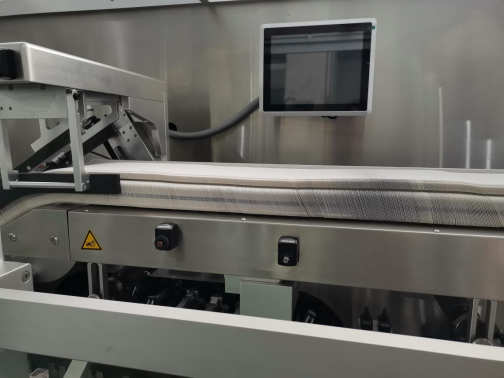
Carton tearing and double feeding often begin at the carton magazine and opening station. The XWZ500H cartoning machine uses a servo-driven carton magazine feeding device that can accommodate 1800 cartons. The same machine uses a large-offset suction-carton turntable device with progressive contact, which is intended to give longer contact time when suctioning the carton and more secure suctioning at high speed. If cartons are torn at the opening station, verify that the carton stack is within the approved specification, that the magazine feed is not double-feeding, and that the suction timing is consistent with the carton material and surface finish.
Also check the laser material-level detection device. On the XWZ500H, the laser material level detection device adjusts the height of the pre-installed section and sends a signal when the section in the grid material bin reaches the pre-installed height, so the manual and paper tray are drawn. A low or inconsistent carton level can disturb the feed rhythm and create intermittent misfeeds that look like synchronization faults.
Check the Blister Transfer and Replenishment Timing
On the integrated line, blister transfer is the bridge between primary and secondary packaging. The DHL8005H uses a D3 intelligent top-loading parallel tracking transfer system and a three-channel servo-driven independent replenishment system. The DHL1000/5H uses a four-channel servo-driven independent replenishment system. The IXW800 uses D3 top-load robotics and a rotary manipulator, with servo-driven independent replenishment. These systems are designed to keep the blister feed synchronized with the carton chain at high speed, but a channel that is out of phase, a sensor that is blocked, or a format part that is worn can produce empty pockets, double inserts or a blister arriving late to the pusher.
Inspect the transfer point for damaged or loose format parts, product debris and sensor contamination. Confirm that the replenishment channels are enabled according to the approved recipe and that the blister count per carton matches the carton specification. If the defect is intermittent and appears only at high output, record whether it correlates with a specific replenishment channel. That pattern is more consistent with a channel-level synchronization issue than with a global cartoner fault.
Check Leaflet Folding and Insertion
A missing leaflet or an incompletely inserted leaflet can cause a carton to bulge, tear or fail at closing. The XWZ500H uses a leaflet folding machine equipped with German GUK folding units and a stated production capacity of 500 A4 sheets per minute. The folding machine uses servo drive transmission. If leaflet defects appear after a format change, verify the leaflet format, the fold settings and the insertion timing. A leaflet that is correctly folded but arrives late can still collide with the blister or the carton closing section.
The XWZ500H also uses a dual-rail feeding device in which the manual feeding head and the plate feeding head use different tracks. If the two streams are not correctly synchronized, the cartoner may receive a leaflet or product at the wrong moment. Check that both tracks are clear and that the feeding sequence matches the approved configuration.
Check Pressing, Closing and Coding
Carton crushing and poor closing can come from the pressing and closing station. The XWZ500H pressing carton device is servo-controlled for height adjustment. Changing to different specifications of paper boxes can be done through the human-machine interface, and the servo motor adjusts the height of the box. This is a useful first check because it allows the operator to confirm that the pressing height matches the current carton specification without mechanical trial and error.
The XWZ500H also has a batch number stamping device mounted at the front, which allows more convenient and quick replacement of the three-date steel characters. If coding is part of the line, confirm that the coding position does not interfere with carton closing and that the carton is fully supported during stamping. A carton that is slightly misaligned at coding can be damaged before it reaches the outfeed.
Check Outfeed Sorting and Downstream Transfer
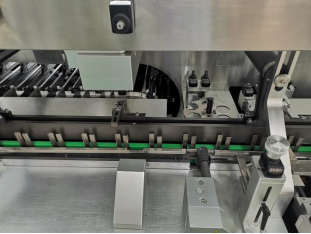
Outfeed sorting errors can look like carton defects because a good carton may be diverted, crushed or rejected at the end of the cartoner. The XWZ500H discharge sorting device uses a servo-controlled three-way rotary sorting mechanism capable of synchronizing at a speed of 500 boxes per minute. If the sorter is out of phase with the carton chain, cartons can jam at the diverter or be sent to the wrong lane.
On an integrated line, also check the interface to downstream bundling, case packing or palletizing. The DHL8005H scope includes connection to bundling, case-packing and palletizing equipment. A downstream stop or accumulation can back pressure into the cartoner and cause cartons to hesitate at closing. Confirm that the downstream line is ready to accept the carton flow before adjusting the cartoner itself.
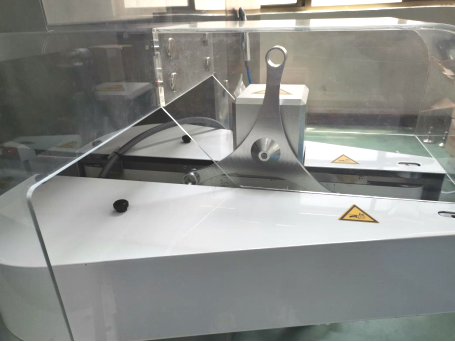
Beckhoff Control Review at 500 Cartons/Min
For Beckhoff-controlled lines running at 500 cartons/min, the synchronization review should include the motion controller and industrial PC layer. The DHL8005H uses a Beckhoff motion controller and CP9315 industrial PC. The IXW800 uses a Beckhoff controller and CP9315 industrial PC. The DHL1000/5H uses a Beckhoff motion controller and high-bus industrial control system. These platforms coordinate the servo axes, transfer tracking and replenishment sequence. Parameter changes at this layer should be made by authorized personnel under the technical agreement, because an incorrect cam or phase change can shift the defect from one station to another.
The practical rule is to separate three layers: approved recipe data, mechanical format parts and material inputs. If the recipe is correct and the format parts are correct, then a persistent defect points to wear, contamination or a sensor issue. If the defect appeared after a parameter edit or a format change, the synchronization baseline is the first place to look.
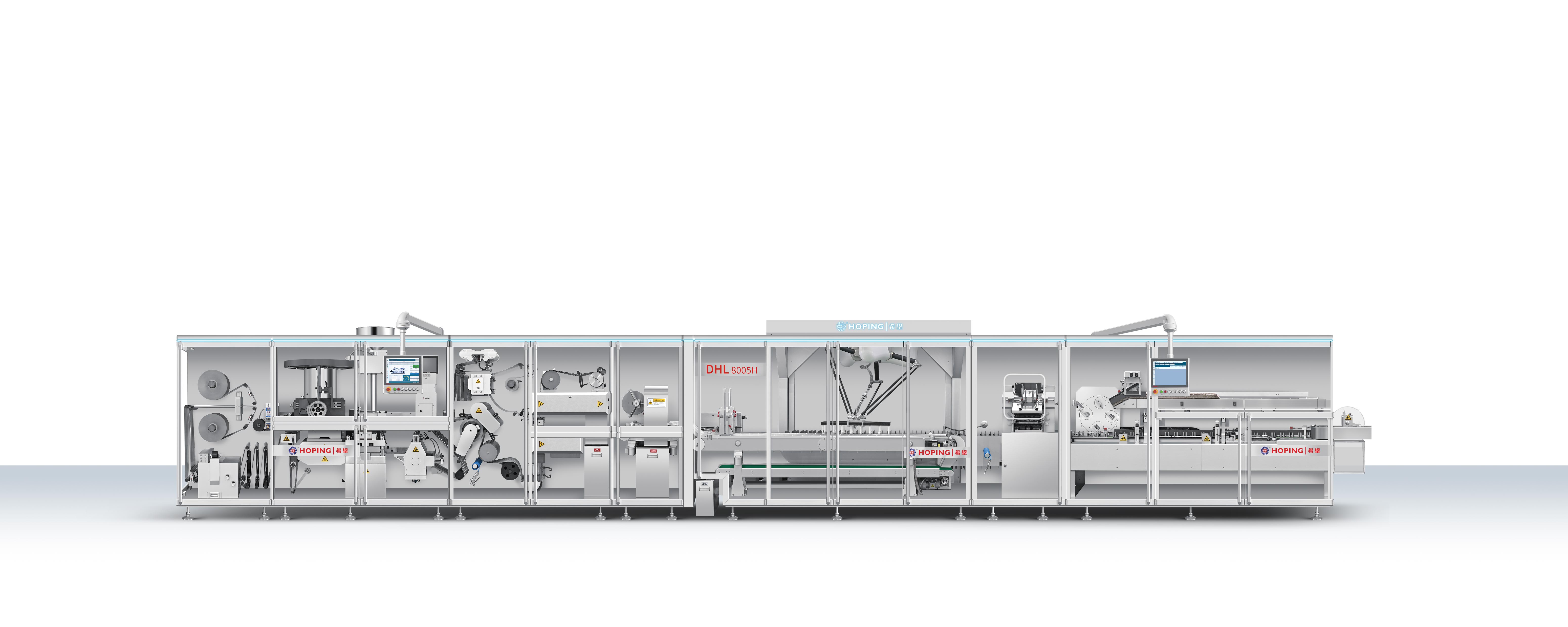
Step-by-Step: A Practical Defect-Correction Sequence
The following sequence is organized for a line stoppage or a scheduled troubleshooting window. It uses the line's HMI, alarm and recipe functions, and it keeps mechanical adjustment as a later step rather than the first response.
- Record the defect pattern. Note whether the defect is tearing, double feeding, missing blister, missing leaflet, poor closing, coding misalignment or sorting error. Record the station where the defect is first visible and whether it occurs continuously or intermittently. Use the line's alarm stop and fault indication functions to capture the sequence.
- Confirm the approved recipe. Compare the current blister format, carton size and leaflet format with the approved recipe. On lines with preset-memory or recipe memory, reload the approved recipe only after confirming that the mechanical format parts match it.
- Verify carton specification and condition. Check carton dimensions, board stiffness, surface finish and stack condition against the carton specification in the technical agreement. A carton that is outside the approved range can defeat a correct synchronization setting.
- Inspect the carton magazine and opening station. Check the servo-driven carton magazine feed, the carton level signal and the suction-carton turntable. On the XWZ500H, confirm the 1800-carton magazine is not overloaded or unevenly stacked and that the laser material-level detection is working.
- Check blister transfer and replenishment channels. Confirm that the D3 transfer system or robot is tracking correctly and that each servo-driven replenishment channel is enabled as planned. Look for a defect pattern linked to one channel.
- Check leaflet fold and insertion. Verify the leaflet format, fold settings and insertion timing. On the XWZ500H, confirm the GUK folding units and the dual-rail feeding sequence are operating with the approved settings.
- Check pressing, closing and coding. Use the servo-controlled pressing carton height adjustment on the XWZ500H to match the current carton. Confirm that coding does not distort the carton and that the closing section is clear.
- Check outfeed sorting and downstream readiness. Confirm the three-way rotary sorting mechanism is synchronized with the carton chain at the target speed. Check that downstream bundling, case packing or palletizing is not creating back pressure.
- Review control-layer synchronization. For Beckhoff-controlled lines, have authorized personnel compare the current cam, phase and tracking parameters with the approved recipe. Do not use mechanical adjustment to compensate for a control parameter that has drifted.
- Validate and record. Run a no-load trial, then a material trial with the approved carton, blister and leaflet. Complete FAT or customer witness acceptance where applicable, and record the final parameters for the next format change.
This sequence follows the quality-control logic used for these lines: incoming material inspection, key component inspection, assembly inspection, electrical safety check, no-load trial run, material trial, FAT, customer witness acceptance and pre-shipment inspection. The same discipline applies when correcting a defect: verify the material, verify the assembly, verify the motion, then release.
Use Cases Where This Defect-Correction Approach Applies
New Carton Format Introduction
When a new carton size or board material is introduced, tearing and misfeeds often appear at the opening and closing stations. The first response should be to confirm that the carton specification is within the approved range, then reload the recipe and check the servo-controlled pressing height and carton magazine feed. If the line has preset-memory, compare the new recipe with the closest approved format before making mechanical changes.
Capacity Expansion to 500 Cartons/Min
When an existing line is upgraded for higher cartoning output, the transfer and replenishment system must keep pace with the cartoner. On Beckhoff-controlled configurations such as the DHL8005H and DHL1000/5H, the 500-carton/min cartoning section relies on coordinated motion across the blister transfer, leaflet insertion and carton closing stages. A defect that appears only after the speed increase should be investigated at the transfer and replenishment synchronization level before the cartoner mechanics are altered.
Multi-Batch Production with Frequent Format Changes
Frequent format changes increase the risk of an incomplete recipe recall or a format part that is not fully seated. The DHL8005H and DHL1000/5H include mold-change and preset-memory or recipe-memory functions to support repeatable changeovers. The practical check is to confirm that the correct recipe is active, that the format parts match the recipe, and that the first-off cartons are inspected before full-speed production resumes.
Existing Line Upgrade or Workshop Retrofit
Integration projects often connect a cartoner to new downstream equipment. The line is suitable for existing packaging line upgrades, high-capacity expansion, intelligent packaging workshop retrofits and blister-cartoning-bundling/case-packing downstream integration projects. In these projects, carton defects may be caused by a downstream stop or an interface timing issue rather than by the cartoner itself. Check the downstream ready signal and accumulation logic before adjusting the cartoner.
Comparison: Control and Transfer Configuration in Relevant HOPING Line Models
The table below uses only facts stated in the available product specifications. It is intended to show why the synchronization review differs by model; it is not a ranking and does not compare performance beyond the stated nominal capacities.
| Model / configuration | Stated nominal cartoning output | Control platform stated | Transfer / feeding system stated | Servo replenishment stated | Carton-defect-relevant feature stated |
|---|---|---|---|---|---|
| DHL8005H integrated blister-cartoning line | Up to 500 cartons/min; up to 800 blisters/min | Beckhoff motion controller and CP9315 industrial PC | D3 intelligent top-loading parallel tracking transfer system; multiple feeding methods | Three-channel servo-driven independent replenishment system | Mold-change and preset-memory functions; GMP-oriented line design |
| DHL1000/5H integrated blister-cartoning line | Up to 500 cartons/min; up to 1000 blisters/min | Beckhoff motion controller and high-bus industrial control system | D3 intelligent top-loading parallel tracking transfer system; different feeding methods | Four-channel servo-driven independent replenishment system | Mold-change and recipe memory functions; GMP-oriented design |
| IXW800 blister-flow-wrap-cartoning line | Up to 500 cartons/min; up to 600 blisters/min and 600 packs/min | Beckhoff controller and CP9315 industrial PC | D3 top-load robotics and rotary manipulator | Servo-driven independent replenishment | High-speed synchronous linkage; GMP-oriented design |
| DHL7005H integrated blister-cartoning line | Up to 500 cartons/min; up to 700 blisters/min | Siemens motion controller and TP900 HMI | Self-developed IRB24 intelligent transfer robot | Independent replenishment | Full servo drive; mold-change support; GMP-oriented design |
| XWZ500H cartoning machine | About 100-500 cartons/min | Not stated in the selected specification | Dual-rail feeding device; servo-driven carton magazine feeding device for 1800 cartons | Not stated in the selected specification | Servo-controlled pressing carton height adjustment; three-way rotary sorting synchronizing at 500 boxes/min |
The table shows why a single troubleshooting checklist cannot be applied unchanged to every line. The Beckhoff-controlled DHL8005H, DHL1000/5H and IXW800 configurations use different transfer and replenishment arrangements, while the DHL7005H uses a Siemens motion controller and an IRB24 transfer robot. The correct starting point is the approved recipe and technical agreement for the specific model.
Frequently Asked Questions
How should a pharmaceutical packaging machine manufacturer for blister lines support GMP-oriented line qualification?
For blister lines, the equipment should be designed for GMP-oriented cleanroom or pharmaceutical packaging workshop conditions, with cleanability, maintainability and safety protection considered in the line design. The HOPING DHL8005H and DHL1000/5H are described as GMP-oriented line designs. Qualification support should be defined in the technical agreement and can include incoming material inspection, key component inspection, assembly inspection, electrical safety check, no-load trial run, material trial, FAT, customer witness acceptance and pre-shipment inspection. Machine-specific GMP requirements should be confirmed against the applicable regulatory framework and the user's own qualification protocol; the general cGMP framework and ISO 15378:2017 for primary packaging materials are separate reference points and should not be substituted for a project-specific compliance review.
What should buyers verify in servo synchronization on a 500-carton/min blister-cartoning line?
Buyers should verify the approved recipe for each blister, carton and leaflet format, the transfer system tracking, the servo-driven replenishment channels and the outfeed sorting synchronization. On Beckhoff-controlled lines such as the DHL8005H and DHL1000/5H, the motion controller and industrial PC coordinate these stages. The DHL8005H uses a three-channel servo-driven independent replenishment system; the DHL1000/5H uses a four-channel system; the IXW800 uses servo-driven independent replenishment with D3 top-load robotics and a rotary manipulator. The acceptance test should include no-load and material trials at the intended output, with defect rates and parameter records agreed in advance.
What trial evidence is available before accepting an integrated blister-cartoning line?
The quality-control sequence for these lines includes no-load trial run, material trial, FAT, customer witness acceptance and pre-shipment inspection. For carton-defect correction, the material trial should use the actual carton, blister and leaflet formats, and it should record the approved recipe, the servo synchronization settings and the first-off inspection results. A trial that only runs empty cartons cannot confirm the interaction between carton board, leaflet fold and blister transfer.
What lead time should be planned for a blister-cartoning line project?
The stated lead time is typically 60-120 days after technical confirmation. The final lead time is subject to model, configuration, project complexity and contract terms. Format parts, control configuration, downstream integration and acceptance requirements can change the project schedule, so the technical agreement should define the scope before the lead time is fixed.
What support is available after installation if carton defects recur?
After-sales support can include on-site installation and commissioning, operator training, maintenance training, remote video or phone support, spare parts supply, process-parameter guidance, regular follow-up and troubleshooting, subject to the contract and project configuration. For a recurring carton defect, prepare the defect pattern, the active recipe, the alarm history and the format parts used. This allows the support team to distinguish a recipe or synchronization issue from a mechanical wear or material issue. To discuss a sample trial, a technical review or a quotation for a specific blister-cartoning project, contact HOPING through www.hopingcn.com or the contact details provided with the project. You can also download the HOPING Machinery Catalog for model and configuration reference.
Conclusion: Fix the Timing Relationship, Not Only the Symptom
Carton tearing and misfeeds on an integrated blister line are usually symptoms of a timing relationship that has moved outside its approved window. At 500 cartons/min, the cartoning section has little tolerance for a late blister, a double-fed carton, a delayed leaflet or an out-of-phase sorter. The correction sequence should start with the approved recipe and the servo synchronization baseline, then move to carton magazine feed, transfer and replenishment, leaflet insertion, pressing and closing, and outfeed sorting.
HOPING's integrated blister-cartoning line configurations provide a concrete reference for this approach. The DHL8005H combines a Beckhoff motion controller and CP9315 industrial PC with a D3 transfer system and three-channel servo-driven independent replenishment at up to 500 cartons/min. The DHL1000/5H uses a four-channel replenishment system, and the IXW800 uses Beckhoff control with D3 top-load robotics and a rotary manipulator. These are configuration facts, not a claim that one model is universally better. The right choice depends on the blister format, carton size, leaflet format, downstream connection and validation plan.
For a project review, sample discussion or quotation, contact Zhejiang Hoping Machinery Co., Ltd. through www.hopingcn.com. The company's catalog is available for download below.

Download the HOPING Machinery Catalog (PDF)
Contact: Monica | Email: monica@xwbj.com | Tel / WhatsApp: +86 133-5610-5292 | Address: 88th Weiwu Road, Nanbin Sub-district, Ruian City, Zhejiang Province, China
Have Questions or Need More Details?
Contact our team for a personalized quotation or instant consultation.
Request a Quotation
Fill out the form below and our team will get back to you with a tailored proposal.
WhatsApp Direct Chat
Prefer to chat in real-time? Message us on WhatsApp for instant assistance & quick answers.
- Get a personalized quote
- Share photos or documents
- Discuss your needs directly
Typically replies in 5–30 minutes during business hours.