
Blister Packing Line Integrated with Cartoner vs. Automatic Cartoner Alone: A Decision Framework
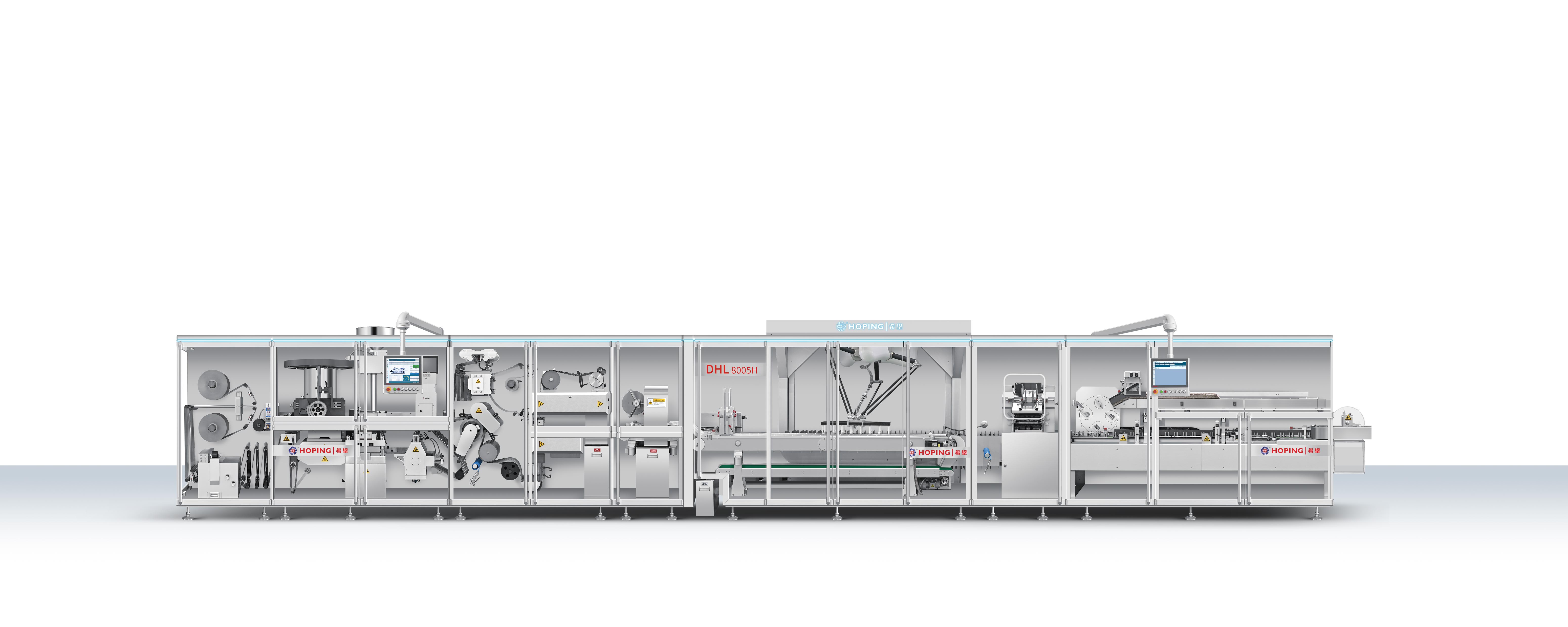
The choice between a blister packing line integrated with a cartoner and an automatic cartoner alone is not a simple machine comparison. It is a decision about where primary packaging ends, where secondary packaging begins, and how much production risk sits between those two steps. The DHL8005H is presented with nominal outputs of 800 blisters/min and 500 cartons/min. A standalone automatic cartoner such as the XWZ300II is rated at about 60–220 cartons/min. Those figures are not directly comparable because they describe different scopes of work. This framework helps buyers in the awareness and research stage decide which architecture fits their order-to-cartoning reliability targets.
Zhejiang Hoping Machinery Co., Ltd. (HOPING) is a pharmaceutical packaging machinery manufacturer based in Ruian, Zhejiang, China. HOPING lists blister packaging machines, cartoning machines, case packing machines and end-of-line packaging machines among its main products, with blister-cartoning integration positioned as one way to connect primary and secondary packaging.
Problem Definition: The Real Decision Is Line Architecture
A standalone automatic cartoner solves secondary packaging. It receives blister packs from an upstream pharmaceutical blister packaging machine, usually through a conveyor, buffer, or manual transfer. An integrated blister cartoning line combines blister forming, sealing, punching and cartoning in one linked flow. The visible capital cost difference hides four operational questions: how much work-in-process buffer is needed, how reliable the transfer is, how tightly the two machines are coupled, and where the validation boundary sits.
In-line material flow can reduce manual handling and intermediate storage. It can also mean that a stop in the blister section stops the cartoner, and a cartoner fault backs up the blister machine. Order-to-cartoning reliability is therefore not just a speed question. It depends on buffering, reject handling, changeover discipline, control integration, and the stability of the carton and blister formats.
Core decision rule: choose the architecture that protects the order-to-cartoning flow for the actual SKU mix. An integrated blister packaging line is not automatically better, and a standalone cartoning machine is not automatically more flexible. The buyer must compare scope, line balance, format changeover, documentation and risk isolation.
Industry Background: Why Integrated and Standalone Options Coexist
Pharmaceutical packaging decisions sit inside a regulated quality environment. The U.S. FDA states that Current Good Manufacturing Practice helps establish the foundation for quality pharmaceuticals through regulatory standards. ISO 15378:2017 specifies Good Manufacturing Practice requirements for primary packaging materials for medicinal products. These frameworks do not make an integrated line automatically compliant, and they do not make a standalone cartoner automatically non-compliant. They shape documentation, process control and qualification expectations for whichever architecture is selected.
Market signals also support investment in both directions. Custom Market Insights reported the global blister packaging machine pharmaceutical market at USD 2.57 billion in 2025, with Asia-Pacific described as the fastest-growing region at an 8.87% CAGR to 2031. Mordor Intelligence reported that horizontal cartoning systems held 70.12% of market share in 2024 in the end-load cartoning machine market. These figures support the general case for blister and cartoning automation, but they do not tell a specific buyer whether an integrated blister-cartoning line or a standalone automatic cartoner fits a specific plant, SKU and validation strategy.
Detailed Solution: When to Choose an Integrated Blister-Cartoning Line
An integrated blister-cartoning line is the stronger fit when the plant wants one linked pharmaceutical packaging line for a stable, high-volume solid-dosage product. The operational case is in-line material flow: blister packs move from the blister section to the cartoner without an independent transfer step. The commercial case is single-supplier responsibility for the blister packaging machine, cartoning machine, controls and line interfaces. The validation case is a defined line boundary for documentation, alarms, reject handling and acceptance testing.
The DHL8005H presents the integrated case clearly at the specification level: 800 blisters/min and 500 cartons/min. Those two numbers must be read together. The cartoner speed is lower than the blister speed, so the line balance depends on how many blisters go into each carton. If one blister goes into one carton, 800 blisters/min would require 800 cartons/min to consume all blister output, which is above the stated 500 cartons/min cartoner output. If two blisters go into one carton, the required carton rate falls to 400 cartons/min, which is within the stated 500 cartons/min figure. The buyer should calculate the required carton rate from the actual blister count per carton, then confirm sustained output, reject rate and buffer design with the supplier.
HOPING documents the DHL7005H integrated blister-cartoner with up to 700 blisters/min and 500 cartons/min, an IRB24 intelligent transfer robot, independent replenishment, Siemens motion controller and TP900 HMI, full servo drive and mould-change support. Those details are model-specific. They should not be assumed for the DHL8005H without written confirmation. The DHL8005H nominal speeds are supplied for this decision framework, but the full control architecture, changeover scope, footprint and downstream options must be confirmed in the project specification.
When a Standalone Automatic Cartoner Is the Better Fit
A standalone automatic cartoner is the stronger fit when the plant already has stable blister capacity, when primary formats change independently from carton formats, or when the project needs phased investment. The cartoner can be specified around the carton and leaflet format while the existing pharmaceutical blister packaging machine continues to run on its own changeover cycle. This decouples risk: a cartoner stop does not automatically stop the blister machine, provided the transfer and buffer are designed correctly.
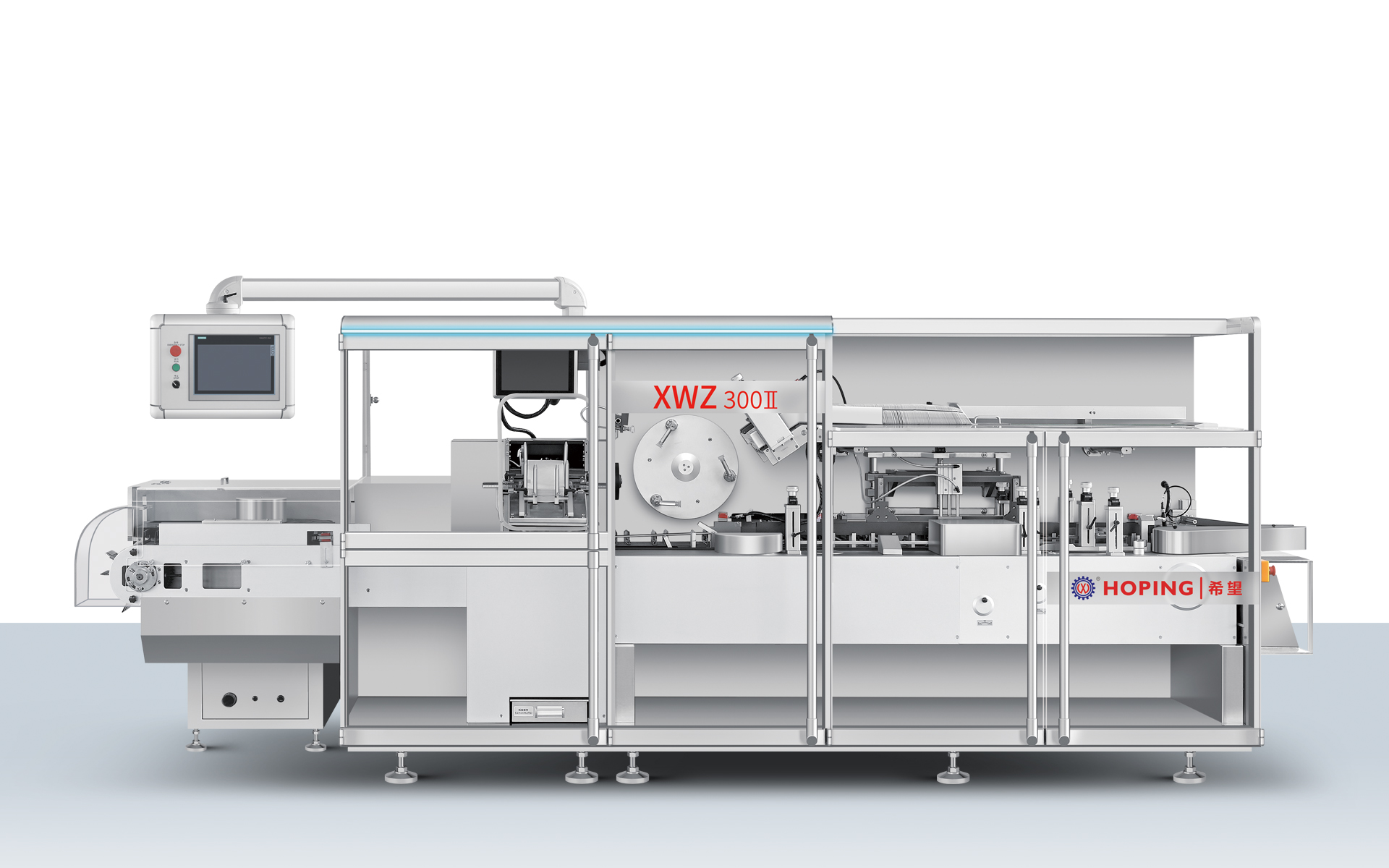
The XWZ300II is an example of a standalone intelligent high-speed cartoning machine with a capacity of about 60–220 cartons/min, clean compressed air pressure of 0.5–0.7 MPa, power supply of 380V 50Hz 5kW, overall dimensions of about 5160 x 1600 x 2100 mm, and net weight of about 4800 kg. The XWZ series covers about 100–400 cartons/min or 100–300 cartons/min depending on model, and is described for blister boards, sachets, bottles, tubes and other regular products subject to confirmed format. These are secondary packaging machines. They do not replace the blister packaging machine, the tablet blister packaging machine, the capsule blister packaging machine, or the alu alu blister packaging machine upstream.
Step-by-Step Breakdown: How to Compare the Two Architectures
- Define demand in cartons/min, not only blisters/min. Convert blister output into carton demand using the confirmed blister count per carton. For the DHL8005H, compare the calculated carton demand with the stated 500 cartons/min cartoner output before accepting the line balance.
- Map the material flow from order to carton. Identify every buffer, conveyor, elevator, reject lane and manual transfer between the blister packaging machine and the cartoning machine. An integrated line removes some transfers but adds coupling; a standalone cartoner removes coupling but requires a controlled upstream transfer.
- Check format compatibility. Confirm blister format, carton size, leaflet format, and material structure. HOPING lists flat-plate, roller-type aluminum-plastic and aluminum-aluminum blister packaging machines in its product-category coverage. For an alu alu blister packaging machine format, confirm forming and sealing compatibility with the selected line rather than assuming it from a general product list.
- Quantify footprint and utilities. A standalone XWZ300II cartoner has a listed footprint of about 5160 x 1600 x 2100 mm and a net weight of about 4800 kg. An integrated blister cartoning line combines blister and cartoning stations, so the layout must be checked as one line, including access for operation, cleaning and maintenance.
- Set the validation boundary. Decide whether the project will be validated as a linked blister-cartoning line or as separate blister and cartoning equipment. The integrated option requires line-level alarm, reject and interface documentation. The standalone option requires a clear interface definition between the upstream blister machine and the automatic cartoning machine.
- Confirm changeover and mould-change scope. HOPING documents mould-change support on the DHL7005H integrated line, but the DHL8005H changeover scope must be confirmed. For the XWZ series, cartoning is subject to confirmed format. Changeover time, format memory and tooling scope should be written into the quotation.
- Plan acceptance testing around the real format. Run the line or cartoner with the intended blister format, carton format, leaflet and material. Record sustained output, reject handling, transfer reliability and stoppage recovery. Nominal speeds are a starting point; acceptance evidence is the decision basis.
Use Cases: Which Architecture Fits Which Production Pattern
Greenfield high-volume tablet or capsule line
A new high-volume solid-dosage line with a stable tablet or capsule portfolio can use an integrated blister packaging line to connect the tablet blister packaging machine or capsule blister packaging machine directly to the cartoning machine. The DHL8005H 800 blisters/min and 500 cartons/min figures provide a starting capacity envelope, but the buyer must confirm carton count per blister and sustained output. This pattern suits a dedicated pharmaceutical packaging line where in-line material flow and single-supplier line responsibility are more important than independent changeover of primary and secondary stages.
Brownfield plant with existing blister capacity
A plant that already runs a pharmaceutical blister packaging machine and wants to add secondary packaging may choose a standalone automatic cartoner. The XWZ300II or another XWZ series horizontal cartoning machine can be integrated with the existing upstream flow through a defined transfer and buffer. This pattern can protect existing blister assets and phase capital spending, but it requires disciplined interface design between the existing blister packaging machine and the new cartoning machine.
Contract packaging with multiple carton formats
A contract packager with frequent carton changes may prefer a standalone automatic cartoning machine because the cartoner can change over while the blister machine continues on another batch. The trade-off is intermediate storage and transfer control. If the site instead needs one blister cartoning line for a narrow set of high-volume products, an integrated line can reduce manual handling and tighten order-to-cartoning traceability.
Downstream automation from carton to case
When the project includes a case packing machine, automatic case packer, pharmaceutical case packing machine or end of line packaging machine, the line architecture decision becomes broader. HOPING describes an integrated packaging line containing blister packing, cartoning, flow packing, case packing and palletizing equipment. For the DHL8005H, confirm which downstream modules are available and how they connect. A standalone cartoner can also feed a secondary packaging line, but the interface between cartoner and case packer must be designed as a separate project boundary.
Comparison Table: DHL8005H Integrated Line vs. Standalone Automatic Cartoner
| Decision factor | DHL8005H integrated blister-cartoning line | Automatic cartoner alone, XWZ300II example |
|---|---|---|
| Scope | Blister packaging and cartoning in one linked blister packaging line. | Cartoning only. Upstream pharmaceutical blister packaging machine and transfer are separate. |
| Nominal output | 800 blisters/min and 500 cartons/min, as presented for this framework. | About 60–220 cartons/min. |
| Material flow | In-line flow from blister section to cartoner, with line-level buffering and reject handling to be defined. | Requires a separate transfer or buffer from the blister machine to the cartoner. |
| Line balance | Cartoner nominal 500 cartons/min may constrain the line if one blister goes into one carton. Confirm blister count per carton and sustained output. | Cartoner capacity is matched to the upstream blister supply and buffer, not to a combined line rating. |
| Footprint and utilities | Line-level layout must be confirmed for DHL8005H. | About 5160 x 1600 x 2100 mm; about 4800 kg; 380V 50Hz 5kW; air 0.5–0.7 MPa. |
| Format changeover | DHL8005H changeover and mould-change scope must be confirmed in the quotation. | XWZ series cartoning is subject to confirmed format; changeover scope is cartoner-specific. |
| GMP and validation | Line-level interface, alarm, reject and process-control documentation should be defined. | Cartoner-level documentation plus a defined interface to the upstream blister machine. |
| Downstream connection | HOPING integrated-line scope can include downstream bundling, case packing and palletizing; confirm the DHL8005H configuration. | Ends at the carton. Case packing and end-of-line equipment are separate project modules. |
| Risk profile | Lower manual transfer risk but higher coupling risk between blister and cartoning stages. | Better risk isolation but greater dependence on transfer, buffer and intermediate control. |
| Typical fit | High-volume, stable SKU, single-supplier line responsibility, in-line material flow priority. | Existing blister capacity, multi-format cartoning, phased investment, decoupled changeover. |
FAQ
Does an integrated blister-cartoning line change GMP compliance obligations?
GMP obligations apply to pharmaceutical manufacturing and packaging regardless of whether the equipment is integrated or standalone. ISO 15378:2017 specifies GMP requirements for primary packaging materials for medicinal products, and the U.S. FDA provides guidance on current good manufacturing practice production and process controls. An integrated line does not replace those obligations. It adds line-level interfaces, alarm handling and validation documentation that should be defined in the project. Machine-specific requirements should be confirmed with the target-market regulator and the company quality function.
What do the DHL8005H 800 blisters/min and 500 cartons/min figures mean for line balancing?
They are nominal outputs in different units. The required carton rate depends on how many blisters go into each carton. If one blister goes into one carton, 800 blisters/min would require 800 cartons/min to consume all output, above the stated 500 cartons/min cartoner figure. If two blisters go into one carton, the required carton rate is 400 cartons/min, within the stated 500 cartons/min figure. Confirm the intended blister count per carton, reject rate, buffer and sustained output before fixing the line configuration.
How should buyers compare the budget of an integrated line with a standalone cartoner?
The supplied corpus does not provide price data, so the budget comparison must be built from project scope rather than a machine price alone. An integrated blister-cartoning line includes blister and cartoning scope plus line integration, transfer, controls, buffering and line-level validation interfaces. A standalone automatic cartoner covers cartoning only and requires separate upstream blister equipment, transfer and interface work. Compare total project scope, including tooling, utilities, documentation, installation and acceptance testing.
Can a standalone automatic cartoner handle the same carton formats as an integrated line?
XWZ series cartoners are described for blister boards, sachets, bottles, tubes and other regular products subject to confirmed format, with XWZ300II capacity at about 60–220 cartons/min. For an integrated line, the blister format, carton size, leaflet format and downstream connection must all be confirmed together. The DHL8005H carton format range is not stated in the supplied corpus, so it should be confirmed per project rather than assumed from another model.
What should be confirmed before ordering a DHL8005H blister-cartoning line?
Confirm the blister format, carton size, leaflet format, blister count per carton, required cartons/min, buffer and reject handling, control architecture, mould-change scope, GMP documentation and acceptance criteria. The supplied corpus states DHL8005H nominal speeds but not the full line specification. Request a project-specific quotation, layout and documentation package from HOPING before making the final architecture decision.
Conclusion: Choose the Architecture That Protects Order-to-Cartoning Reliability
The integrated blister-cartoning line and the standalone automatic cartoner solve different production problems. The DHL8005H integrated line is relevant when a plant wants one linked pharmaceutical packaging line, in-line material flow and single-supplier responsibility for blister and cartoning stages. The automatic cartoner alone is relevant when existing blister capacity, independent changeover, phased investment or risk isolation matter more. The 800 blisters/min and 500 cartons/min figures are a useful starting point, but they must be converted into carton demand, checked against format and buffer design, and verified through acceptance testing.
The decision framework is therefore simple: calculate carton demand, map the transfer, confirm format and documentation, and compare total project scope. For a high-volume tablet blister packaging machine or capsule blister packaging machine line with a stable carton format, the integrated route can tighten order-to-cartoning reliability. For a multi-format secondary packaging line or a brownfield plant with existing blister equipment, the standalone route can preserve flexibility and isolate risk. HOPING can review the DHL8005H configuration against the actual blister format, carton format and downstream plan.
Next step: discuss a project-specific DHL8005H blister-cartoning line quotation, layout review or format validation plan with HOPING. Download the HOPING Machinery Catalog for the broader pharmaceutical packaging machine range.
Contact: Monica | Email: monica@xwbj.com | Tel/WhatsApp: +86 133-5610-5292 | Website: www.hopingcn.com
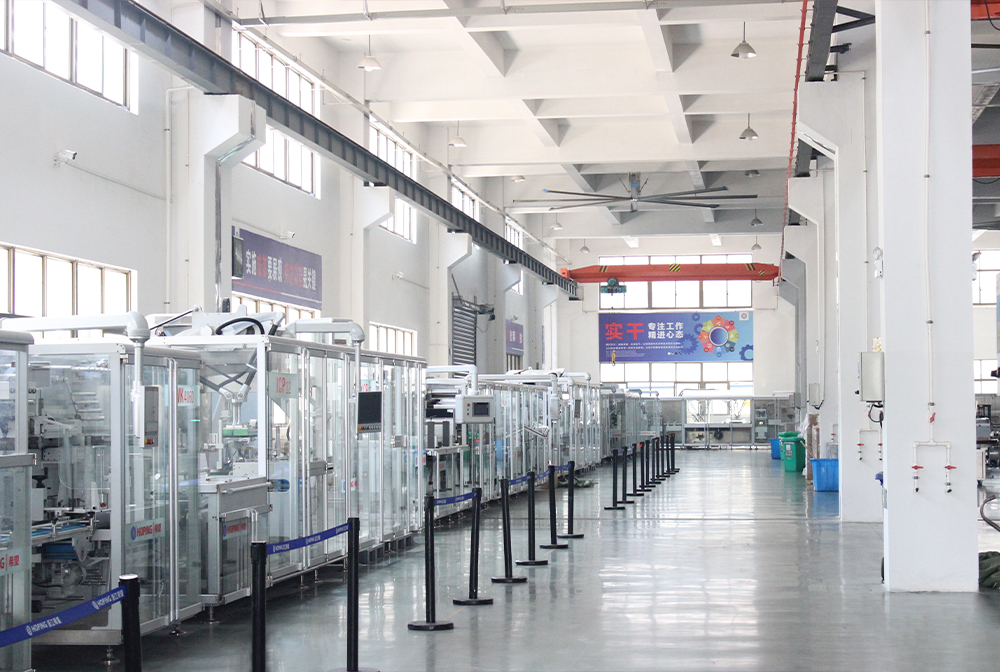
This article compares line architectures using the DHL8005H nominal outputs supplied for this decision framework and content-unit facts for HOPING equipment. Model-specific performance, documentation and acceptance criteria must be confirmed in the project quotation.
Have Questions or Need More Details?
Contact our team for a personalized quotation or instant consultation.
Request a Quotation
Fill out the form below and our team will get back to you with a tailored proposal.
WhatsApp Direct Chat
Prefer to chat in real-time? Message us on WhatsApp for instant assistance & quick answers.
- Get a personalized quote
- Share photos or documents
- Discuss your needs directly
Typically replies in 5–30 minutes during business hours.