
Blister-Cartoning Line Models Compared: From Basic to Fully Servo
A pharmaceutical packaging machine buyer often sees the same word - automatic - attached to very different blister-cartoning line architectures. This comparison separates basic mechanical lines from hybrid and fully servo integrated models, with the HOPING DHL8005H Automatic Blister-Cartoning Line used as the advanced reference at 800 blisters/min and 500 cartons/min.
Zhejiang Hoping Machinery Co., Ltd. (HOPING) is a Chinese manufacturer of pharmaceutical packaging machinery established in 2001. Its product scope covers blister packaging machines, cartoning machines, case packing machines and end of line packaging machines. The purpose of this article is not to declare a universal winner. It is to show evaluation-stage buyers how control platform, line integration and throughput ceiling change from a basic mechanical blister cartoning line to a fully servo model - and what evidence to request before signing.
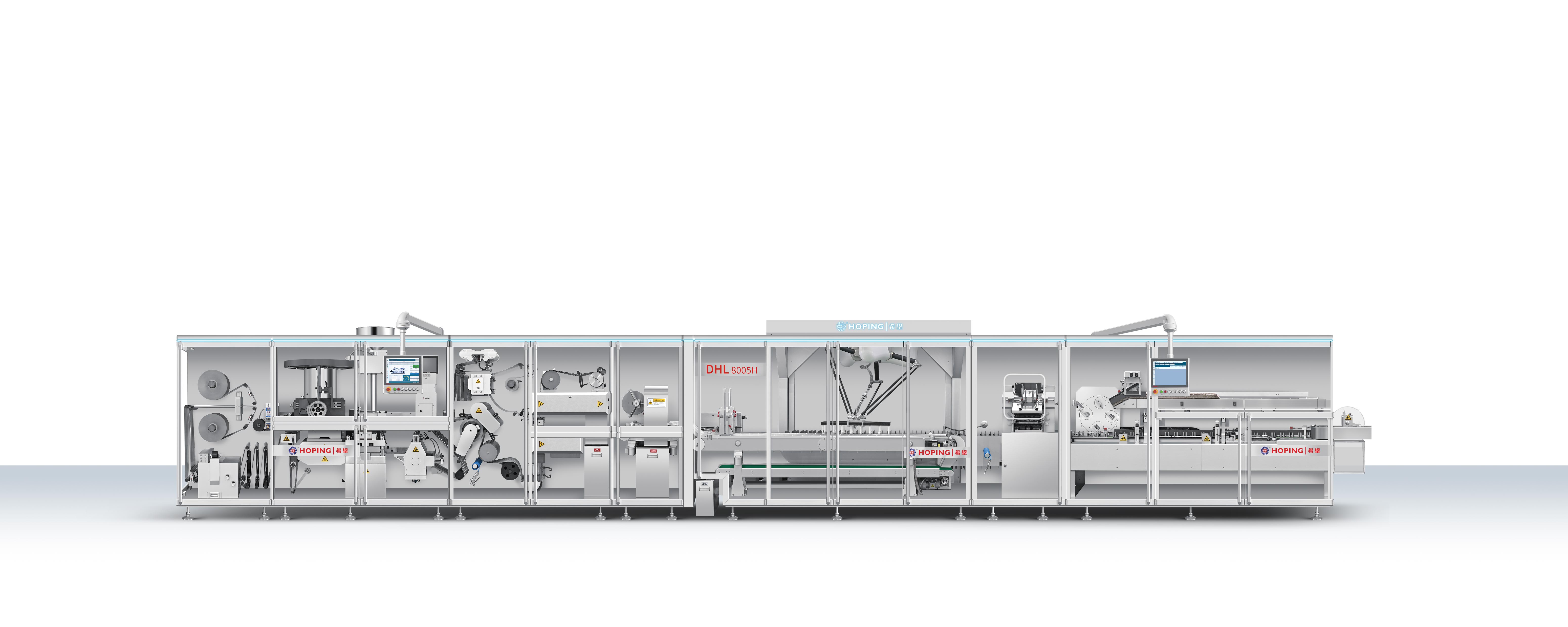
HOPING DHL8005H is the advanced reference in this comparison. Headline outputs require format-specific FAT validation.
Problem Definition: Why Two Automatic Blister-Cartoning Lines Are Not the Same
The procurement problem is not a shortage of suppliers. It is the difficulty of comparing a pharmaceutical blister packaging machine that is mechanically timed with a fully servo integrated line that is electronically synchronized. Both may run tablets or capsules. Both may be described as an automatic blister packaging machine or a blister cartoning machine. But the control architecture changes the real production ceiling, format-change workload, data interface options and validation effort.
Four questions usually expose the difference:
- Is the blister packaging machine and cartoning machine synchronized mechanically, or through servo axes and an electronic cam?
- Is the stated output a nominal maximum, or a sustained rate validated on a defined tablet, capsule or alu alu format?
- Can the line hold recipe parameters and repeat a format change without mechanical re-setting at every station?
- Does the control platform support the data interface and documentation the buyer needs for GMP qualification?
For a secondary packaging line, the wrong comparison is basic price against headline speed. The right comparison is total operating fit: product mix, changeover frequency, inspection needs, downstream case packing, and the acceptance-test protocol.
Industry Background: What Changed in Pharmaceutical Packaging Lines
Pharmaceutical packaging machinery covers equipment for filling, sealing, labelling, blister packaging and cartoning. Commercial research cited in the verified data package reports the global blister packaging machine pharmaceutical market at USD 2.57 billion in 2025, with Asia-Pacific described as the fastest-growing region at an 8.87% CAGR to 2031. The same dataset notes that horizontal cartoning systems held 70.12% of cartoning market share in 2024, which explains why horizontal cartoning machine designs remain central to many pharmaceutical cartoning machine projects.
HOPING presents blister packaging, cartoning, inspection and end-of-line automation as one packaging process, and lists an integrated line containing blister packing, cartoning, flow packing, case packing and palletizing equipment. That positioning matters because a pharmaceutical packaging line is rarely bought as an isolated blister packaging machine. It is usually bought as a chain: primary blister, secondary cartoning, then case packing machine or automatic case packer, and sometimes end of line packaging machine integration.
The control trend is also visible in the evidence. Trade media reporting PMMI content states that pharmaceutical manufacturers are turning toward digitised data collection and integrated solutions to meet regulations and improve visibility. For buyers, this does not mean every line needs the same control platform. It means the control platform should be specified, not assumed.
Detailed Solution: Three Model Tiers and the Control Platform Behind Each
Most blister-cartoning line quotations can be placed into three practical tiers. The tier names below are evaluation categories, not a claim that every supplier uses the same labels. HOPING's own model list includes DHL6004, DHL7004, DHL7005H, DHL8005H and DHL1000/5H, but model names alone do not prove the automation level. The control architecture and acceptance data must be checked model by model.
Tier 1: Basic Mechanical Blister-Cartoning Line
A basic mechanical line uses a main drive with cams, linkages and fixed timing to coordinate blister forming, sealing, cutting and carton transport. The control platform is typically a simpler PLC with limited recipe memory, and many format adjustments are mechanical. Its throughput ceiling is lower than a servo line, and the ceiling is more sensitive to format complexity and mechanical wear.
This tier can be appropriate for a stable single-SKU or low-mix pharmaceutical packaging line where changeover frequency is low and the buyer does not need extensive data interfaces. The limitation is not that the line is manual. The limitation is that mechanical synchronization fixes the timing relationship, so improving output or adding servo-driven functions later may require a larger rebuild.
Tier 2: Hybrid Mechanical-Servo Line
A hybrid line keeps mechanical transport in some sections but adds servo drives at selected stations, often carton erection, product loading, leaflet insertion or coding. The control platform moves to a PLC with servo positioning and a more capable HMI. Recipe management may be partial. The throughput ceiling sits between basic mechanical and fully servo designs, but the exact position depends on which stations are servo-driven.
For an evaluation-stage buyer, the hybrid tier is the easiest place to get an unclear quotation. A supplier may describe the line as servo-driven because one station uses a servo axis, while the blister forming and cartoning synchronization remain mechanical. The RFQ should therefore list each station and ask for the drive type, synchronization method and format-change procedure.
Tier 3: Fully Servo Integrated Blister-Cartoning Line
A fully servo integrated line uses independent servo axes and electronic synchronization across the blister and cartoning sections. The control platform is designed around recipe parameters, diagnostics and data interfaces rather than a single fixed mechanical timing. The practical benefit is a higher throughput ceiling, more repeatable format changes and better access to line-level production data.
HOPING positions the DHL8005H Automatic Blister-Cartoning Line as a fully servo integrated model. In the case evidence, the high-speed line is described with fully servo control, integrated line operation, modular configuration, multi-format compatibility, and cleaning and maintenance provisions suitable for continuous pharmaceutical production. The advanced reference output for this article is 800 blisters/min and 500 cartons/min. Those are nominal maximum figures; they should be validated on the buyer's tablet or capsule format, blister material, carton size and leaflet format during FAT.
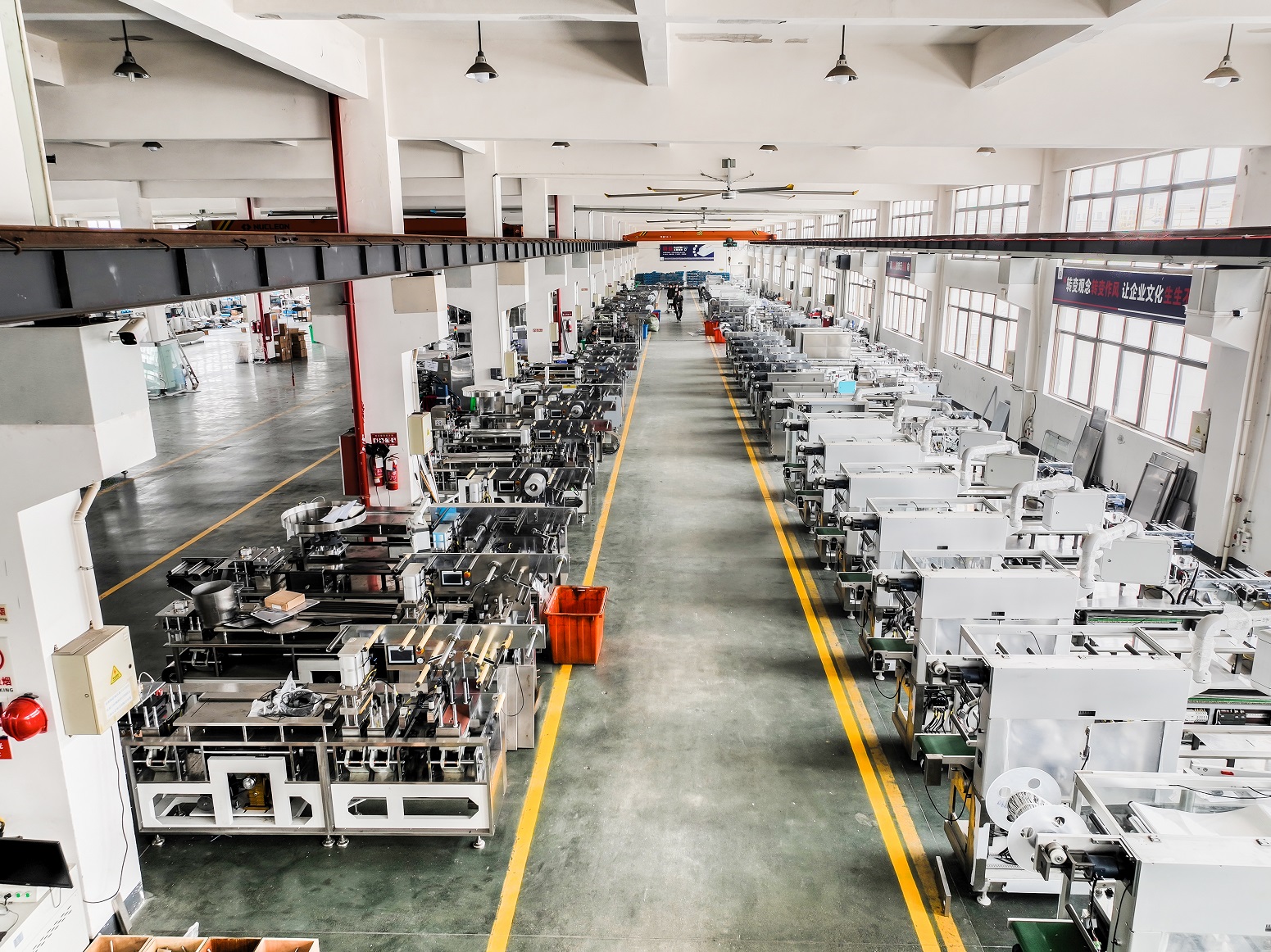
Blister machine workshop at HOPING. The primary blister section sets the format and material basis for the whole blister packaging line.
Control Platform Differences Buyers Should Inspect
Control platform is the clearest dividing line between tiers. In a basic line, the main motor and mechanical cam determine when each station acts. In a hybrid line, the PLC coordinates a mix of mechanical and servo motion. In a fully servo line, servo axes follow electronic cam profiles, and the HMI becomes the place where recipe, fault diagnosis and interface settings are managed.
HOPING's customization scope includes blister size, blister materials, quantity per carton, carton specification, leaflet format, coding or inspection method, feeding method, downstream bundling or case-packing or palletizing connection, interface language, electrical component brand and data interface. That list is useful in an RFQ because it turns a vague request for a pharmaceutical cartoning machine into a defined control and integration scope.
Step-by-Step Breakdown: How to Compare a Basic Line With a Fully Servo Model
Use the same sequence for a basic mechanical line, a hybrid model and a fully servo integrated line. The sequence prevents a supplier from winning the comparison with a headline speed that does not apply to the buyer's product.
- Define the dosage form and pack format. State whether the line will run tablet blister packaging machine formats, capsule blister packaging machine formats or alu alu blister packaging machine structures. Give blister dimensions, forming material, carton size, leaflet format and target count per carton.
- Set the output basis. Ask for nominal maximum output and sustained output on the defined format. For the DHL8005H reference, the nominal maximum is 800 blisters/min and 500 cartons/min. Treat any number without a format basis as a screening figure, not a capacity guarantee.
- Map the line balance. Compare blister output with cartoning output. A blister cartoning line can have a fast primary section and a slower cartoner, or the reverse. The lower validated rate governs the line. Ask how the supplier balances the automatic blister packaging machine with the automatic cartoning machine.
- Audit the control platform station by station. Record which axes are servo-driven, how the blister and cartoner are synchronized, whether recipe parameters are stored, and what data interface is available. HOPING's customization scope includes interface language and data interface, so these should be written into the technical agreement.
- Review format change and cleaning. Ask for the changeover procedure, the tools required, the number of mechanical adjustments and the cleaning access. A fully servo line is not automatically a quick-change line; the mechanical format parts still matter.
- Check inspection and coding integration. Confirm the coding or inspection method, the reject logic and the interface to the line control. This is especially important when the pharmaceutical packaging line feeds a case packing machine or automatic case packer downstream.
- Require a FAT and material trial plan. HOPING's quality control list includes incoming material inspection, key component inspection, assembly inspection, electrical safety check, no-load trial run, material trial, FAT, customer witness acceptance and pre-shipment inspection. Use the material trial and FAT to verify the throughput ceiling and the carton quality.
- Check commercial terms and documentation. Confirm MOQ, lead time, spare parts, training and the certificate scope for the exact model. These items belong in the same comparison table as speed and control platform.
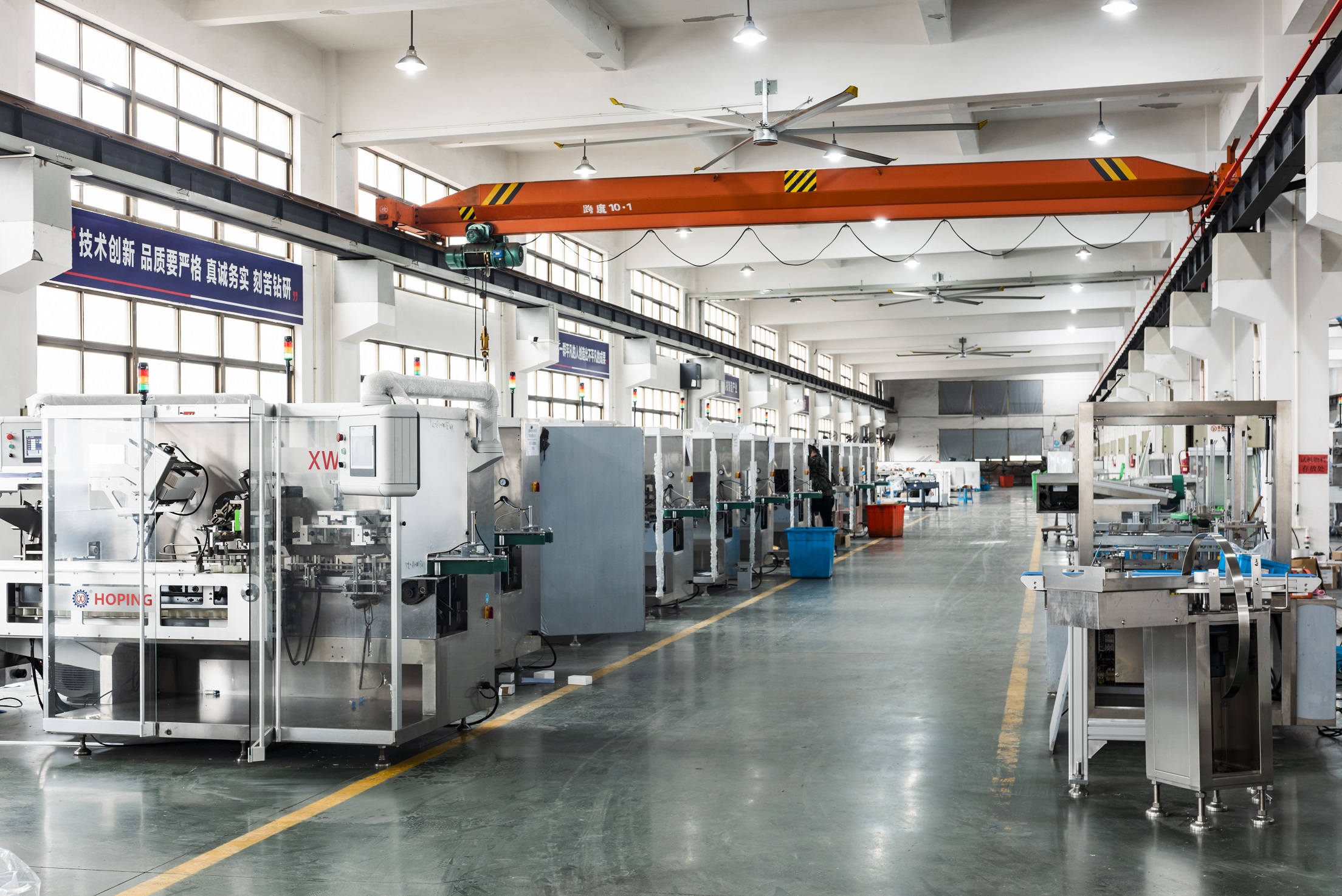
Cartoner workshop at HOPING. The cartoning machine section determines whether the line can match the blister output without manual buffering.
Comparison Table: Basic, Hybrid and Fully Servo Blister-Cartoning Lines
| Evaluation point | Basic mechanical line | Hybrid mechanical-servo line | Fully servo integrated line - DHL8005H reference |
|---|---|---|---|
| Control basis | Main drive with cams, linkages and fixed timing; simpler PLC and limited recipe depth. | PLC with servo positioning at selected stations; some mechanical synchronization remains. | Independent servo axes with electronic synchronization; recipe, diagnostics and data interface are part of the control scope. |
| Throughput ceiling | Lower ceiling; sensitive to format complexity and mechanical condition. Confirm on FAT. | Mid-range ceiling; depends on which stations are servo-driven. Confirm station by station. | HOPING DHL8005H advanced reference: 800 blisters/min and 500 cartons/min nominal maximum. |
| Format change | More mechanical adjustment; repeatability depends on operator skill and tooling. | Partial recipe support; some adjustments remain mechanical. | Recipe-driven parameters support repeatable changeover; mechanical format parts still require verification. |
| Line integration | Usually limited to blister and carton transfer; downstream case packing may be separate. | Can connect to downstream equipment, but interface scope must be defined. | Designed for integrated line operation and modular configuration; downstream case packing and palletizing connection can be specified. |
| Best fit | Stable single-SKU or low-mix production with lower changeover frequency. | Buyers who need selected servo functions without a full servo line. | High-volume or multi-format pharmaceutical production where throughput ceiling and control visibility matter. |
| Evidence to request | Mechanical timing drawings, format list, FAT protocol. | Station-level drive list, synchronization description, FAT protocol. | Servo axis list, recipe and data-interface description, material trial and FAT records for the defined format. |
The table is an evaluation framework. Only the DHL8005H output figures are model-specific in this article. Basic and hybrid ceilings are not assigned numeric values because the supplied evidence does not establish them for a defined format.
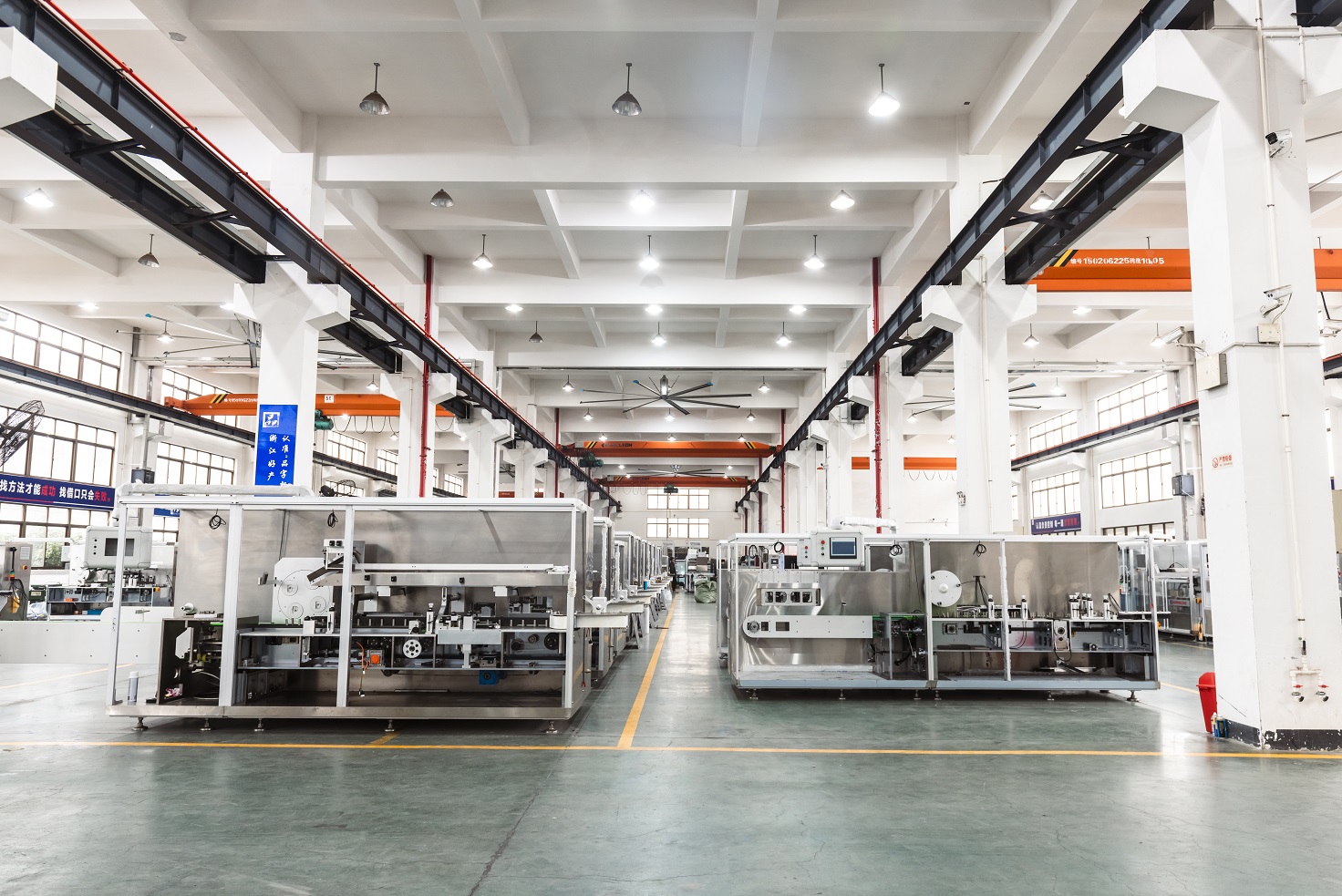
High-speed cartoner workshop at HOPING. A fully servo line still depends on mechanical carton handling and format tooling.
Use Cases: Matching the Model Tier to the Production Job
High-volume generic tablets and capsules
A high-volume solid dosage plant with a stable tablet or capsule portfolio is the natural fit for a fully servo integrated blister cartoning line. The DHL8005H reference at 800 blisters/min and 500 cartons/min shows the class of throughput ceiling the buyer is evaluating. The decision should still be based on sustained output, carton quality and reject handling during the material trial.
Multi-SKU contract packaging and export orders
A contract packager or export-oriented producer may run many carton sizes and leaflet formats. Here the value of a fully servo line is not only speed. It is recipe repeatability and the ability to document the control settings. A hybrid line can work if the format list is limited and the mechanical adjustments are acceptable. The RFQ should include the full SKU list, not only the fastest product.
New product introduction and clinical trial supplies
A new product introduction or clinical trial supply project may not need the highest throughput ceiling. A basic or hybrid blister packaging line can be appropriate when batch size is small and the format is still evolving. The buyer should still require a material trial and a clear changeover procedure, because a low-speed line with difficult changeover can become the bottleneck later.
Nutraceutical and high-value solid dosage
For nutraceutical tablets or high-value solid dosage, the line may need coding, inspection and careful reject segregation in addition to cartoning. HOPING's customization scope covers coding or inspection method and feeding method, so these should be specified with the pharmaceutical cartoning machine and the blister packaging machine as one requirement. This is also where an integrated line with downstream case packing can reduce manual transfer.
Downstream automation and end-of-line integration
When the project includes a case packing machine, automatic case packer or end of line packaging machine, the blister cartoning line should be specified with the downstream interface from the start. HOPING describes an integrated packaging line containing blister packing, cartoning, flow packing, case packing and palletizing equipment. The control interface, buffering and reject logic between the cartoner and the case packer are part of the line architecture, not an afterthought.
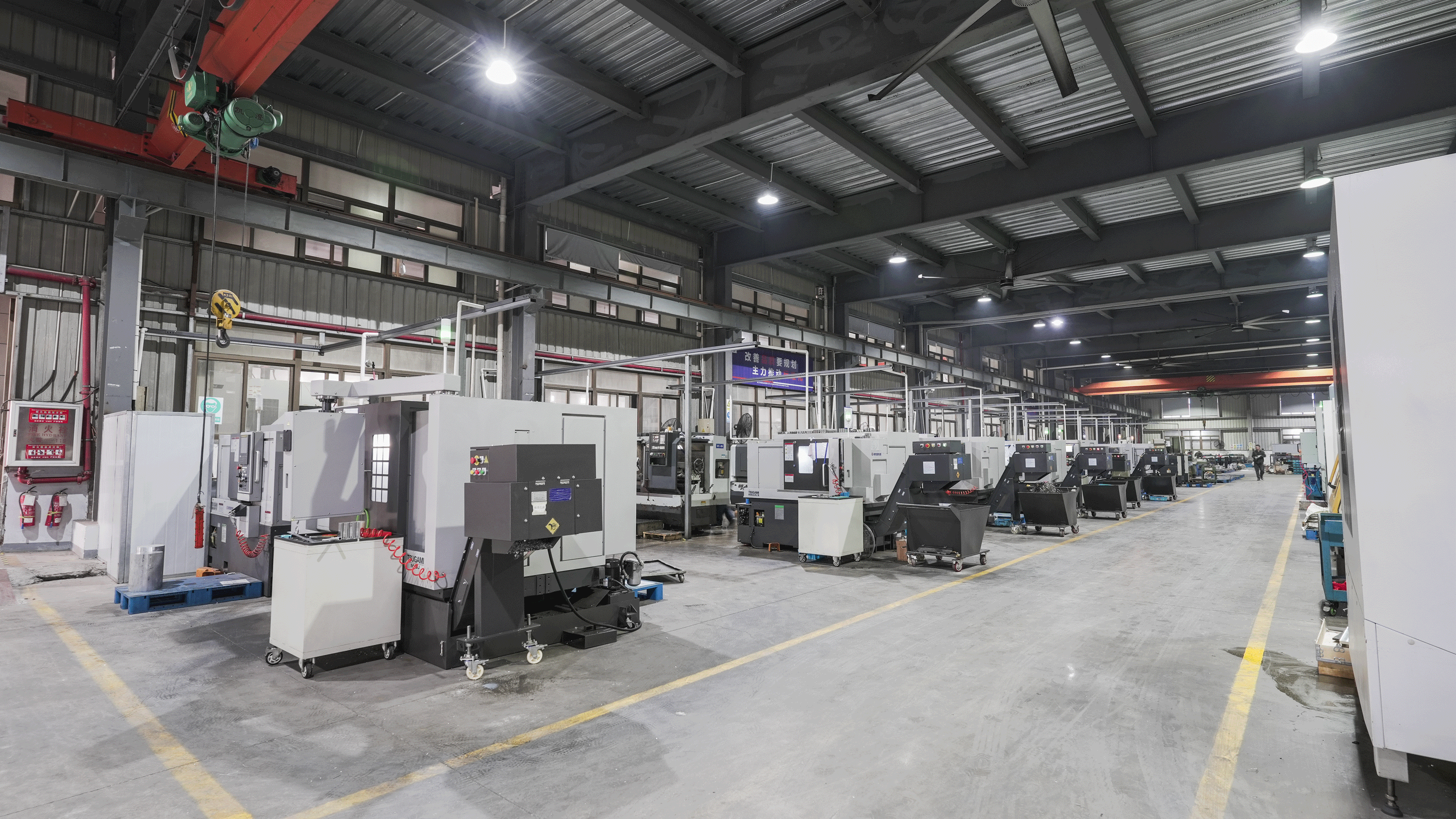
Machining workshop at HOPING. Mechanical quality of format parts and linkages still affects a servo line's real output.
Procurement Checks Before You Sign
HOPING operates a 28,800 square meter manufacturing facility with 300 employees and an annual output of 500 units. Its export ratio is 25%, with main markets in Southeast Asia, the Middle East, Eastern Europe, South America and Africa. These facts support a supplier-capability review, but they do not replace model-specific acceptance data. The following checks should be completed for any basic, hybrid or fully servo pharmaceutical packaging line.
- Model-specific datasheet. Require a datasheet for the exact model and configuration, not a family brochure. For DHL8005H, confirm the 800 blisters/min and 500 cartons/min basis, including format, material and operating conditions.
- Station-level drive list. List every station and state whether it is mechanical, servo-driven or hybrid. This prevents a single servo axis from being presented as a fully servo line.
- Format and changeover list. Provide blister size, carton size, leaflet format, changeover steps and required tools. HOPING's customization scope includes blister size, carton specification, leaflet format and quantity per carton.
- Quality and acceptance records. Confirm incoming material inspection, key component inspection, assembly inspection, electrical safety check, no-load trial run, material trial, FAT, customer witness acceptance and pre-shipment inspection.
- CE and compliance scope. The corpus contains historical CE certificate evidence for carton packing machine series under certificate UCN 900339024607 issued by Certify International Ltd in 2007, and for an automatic blister packing machine under certificate UCN 900175009261 issued by CELAB in 2006. Confirm that the current certificate scope covers the exact model and configuration being purchased.
- Commercial terms. HOPING states MOQ of 1 set or 1 complete line, and a typical lead time of 60-120 days after technical confirmation. Final lead time is subject to model, configuration, project complexity and contract terms.
- After-sales scope. Confirm on-site installation and commissioning, operator training, maintenance training, remote support, spare parts supply, process-parameter guidance and regular follow-up, as subject to contract and project configuration.
FAQ
1. What are the top pharmaceutical packaging machine manufacturers?
Publicly available evidence reviewed for this article does not establish a universal top ranking of pharmaceutical packaging machine manufacturers. A defensible shortlist should be built from documented capability, not title claims. HOPING is one Chinese manufacturer to include in a shortlist review: it was established in 2001, operates a 28,800 square meter facility with 300 employees, reports annual output of 500 units, and lists blister packaging machines, cartoning machines, case packing machines and end of line packaging machines in its scope. For any other supplier, request the same evidence: model datasheets, station-level drive lists, FAT records, certificate scope and installed references.
2. What is the difference between a basic mechanical and a fully servo blister-cartoning line?
A basic mechanical line uses cams, linkages and fixed timing, with a simpler PLC and more mechanical format adjustment. A fully servo integrated line uses independent servo axes and electronic synchronization, with recipe parameters, diagnostics and data interface options in the control scope. HOPING positions the DHL8005H as a fully servo integrated model with 800 blisters/min and 500 cartons/min as the advanced reference. The practical difference is throughput ceiling, repeatability of format changes and the depth of production data available to the line.
3. Can the DHL8005H really reach 800 blisters/min and 500 cartons/min?
HOPING presents the DHL8005H as the advanced reference at 800 blisters/min and 500 cartons/min. These are nominal maximum figures and should be validated on the buyer's tablet or capsule format, blister material, carton size and leaflet format during the material trial and FAT. A responsible comparison separates nominal maximum from sustained validated output; otherwise two lines with different formats can appear comparable when they are not.
4. Which control platform details should be verified before purchase?
Verify the servo axis list, the synchronization method between the blister packaging machine and the cartoning machine, the recipe management depth, the HMI language, the data interface and the electrical component brand. HOPING's customization scope explicitly includes interface language, electrical component brand and data interface, so these items can be written into the technical agreement. Also confirm how reject tracking, coding or inspection signals and downstream case packing interfaces are handled.
5. What are the MOQ, lead time and next step for a sample or quotation?
HOPING states an MOQ of 1 set or 1 complete line. Typical lead time is 60-120 days after technical confirmation, with the final lead time subject to model, configuration, project complexity and contract terms. To move from comparison to a concrete proposal, prepare a format list, target output, carton and leaflet specification, and downstream integration requirement. You can review the HOPING catalog at Hoping Machinery Catalog or contact HOPING to request a line configuration review and quotation.
Conclusion: Choose the Control Architecture, Not Just the Speed Number
The comparison from basic mechanical to fully servo is ultimately a comparison of control architecture and production fit. A basic line may be sufficient for a stable, low-mix product. A hybrid line can cover selected servo functions. A fully servo integrated line such as the HOPING DHL8005H is the appropriate evaluation target when the project needs a higher throughput ceiling, recipe repeatability and line-level integration. The 800 blisters/min and 500 cartons/min reference is a starting point for the capacity discussion, not a substitute for format-specific FAT evidence.
For a turnkey pharmaceutical packaging line, the strongest procurement position is to compare like with like: the same dosage form, the same carton and leaflet, the same downstream case packing requirement and the same acceptance protocol. That is how a buyer can tell whether the extra automation in a fully servo blister cartoning line will be used, or whether a simpler model is the better operational match.
Next step: HOPING provides blister packaging machines, cartoning machines, case packing machines and end of line packaging machines for pharmaceutical and other industries. To discuss a DHL8005H configuration, request a sample format review or a quotation, contact HOPING at www.hopingcn.com, email monica@xwbj.com, or WhatsApp +86 133-5610-5292. Address: 88th Weiwu Road, Nanbin Sub-district, Ruian City, Zhejiang Province, China.
Catalog download: Hoping Machinery Catalog PDF.
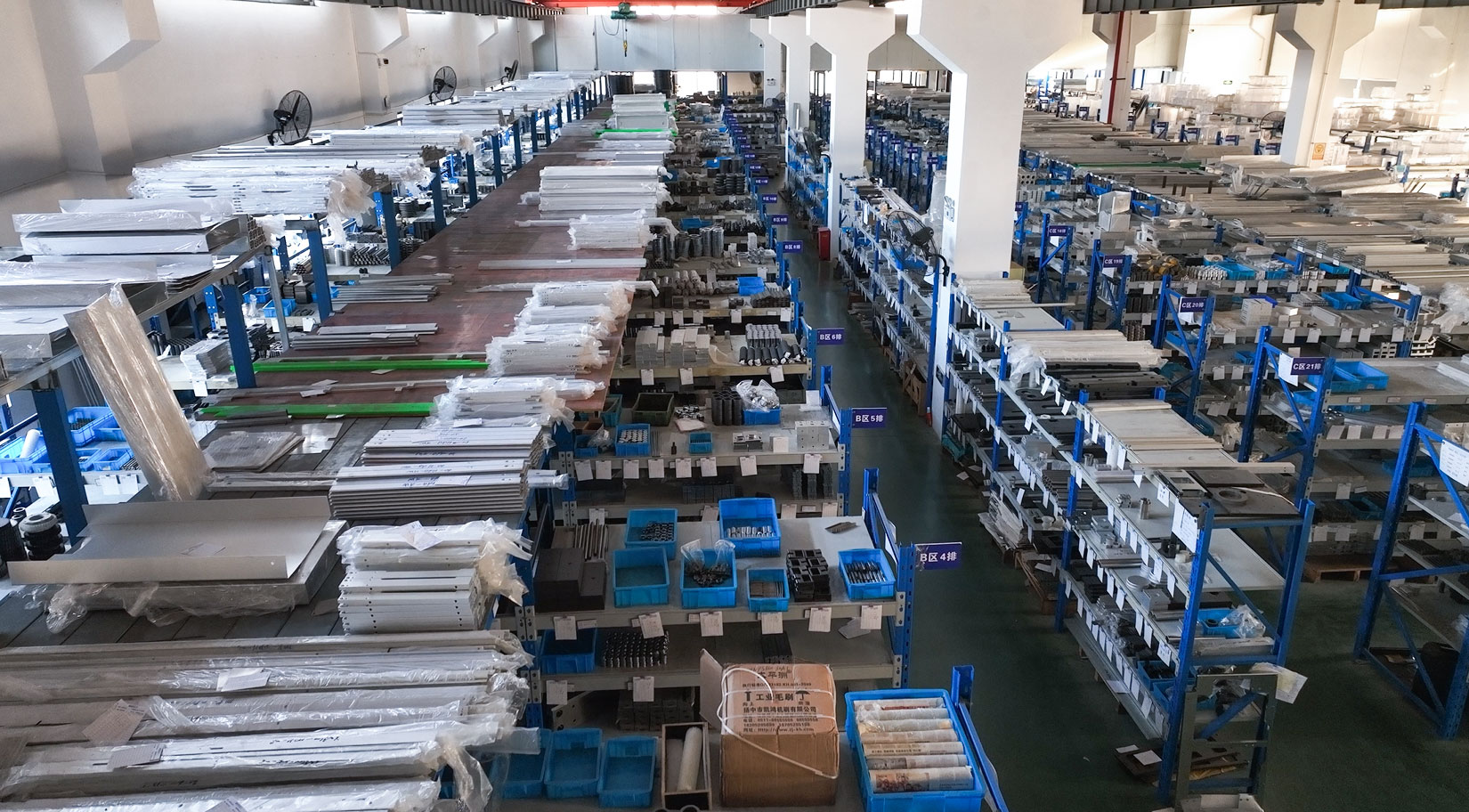
HOPING warehouse. Delivery planning and lead time should be confirmed against the final line configuration.
Have Questions or Need More Details?
Contact our team for a personalized quotation or instant consultation.
Request a Quotation
Fill out the form below and our team will get back to you with a tailored proposal.
WhatsApp Direct Chat
Prefer to chat in real-time? Message us on WhatsApp for instant assistance & quick answers.
- Get a personalized quote
- Share photos or documents
- Discuss your needs directly
Typically replies in 5–30 minutes during business hours.