
Automatic Blister-Cartoning Lines: GMP Materials Compared
The main difference between automatic blister-cartoning lines is not only speed or servo count. GMP-oriented materials and finishes determine how cleanable the line is, how contamination risk is controlled, and how much material documentation a buyer must review before acceptance. The DHL8005H is specified with stainless steel and aluminum-alloy for product-contact parts and tooling, which is the right material direction for pharmaceutical packaging lines, but the buying decision should convert that claim into a material schedule, finish specification, certificate set, and acceptance-test plan.
Problem Definition: Why Material and Finish Claims Are Hard to Compare
Most automatic blister-cartoning line comparisons focus on output, carton size range, changeover, and automation level. Those are visible specifications. Material and finish choices are harder to compare because they sit between the mechanical drawing, the technical agreement, and the cleaning procedure. A line can look similar on a brochure while differing in product-contact materials, tooling materials, weld treatment, surface finish, crevice control, and documentation.
For a pharmaceutical packaging machine, this gap matters. Packaging protects product stability and integrity through shipping and storage. A blister-cartoning line handles tablets, capsules, blisters, cartons, leaflets, and printed codes in one connected process. If product-contact parts or tooling are difficult to clean, or if material certificates are missing, the buyer carries a qualification and contamination-control burden after installation. The comparison should therefore start with the product-contact boundary, not with the machine frame.
The DHL8005H material claim is a useful starting point: stainless steel and aluminum-alloy are named for product-contact parts and tooling. That is consistent with common pharmaceutical packaging-line expectations because these material categories are associated with cleanability and corrosion resistance. The claim is not, by itself, proof of GMP compliance. A buyer still needs the alloy grade, surface finish, contact status, cleaning compatibility, and certificate reference. This article provides a comparison framework for that review.
Industry Background: GMP Pressure Meets Capacity Growth
The global blister packaging machine pharmaceutical market was valued at USD 2.57 billion in 2025, and Asia-Pacific is reported as the fastest-growing region at an 8.87% CAGR to 2031. In cartoning, horizontal cartoning systems held 70.12% of the market share in 2024. These figures describe a market in which capacity expansion and format choice remain active, but they do not remove the compliance question. Growth does not make material documentation less important; it makes supplier comparison more frequent.
The regulatory frame is also clear at the general level. ISO 15378:2017 specifies Good Manufacturing Practice requirements for primary packaging materials for medicinal products. The U.S. FDA states that Current Good Manufacturing Practice establishes the foundation for quality pharmaceuticals through regulatory standards, and FDA provides official guidance concerning cGMP production and process controls. These references frame why material selection, cleaning, and contamination control are procurement issues, not only engineering preferences. Machine-specific requirements still need to be confirmed against the target market and the user's validation plan.
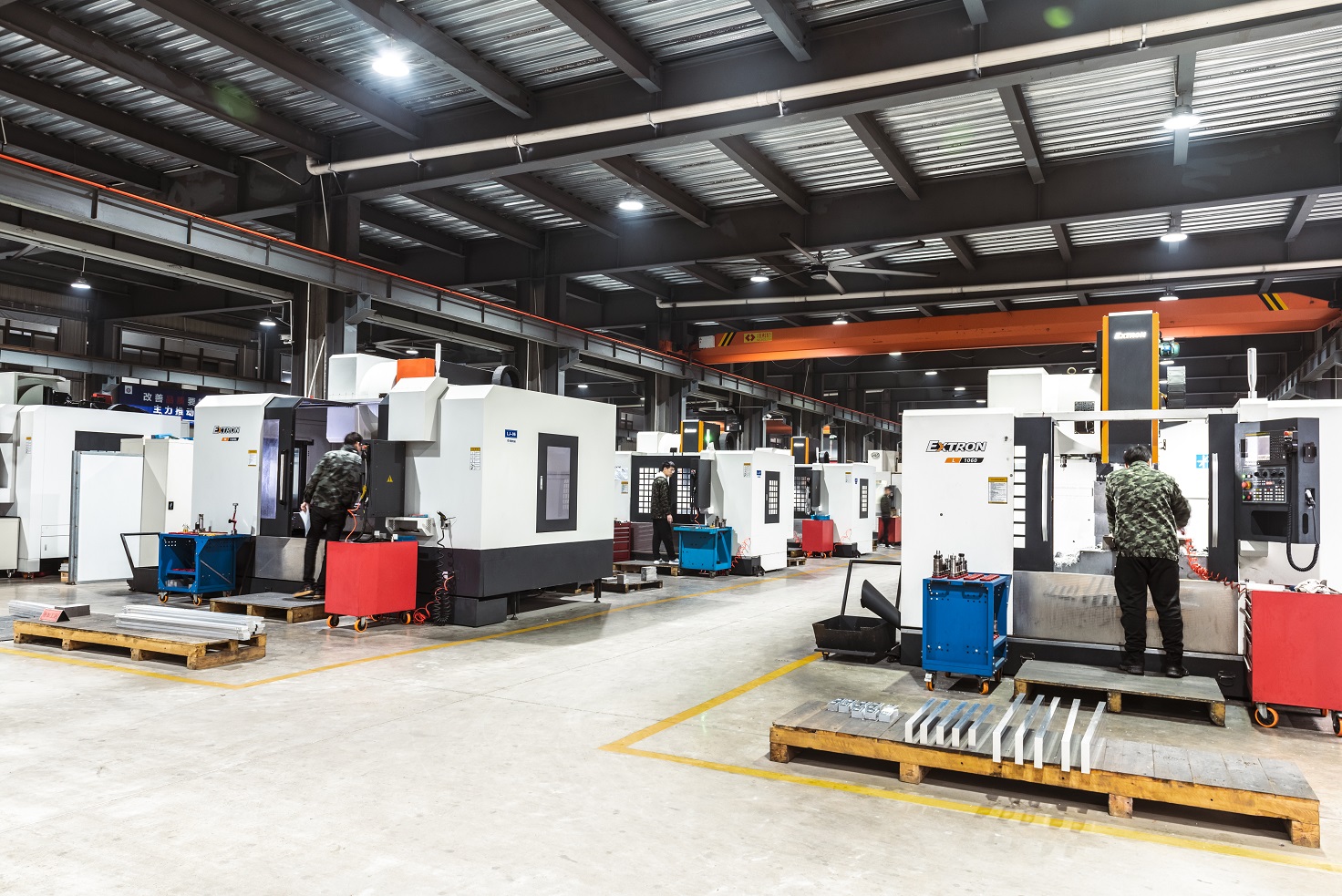
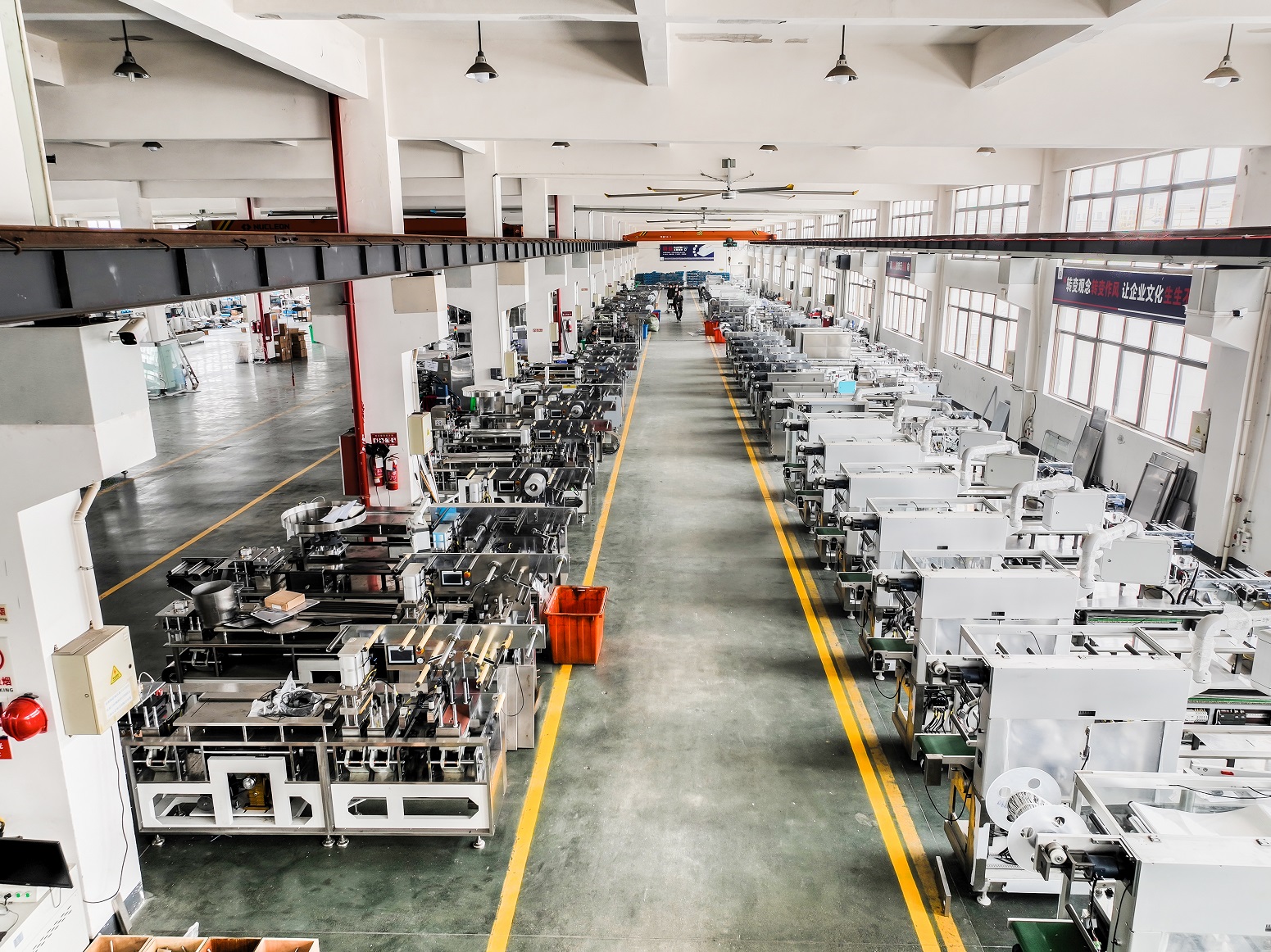
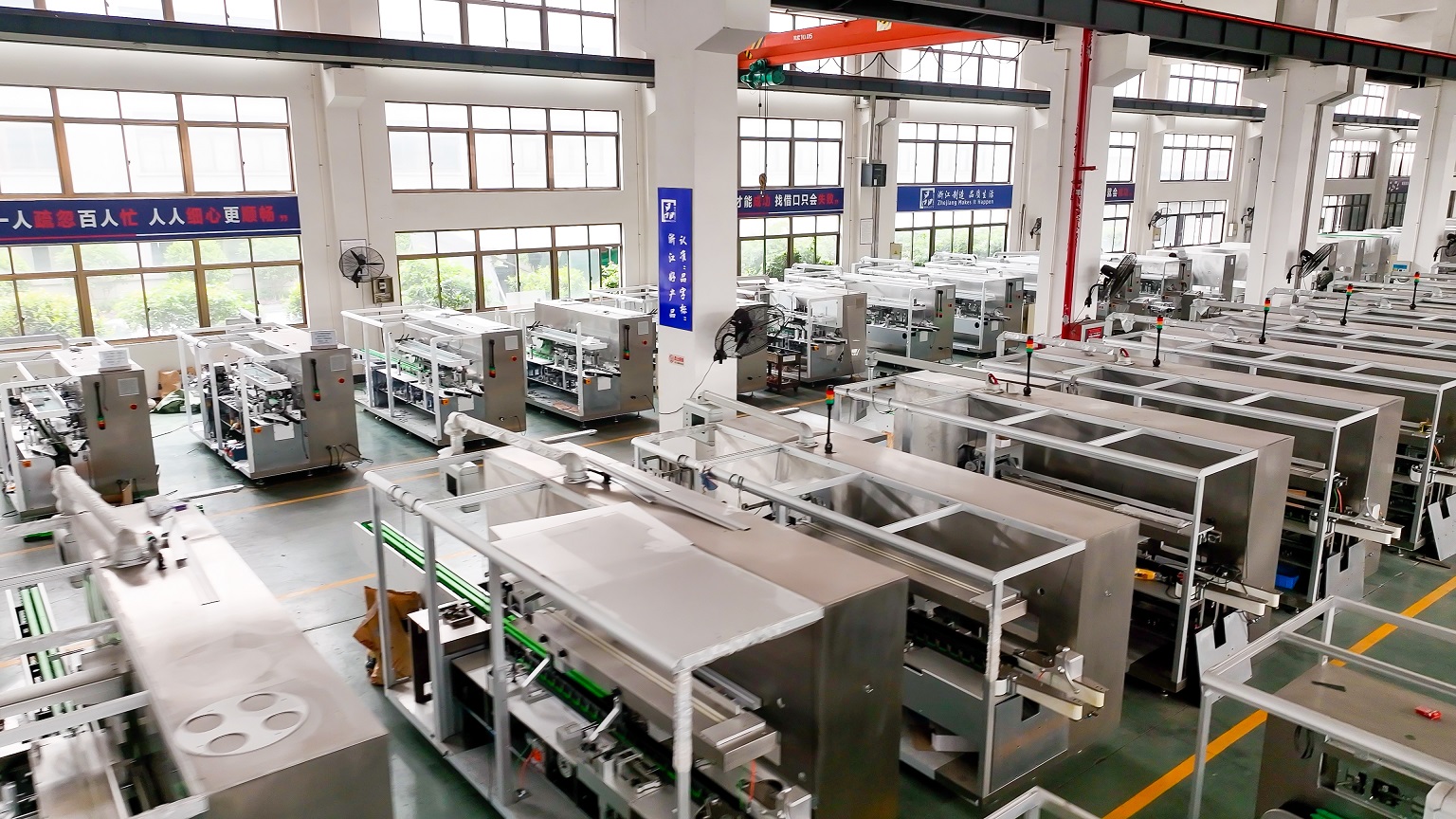
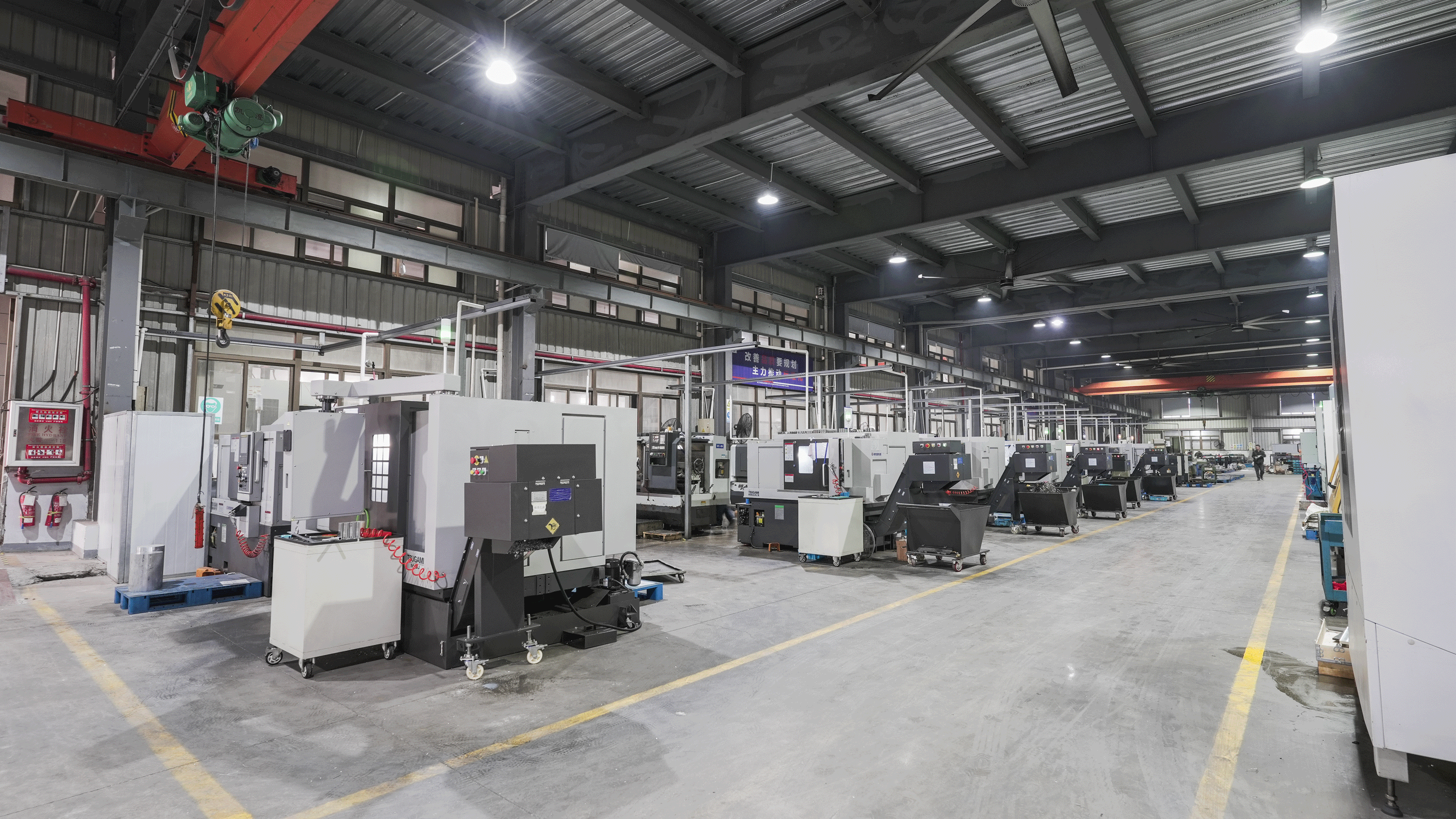
Zhejiang Hoping Machinery Co., Ltd. (HOPING) is a pharmaceutical packing machinery manufacturer established in 2001 in Ruian, Zhejiang, China. HOPING operates a 28,800 square meter facility with 300 employees and an annual output of 500 units. Its main products include blister packaging machine, cartoning machine, case packing machine, and end of line packaging machine. HOPING lists flat-plate, roller-type aluminum-plastic, aluminum-aluminum blister packaging machines, automatic cartoning machines, and production lines. This product scope is relevant because material and finish comparison should follow the actual line architecture, not a single machine category.
Detailed Solution: A GMP-Oriented Material and Finish Comparison Framework
GMP-oriented materials should be compared as a system of decisions: product-contact boundary, alloy selection, surface finish, cleaning compatibility, contamination controls, and documentation. The material name is only the first data point.
1. Define the product-contact boundary before comparing materials
For an automatic blister-cartoning line, product-contact parts can include forming, feeding, transfer, insertion, and tooling surfaces that touch the blister, tablet, capsule, carton, or leaflet. The buyer should ask the supplier to mark contact, non-contact, and incidental-contact parts on the drawing. The DHL8005H material claim should be mapped to that boundary: which parts are stainless steel, which are aluminum-alloy, and which are tooling rather than product-contact surfaces. Without that map, a general statement about materials cannot be compared across suppliers.
2. Convert stainless steel and aluminum-alloy into a material schedule
Stainless steel and aluminum-alloy are material families, not complete specifications. A purchase-grade comparison should request the alloy grade, finish condition, hardness or wear requirement where relevant, cleaning-agent compatibility, and certificate reference. For aluminum-alloy tooling, the buyer should confirm wear resistance, coating or surface treatment if used, and cleaning method. For stainless steel product-contact parts, the buyer should confirm finish, weld treatment, and crevice avoidance. These are documentation questions, not marketing differentiators.
The DHL8005H is specified with stainless steel and aluminum-alloy for product-contact parts and tooling. The intended benefit is reduced contamination risk and better cleanability. To verify that benefit, the technical agreement should state the contact boundary and the material certificate requirement. A supplier that cannot provide a material schedule should not be treated as equivalent to one that can.
3. Compare surface finishes by cleanability, not by appearance
Surface finish affects cleaning. The comparison should cover visible welds, crevices, dead corners, fasteners, hinges, and tooling joints. A polished-looking panel is not the same as a cleanable product-contact surface. Buyers should ask for the finish specification on product-contact parts, the weld treatment standard, and the cleaning method the finish is designed for. Where the supplier uses aluminum-alloy tooling, the buyer should ask how the surface is protected and how it is cleaned between formats.
4. Link material choices to contamination controls
Materials and finishes do not control contamination alone. The line should also be reviewed for sensor monitoring, vision or checkweighing inspection where configured, missing-product alarm, automatic stop, automatic rejection, key-parameter locking, fault records, and mechanical safety protection. These controls address poor blister forming or sealing, missing, wrong or incomplete product feeding, missing leaflet, carton jam, coding or date printing error, foreign matter or contamination risk, and downtime during high-speed operation. The material review and the control review should be read together.
5. Require documentation and acceptance evidence
A GMP-oriented comparison should ask for material certificates, surface finish specification, cleaning procedure, and change-control records. The risk-control package should also include FAT/SAT acceptance and SOP training. HOPING's stated enterprise measures include confirming samples and packaging materials at the early project stage, designing the solution according to blister and carton formats, conducting no-load and material tests before shipment, and providing installation, commissioning, training, spare parts, and remote technical support. Customer witness acceptance can be arranged for key projects.
6. Compare line integration, because material risk changes with manual handling
An integrated line combines blister packaging, blister transfer, leaflet handling, carton opening, insertion, inspection/rejection, and downstream connection into one automated process. Compared with a traditional blister machine plus manual transfer plus standalone cartoner solution, this reduces manual intervention. For material and finish comparison, that matters because every manual transfer is an additional contact and handling point. The DHL8005H should therefore be compared as part of an integrated blister-cartoning process, not only as a set of product-contact parts.
Step-by-Step Breakdown: How to Compare DHL8005H-Type Lines
- Draw the product-contact map. Mark every surface that can touch the tablet, capsule, blister, leaflet, carton, or printed code. Separate stainless steel, aluminum-alloy tooling, and non-contact parts.
- Request the material schedule. Ask for alloy grade, finish, contact status, cleaning-agent compatibility, and certificate reference for each product-contact part.
- Compare finish and cleanability. Review welds, crevices, dead corners, tooling joints, and cleaning access. Do not accept a general polished finish claim without a specification.
- Map contamination risks to controls. Check sensor monitoring, missing-product alarm, automatic stop, automatic rejection, key-parameter locking, fault records, and mechanical safety protection.
- Review documentation and validation. Confirm material certificates, surface finish specification, cleaning procedure, change-control records, FAT/SAT criteria, and SOP training.
- Run sample and material tests. Confirm samples and packaging materials early, design the solution according to blister and carton formats, and conduct no-load and material tests before shipment.
- Compare lifecycle support. Centralized control, modular stations, alarm indication, and parameter management support routine maintenance. Operator training, spare-parts management, and preventive maintenance remain important.
Use Cases: Where Material and Finish Differences Matter Most
Material and finish comparison is most valuable in large-scale solid dosage pharmaceutical packaging and high-capacity workshops that require reduced manual contact. In these environments, the line runs continuously and every contact point is part of the cleaning and changeover routine. A material schedule is more useful than a general stainless steel claim because it tells the validation team what to clean, how to clean it, and what evidence to file.
The same logic applies to multi-format cartoning. HOPING lists automatic cartoning machines for blister packs, tablets, syringes, and medicine bottles. When one line handles several formats, tooling material and finish become changeover issues as well as contamination issues. Aluminum-alloy tooling should be compared for wear, cleaning, and storage. Stainless steel product-contact parts should be compared for finish and crevice control.
Integrated lines are also relevant where blister packaging, cartoning, flow packing, case packing, and palletizing are combined. HOPING describes an integrated packaging line containing blister packing, cartoning, flow packing, case packing, and palletizing equipment. The more operations are connected, the more important it is to define which materials are product-contact, which are secondary packaging contact, and which are only machine structure.
Comparison Table: Disconnected Versus Integrated Blister-Cartoning
| Comparison item | Traditional blister machine + manual transfer + standalone cartoner | Integrated blister-cartoning line |
|---|---|---|
| Process scope | Separate blister packaging, manual transfer, and standalone cartoning. | Combines blister packaging, blister transfer, leaflet handling, carton opening, insertion, inspection/rejection, and downstream connection into one automated process. |
| Manual intervention | Higher manual intervention between blister and carton stages. | Reduces manual intervention compared with the traditional setup. |
| Material and GMP review | Contact points are split across separate machines and manual handling steps. | Product-contact and handling points should be mapped across the integrated process, including transfer and insertion. |
| Output basis | Output depends on separate machine capacity and transfer flow. | The representative DHL1000/5H model reaches up to 1000 blisters per minute and 500 cartons per minute; actual output depends on product format, quantity per carton, materials, and process conditions. |
| Maintenance and support | Separate maintenance routines for each standalone unit. | Centralized control, modular stations, alarm indication, and parameter management support routine maintenance; operator training and preventive maintenance remain important. |
Comparison Table: Material and Finish Verification Matrix
| Verification item | What to ask the supplier | Why it matters | Evidence to request |
|---|---|---|---|
| Product-contact boundary | Which parts touch the tablet, capsule, blister, leaflet, carton, or printed code? | Defines the scope of material and cleaning review. | Marked drawing and contact/non-contact list. |
| Stainless steel specification | Alloy grade, finish, weld treatment, cleaning-agent compatibility. | Supports cleanability and corrosion resistance. | Material certificate and finish specification. |
| Aluminum-alloy tooling | Alloy grade, wear protection, surface treatment if used, cleaning method. | Tooling is handled during changeover and can affect contact risk. | Tooling drawing and material certificate. |
| Surface finish | Finish on product-contact parts, crevice control, dead-corner avoidance. | Finish affects cleaning time and residue risk. | Finish specification and cleaning procedure. |
| Contamination controls | Sensor monitoring, missing-product alarm, automatic stop, automatic rejection, key-parameter locking. | Controls support contamination and error containment. | Control list and FAT/SAT criteria. |
| Acceptance evidence | No-load and material tests, witness acceptance, SOP training. | Confirms the line before shipment and supports qualification. | Test report and acceptance plan. |
FAQ
How should buyers compare GMP-oriented materials and finishes on automatic blister-cartoning lines?
Compare by product-contact boundary, alloy grade, surface finish, cleanability, cleaning-agent compatibility, and certificate reference. The DHL8005H specification names stainless steel and aluminum-alloy for product-contact parts and tooling, but buyers should convert that into a material schedule. ISO 15378:2017 frames GMP requirements for primary packaging materials, and FDA cGMP frames production and process controls. The material name alone is not enough; the finish and documentation must be reviewed.
Can an integrated blister-cartoning line handle large-scale solid dosage packaging?
Yes. The integrated line is designed for large-scale solid dosage pharmaceutical packaging and high-capacity workshops that require reduced manual contact. The representative DHL1000/5H model reaches up to 1000 blisters per minute and 500 cartons per minute, but actual output depends on product format, quantity per carton, materials, and process conditions. Buyers should compare sustained output and acceptance-test data, not only the maximum figure.
How should buyers evaluate total cost against a standalone or semi-automatic setup?
Initial investment for an integrated line is usually higher than standalone or semi-automatic equipment. In large-scale continuous production, the integrated line can help reduce labor, transfer, management, and quality-risk costs. The comparison should include material documentation, cleaning time, changeover, maintenance, spare parts, and operator training, not only the purchase price.
What tests should be completed before shipment?
Confirm samples and packaging materials at the early project stage, design the solution according to blister and carton formats, and conduct no-load and material tests before shipment. FAT/SAT acceptance and SOP training should be planned. For key projects, customer witness acceptance can be arranged. These steps connect the material and finish specification to actual line performance.
Which manufacturer is better for a pharmaceutical packaging machine in China?
No single manufacturer is universally better. Compare documented GMP-oriented material specifications, integrated line scope, contamination controls, acceptance testing, and support. HOPING is a Chinese manufacturer established in 2001 with 300 employees, a 28,800 square meter facility, and annual output of 500 units. Its product scope includes blister packaging machine, cartoning machine, case packing machine, and end of line packaging machine. Buyers should request the material schedule, certificates, and test plan before comparing suppliers.

Conclusion: Compare the Material Evidence, Not Only the Material Name
Automatic blister-cartoning lines should be compared on material evidence: product-contact boundary, alloy specification, surface finish, cleaning compatibility, contamination controls, and acceptance documentation. The DHL8005H material direction, with stainless steel and aluminum-alloy for product-contact parts and tooling, is relevant because it addresses cleanability and contamination risk. The purchasing decision should still require the grade, finish, contact status, and certificate reference.
HOPING's integrated line combines blister packaging, blister transfer, leaflet handling, carton opening, insertion, inspection/rejection, and downstream connection into one automated process. That integration reduces manual intervention compared with a traditional blister machine plus manual transfer plus standalone cartoner setup. For GMP-oriented buyers, the next step is to request a material schedule, a finish specification, and an acceptance-test plan for the exact product and carton format.
Next Step: Request a Material Schedule and Sample Discussion
Ask for the DHL8005H material schedule, product-contact drawing, finish specification, and proposed FAT/SAT plan. A sample and packaging-material review can be arranged before quotation so that the blister format, carton format, and cleaning requirements are aligned.
Catalog download: Hoping Machinery Catalog PDF
Contact: Monica | Email: monica@xwbj.com | Tel/WhatsApp: +86 133-5610-5292 | Website: www.hopingcn.com
Address: 88th Weiwu Road, Nanbin Sub-district, Ruian City, Zhejiang Province, China.
Have Questions or Need More Details?
Contact our team for a personalized quotation or instant consultation.
Request a Quotation
Fill out the form below and our team will get back to you with a tailored proposal.
WhatsApp Direct Chat
Prefer to chat in real-time? Message us on WhatsApp for instant assistance & quick answers.
- Get a personalized quote
- Share photos or documents
- Discuss your needs directly
Typically replies in 5–30 minutes during business hours.