2026 Pharmaceutical Packaging Machine Manufacturers: Blister-Cartoning Lines and the New Evaluation Checklist
2026 Pharmaceutical Packaging Machine Manufacturers: Blister-Cartoning Lines and the New Evaluation Checklist
Evaluating pharmaceutical packaging machine manufacturers in 2026 is no longer only about brand recognition. Buyers searching for top pharmaceutical packaging machine manufacturers need evidence of line integration, compliance, customization, transfer reliability, and downstream automation. For solid dosage products such as tablets and capsules, the decisive question is whether a supplier can build an efficient blister packaging line that connects reliably to cartoning, flow wrapping, case packing, and palletizing.
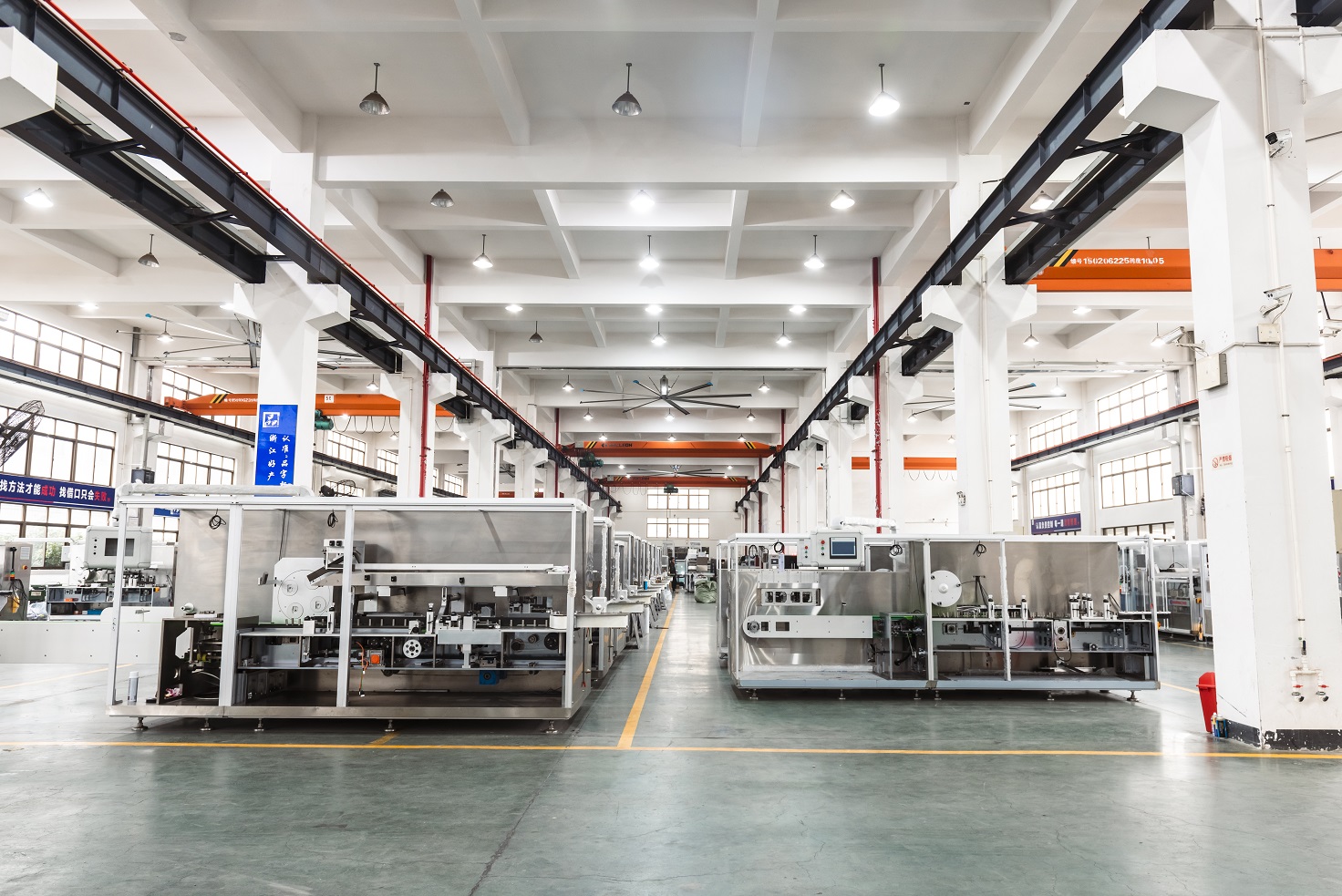
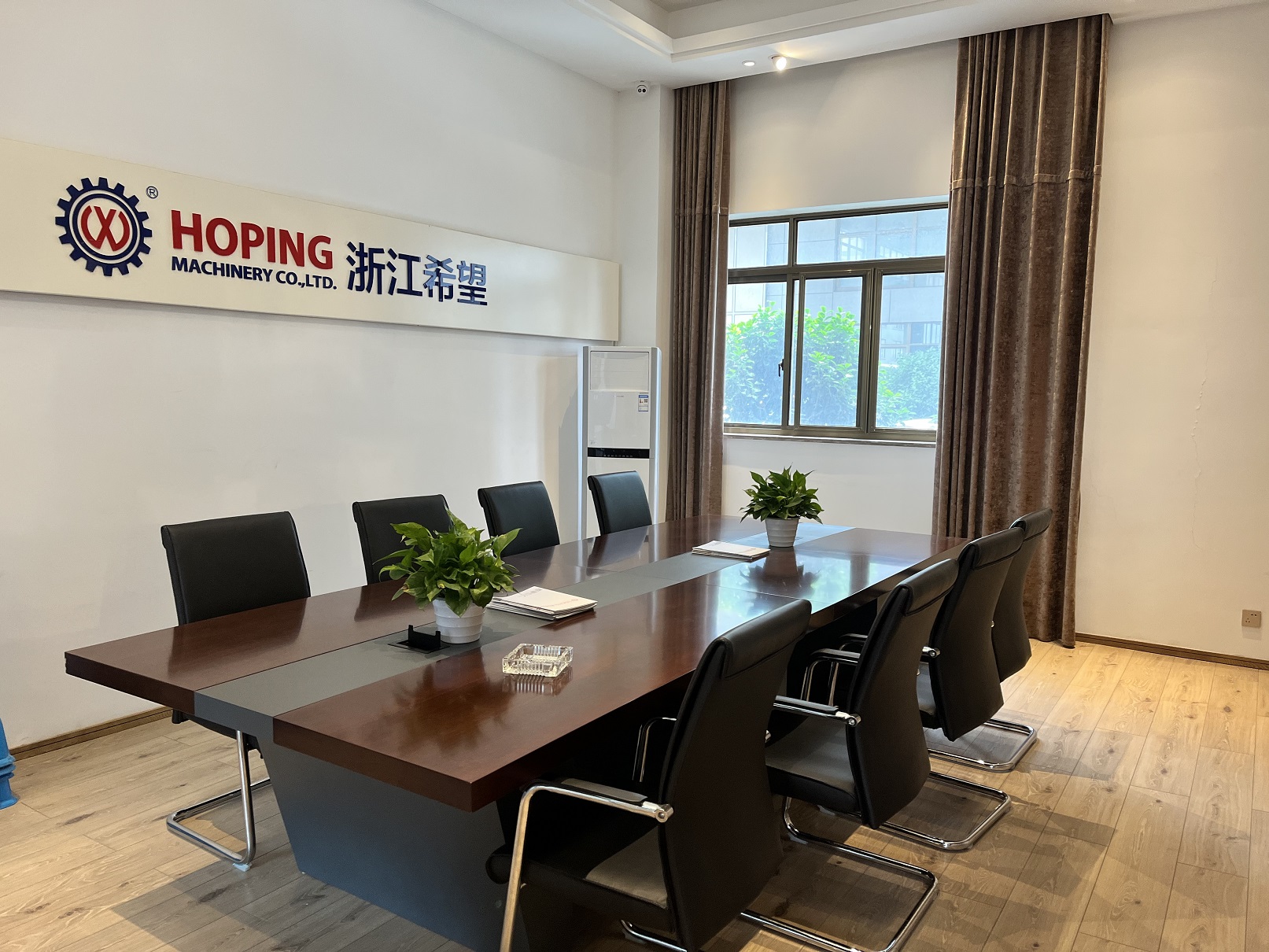
HOPING Machinery, officially Zhejiang Hoping Machinery Co., Ltd., is a China-based pharmaceutical packaging machinery manufacturer founded in 2001. The company integrates R&D, production, marketing, and service, and employs more than 300 people. Its main products include blister packing machines, cartoning machines, case packing machines, and end-of-line packaging machines. This article uses HOPING as a reference example while also acknowledging the top-three global players in the pharmaceutical blister packaging machine market. The goal is to give buyers a practical evaluation framework, not a simple name ranking.
Why Manufacturer Evaluation Is Harder Than It Looks
Many buyers start with the query “top pharmaceutical packaging machine manufacturers” and then compare brochure speeds. That approach creates several risks.
First, standalone machine speed does not equal line efficiency. A fast blister machine can still create bottlenecks if the transfer to the cartoning machine is manual or poorly synchronized. Second, compliance evidence is often treated as a checkbox. Different markets require different standards, and a supplier should be able to show specific certificates. Third, long-term operating cost is usually hidden in format change time, rejection rates, cleaning effort, spare part availability, and after-sales response.
For pharmaceutical companies, engineering contractors, and large solid-dosage producers, the real goal is a line that can run consistently, be validated, and adapt when package formats change. That requires a supplier evaluation process based on facts, not on general reputation.
Industry Background: Market Size, Concentration, and Regional Demand
Market data illustrates why pharmaceutical packaging equipment is strategically important.
- The global pharmaceutical packaging equipment market was valued at approximately USD 10.71 billion in 2024, according to SkyQuest Technology.
- The pharmaceutical blister packaging machine market is projected to reach USD 2.57 billion by 2025, with a CAGR of 2.8%, according to Custom Market Insights.
- The global pharmaceutical cartoning machinery market was valued at USD 1.46 billion in 2024, according to Fortune Business Insights.
- Asia Pacific held the largest revenue share, 40.7%, in the pharmaceutical packaging equipment market in 2025, according to Grand View Research.
Market concentration is also relevant. According to a market intelligence report cited by MarketsandMarkets, the top three players, Uhlmann, IMA, and Marchesini, collectively hold approximately 29% of the pharmaceutical blister packaging machine market. These three established manufacturers are important references for buyers that require a global installed base and long service history.
At the same time, regional demand in Asia Pacific and the need for turnkey pharmaceutical packaging lines have created space for China-based manufacturers that offer integrated blister-cartoning lines, OEM and ODM capability, and flexible customization. The market is no longer a choice between high-cost incumbents and inexpensive standalone machines. Buyers can now evaluate integrated suppliers on line performance, compliance evidence, and project support.
Trends Reshaping Top Pharmaceutical Packaging Machine Manufacturers
1. Integrated Lines Are Replacing Standalone Handoffs
The clearest trend is integration. Tried, tested pharmaceutical packaging machine manufacturers are moving away from selling separate machines that require manual transfers. In solid dosage packaging, a turnkey pharmaceutical packaging line typically links blister packaging, automatic cartoning, and downstream end-of-line equipment.
HOPING’s product range supports this integration in-house. The company produces blister packing machines, cartoning machines, flow wrappers, stretch banders, overwrappers, case packing machines, and case packing and palletizing machines. When the same manufacturer builds both the blister machine and the cartoner, the line responsibility is clearer.
2. Servo-Driven Motion and Transfer Robotics Are Standard
High-speed blister-cartoning lines depend on controlled product transfer. HOPING’s integrated line models use different transfer technologies depending on speed and product format. The DHL1000/5H uses a D3 intelligent top-loading parallel tracking transfer system. The DHL7005H and DHL7004 use the self-developed IRB24 intelligent transfer robot. The IXW800 uses D3 top-load robotics and a rotary manipulator to connect blister packing, pillow wrapping, and cartoning.
For an engineer evaluating manufacturers, transfer technology matters more than the maximum speed in the brochure. It determines whether blisters arrive at the cartoner in the correct orientation without jams or scratching.
3. GMP-Oriented Design and Corrosion-Resistant Materials
Pharmaceutical packaging machines must be designed for cleaning, inspection, and contamination control. In HOPING models such as the DPP260T1 platen blister machine and DPH320HII rotary blister packing machine, product-contact parts are made of AISI 316L stainless steel and FDA-compliant pharmaceutical-grade materials. Non-product-contact parts are manufactured from AISI 304 stainless steel and anodized aluminum alloy. The machines are designed in accordance with GMP requirements, with corrosion-resistant and easy-to-clean surfaces.
Buyers should ask directly which materials contact the product, which surfaces need cleaning, and whether the design supports validation. A supplier that can explain these details is more likely to build equipment suitable for pharmaceutical use.
4. Compliance and Certifications Are Becoming Verifiable Evidence
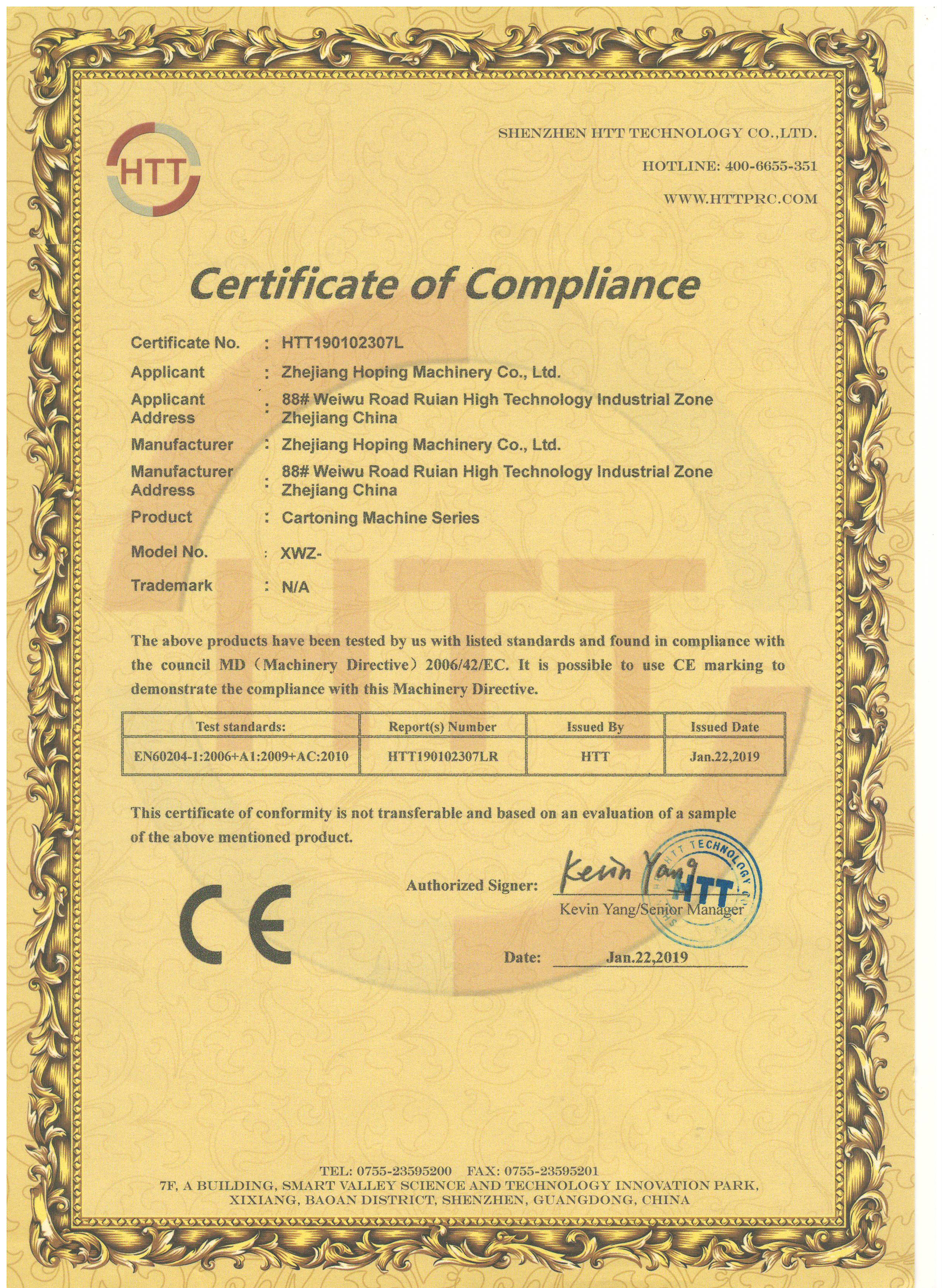
Certification is not simply a logo. For EU projects, packaging machinery must meet the Machinery Directive 2006/42/EC and relevant EN 415 series standards. ISO 15378 is recognized as the standard integrating GMP requirements for primary packaging materials.
HOPING has CE certificates for automatic blister packing machines and cartoning machine series. The CE certificate for the carton packing machine series, for example, was issued by Certify International Ltd under number UCN 900339024607. HOPING also holds current ISO 14001:2015 and ISO 45001:2018 management-system certificates covering the design, production, and after-sales service of packing machines and packing production lines.
5. Customization and OEM/ODM Capability Are Core Requirements
Pharmaceutical packaging formats vary by market, product, and distribution channel. A top manufacturer for turnkey pharmaceutical packaging lines should be able to customize blister size, blister materials, quantity per carton, carton specification, leaflet format, coding and inspection method, feeding method, downstream bundling and case packing connection, interface language, electrical component brand, and data interface.
HOPING supports ODM, OEM, and customizable projects. The monthly production capacity is 30 to 40 units, and the MOQ is one set or one complete line. This makes it practical for buyers to request a machine or line designed around their specific package format.
How to Evaluate a Pharmaceutical Packaging Machine Manufacturer: Step by Step
Step 1: Define the Product and Packaging Format
Start with the product geometry. Tablets, capsules, softgels, and other solid dosages have different feeding requirements. Define the blister film structure, cavity size, number of cavities, carton size, leaflet dimensions, and whether the product needs Alu-PVC or Alu-Alu protection.
Step 2: Choose the Line Type
Decide whether you need a standalone blister packaging machine, a blister packaging machine plus a separate cartoning machine, or a fully integrated blister-cartoning line. HOPING offers flat-plate DPP series machines for small and medium batches and high-speed roller DPH series machines for larger production volumes. For integrated lines, the DHL series is designed for blister-to-carton production. The DPP Series + XWZ Series line is another option when buyers prefer modular integration with flat-plate blister packing.
Step 3: Verify Compliance Evidence
Ask for certificate numbers, issuing bodies, standards, and applicable products. HOPING’s CE-certified blister and cartoning series cover models such as XWZ120, XWZ300II, XWZ500H, DPP260K, DPP260TI, and DPH320H. Current management-system certificates provide evidence of environmental and occupational health and safety management across the company’s design, production, and after-sales activities.
Step 4: Assess Feeding, Transfer, and Replenishment
At higher speeds, material continuity and product transfer become critical. HOPING line models include PVC and Alu foil auto splicing, servo-driven independent replenishment systems, and top-loading transfer systems or transfer robots. These features reduce downtime and reduce the risk of missing leaflets or wrong insertion during cartoning.
Step 5: Check Downstream End-of-Line Integration
A pharmaceutical packaging line often continues beyond the cartoner. HOPING manufactures stretch banders, overwrappers, case packing machines, and the ICP12 case packing and palletizing integral machine. The XWZ300II + XWK4060 + ICP12 line, for example, links cartoning, stretch banding, case packing, and palletizing. Buyers planning for full secondary packaging should confirm that the upstream blister-cartoning line can connect to these downstream modules.
Step 6: Review Quality Control and FAT Procedure
The manufacturing process matters. HOPING’s quality control includes incoming material inspection, key component inspection, assembly inspection, electrical safety check, no-load trial run, material trial, FAT, customer witness acceptance, and pre-shipment inspection. If possible, arrange a factory acceptance test with your own product and packaging materials.
Step 7: Plan Lead Time, Installation, and After-Sales Support
HOPING’s lead time is typically 60 to 120 days after technical confirmation, depending on model, configuration, project complexity, and contract terms. After-sales service includes on-site installation and commissioning, operator training, maintenance training, remote video or phone support, spare parts supply, process-parameter guidance, and regular follow-up, subject to the project contract.
Use Cases: Where Integrated Blister-Cartoning Lines Deliver Value
Large Solid-Dosage Manufacturer or Engineering Contractor
One representative project type is a large pharmaceutical manufacturer, solid dosage production company, or pharmaceutical engineering contractor planning 5 to 10 packaging lines for tablets and capsules. Customer names are disclosed only with authorization, so this case is presented by project objective rather than brand endorsement.
The project addressed the problem of manual transfer and leaflet insertion errors in pharmaceutical packaging. It achieved improvements in packaging automation, reduced manual transfer, improved blister-to-carton connection efficiency, reduced wrong insertion or missing leaflet risks, and supported downstream automation integration. This use case is common when buyers expand capacity or upgrade existing packaging lines.
Blister-Flow-Wrap-Cartoning for Additional Product Protection
Some products require pillow wrapping after blistering and before cartoning. HOPING’s IXW800 high-speed blister-flow-wrap-cartoning line is rated up to 600 blisters per minute, 600 packs per minute, and 500 cartons per minute. The IXW600 line supports up to 600 blisters per minute, 300 packs per minute, and 300 cartons per minute. These configurations use rotary reciprocating flow-wrapper matching technology and are designed for moisture-sensitive or flow-wrapped blister packaging.
Liquid Dosage Blister-Cartoning
For filled syringes, ampoules, and cartridges, HOPING offers the IXW400 liquid dosage blister-cartoner integrated line. It is rated up to 400 blisters per minute and 150 cartons per minute, with PVC and top cover film auto splicing, a D3 top-loading robot, and servo-driven independent replenishment. This shows that integrated line capability can extend beyond traditional tablet and capsule packaging.
Comparison: Top Players and the HOPING Alternative
The following table is not a complete ranking. It presents verified market concentration data for the top three players and evidence-based facts about HOPING from its official corporate profile and technical documentation.
| Manufacturer | Market Evidence | Reference Scope | Best Evaluated When |
|---|---|---|---|
| Uhlmann | One of the top 3 manufacturers; together with IMA and Marchesini holds approximately 29% of the pharmaceutical blister packaging machine market. | Reference high-end player in pharmaceutical blister packaging machinery. | Your purchasing policy requires an incumbent supplier benchmark or global installed base as the primary criterion. |
| IMA | One of the top 3 manufacturers; together with Uhlmann and Marchesini holds approximately 29% of the pharmaceutical blister packaging machine market. | Reference high-end player in pharmaceutical packaging equipment. | You are comparing line proposals against the main global incumbent brands. |
| Marchesini | One of the top 3 manufacturers; together with Uhlmann and IMA holds approximately 29% of the pharmaceutical blister packaging machine market. | Reference high-end player in pharmaceutical packaging and cartoning lines. | You need a market share benchmark and are open to integrated line suppliers as an alternative. |
| HOPING Machinery | China-based manufacturer, founded in 2001; more than 300 employees; 28,800 m2 factory; annual output of about 500 units; 56 R&D engineers; CE and ISO certifications; exports to Southeast Asia, the Middle East, Eastern Europe, South America, and Africa. | In-house blister machines, cartoning machines, flow wrappers, case packers, end-of-line machines, and integrated blister-cartoning lines. | You want a turnkey solid dosage packaging line with customization, OEM/ODM support, and integrated downstream automation. |
Detailed Solution: What HOPING Puts Into a Turnkey Pharmaceutical Packaging Line
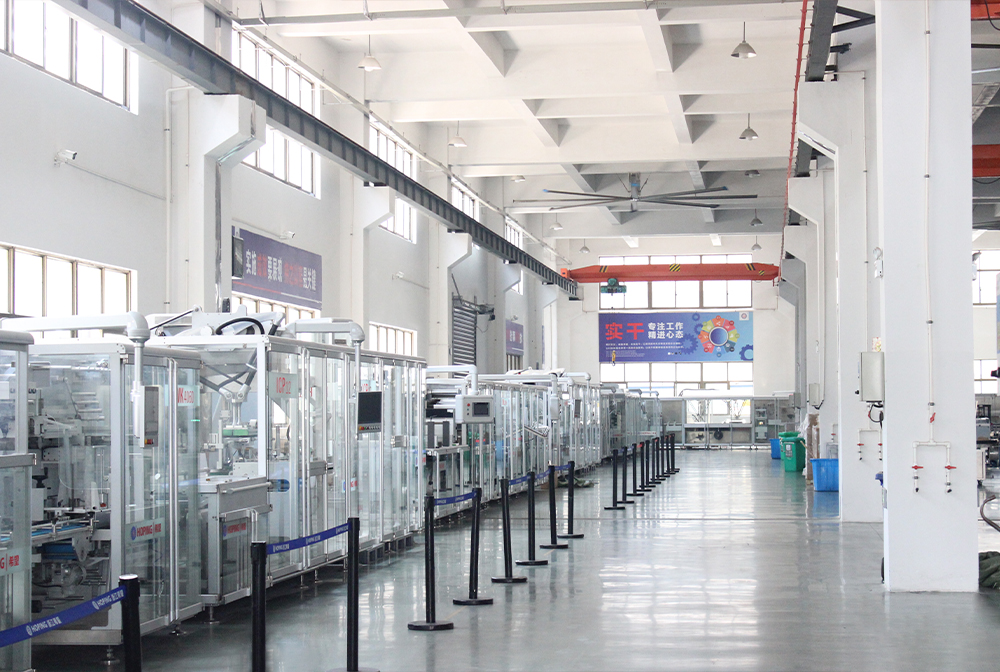
HOPING’s integrated approach is built around the equipment it manufactures in-house. The company can supply a blister packaging line and connect it to a pharmaceutical cartoning machine without relying on a third-party integrator for the core transfer. This reduces interface risk and gives buyers one accountable partner for the primary packaging stage.
For high-speed solid dosage projects, the DHL series represents the integrated line direction. The DHL1000/5H is rated up to 1000 blisters per minute and 500 cartons per minute. The DHL8005H is rated up to 800 blisters per minute and 500 cartons per minute. The DHL7005H and DHL7004 are rated up to 700 blisters per minute and 500 or 400 cartons per minute respectively. These lines use servo-driven control, independent replenishment, and automated transfer systems to support continuous pharmaceutical production.
For medium-speed projects, HOPING offers the DPP flat-plate blister packing series combined with XWZ high-speed cartoning machines. The DPP260K, DPP260TI, and DPP260T1 provide different capacity and format options. The XWZ120 is a horizontal cartoning machine designed for lower-to-medium speed and compact lines. The XWZ300II and XWZ500H cover medium-to-high and high-speed cartoning requirements.
Buyers evaluating capability should also consider intellectual property and engineering depth. HOPING has obtained 26 invention patents, 70 utility patents, 4 appearance patents, and 28 software copyrights, with 10 PCT-protected patents covering markets including Europe, Russia, Germany, Italy, and other countries. This kind of evidence supports custom engineering rather than assembly-only production.

Budget, Sample, and Lead Time Considerations
Budget questions are legitimate in the evaluation process. A lower initial price can be misleading if line integration, commissioning, training, and sparse availability are weak. Similarly, the most expensive incumbent brand is not automatically the correct choice for every project.
HOPING’s MOQ is one set or one complete line. This means buyers do not need to order multiple machines to access customization. The lead time is typically 60 to 120 days after technical confirmation. Before delivery, buyers can ask for material trials and a FAT with customer witness acceptance. HOPING’s quality control includes no-load trial runs, material trials, and pre-shipment inspection, so the sample and trial process is part of the manufacturing workflow.
After-sales service should be treated as part of total value. HOPING provides on-site installation and commissioning, operator training, maintenance training, remote video or phone support, spare parts supply, process-parameter guidance, and regular follow-up, depending on the contract. For export buyers in Southeast Asia, the Middle East, Eastern Europe, South America, and Africa, this support structure is critical to long-term line performance.
FAQ
What CE and ISO evidence should a pharmaceutical packaging machine manufacturer provide?
For machinery sold into the EU market, the supplier should demonstrate compliance with the Machinery Directive 2006/42/EC and the relevant EN 415 series Standards. ISO 15378 is also referenced for GMP-compliant primary packaging materials. HOPING can provide CE certificates for its blister packing machine series and cartoning machine series. The CE certificate for the carton packing machine series was issued by Certify International Ltd under number UCN 900339024607. HOPING also holds ISO 14001:2015 and ISO 45001:2018 management-system certificates for the design, production, and after-sales service of packing machines and packing production lines.
What line capabilities separate top manufacturers in 2026?
The most important capabilities are integrated line engineering, servo-driven control, automated product transfer, format change flexibility, and downstream end-of-line connection. For example, HOPING’s DHL1000/5H integrated line is rated up to 1000 blisters per minute and 500 cartons per minute, using a D3 top-loading parallel tracking transfer system and four-channel servo-driven independent replenishment. The DHL7005H and DHL7004 use the self-developed IRB24 intelligent transfer robot. These capabilities determine whether a line can run reliably under continuous pharmaceutical production conditions.
Are Chinese manufacturers such as HOPING viable for turnkey pharmaceutical lines in 2026?
Yes, provided the supplier is evaluated with the same evidence standard as global incumbents. Market data shows that Asia Pacific held 40.7% of pharmaceutical packaging equipment revenue in 2025. HOPING, for example, has more than 300 employees, a 28,800 m2 factory, 56 R&D engineers, and an annual output of about 500 units. It exports to Southeast Asia, the Middle East, Eastern Europe, South America, and Africa. Buyers should verify CE documentation, management-system certificates, FAT procedures, and after-sales service terms before selecting any manufacturer.
Can a buyer witness machine testing or arrange a sample trial before delivery?
HOPING’s quality control process supports this. The process includes incoming material inspection, key component inspection, assembly inspection, electrical safety check, no-load trial run, material trial, FAT, customer witness acceptance, and pre-shipment inspection. The MOQ is one set or one complete line, so buyers can request a trial configuration matched to their product format and packaging material.
What is the typical lead time for a turnkey blister-cartoning line?
HOPING’s lead time is typically 60 to 120 days after technical confirmation. The final lead time depends on model, configuration, project complexity, and contract terms. HOPING’s monthly production capacity is 30 to 40 units. After delivery, installation and commissioning, operator training, and maintenance training are available as part of the after-sales support package.
Conclusion
The search for top pharmaceutical packaging machine manufacturers should end with a clear evaluation framework, not just a brand list. Market size data shows that pharmaceutical packaging equipment remains strategically important. Market concentration data shows that Uhlmann, IMA, and Marchesini hold a meaningful share. But integrated Chinese manufacturers such as HOPING give buyers another option with in-house equipment, CE and ISO evidence, GMP-oriented design, and turnkey line engineering.
For solid dosage projects, pay attention to line integration, transfer technology, material handling, compliance documentation, FAT process, and after-sales support. A manufacturer that can explain these details is more useful than one that simply claims to be a top manufacturer.
Next step for evaluation: Download the HOPING Machinery Catalog to compare line specifications and project configuration options. For a detailed technical proposal, contact HOPING’s project team at monica@xwbj.com or +86 133-5610-5292.
Have Questions or Need More Details?
Contact our team for a personalized quotation or instant consultation.
Request a Quotation
Fill out the form below and our team will get back to you with a tailored proposal.
WhatsApp Direct Chat
Prefer to chat in real-time? Message us on WhatsApp for instant assistance & quick answers.
- Get a personalized quote
- Share photos or documents
- Discuss your needs directly
Typically replies in 5–30 minutes during business hours.