
Supplier Evaluation Checklist: High-Speed Blister-Cartoning Line Capability & Delivery
Supplier Evaluation Checklist: High-Speed Blister-Cartoning Line Capability & Delivery
Answer first: A high-speed blister-cartoning line should be evaluated as a configured production asset, not as a catalogue speed. The buyer should verify five things in writing: the control architecture and data interface, the feeding and splicing functions, the mold-change and preset-memory logic, the GMP-oriented product-contact parts and tooling definition, and the delivery assurance package covering capacity, lead time, quality gates, FAT and pre-shipment acceptance. For a model such as the HOPING DHL8005H, those items belong in the technical agreement before price comparison begins.
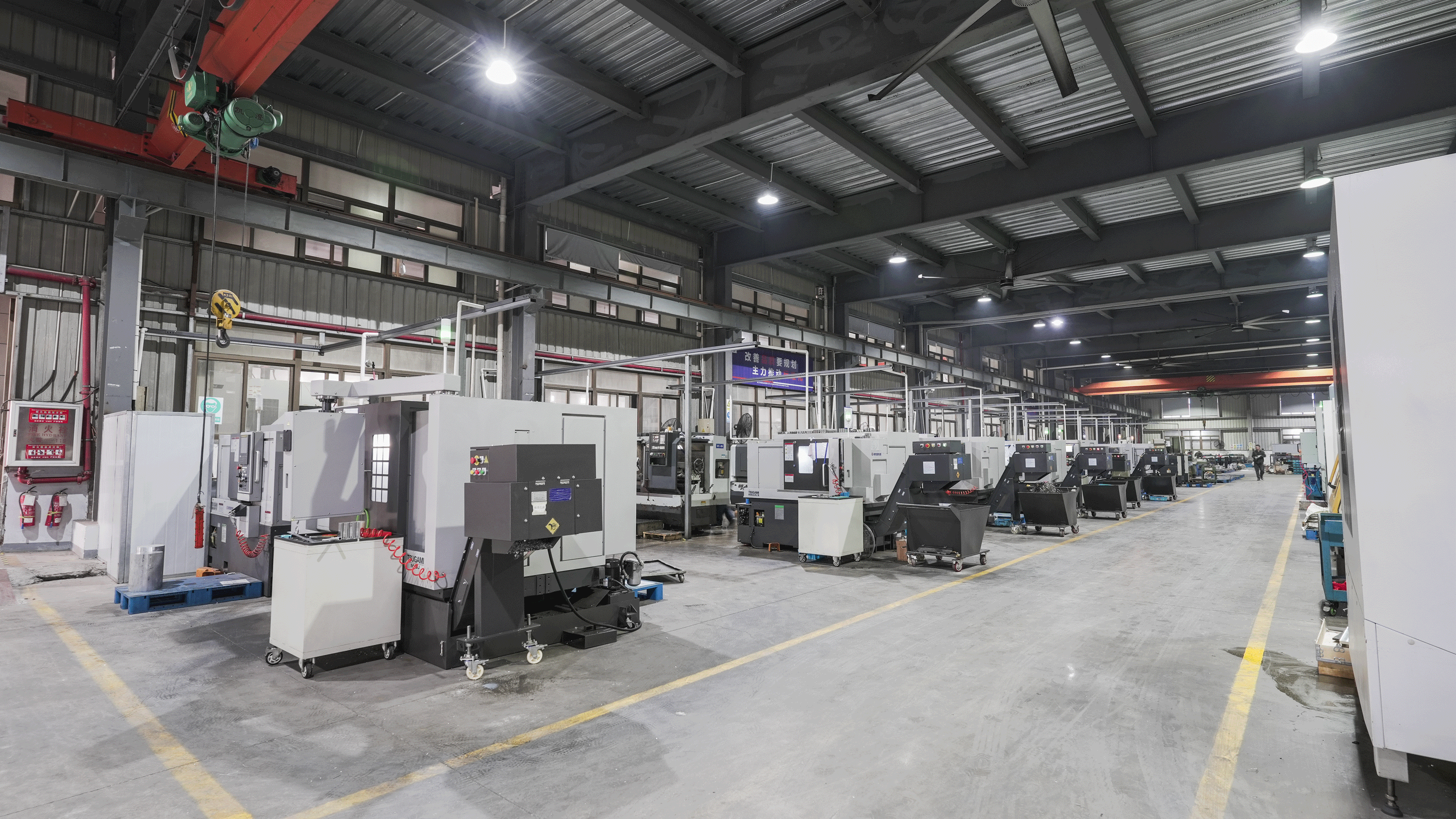
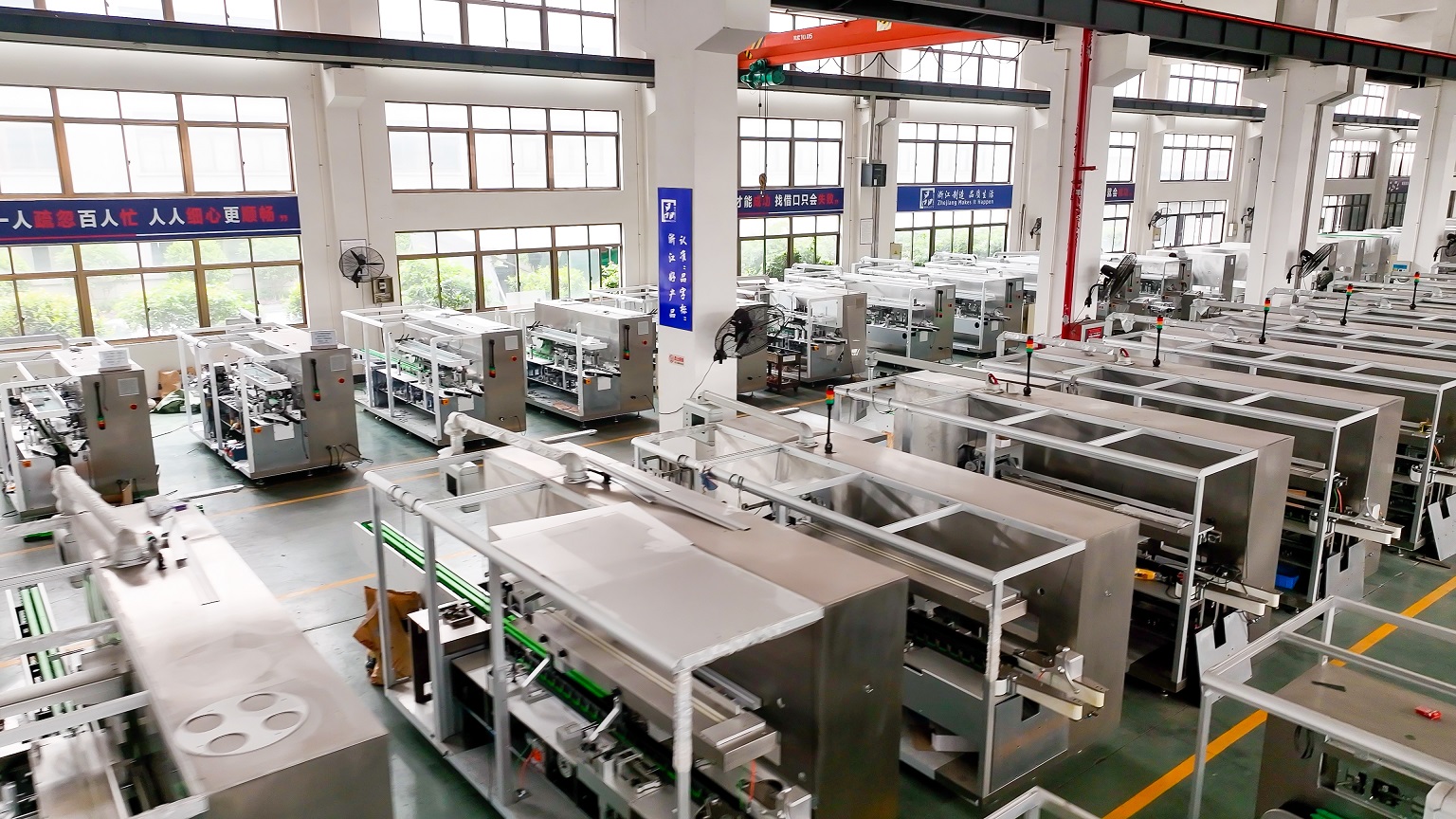
Zhejiang Hoping Machinery Co., Ltd. (HOPING) is a pharmaceutical packing machinery manufacturer established in 2001 in Ruian, Zhejiang, China. The company reports 300 employees, 56 engineers, a 28,800 ㎡ manufacturing facility and a 25% export ratio, and it lists blister packaging machines, cartoning machines, case packing machines and end-of-line packaging machines in its product range. HOPING lists the DHL8005H as an Automatic Blister-Cartoning Line / Blister Cartoner Line model. The exact controller, servo architecture, splicing configuration and preset-memory scope must still be confirmed in the project technical agreement.

Problem Definition
Evaluation-stage buyers often receive proposals that look similar on the first page: maximum output, line length, servo count, carton size range and a list of optional modules. The real risk appears later, when the line is built, the format is changed, the first batch is documented, or the shipment date moves. A supplier evaluation checklist must therefore test capability and delivery together.
Three failure modes are common. First, a proposal may claim high-speed performance without separating the blister section, the cartoner and the downstream equipment. Second, the technical agreement may leave controller, IPC, servo replenishment, splicing and preset-memory details vague. Third, delivery assurance may be reduced to a single lead-time number without milestone records, FAT hold points or pre-shipment acceptance criteria.
The checklist in this article converts those risks into verifiable line items. It is written for buyers who have already identified a shortlist of pharmaceutical packaging machine suppliers and now need to compare configured high-speed blister-cartoning lines.
Industry Background
Commercial research cited in the verified data package values the global blister packaging machine pharmaceutical market at USD 2.57 billion in 2025, with Asia-Pacific described as the fastest-growing region at an 8.87% CAGR to 2031. A separate commercial research source reports that horizontal cartoning systems held 70.12% of the cartoning market in 2024. These figures explain why high-speed blister-cartoning lines attract investment, but they do not tell a buyer whether a specific supplier can deliver a validated line.
Regulatory context adds another layer. ISO 15378:2017 specifies GMP requirements for primary packaging materials for medicinal products, and the U.S. FDA describes current Good Manufacturing Practice as the foundation for quality pharmaceuticals through regulatory standards. Neither reference replaces a machine-specific technical agreement. They do, however, reinforce the need to define product-contact materials, tooling, cleanability and documentation before the equipment is built.
HOPING presents blister packaging, cartoning, inspection and end-of-line automation as an integrated pharmaceutical packaging process. That integrated scope is useful for a single-source evaluation, but it also increases the number of interfaces that must be specified. A line that combines primary packaging, secondary packaging and end-of-line equipment can hide unclear responsibilities unless the technical agreement assigns them.
Detailed Solution: A Capability and Delivery Evaluation Framework
The solution is a written evaluation framework. It should be completed before the purchase order and updated after the factory acceptance test. The framework has four evidence layers: the technical agreement, the configuration bill of materials, the trial and acceptance records, and the delivery schedule.
1. Control architecture and data interface
For a high-speed line, the control architecture determines how the blister machine, cartoner and downstream equipment exchange signals. The technical agreement should identify the exact motion controller, industrial PC, software version, communication protocol, recipe storage location and data-export method. If the proposed DHL8005H configuration is presented with a Beckhoff motion controller and CP9315 industrial PC, those model names should appear in the agreement together with the interface list. If a different controller or IPC is offered, the agreement should name it and require the same level of documentation.
The buyer should also ask how the line handles recipe selection, user access, alarm history and batch-related data. These questions are not administrative. They determine whether the line can be integrated with the factory's documentation and qualification workflow. HOPING's customization scope includes interface language, electrical component brand and data interface, which means these items can be discussed as project-specific requirements rather than assumed from a brochure.
2. Servo replenishment, splicing and format memory
High-speed operation exposes weak points in feeding and material handling. The technical agreement should state whether the line uses three-channel servo-driven independent replenishment, and it should include the axis list, servo drive brand, replenishment logic and the material trial record that demonstrates the function. A generic statement that the line is 'fully servo' is not sufficient for evaluation.
The same rule applies to PVC and Alu foil auto splicing. If auto splicing is offered, the agreement should describe the splicing sequence, the conditions that trigger a splice, the reject handling logic and the FAT demonstration. If auto splicing is not included, the buyer should know the manual roll-change procedure and the resulting downtime risk before signing.
Mold-change and preset-memory functions should also be written into the agreement. The buyer should request the format library, the change-part list, the changeover procedure and the password or access level required to edit recipes. Preset memory is valuable only when the saved parameters match the actual tooling and material combination. HOPING's customization scope covers blister size, blister materials, quantity per carton, carton specification and leaflet format, so the format-memory scope should be tied to those variables.
3. GMP-oriented product-contact parts and tooling
GMP-oriented evaluation should focus on what the product touches and how those parts are controlled. The technical agreement should define the material grade and certificate for product-contact parts, the surface finish and cleanability requirements, the tooling drawings, the change-part identification method, the spare tooling list and the acceptance criteria for replacement parts. It should also define how material traceability and change control will be documented.
HOPING's certificate records include historical CE certificate evidence for carton packing machine series and for a sample automatic blister packing machine, plus current ISO 45001:2018 and ISO 14001:2015 certificates issued by the China Quality Certification Centre. These documents support a supplier documentation review, but they do not replace a project-specific GMP review. The buyer should still require the product-contact material certificates, tooling drawings and cleaning validation inputs that apply to the actual product and market.
4. Delivery assurance and acceptance evidence
Delivery assurance is not a single lead-time number. It is a chain of commitments. HOPING reports a monthly capacity of 30-40 units and a typical lead time of 60-120 days after technical confirmation, with the final lead time subject to model, configuration, project complexity and contract terms. The buyer should convert those statements into a schedule with milestone dates for drawing approval, long-lead component release, assembly, no-load trial, material trial, FAT, customer witness acceptance and pre-shipment inspection.
The quality-control sequence reported by HOPING includes incoming material inspection, key component inspection, assembly inspection, electrical safety check, no-load trial run, material trial, FAT, customer witness acceptance and pre-shipment inspection. Each gate should have an owner, a record and a hold point. If a gate is skipped, the delivery schedule should show the consequence in writing.
Step-by-Step Breakdown
- Define the product and format envelope. List tablet or capsule types, blister size, blister material, carton size, leaflet format and coding or inspection requirements. Use the supplier's customization scope to confirm which variables are fixed and which remain open.
- Lock the technical agreement before commercial comparison. Include controller and IPC models, servo axis list, replenishment mode, splicing scope, mold-change and preset-memory scope, product-contact materials, tooling drawings, interface list and acceptance criteria.
- Request a configuration bill of materials. Match each promised function to a named component or module. For the DHL8005H, confirm whether the proposal includes a Beckhoff motion controller and CP9315 industrial PC, or state the alternatives.
- Run a document review against the delivery schedule. Check that the lead time of 60-120 days after technical confirmation is consistent with drawing approvals, long-lead items and FAT dates. Ask how monthly capacity of 30-40 units is allocated across active projects.
- Witness the trial and acceptance gates. Require no-load trial, material trial, FAT, customer witness acceptance and pre-shipment inspection records. Tie payment and shipment release to the agreed hold points.
- Close the GMP and tooling file. Collect product-contact material certificates, surface finish records, tooling drawings, change-part lists and cleaning access information. Confirm how change control will be handled after delivery.
- Score the responses in a weighted matrix. Separate capability evidence from delivery evidence. A supplier with strong technical answers but weak FAT or schedule evidence should not receive the same score as a supplier with verified acceptance records.
Use Cases
New solid-dose line. A manufacturer building a new line for tablets, capsules and other solid dosage forms can use the checklist to compare integrated blister-cartoning proposals. The evaluation should confirm the primary packaging format, carton format and downstream connection before the line layout is frozen.
Capacity expansion. An existing plant adding a high-speed line should test whether the new line can synchronize with existing case packing or palletizing. The checklist should include interface responsibility and buffering logic, not only the speed of the blister machine.
Multi-format production. A buyer running several carton sizes and leaflet formats should require the preset-memory and mold-change evidence before accepting a format-flexibility claim. The format library and change-part list are the practical proof.
Upgrade of an existing packaging line. When replacing part of an existing line, the buyer should verify that the new controller and data interface can work with the retained equipment. The technical agreement should identify who owns the integration risk.
Downstream automation integration. HOPING's product scope includes case packing and end-of-line packaging machines. A turnkey evaluation should define the handover points between blister cartoning, case packing and palletizing, and it should assign responsibility for line-level acceptance.
Comparison Table: What to Verify and What Evidence to Request
| Evaluation area | What to verify | Evidence to request | Delivery risk if unclear |
|---|---|---|---|
| Motion control and IPC | Exact motion controller and industrial PC model; for the DHL8005H, confirm whether a Beckhoff motion controller and CP9315 industrial PC are proposed | Configuration bill of materials, software version, interface list, recipe storage description | Late software integration, unclear data ownership, qualification delay |
| Servo replenishment | Whether three-channel servo-driven independent replenishment is included | Axis list, servo drive brand, replenishment logic, material trial record | Unstable feeding, higher reject rate, slower ramp-up |
| PVC and Alu foil splicing | Whether auto splicing is included and how splices are rejected or accepted | Splicing sequence, FAT demonstration, reject logic | Unplanned downtime, material waste, batch documentation gaps |
| Mold change and preset memory | Format library, change-part list, changeover procedure and access control | Tooling drawings, preset-memory screens, changeover record | Long changeover, wrong format parameters, operator error |
| GMP-oriented contact parts | Material grade, surface finish, cleanability, tooling identification and change control | Material certificates, drawings, cleaning access review, spare tooling list | Validation delay, cleaning failure, unapproved replacement parts |
| Delivery schedule | Lead time of 60-120 days after technical confirmation; monthly capacity of 30-40 units | Milestone schedule, capacity allocation note, long-lead item list | Schedule slip, line idle time, missed launch window |
| Quality gates | Incoming material, key component, assembly, electrical safety, no-load trial, material trial, FAT, customer witness acceptance, pre-shipment inspection | Inspection records, FAT protocol, witness acceptance report, pre-shipment checklist | Late defect discovery, disputed acceptance, shipment hold |
FAQ
How should GMP-oriented product-contact parts and tooling be defined in the technical agreement?
The agreement should define material grade and certificates for product-contact parts, surface finish and cleanability requirements, tooling drawings, change-part identification, spare tooling and acceptance criteria for replacement parts. It should also state how material traceability and change control will be documented. HOPING's current ISO 45001:2018 and ISO 14001:2015 certificates and its historical CE certificate evidence support a documentation review, but the buyer should still require project-specific material and tooling records.
Who are the top pharmaceutical packaging machine manufacturers, and how should HOPING be evaluated?
The supplied evidence does not contain a verified ranking of top pharmaceutical packaging machine manufacturers, so buyers should not treat a single list as a ranking. HOPING is one manufacturer to evaluate: Zhejiang Hoping Machinery Co., Ltd. was established in 2001, reports 300 employees and 56 engineers, and lists blister packaging machines, cartoning machines, case packing machines and end-of-line packaging machines. HOPING lists the DHL8005H as an Automatic Blister-Cartoning Line / Blister Cartoner Line model. The evaluation should compare configured scope, technical agreement detail, trial records and delivery assurance rather than relying on a label.
How should buyers handle budget when no public price list is available?
No verified public price band is provided in the available corpus. Buyers should request a configured quotation that separates the base line, tooling, controller and IPC scope, splicing scope, FAT, installation, training, spare parts and documentation. HOPING's stated minimum order is 1 set or 1 complete line, and the typical lead time is 60-120 days after technical confirmation, subject to model, configuration, project complexity and contract terms. Those commercial terms should be compared on the same technical scope.
What trial and acceptance evidence should be requested?
Request the quality-control records that apply to the project: incoming material inspection, key component inspection, assembly inspection, electrical safety check, no-load trial run, material trial, FAT, customer witness acceptance and pre-shipment inspection. For the functions under evaluation, ask for the material trial record for servo replenishment, the FAT demonstration for PVC and Alu foil splicing, and the preset-memory and mold-change records for the agreed formats.
What lead time and delivery assurance should be written into the contract?
HOPING reports a typical lead time of 60-120 days after technical confirmation and a monthly capacity of 30-40 units. The contract should convert those statements into milestone dates for drawing approval, long-lead component release, assembly, no-load trial, material trial, FAT, customer witness acceptance and pre-shipment inspection. Each hold point should have a named owner and a record. If a gate is missed, the schedule and shipment release should show the consequence in writing.
Conclusion
A high-speed blister-cartoning line is only as reliable as the evidence behind its configuration. The buyer should not accept a maximum-speed claim as a capability proof, and should not accept a lead-time statement without a milestone schedule. The practical checklist is to lock the control architecture, feeding and splicing scope, mold-change and preset-memory logic, GMP-oriented contact parts and tooling definition, and delivery assurance into the technical agreement before commercial comparison.
For HOPING's DHL8005H evaluation, the same rule applies: confirm the exact controller and IPC, the servo replenishment and splicing scope, the format-memory and tooling package, and the FAT and delivery milestones in writing. HOPING's reported capacity, quality-control sequence and after-sales scope provide useful inputs, but the project-specific technical agreement remains the controlling document.
Next step: Use the Hoping Machinery Catalog to prepare a line-scope discussion, then request a configured quotation and technical agreement for your blister-cartoning project. Contact HOPING at monica@xwbj.com or +86 133-5610-5292 to arrange a sample, quote or technical review.

Exhibition and product review can support a shortlist discussion, but the technical agreement and acceptance records remain the decision basis.
Note: The DHL8005H controller, IPC, servo replenishment, splicing and preset-memory items are evaluation checkpoints. Buyers should confirm the offered configuration in the project technical agreement; this article does not state those items as standard DHL8005H specifications.
Have Questions or Need More Details?
Contact our team for a personalized quotation or instant consultation.
Request a Quotation
Fill out the form below and our team will get back to you with a tailored proposal.
WhatsApp Direct Chat
Prefer to chat in real-time? Message us on WhatsApp for instant assistance & quick answers.
- Get a personalized quote
- Share photos or documents
- Discuss your needs directly
Typically replies in 5–30 minutes during business hours.