Fixing Throughput Bottlenecks: When Your Blister Line Can't Keep Up
Fixing Throughput Bottlenecks: When Your Blister Line Can't Keep Up
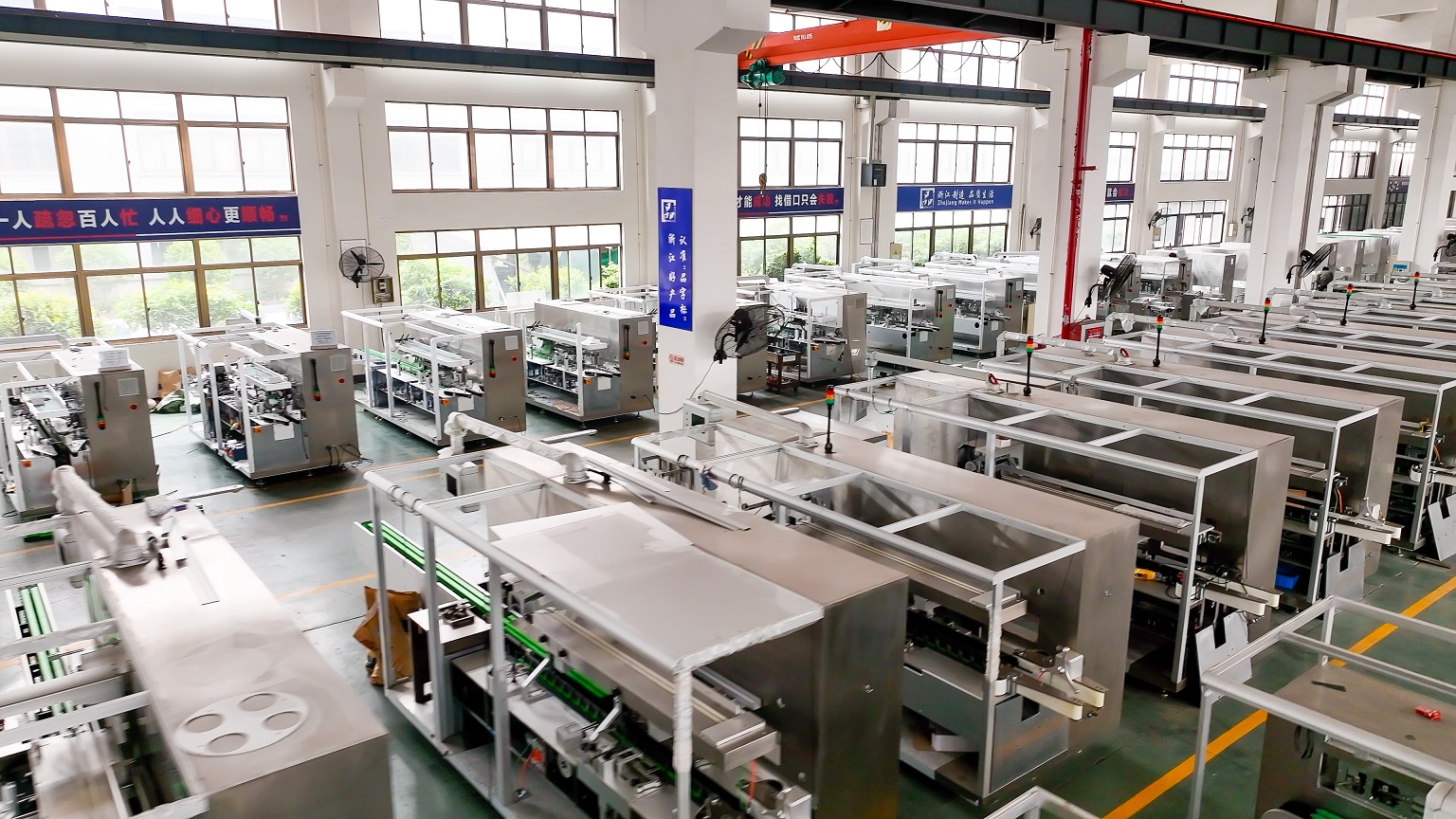
A blister line that cannot keep up with demand is usually constrained at the handoff between primary and secondary packaging, not at the forming station. Blisters build up before cartoning, operators move product between machines, and the cartoner becomes the slowest synchronized stage on the floor. The configuration that addresses this directly is a fully servo-driven automatic blister-cartoning line, in which blister forming, sealing, blister transfer, leaflet handling, carton opening, insertion, inspection/rejection and downstream connection run as one automated process. A representative model in this class, the DHL1000/5H, is rated at up to 1000 blisters/min and 500 cartons/min, with sustained output depending on product format, quantity per carton, packaging materials and process conditions.
This article is written for the point after a bottleneck has been confirmed. It assumes the decision to fix capacity has been made and the open questions are about execution: what to measure, how to specify the line, how to validate it, and what to settle with the supplier so the line keeps producing after commissioning. Zhejiang Hoping Machinery Co., Ltd. (Hoping) has manufactured blister packaging machines, cartoning machines, case packing machines and end-of-line packaging equipment since 2001, and the technical points below follow the configuration logic of that equipment class.
What a Blister Line Throughput Bottleneck Actually Looks Like
A throughput bottleneck exists when sustained line output sits below the demand plan and the gap cannot be closed by working existing operators or shifts harder. On a blister line, the pattern is recognizable before any formal measurement is taken:
- Blister output accumulates between the blister packaging machine and the cartoner — in trays, in an intermediate buffer, or simply in front of the infeed — because the two stages are not synchronized.
- Cartoner stoppages push back upstream, and the blister machine is slowed or stopped to avoid uncontrolled work in process.
- People are doing work the line should do: manual blister transfer, leaflet supply, or manual carton feeding.
- Recurring faults consume whatever capacity remains. Carton jams, missing leaflets, missing or wrongly fed product, and coding or date printing errors are all documented failure modes on high-speed blister-cartoning equipment.
- Batch completion dates slip, and the delay carries downstream into release and shipping.
The instinctive response — buy a faster blister machine — usually fails. Line output is set by the slowest synchronized stage plus the time lost to stoppages and manual intervention. If transfer and cartoning are not upgraded at the same time, additional upstream speed converts into more work-in-process inventory rather than more finished cartons. There is a second cost as well: downtime during high-speed operation is a listed risk on these lines, so the higher the rated speed, the more expensive an unplanned stop becomes if the inspection and rejection logic has not been designed to match it.
Why Demand Keeps Outrunning Installed Blister Capacity
The pressure is measurable at market level. The pharmaceutical packaging equipment market was valued at approximately USD 10.71 billion in 2024 (SkyQuest Technology), and the pharmaceutical cartoning machinery segment was valued at USD 1.46 billion in 2024 (Fortune Business Insights) — a large enough figure in its own right to show how much capacity sits in secondary packaging rather than in forming. Regionally, Asia Pacific held the largest revenue share of the pharmaceutical packaging equipment market at 40.7% in 2025 (Grand View Research).
Published estimates differ by scope, and buyers should read them as directional. SkyQuest Technology put the pharmaceutical packaging equipment market at about USD 10.71 billion for 2024, while Grand View Research reported roughly USD 7.0 billion for 2025; the gap largely reflects whether secondary and end-of-line equipment are counted. The practical benchmark is therefore not an external market number but your own sustained output per line, per shift, measured against the demand plan.
Supply structure matters too. The three largest blister packaging machine suppliers (Uhlmann, IMA and Marchesini) hold approximately 29% of the global blister packaging machine market, which means most installed capacity worldwide comes from regional and Chinese manufacturers. Configuration, delivery terms and service structure vary widely across that long tail, so equipment selection and long-term supply terms are not separable decisions.
Compliance adds a constraint that capacity projects cannot ignore. ISO 15378 integrates GMP requirements for primary packaging materials, and in the EU, pharmaceutical equipment safety is governed by Machinery Directive 2006/42/EC together with the EN 415 series for packaging machines. Any capacity fix has to fit inside those frameworks, which is one reason why adding manual stations or bypass steps is rarely a durable answer to a throughput problem.
The Integrated Blister-Cartoning Line as the Bottleneck Relief
An automatic blister-cartoning line combines blister packaging, blister transfer, leaflet handling, carton opening, insertion, inspection/rejection and downstream connection into one automated process, reducing manual intervention and intermediate handling. That sentence describes the mechanical difference; the operational difference is the number of handoffs removed from the process. Each handoff is a place where product stops moving, where an operator intervenes, and where output is lost without appearing in any single machine's specification.
Performance is where the relief becomes concrete. The representative model in this class, the DHL1000/5H, reaches up to 1000 blisters/min and 500 cartons/min. Two qualifications belong with those numbers. First, they are rated speeds under defined conditions. Second, the two figures are linked by the quantity of blisters packed per carton: change the pack format and the relationship between forming speed and carton output changes with it. Actual output depends on product format, quantity per carton, materials and process conditions — which is why a bottleneck project should be specified against your own formats rather than against a datasheet alone.
The line is fully servo-driven, and full servo drive helps improve motion synchronization and operating efficiency across stations. In practice this is what allows forming, transfer and cartoning to stay aligned as one process instead of three stages running independently with buffers between them. Energy consumption is a separate question and should be assessed from on-site output, running hours and configuration rather than from a nameplate figure.
Cost deserves a straight answer. The initial investment in an integrated line is usually higher than for standalone or semi-automatic equipment. In large-scale continuous production that is offset by reduced labor, transfer, management and quality-risk costs. Where demand is intermittent, or where the format mix changes so often that changeover dominates runtime, the payback logic is weaker and a different configuration may serve better. This is a capacity decision, so the comparison should be made against the cost of missing output, not only against the price of individual machines.
Step-by-Step: Diagnosing and Clearing a Blister Line Bottleneck
The sequence below follows the order in which the constraint usually becomes visible. Each step ends in a decision rather than a purchase.
- Confirm where work in process accumulates. Record stoppage reasons over a full production cycle — carton jam, missing leaflet, missing product, coding error — and note where product is waiting. The stage where accumulation is consistent is the stage that sets line output.
- Check the format and carton-count logic. Because blister output and carton output are linked by the quantity packed per carton, a format change can turn an adequate cartoner into a constraint. Confirm the format mix the line must run before specifying speed.
- Verify forming and sealing stability at the target speed. Poor blister forming or sealing is a listed risk on these lines, and instability upstream forces the whole line to run below its ceiling. Confirming samples and packaging materials at the early project stage is the cheapest way to avoid discovering this after installation.
- Audit every handoff between blister and carton. Manual blister transfer, leaflet supply and carton feeding are the handoffs an integrated line removes. Each one that remains is a permanent output limit, independent of machine ratings.
- Review the inspection, alarm and rejection logic. Sensor monitoring, vision or checkweighing inspection where configured, missing-product alarms, automatic stop, automatic rejection, key-parameter locking and fault records are the controls that prevent a high-speed line from turning a fault into a batch problem. Key-parameter locking is also what keeps validated settings in place across shift changes.
- Specify the line around formats, not around one machine. The solution should be designed according to blister and carton formats, with the downstream connection included in scope. Mechanical safety protection belongs in the specification rather than in a later retrofit.
- Validate in two stages: FAT before shipment, SAT at the customer site. No-load and material tests before shipment, a factory acceptance test before dispatch, and site acceptance testing after installation. Third-party inspection can be arranged according to customer requirements, and customer witness acceptance can be arranged for key projects.
- Train operators and lock the maintenance routine. SOP training, spare-parts management and preventive maintenance remain important on an integrated line. Centralized control, modular stations, alarm indication and parameter management support that routine, but they do not replace it.
For export projects, delivery and installation risk belongs in the same plan. It is a listed risk type for this equipment, and it is managed by scheduling and documentation rather than by specification alone.
Where an Integrated Blister-Cartoning Line Fits
An integrated blister-cartoning line is a fit decision, not a default. Four production situations typically justify it.
Large-scale solid dosage pharmaceutical packaging. When output demand is continuous and the cartoning stage has to hold a high, stable rate across long runs, the integration itself removes the accumulation points that limit output on a separated layout.
High-capacity workshops. Where several lines and downstream end-of-line equipment such as case packing work together, an under-capacity cartoning stage pushes work into overtime or into an additional shift. Integrating forming, transfer and cartoning keeps the constraint inside the line rather than in the spaces between machines.
Production requiring reduced manual contact. Manual transfer and manual feeding are both a labor cost and a product-contact question. Reducing manual intervention and intermediate handling addresses both at the same time.
Multi-format packaging lines requiring stable operation. Where blister formats, carton sizes and quantities per carton change, the value of an integrated configuration is stability across formats, supported by documented parameter management rather than by operator judgement.
The boundary matters as much as the fit. Where output requirements are lower, or where semi-automatic operation suits the batch structure, a lower-investment configuration may be adequate. The integrated line solves a capacity problem; it is not a universal replacement for every solid dosage layout.
Configuration Comparison
The table below compares configurations rather than brands. It is a fit test, not a ranking, and the deciding variables are demand continuity, format stability and how much manual contact the applicable compliance framework allows.
| Configuration | Process integration | Rated performance | Typical fit | Cost, maintenance and efficiency |
|---|---|---|---|---|
| Automatic blister-cartoning line (integrated, fully servo-driven; e.g. DHL1000/5H) | Blister packaging, blister transfer, leaflet handling, carton opening, insertion, inspection/rejection and downstream connection in one automated process; reduced manual intervention and intermediate handling. | Up to 1000 blisters/min and 500 cartons/min; actual output depends on product format, quantity per carton, materials and process conditions. | Large-scale solid dosage packaging; high-capacity workshops; production requiring reduced manual contact; multi-format lines requiring stable operation. | Initial investment usually higher than standalone or semi-automatic equipment; reduces labor, transfer, management and quality-risk costs in large-scale continuous production. Centralized control, modular stations, alarm indication and parameter management support routine maintenance; full servo drive helps improve motion synchronization and operating efficiency; operator training, spare parts and preventive maintenance remain important. |
| Traditional blister machine + manual transfer + standalone cartoner | Forming, transfer and cartoning remain separate stages joined by manual handling, so handoffs stay in the process. | No rated figure is published in the reference data; practical output is limited by the transfer and cartoning stages rather than by the forming machine. | Layouts where the stages already exist as separate machines and integration is not yet in scope. | Lower initial investment per machine than an integrated line; more handoffs to manage and less centralized control. |
| Low-speed semi-automatic blister-cartoning solution | Partial integration with semi-automatic operation. | No rated figure is published in the reference data; output depends on configuration. | Production where output requirements are lower and semi-automatic operation is acceptable. | Lower initial investment than a fully integrated high-speed line; operator involvement remains at the semi-automatic steps. |
| Conventional non-full-servo linked line | Stations are linked, but without full servo drive across the line. | No rated figure is published in the reference data; output depends on configuration. | Applications where full servo synchronization across all stations is not the primary requirement. | Cost profile depends on the stations included; motion synchronization is lower than on a full-servo configuration, so the operating-efficiency benefit of servo drive is not fully realized. |
Long-Term Supply: What to Settle Before You Commit
A bottleneck fix only holds if the line can be kept running. That makes commercial and service terms part of the technical decision.
- Minimum order quantity: 1 set or 1 complete line.
- Production lead time: typically 60-120 days after technical confirmation.
- Production capacity: monthly output of 30-40 units.
- Delivery terms: EXW Ruian/Wenzhou; FOB Ningbo or Shanghai; CIF or CFR destination port. Final terms are subject to contract and customer country requirements.
- Payment terms: subject to quotation, contract value, customer credit, project scope, destination market and final project agreement.
- Acceptance: technical agreement confirmation; sample testing; FAT before shipment; SAT at the customer site. Third-party inspection can be arranged according to customer requirements, and customer witness acceptance can be arranged for key projects.
- After delivery: installation, commissioning, training, spare parts and remote technical support.
Two of these deserve emphasis for a capacity project. First, lead time is measured from technical confirmation, not from inquiry, so specification work is on the critical path. Second, spare-parts availability and preventive-maintenance planning determine whether the new line holds its output in year two as well as in month two.
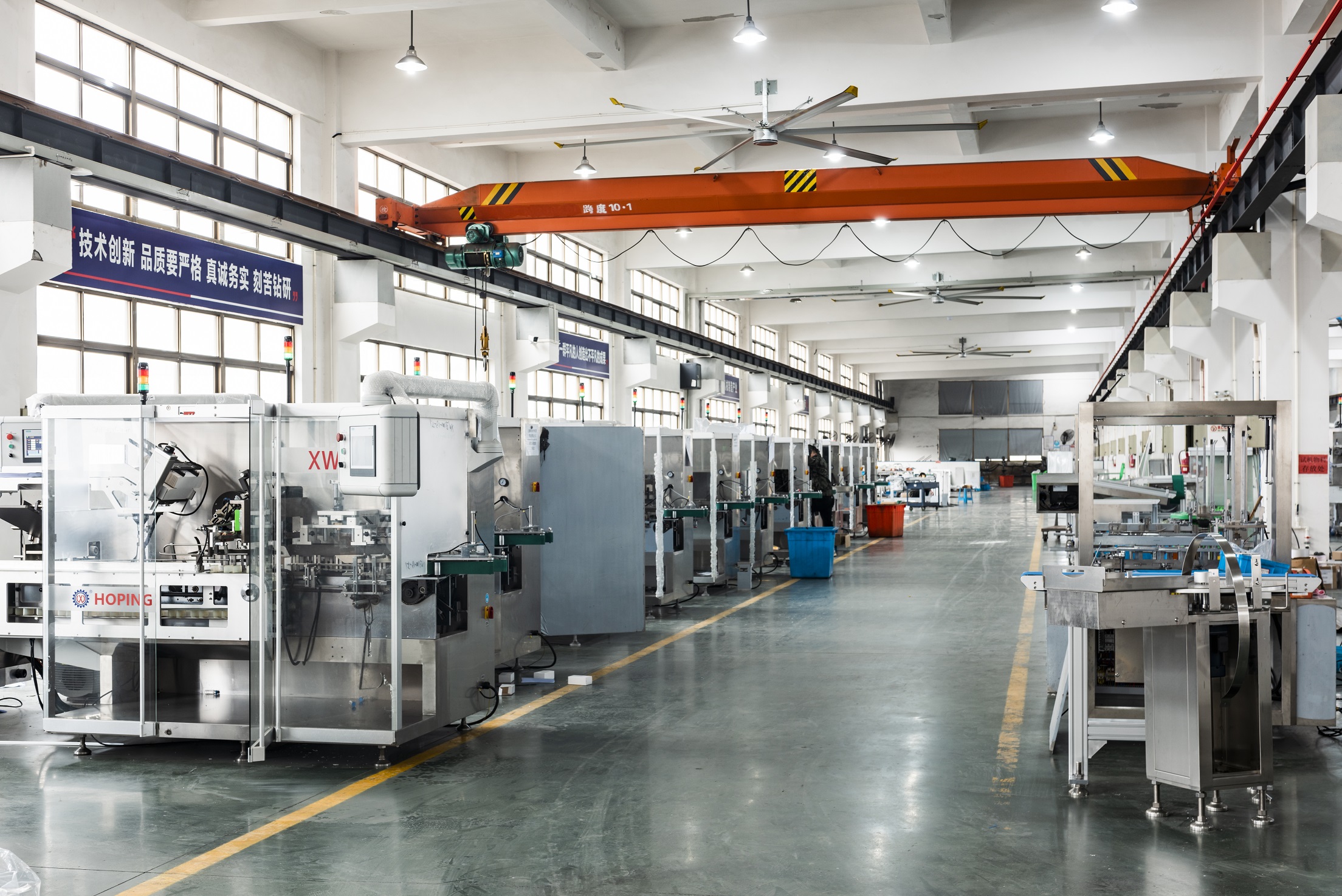
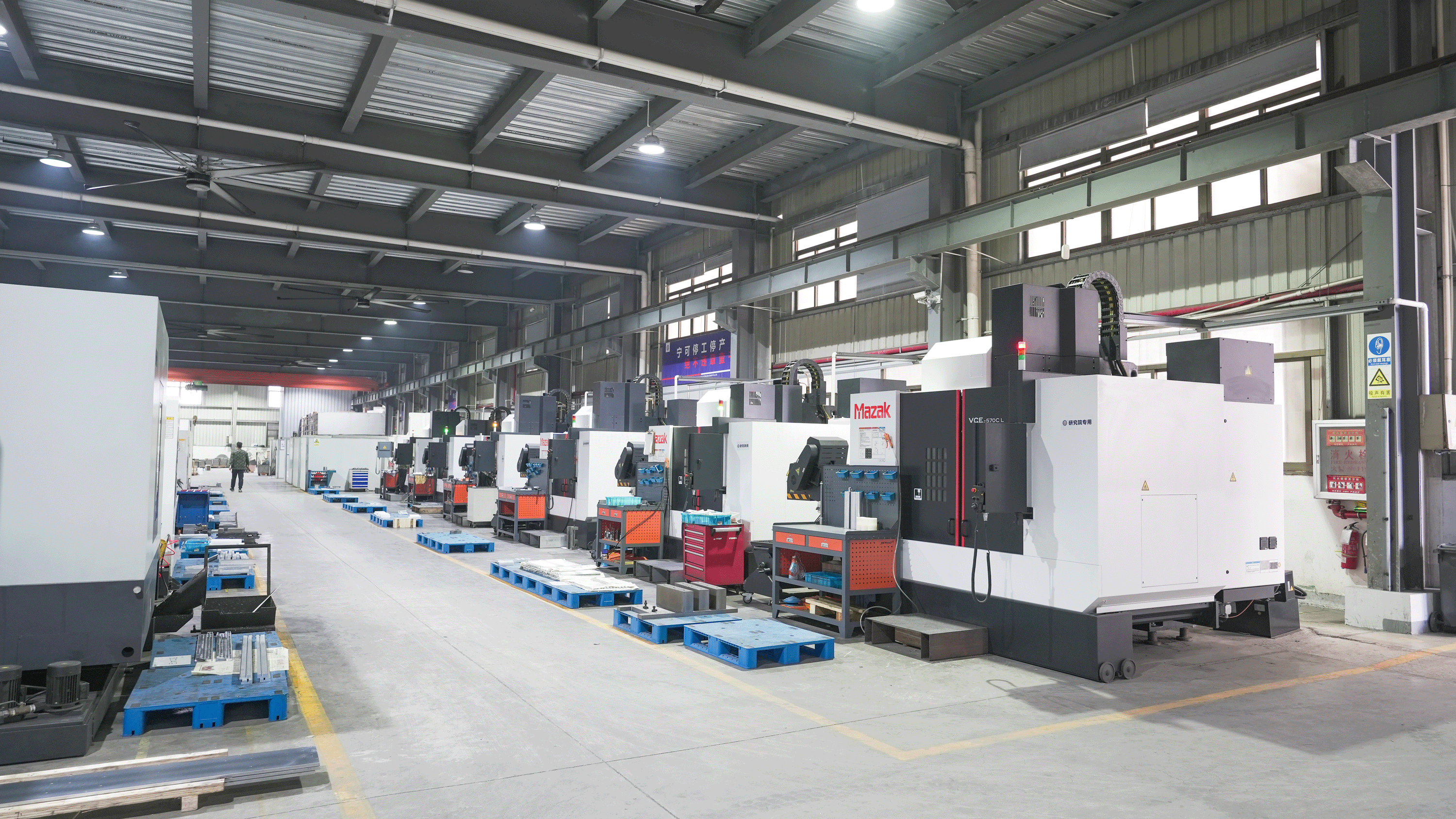
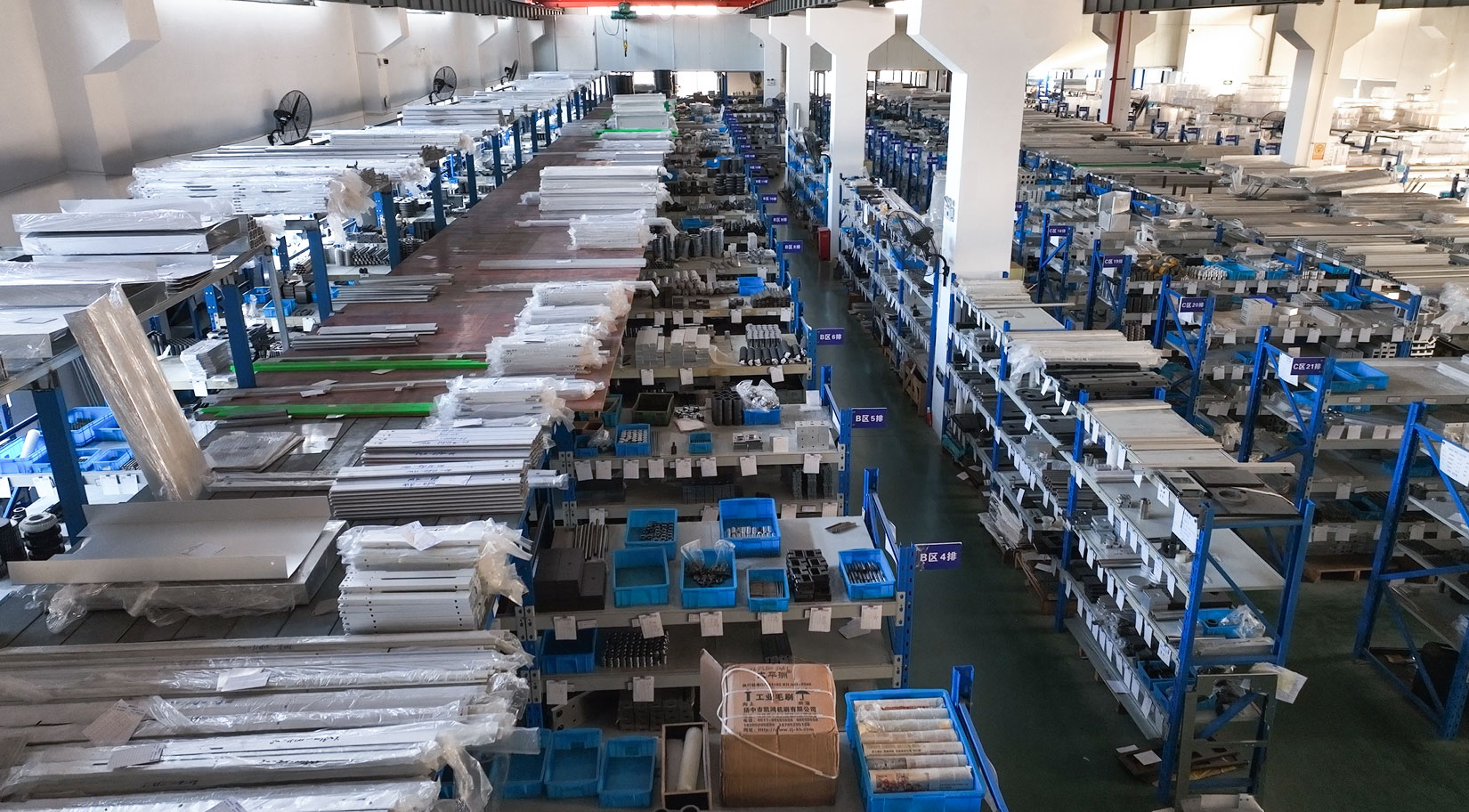
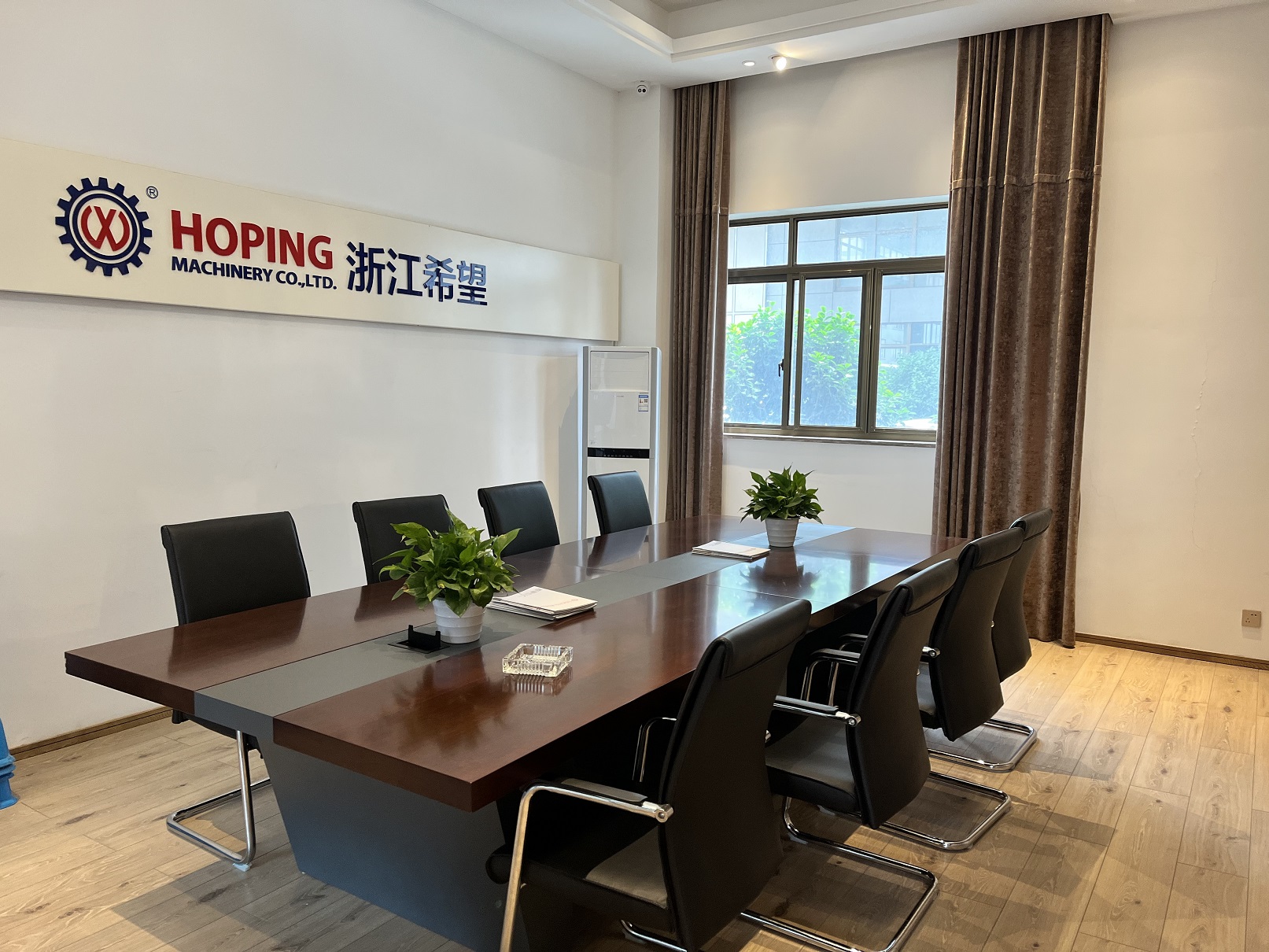
Zhejiang Hoping Machinery Co., Ltd. was established in 2001 and operates a 28,800 ㎡ manufacturing facility with more than 300 employees, a 56-engineer R&D team and an annual output of 500 units, exporting 25% of production to Southeast Asia, the Middle East, Eastern Europe, South America and Africa. The company holds 26 invention patents, 70 utility patents, 4 appearance patents, 10 PCT-protected filings in Europe, Russia, Germany, Italy and other countries, and 28 software copyrights, and is recognized as a manufacturer of integrated blister cartoning lines and end-of-line packaging systems with CE and ISO 9001/14001 certifications.
Frequently Asked Questions
Does an integrated blister-cartoning line meet pharmaceutical compliance requirements?
Compliance depends on the line being built and documented to the applicable framework. ISO 15378 integrates GMP requirements for primary packaging materials, and in the EU, pharmaceutical equipment safety is governed by Machinery Directive 2006/42/EC together with the EN 415 series for packaging machines. On the equipment side, control measures such as sensor monitoring, key-parameter locking, mechanical safety protection and fault records support compliance in daily operation, while a factory acceptance test before shipment and a site acceptance test after installation provide documented evidence. Hoping Machinery holds CE and ISO 9001/14001 certifications.
Can a high-speed integrated line actually relieve a throughput bottleneck, or does it just move the problem?
It relieves the specific constraint described in this article — the handoff between primary packaging and cartoning. An automatic blister-cartoning line combines blister packaging, blister transfer, leaflet handling, carton opening, insertion, inspection/rejection and downstream connection into one automated process, which reduces manual intervention and intermediate handling. The representative DHL1000/5H model is rated at up to 1000 blisters/min and 500 cartons/min. Those are rated speeds, and actual output depends on product format, quantity per carton, materials and process conditions, so the specification should be verified against your own formats and materials before purchase.
What are the minimum order quantity and commercial terms?
The minimum order quantity is 1 set or 1 complete line, and typical production lead time is 60-120 days after technical confirmation. Delivery terms are EXW Ruian/Wenzhou, FOB Ningbo or Shanghai, and CIF or CFR destination port, with final terms subject to contract and customer country requirements. Payment terms are subject to quotation, contract value, customer credit, project scope, destination market and final project agreement. Buyers should also allow for the fact that initial investment in an integrated line is usually higher than for standalone or semi-automatic equipment, offset in large-scale continuous production by reduced labor, transfer, management and quality-risk costs.
How are sample testing and acceptance handled?
Samples and packaging materials are confirmed at the early project stage, and the solution is designed according to blister and carton formats. No-load and material tests are carried out before shipment, followed by a factory acceptance test before dispatch and a site acceptance test at the customer site. Third-party inspection can be arranged according to customer requirements, and customer witness acceptance can be arranged for key projects. Acceptance criteria follow the confirmed technical agreement, sample testing, FAT and SAT.
What should you look for in a long-term pharmaceutical packaging machine supply partner in China?
After commissioning, the questions that decide whether the bottleneck stays fixed are service-related: installation and commissioning support, operator training, spare-parts availability, preventive-maintenance planning and remote technical support. Commercial capacity matters as much as service, because a partner that cannot supply on schedule becomes part of the bottleneck; typical production lead time is 60-120 days after technical confirmation, monthly production capacity is 30-40 units, and the minimum order quantity is 1 set or 1 complete line. Zhejiang Hoping Machinery Co., Ltd., founded in 2001, operates a 28,800 ㎡ facility with more than 300 employees, a 56-engineer R&D team and an annual output of 500 units, exporting 25% of production to Southeast Asia, the Middle East, Eastern Europe, South America and Africa. To discuss a specific blister-cartoning configuration, request a sample evaluation or a quotation through www.hopingcn.com, or download the catalog below.
Conclusion
When a blister line cannot keep up, the missing output is almost never in the forming station alone. It is in the handoffs: product waiting between stages, operators transferring blisters, and a cartoning stage that cannot match the upstream rate. An automatic blister-cartoning line answers that specific problem by integrating blister forming, sealing, transfer, leaflet handling, cartoning, inspection/rejection and downstream connection into one automated process, with a representative model rated at up to 1000 blisters/min and 500 cartons/min — tested against your formats, materials and quantity per carton, because that is what determines real output.
The execution path is straightforward: locate where work in process accumulates, verify forming and sealing stability, audit the handoffs, specify the line around formats rather than around a single machine, validate through FAT and SAT, then lock training, spare parts and preventive maintenance so the output holds. Treat lead time, MOQ and service structure as part of the same decision, because a capacity fix that cannot be supplied or serviced reliably only moves the bottleneck.
Next step: if your cartoner is the stage holding the line back, send your blister and carton formats, quantity per carton and target output for a configuration review and sample evaluation. Download the Hoping Machinery catalog, or contact Monica at monica@xwbj.com / +86 133-5610-5292 (WhatsApp available). Zhejiang Hoping Machinery Co., Ltd., 88th Weiwu Road, Nanbin Sub-district, Ruian City, Zhejiang Province, China.
Have Questions or Need More Details?
Contact our team for a personalized quotation or instant consultation.
Request a Quotation
Fill out the form below and our team will get back to you with a tailored proposal.
WhatsApp Direct Chat
Prefer to chat in real-time? Message us on WhatsApp for instant assistance & quick answers.
- Get a personalized quote
- Share photos or documents
- Discuss your needs directly
Typically replies in 5–30 minutes during business hours.