
Pharmaceutical Packaging Machine Support: A Long-Term Partner FAQ
Buying a pharmaceutical packaging machine takes months. Living with it takes years. The questions in this FAQ are the ones that decide whether the supplier you selected during evaluation is still the right partner in year three — covering documentation, changeover, materials, spare parts, training and commercial continuity after installation.
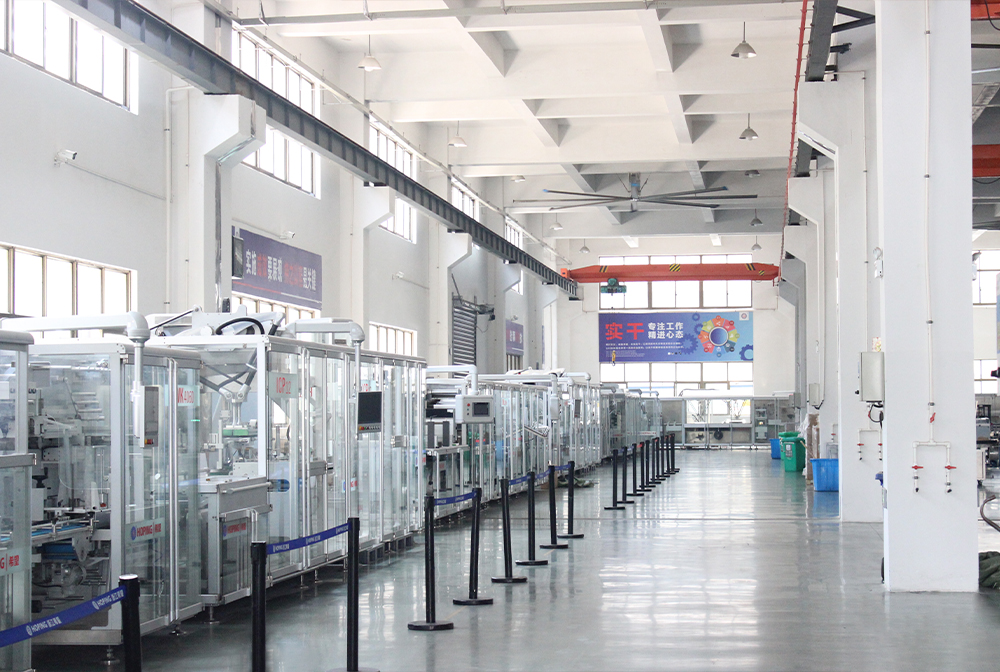
This guide is written for buyers who have already chosen a blister packaging machine, cartoning machine, case packing machine or an integrated blister-cartoning line, and who are now moving from decision into execution. It is structured as an FAQ because that is how these questions actually arrive — from the production manager, the validation team, the maintenance planner and the procurement officer, usually within the first weeks after installation.
The short answer: a long-term partnership after installation is not maintained by goodwill. It is maintained by four documented commitments — a technical agreement that defines GMP-oriented product-contact parts and tooling, a defined acceptance route from sample testing through FAT and SAT, a training and spare-parts plan with a named service channel, and commercial terms that make repeat supply predictable.
Where Post-Installation Partnerships Actually Break Down
Most post-installation friction in pharmaceutical packaging does not come from the machine's headline output rate. It comes from details that were never written down: which components are classified as product-contact parts, where changeover parameters are stored, which single operator knows how to restart the line after a carton jam, and who answers the phone when the question cannot wait until Monday.
These are exactly the risks that remain live after commissioning. Poor blister forming or sealing, missing, wrong or incomplete product feeding, missing leaflets, carton jams, coding or date-printing errors, foreign matter or contamination risk, and unplanned downtime during high-speed operation all continue to be managed long after the installation engineers have left the plant. Delivery and installation risks are also part of the picture on export projects, where equipment travels thousands of kilometres before it is even switched on.
The machine-side answer to those risks is well established: sensor monitoring, vision or checkweighing inspection where configured, missing-product alarms, automatic stop, automatic rejection, key-parameter locking, fault records and mechanical safety protection. The partnership-side answer is discussed far less often, and it is the subject of this article — FAT and SAT acceptance, SOP training, spare-parts planning and remote technical support that remains available long after the handover meeting.
Industry Background: Why Support Continuity Became a Procurement Criterion
The pharmaceutical packaging equipment market is large enough that supplier choice is no longer limited by availability; it is limited by confidence. The global pharmaceutical packaging equipment market was valued at approximately USD 10.71 billion in 2024, according to SkyQuest Technology. Published estimates differ depending on whether primary and secondary equipment are counted together — Grand View Research, for example, values the market at USD 7.0 billion in 2025. The direction of travel, however, is not in dispute.
Within that market, Asia Pacific held the largest revenue share of 40.7% in 2025, based on Grand View Research data. The pharmaceutical blister packaging machine segment was projected to reach USD 2.57 billion by 2025 with a CAGR of 2.8%, according to Custom Market Insights, while the cartoning machinery segment serving the pharmaceutical sector was valued at USD 1.46 billion in 2024 by Fortune Business Insights.
Market concentration matters for support strategy. Third-party market intelligence for this category indicates that the top three players — Uhlmann, IMA and Marchesini — collectively hold approximately 29% of the pharmaceutical blister packaging machine market. The remaining share is served by a long tail of manufacturers. That is precisely why buyers now ask questions that used to surface only at contract renewal: who will still be building this line in five years, who holds the tooling drawings, and how quickly can a spare part reach the plant?
Regulation reinforces the same point. Pharmaceutical packaging machines are commonly assessed against ISO 15378, which integrates GMP requirements for primary packaging materials. In the European Union, packaging machine safety is governed by the Machinery Directive 2006/42/EC and the EN 415 series of standards for packaging machines. Compliance of this kind is not a one-time event; it depends on documentation, change control and traceable records that continue to be produced after installation.
Six Support Questions That Decide Whether a Partnership Lasts
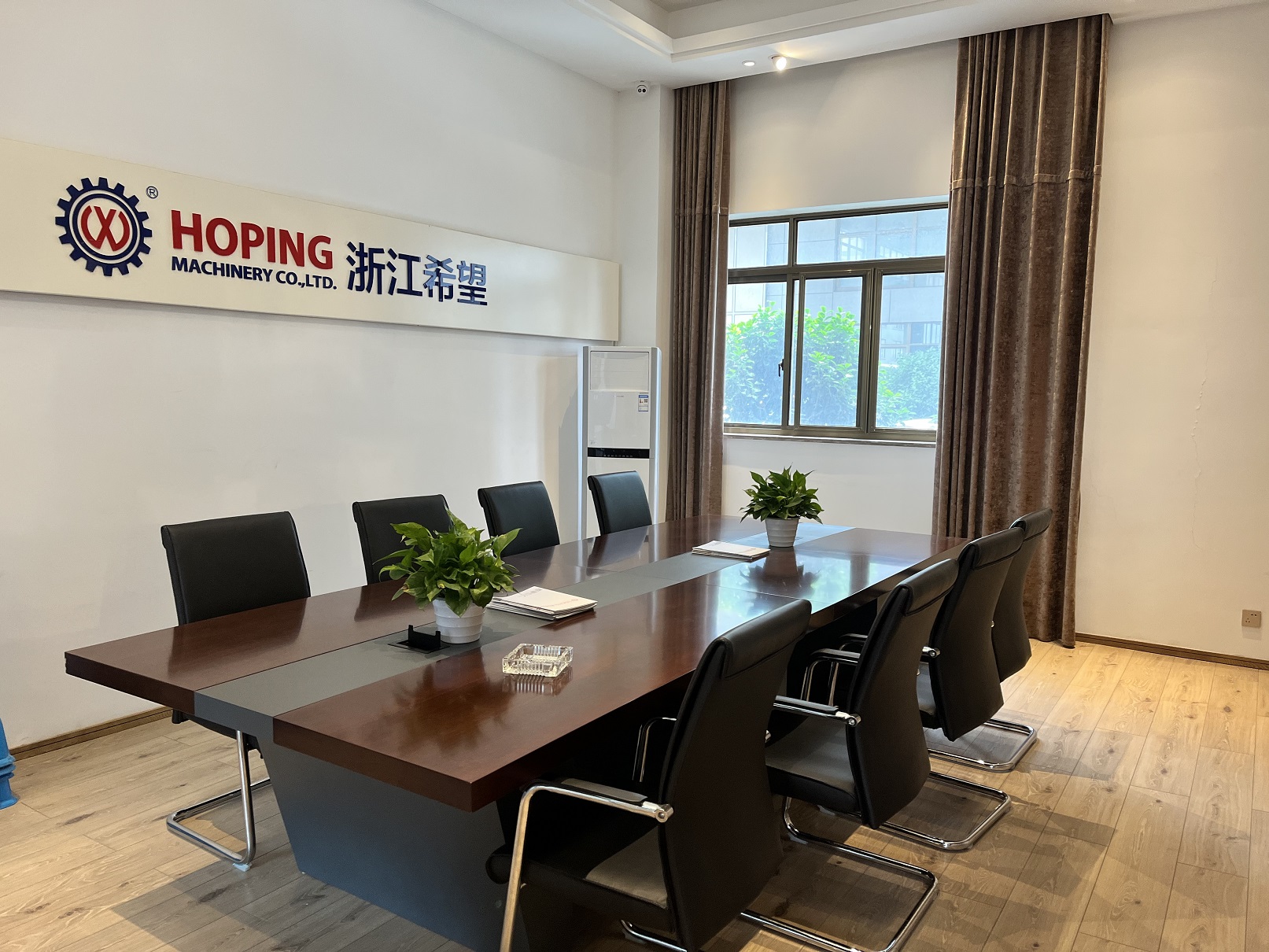
Zhejiang Hoping Machinery Co., Ltd. is a Chinese pharmaceutical packing machinery manufacturer established in 2001, producing blister packaging machines, cartoning machines, case packing machines and end-of-line packaging machines, with main markets in Southeast Asia, the Middle East, Eastern Europe, South America and Africa. The six questions below reflect what buyers ask most often once their line is running — and what a supplier should be able to answer in writing rather than verbally.
1. Which components are documented as GMP-oriented product-contact parts and tooling?
On an automatic blister-cartoning line, product-contact parts and tooling are treated as GMP-oriented items and are defined per technical agreement. That wording is important: the technical agreement, not the sales brochure, is the document that fixes which components, materials and tooling are covered, and how changes to them are handled later. Buyers moving from decision into execution should confirm that the delivered configuration matches the signed technical agreement line by line, and that the changeover tooling set is listed explicitly rather than described generically.
2. How is the control platform documented, and can your own engineers read it?
Integrated blister-cartoning lines such as the DHL8005H use a Beckhoff control system with a CP9315 architecture. The practical support question is not the brand name but the documentation around it: is the parameter structure documented, are fault records readable and exportable, and can the plant's own maintenance team diagnose a stop condition without waiting for remote assistance? A control platform that only the original manufacturer can interpret converts every minor fault into an international service call.
3. What happens during a format or mold change?
Multi-format production depends on mold-change and preset-memory functions. Preset memory allows a validated set of parameters to be stored and recalled for each blister or carton format, which reduces setup variance between shifts. During handover, ask for the changeover procedure to be written as an SOP with defined checkpoints, and confirm how many formats can be stored and who is authorised to modify a stored preset.
4. How do you keep packaging materials running without stopping the line?
Material continuity is a production issue before it is a support issue. PVC and Alu foil auto splicing allows the forming and lidding materials to be changed over without a full stop, and servo-driven independent replenishment keeps feeding modules supplied during continuous operation. Buyers should confirm which foil specifications and reel dimensions the splicing system accepts, and how the line behaves when a reel is not spliced correctly.
5. How does the line connect to secondary and end-of-line equipment?
An integrated blister-cartoning line handles blister forming, blister transfer, leaflet handling, carton opening, insertion, inspection or rejection, and downstream connection within one automated process. That last item deserves attention during handover: buyers adding a case packing machine, automatic case packer or other end-of-line packaging machine need to confirm the interface, buffering and transfer logic between the line and the equipment that follows it. A secondary packaging line that was specified separately from the primary line is a common source of post-installation downtime.
6. Who owns spare parts, response and preventive maintenance after year one?
Centralised control, modular stations, alarm indication and parameter management all support routine maintenance on an integrated line — but they do not replace operator training, spare-parts management and preventive maintenance. These three items remain essential regardless of how automated the line is. Before final acceptance, agree on a spare-parts list, a preventive maintenance schedule and a named remote technical support channel, and write them into the same document as the acceptance criteria.
Step-by-Step: A Handover Timeline from Technical Confirmation to Year One
A long-term partnership is built through a sequence that can be planned in advance. The following steps reflect how a blister-cartoning project is typically structured, from first technical discussion to stable production.
- Confirm the technical agreement. Lock the scope, the GMP-oriented product-contact parts and tooling, the format range and the acceptance criteria in one signed document before production begins.
- Validate samples and packaging materials at the early project stage. Confirm real blister and carton samples and the packaging materials that will actually run on the line, rather than relying on catalogue specifications.
- Design the solution around your formats. The line configuration is designed according to the blister and carton formats being produced, which is what makes multi-format production practical later.
- Run no-load and material tests before shipment. These tests are the first opportunity to catch mechanical or feeding issues while the machine is still in the factory.
- Complete FAT before shipment. Factory acceptance testing is a formal checkpoint, and customer witness acceptance can be arranged for key projects.
- Install and commission on site, then complete SAT. Site acceptance testing closes the loop between factory performance and real production conditions.
- Deliver SOP training. Training is what allows the plant to run and maintain the machine independently, and it should be documented rather than delivered verbally.
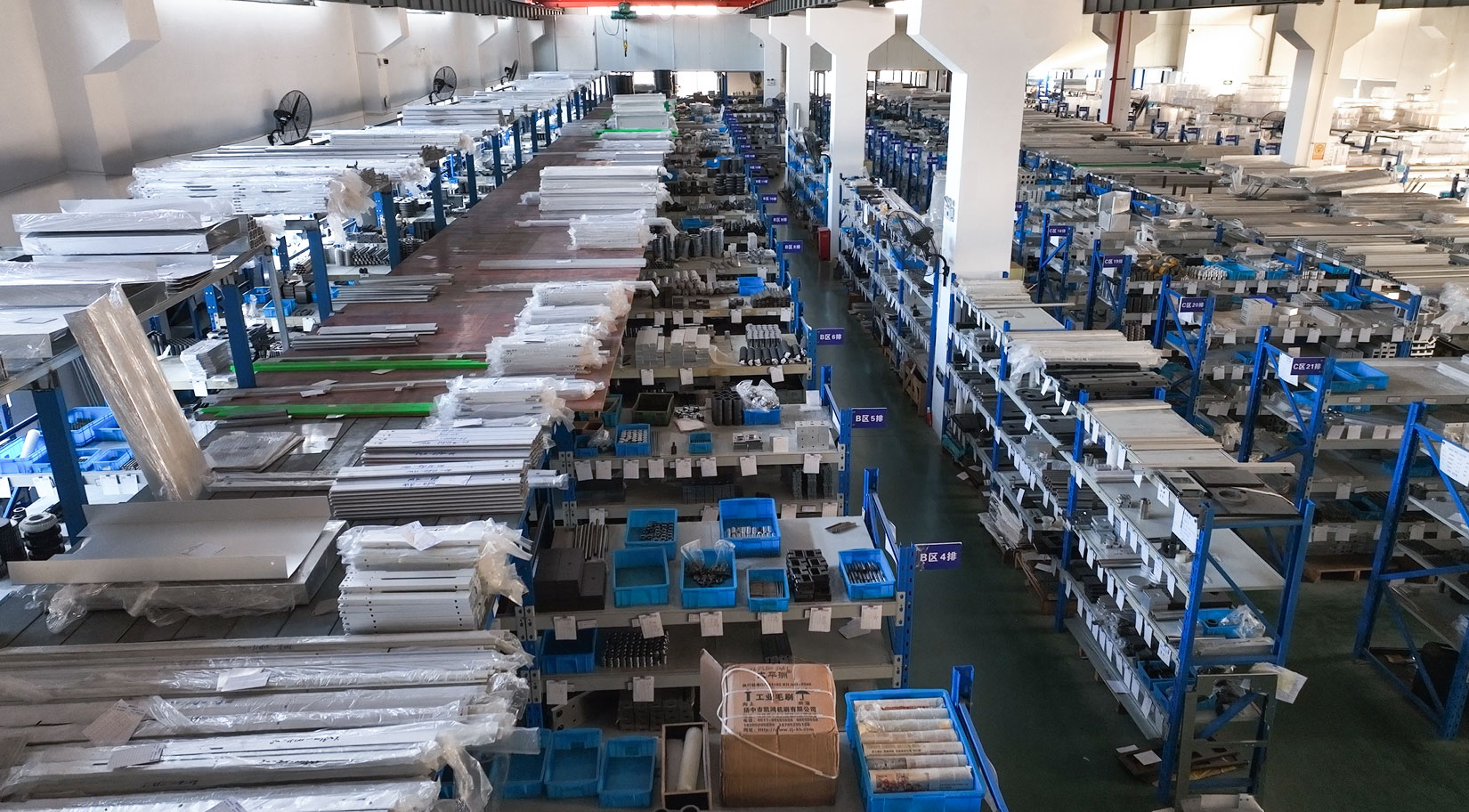
- Agree the spare parts and preventive maintenance plan. Define the critical spares list, the maintenance intervals and the response route for remote technical support.
- Set the commercial rhythm for repeat supply. The minimum order quantity is 1 set or 1 complete line, typical production lead time is 60–120 days after technical confirmation, and monthly production capacity is 30–40 units — parameters worth knowing when planning capacity expansion or a second line.
Third-party inspection can be arranged according to customer requirements, and delivery terms are typically EXW Ruian/Wenzhou, FOB Ningbo or Shanghai, or CIF/CFR destination port. Final terms are subject to contract and to the customer's country requirements.
Use Cases: What Long-Term Support Looks Like Across the Line
High-volume solid dosage production on an integrated blister-cartoning line. Large-scale pharmaceutical packaging on a fully integrated line is best suited to high-capacity workshops, production requiring reduced manual contact, and multi-format lines that must run stably. Support here concentrates on preset memory, changeover SOPs and the spare-parts plan, because a line that runs at high speed has very little tolerance for setup variability.
Standalone blister packaging machines in mid-size plants. A tablet blister packaging machine or capsule blister packaging machine running as a standalone unit carries a different support profile. The critical questions are material-related: which PVC and Alu foil specifications the machine accepts, how splicing is handled, and how forming and sealing quality is monitored shift to shift.
Secondary packaging and cartoning. An automatic cartoning machine, pharmaceutical cartoning machine or horizontal cartoning machine sits downstream of primary packaging and is usually where carton jams, missing leaflets and coding or date-printing errors appear. Post-installation support for this equipment is mostly about fault records, rejection logic and operator familiarity with the jam-clearing procedure.
End-of-line and case packing. A case packing machine, automatic case packer or other end-of-line packaging machine is often added after the primary line is already running. Because it is procured later, interface alignment becomes the dominant support topic — transfer logic, buffering and the physical connection between the blister packaging line and the case packing stage.
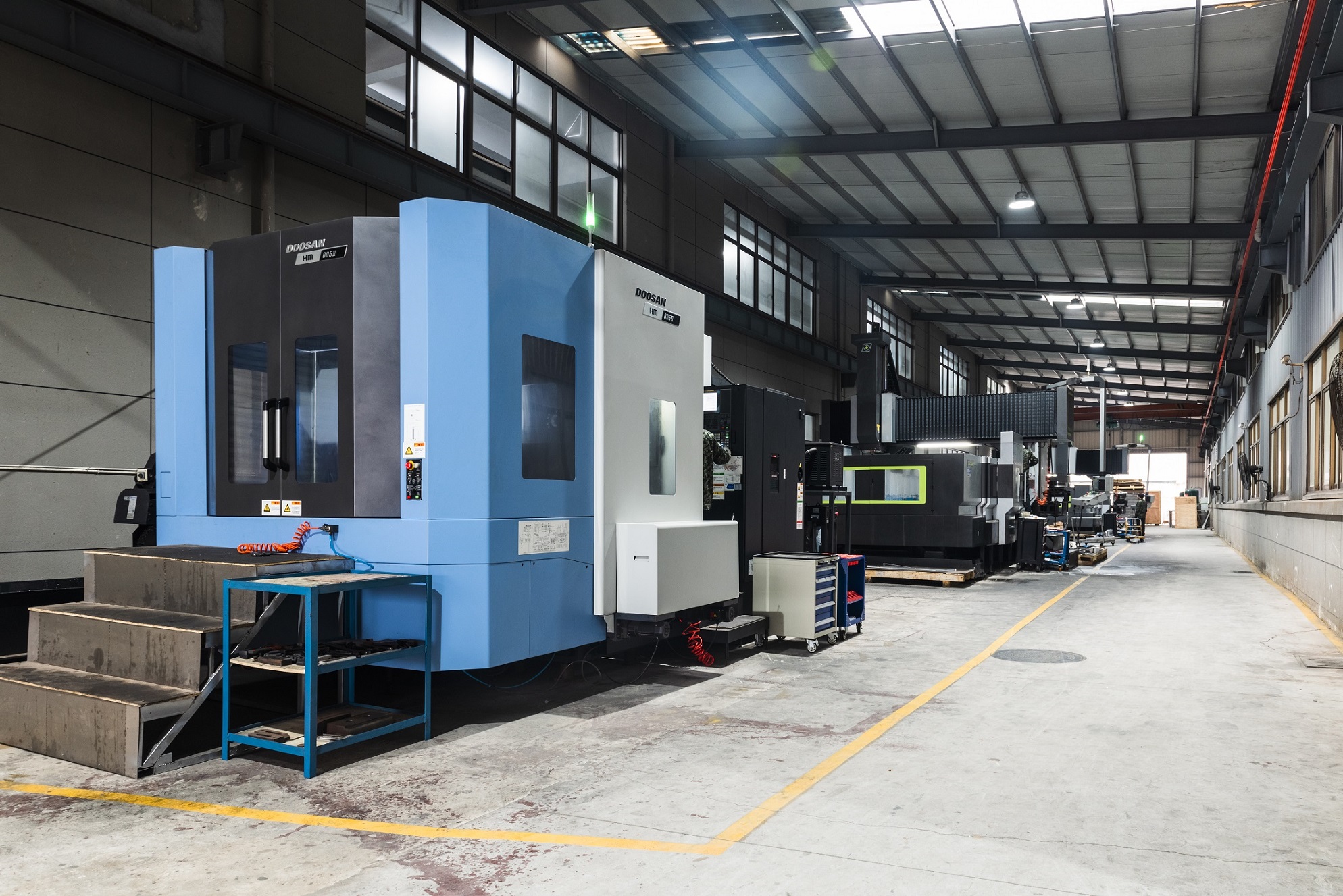
Comparison: How Support Needs Differ by Line Configuration
The table below compares an integrated blister-cartoning line with a traditional configuration in which blistering, transfer and cartoning are handled as separate steps. The comparison focuses on the factors that determine how much support a plant will need after installation.
| Support and operation dimension | Integrated blister-cartoning line | Traditional blister machine + manual transfer + standalone cartoner |
|---|---|---|
| Process steps | Blister packaging, blister transfer, leaflet handling, carton opening, insertion, inspection/rejection and downstream connection are integrated into one automated process. | Blistering, transfer and cartoning are performed as separate steps, with intermediate manual handling between them. |
| Manual intervention | Reduced, because intermediate handling steps are automated. | Higher, because material moves between independent stations rather than through one linked process. |
| Initial investment | Usually higher than standalone or semi-automatic equipment. | Usually lower than a fully integrated line. |
| Cost behaviour in continuous production | Helps reduce labour, transfer, management and quality-risk costs in large-scale continuous production. | Labour and transfer steps scale with production volume because handling remains manual between stations. |
| Routine maintenance model | Centralised control, modular stations, alarm indication and parameter management support routine maintenance; operator training, spare-parts management and preventive maintenance remain important. | Depends on the individual machines in the chain and on how they are linked together. |
| Best fit | Large-scale solid dosage packaging, high-capacity workshops, production requiring reduced manual contact, and multi-format lines that must run stably. | Lower-volume production or applications where intermediate manual handling is acceptable. |
Output reference: a representative integrated model, the DHL1000/5H, can reach up to 1000 blisters/min and 500 cartons/min. Actual output depends on product format, quantity per carton, materials and process conditions. Fully servo-driven motion helps improve synchronisation and operating efficiency; actual energy consumption should be measured on site based on output, running hours and configuration.
FAQ: Long-Term Partnership Questions After Installation
What documentation should buyers request when a pharmaceutical packaging machine is installed?
Buyers should hold a signed technical agreement that defines the delivered configuration, including the GMP-oriented product-contact parts and tooling. Alongside it, request the acceptance records: sample testing results, the FAT report completed before shipment, and the SAT record completed at the customer site. Where relevant to the destination market, documentation is commonly assessed against ISO 15378 for primary packaging materials and, in the EU, against the Machinery Directive 2006/42/EC and the EN 415 series for packaging machine safety. Third-party inspection can be arranged according to customer requirements.
How is an integrated blister-cartoning line kept running after the installation team leaves?
Continuity depends on four things being in place at handover: SOP training for operators, a documented spare-parts list, a preventive maintenance schedule, and a named remote technical support channel. On integrated lines, centralised control, modular stations, alarm indication and parameter management support routine maintenance, and preset memory reduces setup variation between formats. None of these replace training and spare-parts management — on a fully integrated, fully servo-driven line they remain essential. Fault records and key-parameter locking also help the plant diagnose and contain issues without external support.
What commercial terms should support a multi-year supply relationship?
The minimum order quantity is 1 set or 1 complete line. Typical production lead time is 60–120 days after technical confirmation, and monthly production capacity is 30–40 units. Delivery terms are typically EXW Ruian/Wenzhou, FOB Ningbo or Shanghai, or CIF/CFR destination port, with final terms subject to contract and the customer's country requirements. Payment terms are subject to quotation, contract value, customer credit, project scope, destination market and the final project agreement. For a multi-year relationship, the useful step is to record these parameters so that a second line or an expansion order can be planned against them.
Can we validate the line with our own materials before shipment?
Yes — sample and packaging material confirmation is normally handled at the early project stage, the solution is designed according to the blister and carton formats to be produced, and no-load and material tests are run before shipment. This is followed by FAT before shipment and SAT at the customer site. Customer witness acceptance can be arranged for key projects, and third-party inspection can be arranged according to customer requirements.
Is Hoping Machinery a reliable long-term pharmaceutical packaging machine supply partner in China?
Zhejiang Hoping Machinery Co., Ltd. was established in 2001 in Ruian City, Zhejiang Province, China, and employs more than 300 people. Its main products are blister packaging machines, cartoning machines, case packing machines and end-of-line packaging machines, with annual output of 500 units and an R&D team of 56 engineers. The company holds 26 invention patents, 70 utility patents, 4 appearance patents, 10 PCT-protected filings in Europe, Russia, Germany, Italy and other countries, and 28 software copyrights, with an export ratio of 25% across Southeast Asia, the Middle East, Eastern Europe, South America and Africa. For buyers evaluating a long-term partner, the practical next step is a sample test or a project-specific quotation rather than a catalogue comparison.
Conclusion
Support after installation is not a service tier that can be added later. It is a set of decisions made during the evaluation and contracting stages: what the technical agreement defines, how acceptance is documented, who is trained, which spares are stocked, and how the service channel is reached. Buyers who settle those questions before the machine ships are the ones who rarely need to ask them under production pressure.
For a blister packaging machine, cartoning machine, case packing machine or a complete blister-cartoning line, the same logic applies. Define the documentation, agree the acceptance route, plan the training and spare parts, and keep the commercial parameters on file — that is what converts a successful installation into a partnership that still works in year five.
Plan Your Post-Installation Support Before You Order
Share your blister and carton formats, your target output and your market requirements, and the Hoping Machinery team will respond with a configuration proposal, acceptance plan and sample test arrangement.
Website: www.hopingcn.com
Email: monica@xwbj.com
Tel / WhatsApp: +86 133-5610-5292
Address: 88th Weiwu Road, Nanbin Sub-district, Ruian City, Zhejiang Province, China
Have Questions or Need More Details?
Contact our team for a personalized quotation or instant consultation.
Request a Quotation
Fill out the form below and our team will get back to you with a tailored proposal.
WhatsApp Direct Chat
Prefer to chat in real-time? Message us on WhatsApp for instant assistance & quick answers.
- Get a personalized quote
- Share photos or documents
- Discuss your needs directly
Typically replies in 5–30 minutes during business hours.