
Blister-Cartoning vs. Flow-Wrap-Cartoner Lines: Choosing a Pharmaceutical Packaging Machine
Short answer: the choice between an integrated blister-cartoning line and a blister–flow-wrap–cartoner configuration is decided by the process sequence, not by brand preference or top-line speed. When the carton is the saleable unit and no wrapping step sits between the blister and the carton, a fully servo integrated blister-cartoner is the stronger architecture — the DHL8005H automatic blister-cartoning line is specified at up to 800 blisters per minute and 500 cartons per minute, runs on a Beckhoff motion controller with a CP9315 industrial PC, and combines blister packaging, blister transfer, leaflet handling, carton opening, insertion, inspection/rejection and downstream connection into one automated process. When the validated process genuinely requires flow wrapping before cartoning, a blister–flow-wrap–cartoner configuration is the realistic route, and the evaluation moves from line speed to format compatibility, changeover and compliance documentation — all of which must be confirmed against the technical agreement.
This comparison is written for procurement engineers, production managers and technical directors who are at the decision stage of a solid dosage secondary packaging project and need to compare two pharmaceutical packaging machine approaches on the same criteria: process sequence, output, control platform, construction, compliance and acceptance testing.
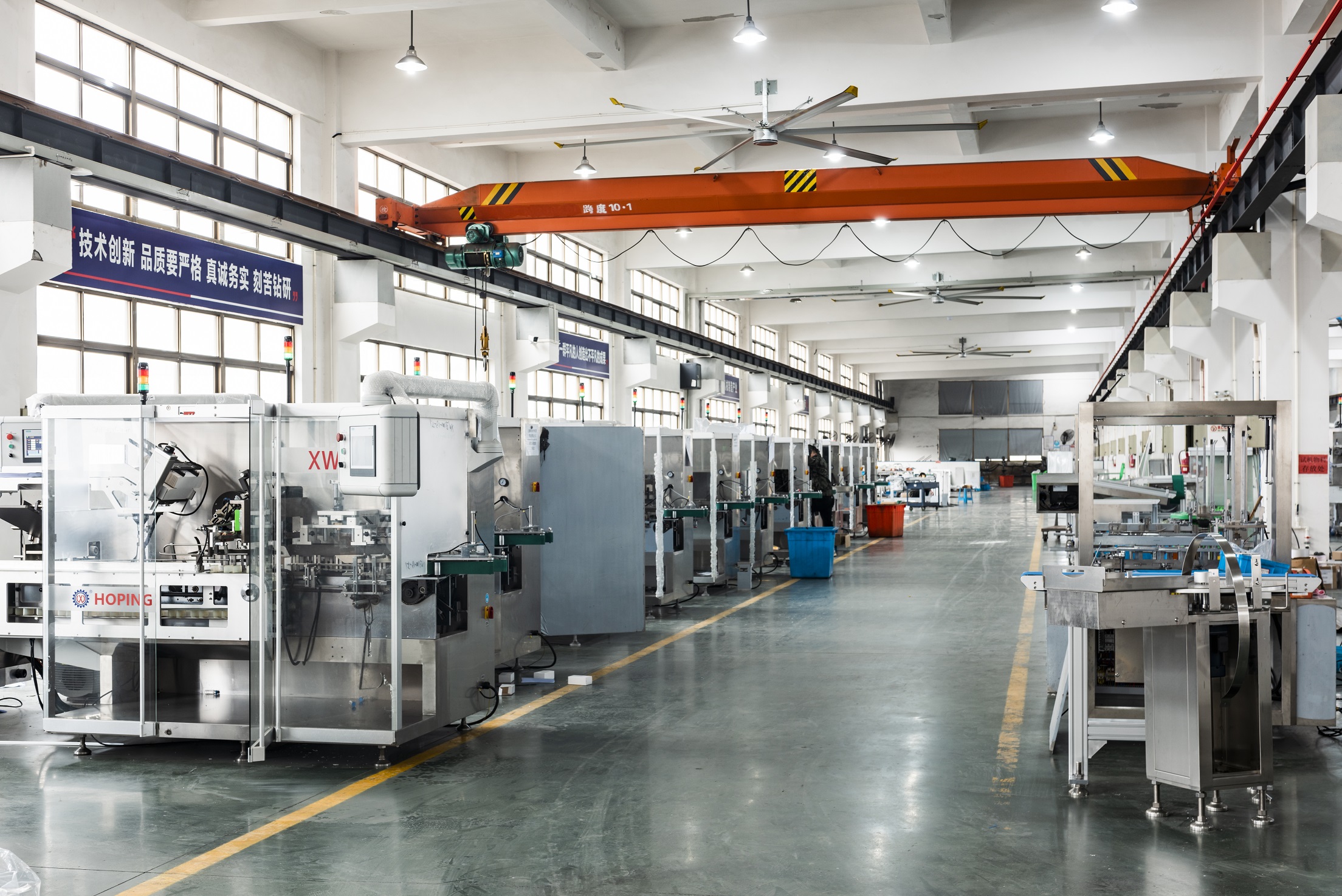
Why This Comparison Is Usually Framed the Wrong Way
Buyers tend to open the evaluation with throughput. That is understandable, but it is the second question. The first question is how many times the product is handed off between machines, because every hand-off adds labour, transfer time and quality risk.
A traditional arrangement — blister machine, manual transfer, standalone cartoner — means the blister strip leaves the forming machine, is moved by people, and then enters a cartoner that has no knowledge of what happened upstream. Compared to that arrangement, an integrated line has a distinct advantage in reducing manual intervention, because the functions sit inside one automated process rather than in three separate islands.
A blister–flow-wrap–cartoner configuration changes the conversation again. This is not a lower-grade version of an integrated line; it is a different product requirement. When a wrapped intermediate has to exist before the carton is formed, the wrapping station is not optional and the line must be evaluated with that station in place. Comparing such a configuration against an integrated blister-cartoner purely on cartons per minute compares two different processes.
Three variables actually change between the two approaches, and everything else is a consequence:
- Process sequence and product requirement — is a flow-wrapped intermediate part of the validated pack, or is the blister strip itself the input to cartoning?
- Format and changeover behaviour — how many blister formats, carton sizes and (where relevant) wrapping formats must run on the same line?
- Compliance and documentation scope — how many stations, transfers and inspection interfaces must be documented, validated and maintained.
Cost and speed follow from those three. Deciding them in that order avoids the common outcome where a project buys a faster line than the process sequence can actually use.
Industry Background: A Market That Rewards Line-Level Decisions
The pharmaceutical packaging equipment market was valued at approximately USD 10.71 billion in 2024 (SkyQuest Technology). Within it, the pharmaceutical blister packaging machine segment is projected to reach USD 2.57 billion by 2025 with a CAGR of 2.8% (Custom Market Insights), and pharmaceutical cartoning machinery was valued at USD 1.46 billion in 2024 (Fortune Business Insights). Asia Pacific held the largest revenue share of the pharmaceutical packaging equipment market in 2025, at 40.7% (Grand View Research).
Supplier concentration is moderate rather than extreme. The three largest blister packaging machine players — Uhlmann, IMA and Marchesini — together hold approximately 29% of the pharmaceutical blister packaging machine market. That number is useful for a decision-stage buyer for one reason: it means the majority of the market is served by regional and specialist suppliers, so a Chinese or other regional manufacturer is not an unusual choice but a normal part of the shortlist.
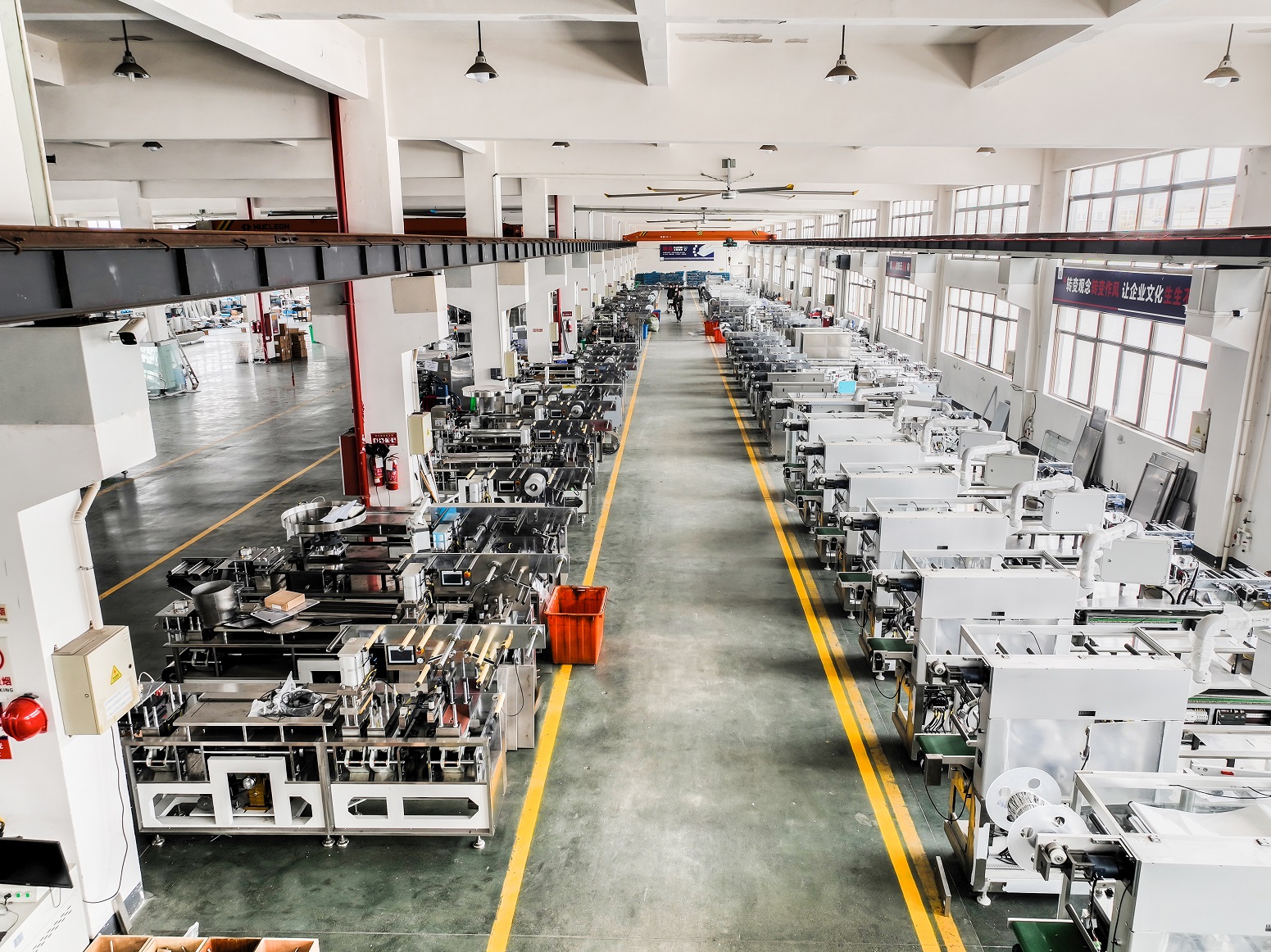
The Two Approaches, Defined
Option A: The integrated automatic blister-cartoning line (DHL8005H)
An integrated automatic blister-cartoning line performs the primary and secondary packaging functions as one process. The DHL8005H configuration combines blister packaging, blister transfer, leaflet handling, carton opening, insertion, inspection/rejection and downstream connection into a single automated flow. That definition matters commercially: compared with a traditional blister machine plus manual transfer plus a standalone cartoner, the integrated arrangement reduces manual intervention by removing the intermediate handling steps where operators, trays and trolleys would otherwise sit.
The specified output for this configuration is up to 800 blisters per minute and 500 cartons per minute. Motion is coordinated by a Beckhoff motion controller with a CP9315 industrial PC, which places the line's sequencing, parameter management and alarm logic on a single industrial control platform rather than on distributed mechanical linkages. In practice, this architecture supports centralised control, modular stations and parameter management, which is what makes routine maintenance and diagnostics practical; operator training, spare-parts management and preventive maintenance remain essential regardless of the control platform.
Construction is GMP-oriented, using stainless steel and aluminum-alloy materials. That choice is directly connected to the risk profile of pharmaceutical packaging: foreign matter and contamination risk are controlled through design, cleaning access and material selection, not only through procedures.
Independent replenishment is part of the DHL8005H specification. Because the meaning of “independent” depends on which materials and which stations are involved, this is an item to fix in writing: ask the supplier to state which consumables are replenished independently, how replenishment is signalled, and whether the line continues running during a replenishment cycle.
Output scales with the model and the format across the integrated family. Published line data for the family also cites a representative DHL1000/5H model at up to 1,000 blisters per minute and 500 cartons per minute. The two figures are not in conflict: they show that the top-end blister rate is a configuration choice, while the carton rate tends to be the practical ceiling. Actual output in any case depends on product format, quantity per carton, materials and process conditions.
This approach is most suitable for large-scale solid dosage pharmaceutical packaging and high-capacity workshops that require reduced manual contact, and for multi-format packaging lines that must run stably rather than at a theoretical peak.
Option B: The blister–flow-wrap–cartoner configuration
A blister–flow-wrap–cartoner configuration inserts a flow-wrapping stage between the blister output and the cartoner. It applies to projects where flow wrapping before cartoning is a required process step rather than an option — that is, where a wrapped intermediate must exist as part of the finished pack, or where wrapping is required before the carton is loaded.
The engineering consequence is straightforward: the line gains a station and a transfer, and the cartoner receives a different input than a bare blister strip. Carton loading geometry, sensing and rejection logic therefore have to be designed around the wrapped intermediate, not around the blister strip. Where an integrated blister-cartoner is evaluated on how tightly blister, leaflet and carton are synchronised, a flow-wrap-cartoner configuration is evaluated on how well the wrapping stage and the cartoning stage share format data and changeover sequences.
Because published specifications for a wrapping-plus-cartoning arrangement depend heavily on the wrapping format, film, carton size and inspection options, buyers should verify format, changeover and compliance needs per technical agreement rather than assume them from a brochure. The realistic evaluation questions are: which wrapping format is required, what the changeover sequence looks like between products, what inspection is configured after wrapping and after cartoning, and how the wrapped intermediate is rejected when it is out of specification.
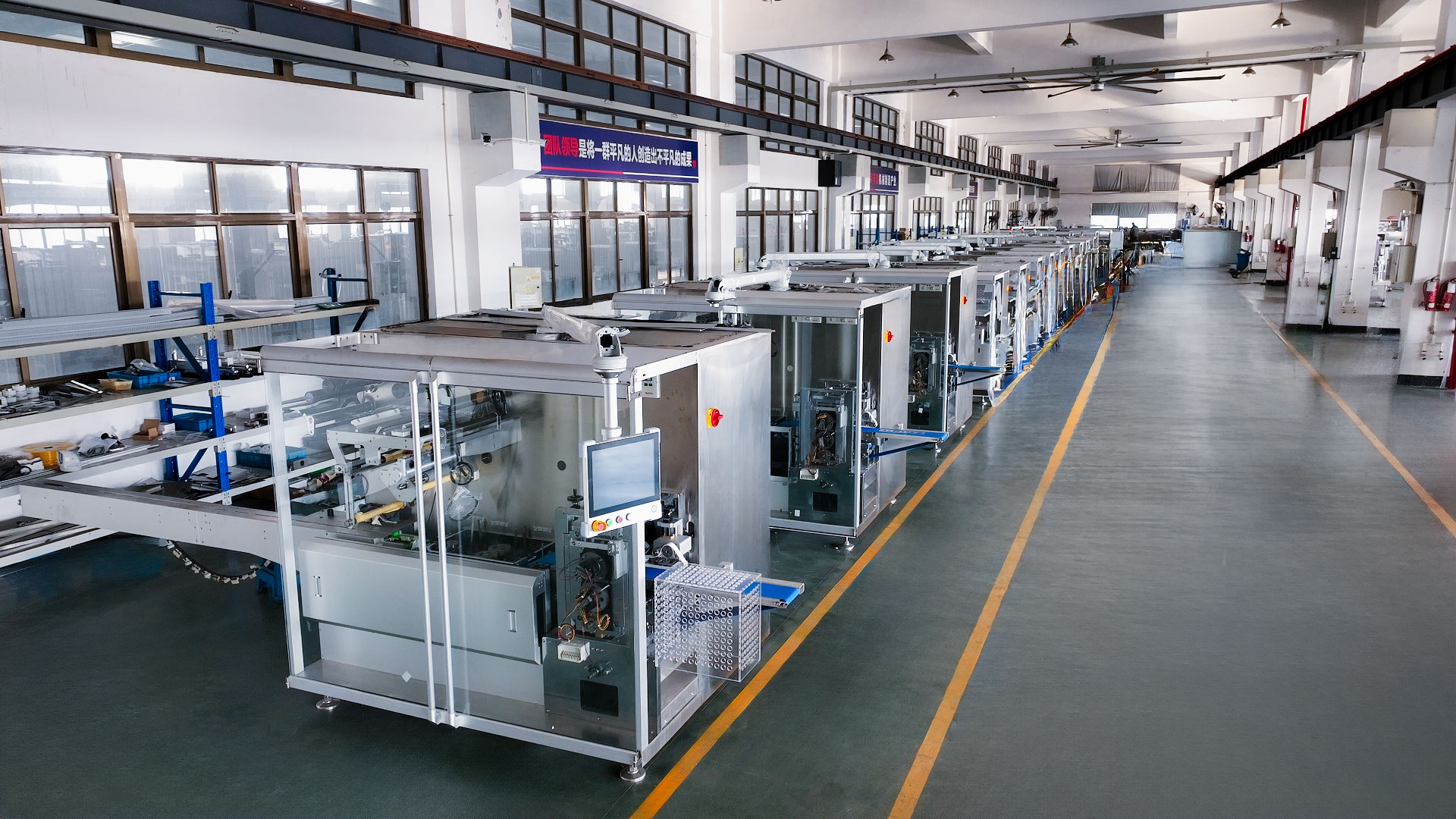
When each approach is preferable
Choose the fully servo integrated blister-cartoner when the carton is the saleable unit, when the process chain ends at cartoning and downstream case packing, and when the project goal is a short, synchronised chain with the fewest possible hand-offs. In that situation the DHL8005H architecture — up to 800 blisters/min and 500 cartons/min, Beckhoff motion control with a CP9315 industrial PC, independent replenishment, and GMP-oriented stainless steel and aluminum-alloy construction — is the configuration the project should be quoted against.
Choose the blister–flow-wrap–cartoner configuration when flow wrapping is a mandatory step before cartoning. In that case, do not benchmark the project against the cartons-per-minute figure of a line that has no wrapping stage. Benchmark it against changeover time, wrapped-intermediate quality and the compliance documentation covering the added station.
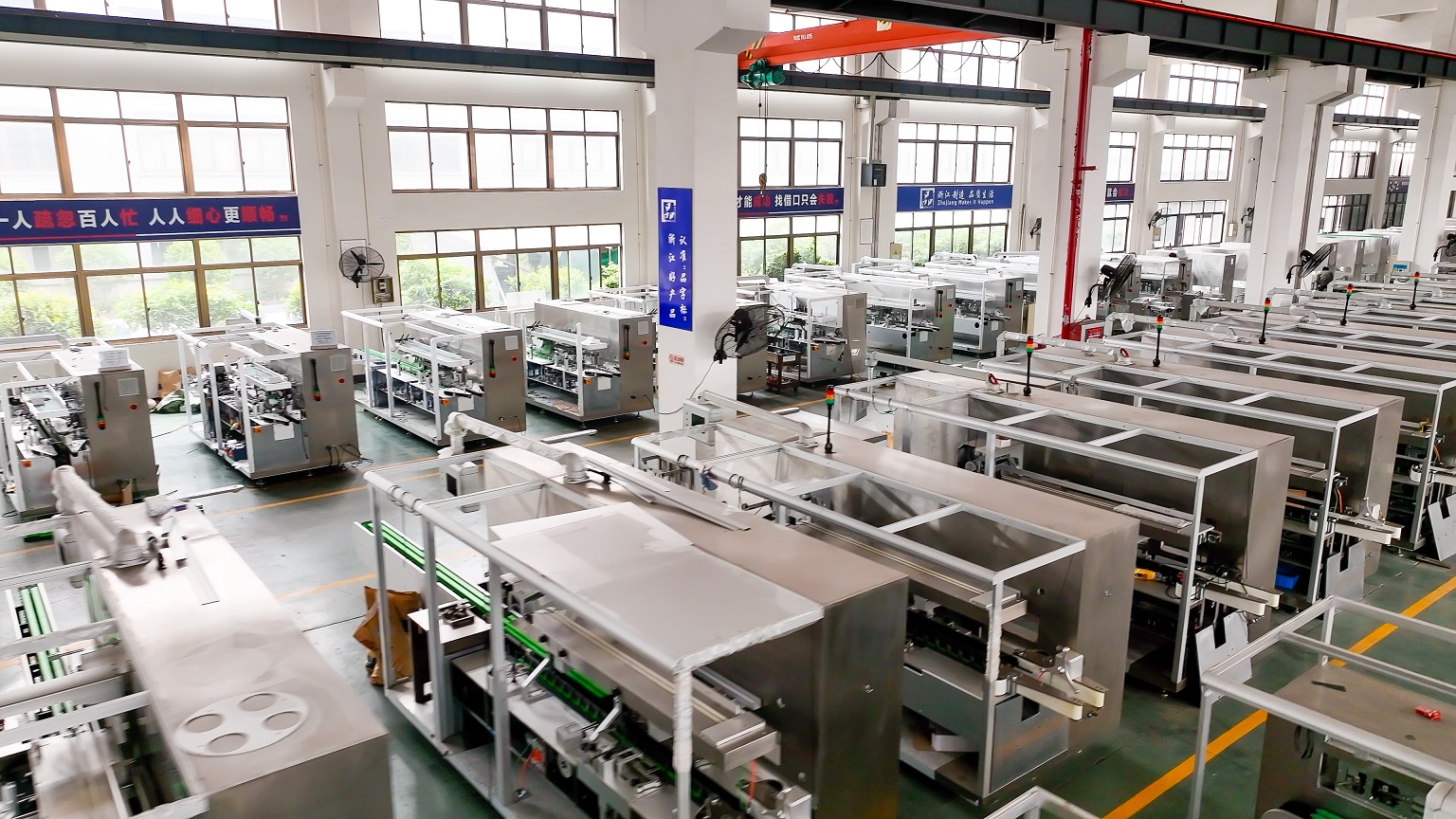
A Step-by-Step Way to Make the Decision
The sequence below is designed to be run as a written checklist with the supplier, so that each answer becomes a clause in the technical agreement rather than an assumption in a meeting.
- Fix the saleable unit and the mandatory process sequence. State whether a flow-wrapped intermediate is part of the finished pack. If yes, the blister–flow-wrap–cartoner configuration is the baseline; if no, the integrated blister-cartoner is the baseline.
- Define the blister format and the carton format. Confirm blister dimensions, forming and lidding materials, quantity per carton, leaflet presence and folding requirement. The supplier's solution should be designed around the blister and carton formats, not around a generic platform.
- Convert machine rate into usable output. The DHL8005H is specified at up to 800 blisters/min and 500 cartons/min; the two figures interact through the blister-to-carton ratio. The binding number is whichever stage fills cartons, so verify which figure limits your product. Confirm the same logic against whatever wrapping format applies if flow wrapping is included.
- Check the control platform and servo architecture. Ask how motion is coordinated (Beckhoff motion controller with CP9315 industrial PC for the DHL8005H), how parameters and presets are stored and recalled, and how alarms are presented to operators during a fault.
- Check GMP-oriented construction and cleaning. Confirm stainless steel and aluminum-alloy construction, surface finish, cleaning access, and how foreign matter and contamination risk are controlled by design rather than by procedure alone.
- Check format range and changeover. Confirm changeover steps and tooling for every blister and carton size on the forecast list; for a flow-wrap configuration, add the wrapping format and film to the same list.
- Map the risk controls. The relevant risk list includes poor blister forming or sealing, missing or wrong product feeding, missing leaflet, carton jam, coding or date-printing errors, foreign matter, high-speed downtime, and export delivery and installation risk. The matching controls are sensor monitoring, vision or checkweighing inspection where configured, missing-product alarms, automatic stop, automatic rejection, key-parameter locking, fault records, mechanical safety protection, and FAT/SAT acceptance with SOP training.
- Plan acceptance and support before ordering. Confirm samples and packaging materials at the early project stage, no-load and material tests before shipment, installation and commissioning, operator training, spare parts, and remote technical support. Witness acceptance can be arranged for key projects. If flow wrapping is involved, include the wrapped intermediate in the test so that carton insertion is validated with the real geometry.
Use Cases: Which Project Profile Fits Which Line
High-capacity solid dosage cartoning. Tablets and capsules packed into blister strips, where the carton is the saleable unit and volume is the priority. This is the profile the integrated DHL8005H configuration is designed for, and where the removal of manual transfer between machines produces the clearest operational benefit.
Workshops prioritising reduced manual contact. Where the objective is fewer operators touching product between blister forming and cartoning, integration is the mechanism that reduces that contact, rather than a larger workforce on the same layout.
Projects where flow wrapping is a required step. Where a wrapped intermediate must exist before cartoning, the blister–flow-wrap–cartoner configuration is the correct starting point, and the specification should be built station by station and confirmed per technical agreement.
Multi-format lines and export projects. Where several blister and carton sizes must run stably on one line and the equipment will be installed overseas, format handling, documentation, training and remote support matter as much as the peak rate.
Comparison Table: Blister-Cartoning Line vs. Blister–Flow-Wrap–Cartoner Line
| Decision factor | Integrated blister-cartoning line (DHL8005H) | Blister–flow-wrap–cartoner configuration |
|---|---|---|
| Process sequence | Blister packaging, blister transfer, leaflet handling, carton opening, insertion, inspection/rejection and downstream connection in one automated process | Blister stage plus a flow-wrapping stage before the cartoner; the wrapped intermediate becomes the cartoner input |
| Specified output | Up to 800 blisters/min and 500 cartons/min for this configuration | Confirm per technical agreement; determined by wrapping format and carton format |
| Control architecture | Beckhoff motion controller with CP9315 industrial PC | Confirm control platform and servo architecture per technical agreement |
| Construction | GMP-oriented stainless steel and aluminum-alloy construction | Confirm materials and cleaning design per technical agreement |
| Material replenishment | Independent replenishment is part of the specification; confirm which stations and materials it covers | Confirm replenishment of wrapping film and carton blanks |
| Manual intervention | Reduced versus a traditional blister machine plus manual transfer plus standalone cartoner | Fewer hand-offs than manual transfer, but an additional automatic station is added |
| Best-fit production profile | Large-scale solid dosage packaging and high-capacity workshops requiring reduced manual contact | Projects where flow wrapping before cartoning is a required process step |
| Format and changeover | Confirm format range and changeover for each blister and carton size | Confirm wrapping format, carton format and the changeover sequence |
| Compliance scope | ISO 15378 integrates GMP requirements for primary packaging materials; EU equipment safety is governed by Machinery Directive 2006/42/EC and the EN 415 series for packaging machines | Same regulatory framework; more stations and transfer points to document and validate |
| Investment profile | Initial investment is usually higher than standalone or semi-automatic equipment; intended to reduce labour, transfer, management and quality-risk costs in large-scale continuous production | Quote driven by station count; compare at line level rather than machine level |
Both columns remain subject to the technical agreement and to the requirements of the target market.
Frequently Asked Questions
1. Do the two line types face different compliance requirements?
Both sit inside the same regulatory framework. ISO 15378 integrates GMP requirements for primary packaging materials, and in the EU, pharmaceutical equipment safety is governed by the Machinery Directive 2006/42/EC together with the EN 415 series for packaging machines. What changes between the two architectures is the number of stations, transfer points and inspection interfaces that must be documented, validated and maintained. Because the final configuration defines the scope, compliance documentation should be confirmed per technical agreement and per target market before the order is placed.
2. The DHL8005H is specified at up to 800 blisters/min and 500 cartons/min — will I actually get that output?
Those are machine rate figures under defined conditions. Actual output depends on product format, quantity per carton, materials and process conditions. Two practical points: first, the blister rate and the carton rate interact through the blister-to-carton ratio, so the binding figure is the one that fills cartons; second, output scales with model selection inside the integrated family, where published line data also cites a representative DHL1000/5H model at up to 1,000 blisters/min and 500 cartons/min. Match the model to the carton rate you need rather than to the highest blister figure quoted.
3. Is an integrated blister-cartoning line more expensive than a flow-wrap-cartoner setup?
On purchase price, integrated lines usually require a higher initial investment than standalone or semi-automatic equipment. The comparison is only meaningful at line level: in large-scale continuous production, integration is intended to reduce labour, transfer, management and quality-risk costs, while a flow-wrap-cartoner configuration adds a wrapping station with its own material and changeover requirements. Two lines with similar throughput can therefore sit in different cost structures. Ask for a quotation that separates stations, changeover tooling and inspection options for your own formats.
4. How can we validate the line before we commit to an order?
Confirm samples and packaging materials at the early project stage, and have the solution designed around the actual blister and carton formats. Before shipment, no-load and material tests are run, and support continues through installation, commissioning, training, spare parts and remote technical support, with customer witness acceptance available for key projects. If a flow-wrapping stage is involved, include the wrapped intermediate in the test so that carton insertion is validated with the real geometry rather than with a simulation of it.
5. Which manufacturer is better for a pharmaceutical packaging machine made in China?
There is no universally better manufacturer, because the answer depends on your formats, your output target, the compliance documentation you need and the support model you can sustain. Market concentration is one input rather than a verdict: Uhlmann, IMA and Marchesini together hold approximately 29% of the pharmaceutical blister packaging machine market, which means most of the market is served by regional and specialist suppliers. For China-based sourcing, evaluate evidence rather than claims. Zhejiang Hoping Machinery Co., Ltd. (HOPING), founded in 2001, manufactures blister packaging machines, cartoners, case packers and end-of-line packaging equipment from a 28,800 m² facility with more than 300 employees and 56 R&D engineers; the company holds 26 invention patents, 70 utility patents, 4 appearance patents, 10 PCT-protected patents and 28 software copyrights, and exports about 25% of its output to Southeast Asia, the Middle East, Eastern Europe, South America and Africa. The practical next step is to send your blister and carton formats and ask for a line configuration and quotation.
Conclusion and Next Step
The decision rule is short enough to remember. If the process ends at cartoning and no wrapped intermediate is required, an integrated automatic blister-cartoning line — represented here by the DHL8005H, with up to 800 blisters/min and 500 cartons/min, Beckhoff motion control with a CP9315 industrial PC, independent replenishment and GMP-oriented stainless steel and aluminum-alloy construction — gives the shortest chain and the fewest hand-offs. If flow wrapping is a required step before cartoning, the blister–flow-wrap–cartoner configuration is the right baseline, and the project should be specified station by station with format, changeover and compliance confirmed in the technical agreement.
Whichever route applies, the same three deliverables decide whether the project succeeds: a written statement of the process sequence, a written format and changeover list, and a test plan that includes no-load and material tests before shipment.
Send Your Blister and Carton Formats
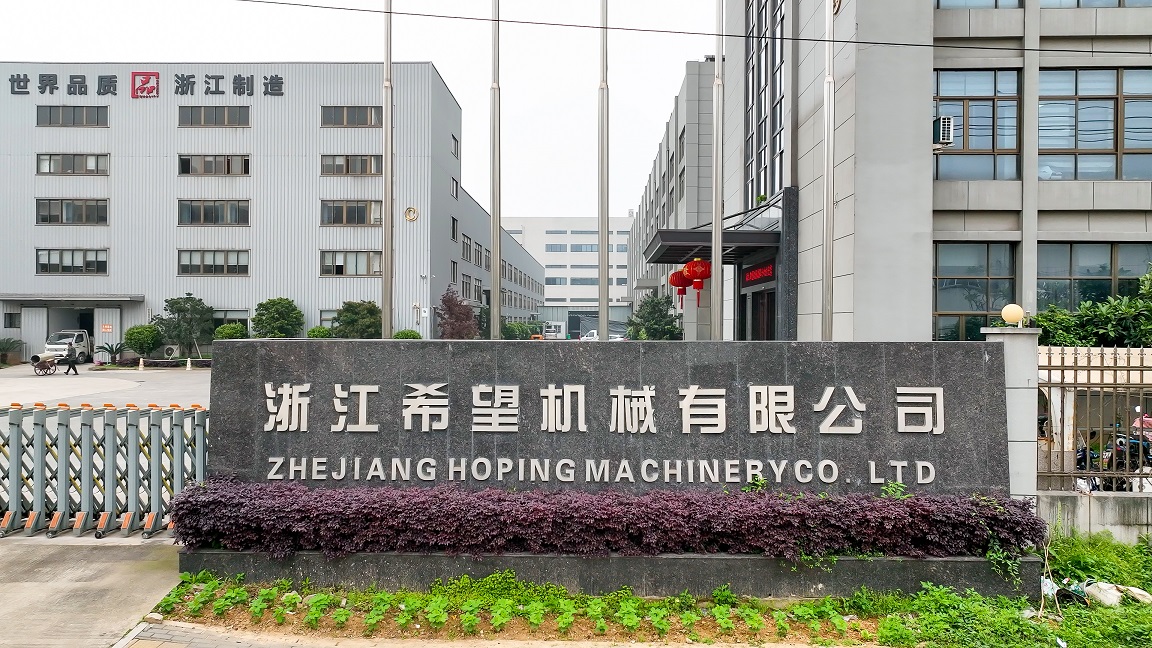
Share your blister format, carton size, quantity per carton and target output, and Hoping Machinery will propose the appropriate line configuration — integrated blister-cartoning or flow-wrap-cartoner — with the changeover and compliance items that apply to your project.
Contact: Monica | Email: monica@xwbj.com | Tel / WhatsApp: +86 133-5610-5292
Website: www.hopingcn.com
Have Questions or Need More Details?
Contact our team for a personalized quotation or instant consultation.
Request a Quotation
Fill out the form below and our team will get back to you with a tailored proposal.
WhatsApp Direct Chat
Prefer to chat in real-time? Message us on WhatsApp for instant assistance & quick answers.
- Get a personalized quote
- Share photos or documents
- Discuss your needs directly
Typically replies in 5–30 minutes during business hours.