
Top Integrated Blister-Cartoning Lines for Solid Dosage: 6 Picks
Top Integrated Blister-Cartoning Lines for Solid Dosage: 6 Picks
Quick answer: This shortlist ranks six integrated blister-cartoning configurations for tablets and capsules by how much of the packaging sequence they close automatically — blister forming, blister transfer, leaflet handling, carton opening, insertion, inspection/rejection and downstream connection — and by how much of that automation can be documented for a GMP review. Rank 1 is the fully integrated servo-driven configuration represented by the DHL1000/5H, which reaches up to 1000 blisters per minute and 500 cartons per minute. Ranks 2 to 6 trade part of that throughput anchor for inspection depth, multi-format flexibility, leaflet and print control, phased end-of-line expansion, or export-project execution.
The article is written for decision-stage buyers who already accept that a pharmaceutical blister packaging machine and a cartoning machine have to work as one system, and who now need to justify one line architecture to a technical or procurement committee. Each pick states what the configuration contains, which verified line-level facts support it, which project it fits, and where its limits sit.
Problem definition: why integrated lines resist simple comparison
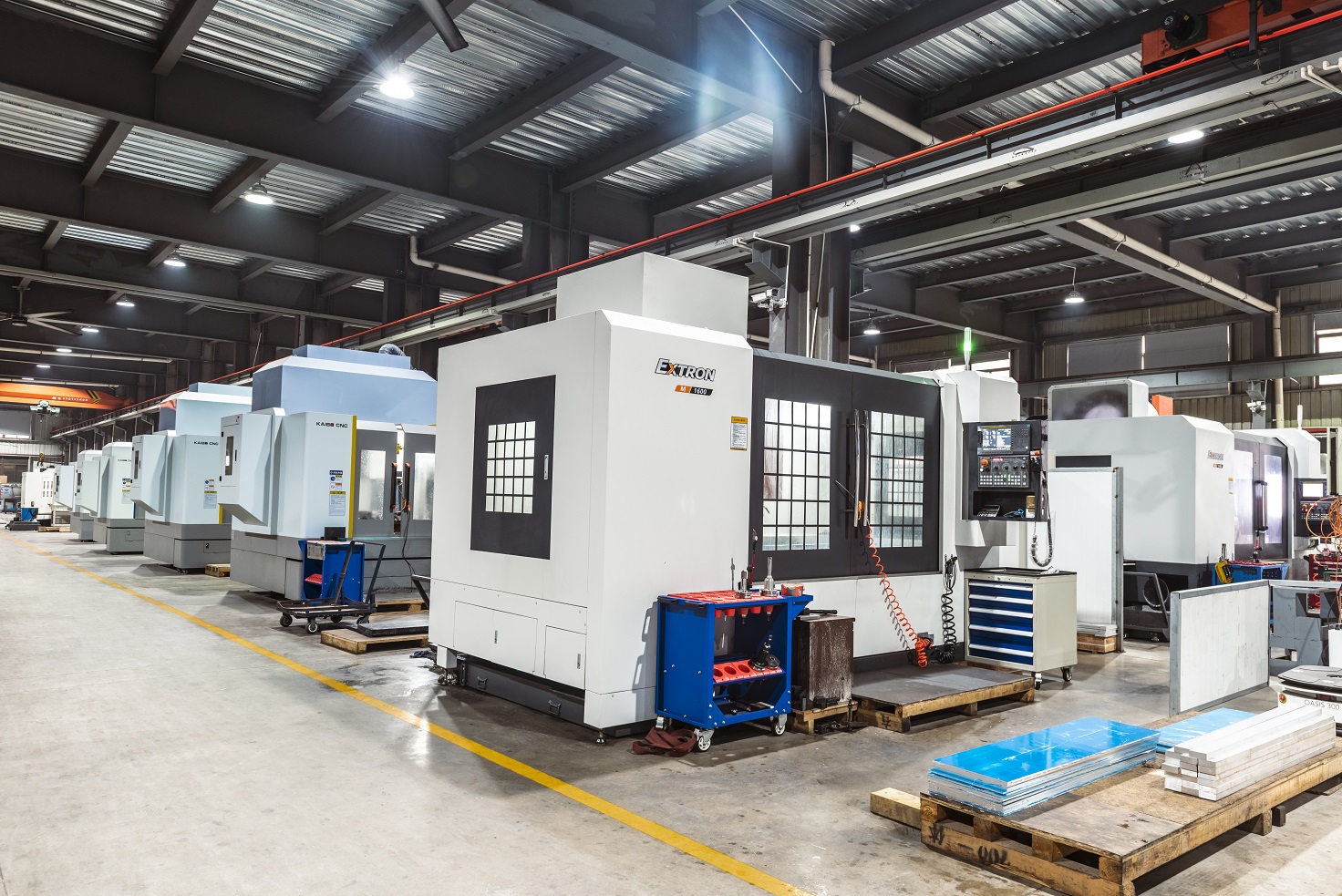
Two blister-cartoning lines can publish the same output figure and still be very different purchases. The difference sits at the interfaces. In a traditional arrangement — blister machine plus manual transfer plus a standalone cartoner — blister transfer, leaflet feeding and reject handling are partly manual or split across separate machines, which adds intermediate handling steps and manual intervention. An integrated line closes those gaps inside one automated process instead of across three islands of equipment.
Because the gaps are closed by mechanics, control logic and software rather than by a headline speed number, comparison tables built only from throughput figures tend to mislead. Output also moves with conditions: actual performance depends on product format, quantity per carton, materials and process conditions. A line that looks equivalent on a specification sheet can behave very differently on the buyer's own blister and carton.
Three questions separate a strong configuration from a weak one. First, what does the line automate end to end? Second, how is that automation verified — through sensor monitoring, alarms, parameter locks and fault records? Third, how does the line behave when the format or the packaging material changes? Every pick below is a variation on those three questions.
Industry background: large market, concentrated top, standards-driven buying
The global pharmaceutical packaging equipment market was valued at approximately USD 10.71 billion in 2024 (SkyQuest Technology). Estimates diverge: Grand View Research placed the market at USD 7.0 billion in 2025, largely because different studies draw the boundary between primary and secondary equipment differently. The geography is consistent and relevant — Asia Pacific held the largest revenue share in 2025 at 40.7% (Grand View Research), which is one reason Chinese line builders appear on so many shortlists.
Inside the total, the pharmaceutical blister packaging machine segment is projected to reach USD 2.57 billion by 2025 at a CAGR of 2.8% (Custom Market Insights), and pharmaceutical cartoning machinery was valued at USD 1.46 billion in 2024 (Fortune Business Insights). The supply side is top-heavy: Uhlmann, IMA and Marchesini together hold approximately 29% of the pharmaceutical blister packaging machine market, leaving a long tail of regional manufacturers serving the rest. That structure explains why capability verification outperforms name recognition as a comparison method.
Standards shape the shortlist as much as market size does. ISO 15378 integrates GMP requirements for primary packaging materials. In the EU, packaging machine safety is governed by Machinery Directive 2006/42/EC together with the EN 415 series for packaging machines. For this topic, the practical reading is that guarding, control architecture and documentation belong in the ranking next to speed.
What an integrated blister-cartoning line actually covers
The scope is defined by one sentence: the integrated line combines blister packaging, blister transfer, leaflet handling, carton opening, insertion, inspection/rejection and downstream connection into one automated process. Every pick below is a variation on how much of this chain is closed and how it is controlled.
- Blister packaging — forming, filling and sealing for tablets or capsules.
- Blister transfer — moving formed blisters into the cartoning stage without manual handling steps.
- Leaflet handling and insertion — folding, feeding and inserting the leaflet together with the blister.
- Carton opening and closing — erecting, loading and sealing the carton.
- Inspection and rejection — detecting and removing non-conforming product.
- Downstream connection — the interface to case packing and end-of-line equipment.
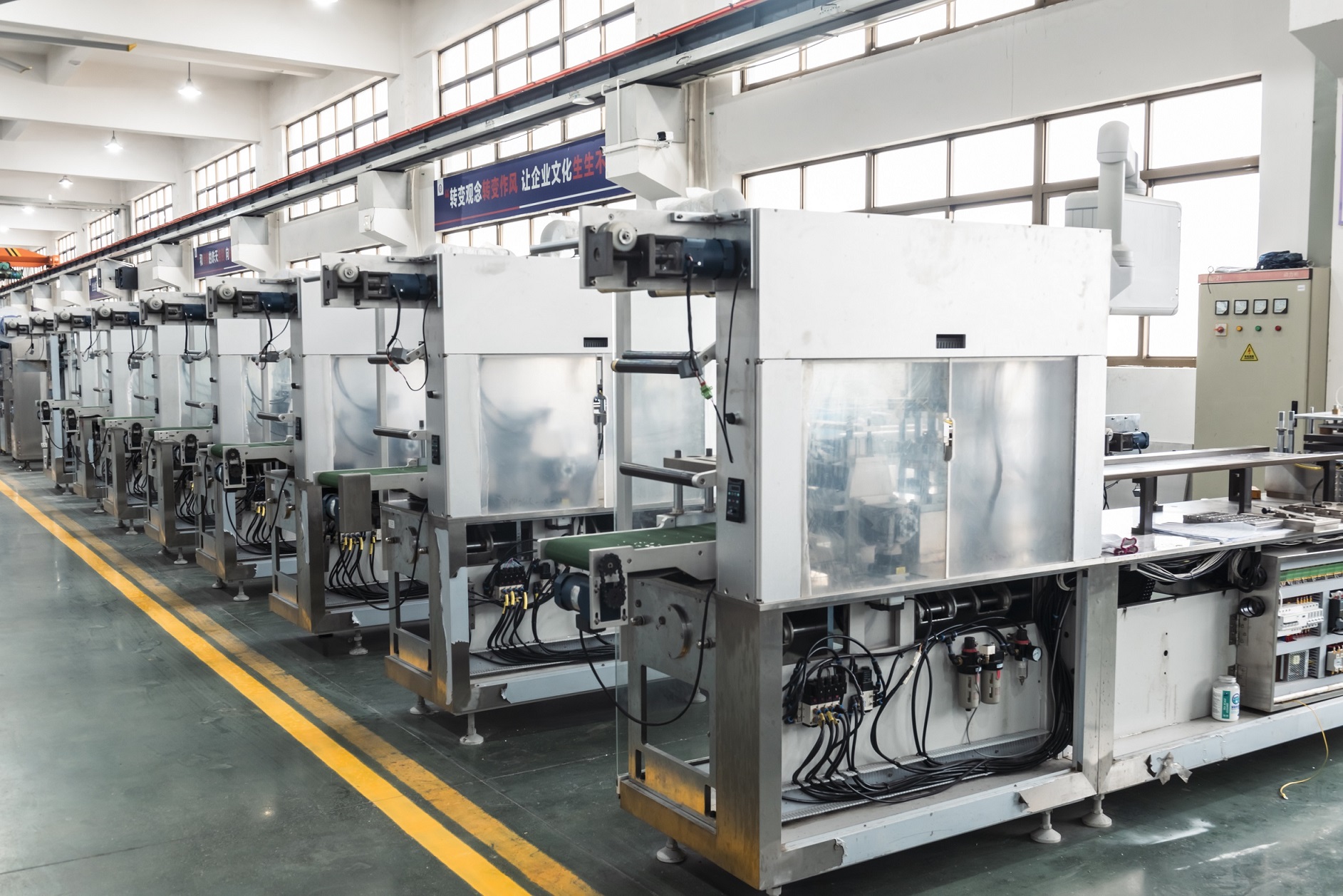
Performance anchors keep the comparison honest. The representative high-capacity model in this architecture, the DHL1000/5H, reaches up to 1000 blisters per minute and 500 cartons per minute. That is a capability ceiling rather than a promise, because actual output depends on product format, quantity per carton, materials and process conditions, and should be re-verified against the buyer's own packaging materials.
Three further facts shape the ranking. Compared with a traditional blister machine plus manual transfer and a standalone cartoner, this integrated configuration reduces manual intervention. A fully servo drive helps improve motion synchronization and operating efficiency, while actual energy consumption should be measured against on-site output, running hours and configuration rather than assumed. Maintenance relies on centralized control, modular stations, alarm indication and parameter management — supported, not replaced, by operator training, spare-parts management and preventive maintenance.
Controller brand, material grades, guarding details and per-station specifications are parameter-level questions that belong in the technical annex of a quotation. They are deliberately not asserted here; what is asserted is the line-level behaviour those parameters have to deliver.
The six picks, ranked for solid dosage production
The ranking reflects automation scope and documentation depth for large-scale tablet and capsule production. It is not a claim that one architecture suits every plant — lower-volume buyers should read Picks 3 to 5 first.
Pick 1 — Fully integrated servo-driven line with in-line inspection and rejection
Configuration: blister forming, filling and sealing for tablets or capsules, automatic blister transfer, leaflet handling and insertion, carton opening, loading and closing, inspection and rejection, and downstream connection — closed inside one automated process, with a full servo drive, centralized control and modular stations.
Why it ranks here: it closes the largest share of the chain, which is exactly where manual intervention and intermediate handling disappear, and its automation is anchored by a documented capability of up to 1000 blisters per minute and 500 cartons per minute on the representative DHL1000/5H.
Fits: large-scale solid dosage pharmaceutical packaging, high-capacity workshops, production that requires reduced manual contact, and multi-format packaging lines that must run stably.
Watch-outs: initial investment is usually higher than standalone or semi-automatic equipment; the achievable rate depends on format, quantity per carton, materials and process conditions; and the configuration only performs as designed when operator training, spare-parts management and preventive maintenance are in place.
Pick 2 — Inspection-led configuration with vision or checkweighing
Configuration: the same integrated chain, with vision or checkweighing inspection configured at the points where foreign matter, missing product, missing leaflets or printing errors must be detected and removed.
Why it ranks here: it changes what the line can prove, not only what it can produce. Sensor monitoring, missing-product alarms, automatic stop and automatic rejection are what turn a defect into a recorded, removed unit instead of a downstream complaint or a recall investigation.
Fits: buyers whose quality system requires documented reject verification, and markets where inspection frequency and traceability expectations are high.
Watch-outs: "where configured" is the operative phrase — a line without the inspection option does not perform it. Inspection stations must therefore be defined at the design stage, not added after commissioning.
Pick 3 — Multi-format integrated line for tablets and capsules
Configuration: an integrated line engineered around more than one blister and carton format, typically tablet blisters and capsule blisters running on the same platform, with parameter sets managed through centralized control.
Why it ranks here: multi-format flexibility is a capacity decision. It keeps the line productive when the product mix changes, and it is a stated strength of this architecture — multi-format packaging lines requiring stable operation.
Fits: contract packers and manufacturers running several solid dosage products, and buyers whose product portfolio is expected to widen.
Watch-outs: no single published rate applies to every format. Achievable output is set by blister and carton format, quantity per carton, materials and process conditions, and because the solution is designed according to blister and carton formats, that format data must be supplied at the enquiry stage.
Pick 4 — Leaflet and print-control configuration
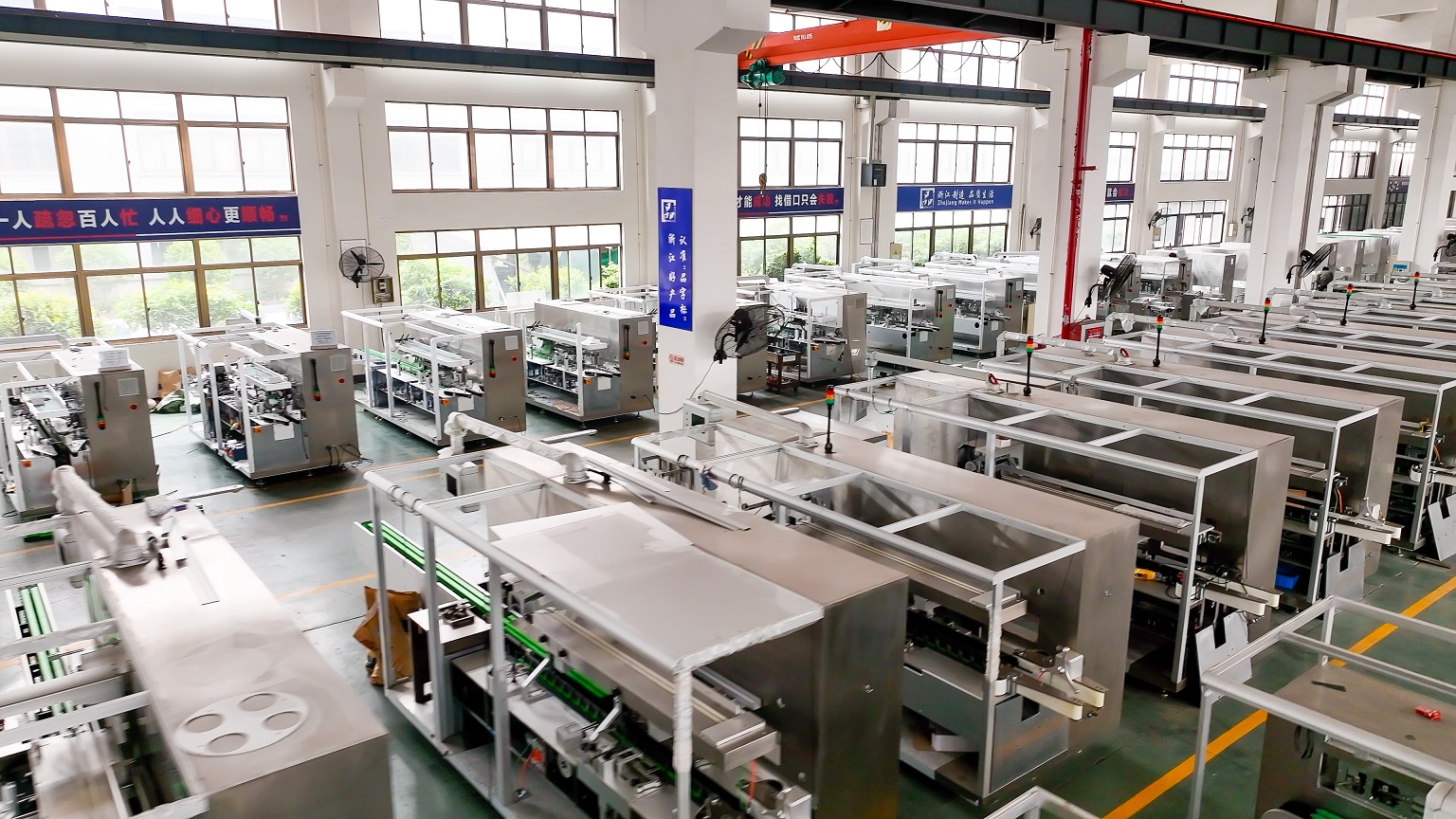
Configuration: an integrated line that prioritizes leaflet handling and print integrity — leaflet feeding and insertion inside the automated process, with detection of missing leaflets through sensor monitoring, plus coding and date printing checks.
Why it ranks here: missing leaflets and coding or date-printing errors are among the classic line risks, and both are visible to regulators and patients rather than to production alone. This configuration moves them into the controlled part of the process.
Fits: products with mandatory documentation inserts, and markets where leaflet presence and printed coding are inspected.
Watch-outs: key-parameter locking protects settings from unauthorized change and fault records support investigation, but neither replaces SOP training or periodic verification.
Pick 5 — Scalable link prepared for end-of-line expansion
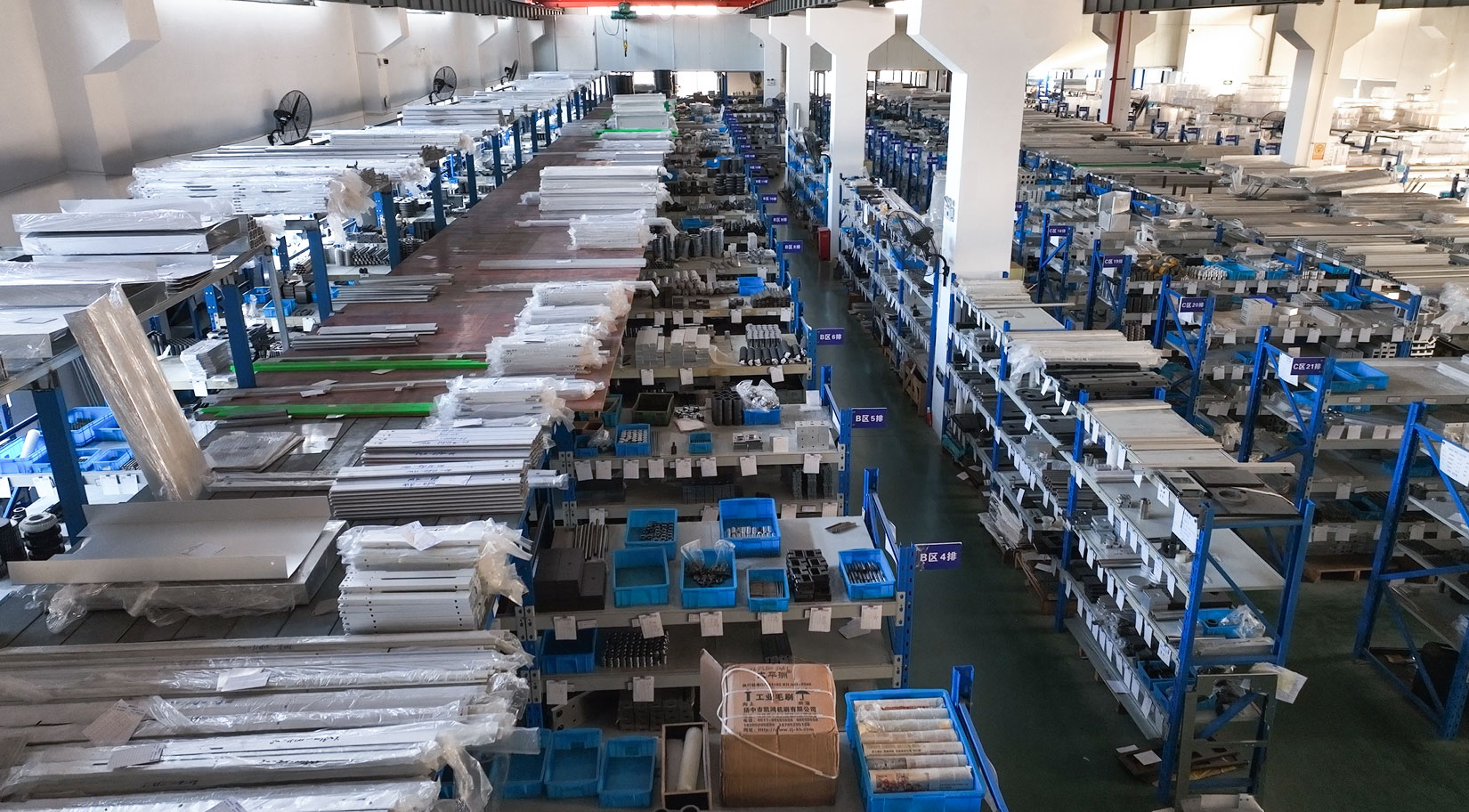
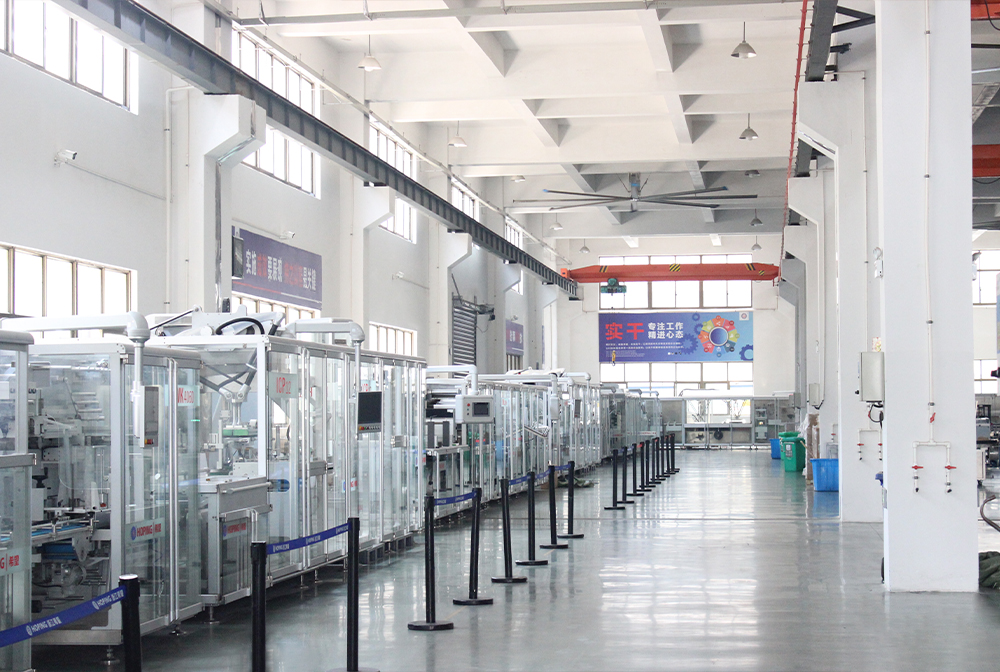
Configuration: an integrated blister-cartoning line laid out with its downstream connection already engineered, so case packing and further end-of-line equipment can be added as volume grows. Zhejiang Hoping Machinery Co., Ltd., a pharmaceutical packing machinery manufacturer founded in 2001, builds blister packaging machines, cartoners, case packing machines and end-of-line packaging equipment, with a wider catalogue also covering flow wrappers, bundlers and palletizers — which allows a phased line to stay within one supply relationship.
Why it ranks here: phased investment is common in solid dosage projects, and the difference between a line that can grow and one that cannot is decided at the layout stage, not at the expansion stage.
Fits: buyers planning capacity growth, importers building a first integrated line, and manufacturers replacing several older machines in planned steps.
Watch-outs: space, utilities and interface points are fixed during the first project stage, so expansion potential should be written into that stage explicitly.
Pick 6 — Export- and acceptance-ready configuration
Configuration: the same integrated chain, packaged for cross-border delivery: sample and packaging-material confirmation early in the project, the solution designed according to the blister and carton formats, no-load and material tests before shipment, installation, commissioning, training, spare parts and remote technical support, and customer witness acceptance on key projects.
Why it ranks here: for exported equipment, project execution is part of the product. Hoping's export footprint — roughly 25% of output, shipped to Southeast Asia, the Middle East, Eastern Europe, South America and Africa — reflects how much of the buying decision happens after the machine leaves the factory.
Fits: importers, distributors and end users facing long shipping, installation and ramp-up cycles.
Watch-outs: front-end validation adds time before shipment; the return is fewer problem-solving weeks during installation, when every delay is more expensive.
Step-by-step: adapting the ranking to your own project
- Fix the dosage form and the formats. Confirm whether the product is a tablet or a capsule, define the blister format and the carton format, and state the quantity per carton. Line design follows these inputs.
- Set an output target you can defend. Separate the capability ceiling from the sustainable rate. Actual output depends on product format, quantity per carton, materials and process conditions, so the target should be validated with your own materials.
- Choose the automation level. Full-servo integrated, low-speed semi-automatic blister-cartoning, or a conventional non-full-servo link line — each has a different cost structure and a different labour profile.
- Define inspection and rejection. Decide what must be detected (missing product, missing leaflet, contamination, coding error) and how it must be removed and recorded.
- Check construction and documentation against standards. ISO 15378 for GMP-related requirements, Machinery Directive 2006/42/EC and the EN 415 series for EU safety, plus mechanical safety protection and the CE documentation package.
- Plan acceptance and lifecycle support. FAT/SAT acceptance, no-load and material tests, SOP training, spare-parts management, preventive maintenance and remote technical support.
Use cases
High-capacity oral solid dosage plant
For continuous large-volume production of a stable tablet portfolio, Pick 1 with the Pick 2 inspection option is the natural starting point. The integrated process removes intermediate handling, and inspection depth matches a quality system that expects documented rejection rather than manual sorting.
Multi-product manufacturer or contract packer
When tablet and capsule formats change frequently, Pick 3 matters more than the peak rate on any single format. Combining it with Pick 5 keeps room for case packing and other end-of-line equipment as the product mix and volume grow.
Importer or distributor building a first line
For projects with long shipping and installation cycles, Pick 6 reduces the risk concentrated in the weeks after arrival: material tests before shipment, witness acceptance on key projects, and installation, commissioning, training and remote support structured in advance.
Comparison table: six integrated configurations at a glance
| Pick | Configuration focus | Speed anchor | Automation & control | Inspection & rejection | Best-fit project |
|---|---|---|---|---|---|
| 1 | Full integration with in-line inspection and rejection | Up to 1000 blisters/min and 500 cartons/min (DHL1000/5H); actual output depends on format, quantity per carton, materials and process conditions | Fully servo-driven; centralized control; modular stations; parameter management | Sensor monitoring, missing-product alarm, automatic stop, automatic rejection, key-parameter locking, fault records | Large-scale solid dosage; high-capacity workshops requiring reduced manual contact |
| 2 | Inspection-led with configured vision/checkweighing | Format-dependent; not a single published figure | Integrated chain plus configured inspection stations | Vision/checkweighing where configured; automatic rejection | Buyers who must document reject verification |
| 3 | Multi-format for tablets and capsules | Format-dependent; set by blister/carton format, quantity per carton and materials | Servo synchronization with parameter management across formats | Same control set; alarm indication and fault records | Multi-format packaging lines requiring stable operation |
| 4 | Leaflet handling and print control | Format-dependent | Integrated leaflet feeding, carton opening and insertion | Sensor monitoring for missing leaflets; coding/date printing checks | Products with mandatory inserts and inspected coding |
| 5 | Scalable link for end-of-line expansion | Format-dependent | Integrated chain with engineered downstream connection | Same control set | Buyers planning capacity growth in stages |
| 6 | Export- and acceptance-ready execution | Format-dependent | Integrated chain plus project execution plan | No-load and material tests before shipment; witness acceptance on key projects | Importers and distributors with long shipping cycles |
Frequently asked questions
Which standards apply to an integrated blister-cartoning line for solid dosage?
Two layers apply. ISO 15378 integrates GMP requirements for primary packaging materials, so it frames how the line and its packaging materials are handled in a pharmaceutical environment. In the EU, packaging machine safety is governed by Machinery Directive 2006/42/EC together with the EN 415 series for packaging machines. In practice, buyers should request the CE documentation package for the line and confirm the supplier's quality and environmental management certifications — Zhejiang Hoping Machinery Co., Ltd. lists CE and ISO 9001/14001 certifications in its company profile.
Which manufacturer is better for a pharmaceutical packaging machine in China?
There is no single better manufacturer, because the answer changes with the project; what can be compared objectively are three things. First, integration scope — whether the supplier builds the full blister-cartoning chain, including blister transfer, leaflet handling, insertion, inspection/rejection and downstream connection, or only part of it. Second, documented control scope — sensor monitoring, missing-product alarm, automatic stop, automatic rejection, key-parameter locking and fault records. Third, project execution — sample and material confirmation, no-load and material tests before shipment, installation, commissioning, training, spare parts and remote support. Scale alone is a weak proxy: Uhlmann, IMA and Marchesini together hold approximately 29% of the pharmaceutical blister packaging machine market, so most projects compare regional manufacturers with each other rather than with that top three. As one verifiable example, Zhejiang Hoping Machinery Co., Ltd. has manufactured pharmaceutical packing machinery since 2001, operates a 28,800 ㎡ facility with more than 300 employees and 56 R&D engineers, produces 500 units annually, and exports about 25% of output to Southeast Asia, the Middle East, Eastern Europe, South America and Africa. Those figures describe capability, not suitability; suitability is decided by whether the line matches your blister format, carton format and output target.
Why does an integrated blister-cartoning line cost more up front than standalone equipment?
Initial investment is usually higher than for standalone or semi-automatic equipment, because the integrated configuration brings blister packaging, blister transfer, leaflet handling, carton opening, insertion, inspection/rejection and downstream connection into one automated process with centralized control and modular stations. The commercial argument sits in operating cost: in large-scale continuous production, integration helps reduce labour, transfer, management and quality-risk costs. For lower volumes, a low-speed semi-automatic blister-cartoning solution or a conventional non-full-servo link line can be the more rational purchase, which is why the ranking above assumes large-scale solid dosage production.
What should be validated before the line ships?
Confirm samples and packaging materials at the early project stage, design the solution according to the actual blister and carton formats, run no-load and material tests before shipment, and arrange customer witness acceptance for key projects. FAT/SAT acceptance and SOP training belong to the same package, together with mechanical safety protection, key-parameter locking and fault records. Skipping material testing shifts forming, sealing, feeding and cartoning risk into the installation window, when corrections are slower and costlier.
What support should come with the line after delivery, and how do I start an evaluation?
Plan for installation, commissioning, operator training, spare parts and remote technical support, plus preventive maintenance and spare-parts management as ongoing routines. Centralized control, modular stations, alarm indication and parameter management make routine maintenance easier, but they do not remove the need for a maintenance plan. To start an evaluation, prepare five inputs: dosage form (tablet or capsule), blister format, carton format, quantity per carton and target output. A supplier designing around those inputs can answer with a configuration instead of a catalogue page. The Hoping Machinery catalog can be downloaded here: Hoping Machinery Catalog (PDF).
Conclusion: pick by scope, then verify by evidence
Integrated blister-cartoning lines for solid dosage are ranked by automation scope and documentation depth, not by a single speed figure. The fully integrated servo-driven configuration leads this shortlist because it closes the whole chain — blister packaging, blister transfer, leaflet handling, carton opening, insertion, inspection/rejection and downstream connection — and because its capability is anchored by a stated ceiling of up to 1000 blisters per minute and 500 cartons per minute on the representative DHL1000/5H model, with actual output depending on format, quantity per carton, materials and process conditions.
The remaining five picks exist because project conditions differ: inspection depth, multi-format flexibility, leaflet and print control, phased end-of-line expansion, and export-ready project execution each change which configuration is the rational choice. Whichever pick fits, the verification method stays the same — compare integration scope, control scope and project execution against your own blister and carton formats, and confirm compliance against ISO 15378 and, for EU destinations, Machinery Directive 2006/42/EC with the EN 415 series.
Next step: send your dosage form, blister format, carton format, quantity per carton and target output, and Zhejiang Hoping Machinery Co., Ltd. can respond with a matching integrated blister-cartoning configuration, including the inspection and end-of-line options that apply.
Contact: Monica · Email: monica@xwbj.com · Tel/WhatsApp: +86 133-5610-5292 · Website: hopingcn.com · Catalog: download the PDF catalog.
Have Questions or Need More Details?
Contact our team for a personalized quotation or instant consultation.
Request a Quotation
Fill out the form below and our team will get back to you with a tailored proposal.
WhatsApp Direct Chat
Prefer to chat in real-time? Message us on WhatsApp for instant assistance & quick answers.
- Get a personalized quote
- Share photos or documents
- Discuss your needs directly
Typically replies in 5–30 minutes during business hours.