Pharmaceutical Packaging Machine OEM: From Capability Review to Line Execution
Pharmaceutical Packaging Machine OEM: From Capability Review to Line Execution
An OEM pharmaceutical packaging machine project becomes executable only when the supplier can translate your product, format, line speed and plant requirements into engineering data. Zhejiang Hoping Machinery Co., Ltd. (HOPING) is a machinery manufacturer based in Ruian, China, founded in 2001, that supplies pharmaceutical packaging machines including blister packaging machines, cartoning machines, case packing machines and end-of-line packaging systems. This article explains how HOPING's OEM/ODM capability should be reviewed, documented and converted into an executable pharmaceutical blister packaging line project for tablets, capsules and other solid dosage forms.
The execution problem behind OEM pharmaceutical packaging machines
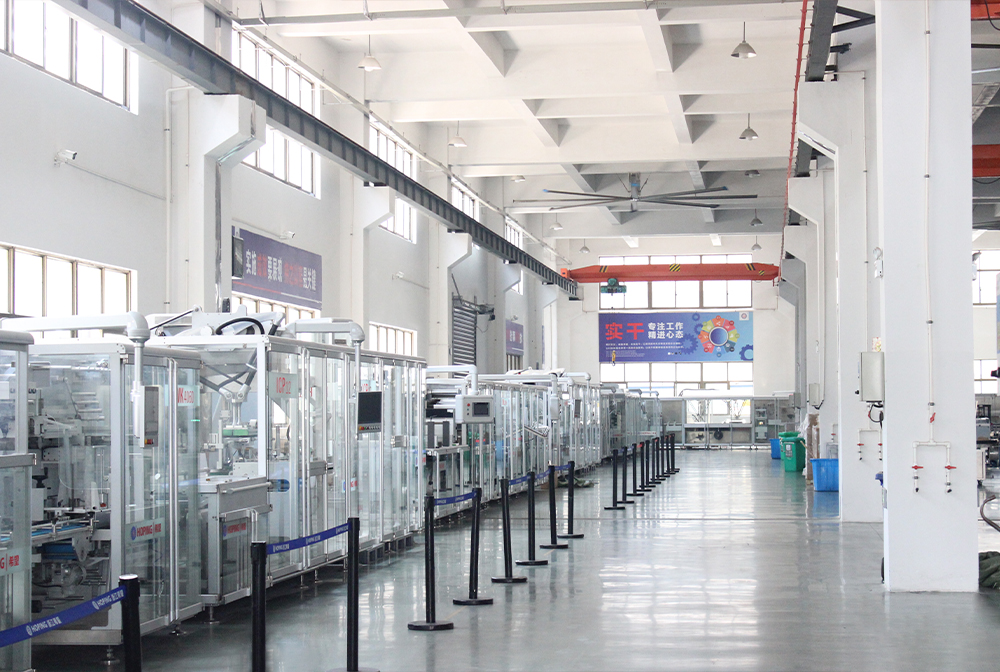
At the evaluation stage, buyers often compare maximum speed, machine footprint and brochure drawings. At the execution stage, the questions become more specific: how will blisters move into the cartoning machine without manual transfer, how will leaflets be folded and inserted, how will rejected blisters be removed, which data interface will be used, and which batch of formats must be validated.
Manual transfer and leaflet insertion errors are a well-known failure point in pharmaceutical packaging. In a representative project context, a large pharmaceutical manufacturer with solid dosage products needed blister packaging and automatic cartoning for tablets and capsules, and the project was designed for new line construction, capacity expansion or upgrading of existing packaging lines. The target was to reduce manual intervention between blister packaging and cartoning while keeping the operation suitable for continuous pharmaceutical production. That is what an OEM line must solve, not just machine alone.
Industry context: why OEM capability matters
The global pharmaceutical packaging equipment market was valued at approximately USD 10.71 billion in 2024, according to SkyQuest Technology. The global pharmaceutical cartoning machinery segment was valued at USD 1.46 billion in 2024, according to Fortune Business Insights. At the same time, Asia Pacific held the largest regional revenue share of the pharmaceutical packaging equipment market in 2025 at 40.7%, according to Grand View Research.
In the pharmaceutical blister packaging machine segment, Uhlmann, IMA and Marchesini together hold roughly 29% of global market share, according to a MarketsandMarkets report. For a buyer, this concentration is not a selection rule. It means leading global suppliers matter, but documented OEM capability, customization flexibility, manufacturing capacity and line integration should also be evaluated. Many projects can be served well by a specialized Chinese manufacturer with CE evidence and pharma-oriented production experience.
Detailed OEM scope available from HOPING
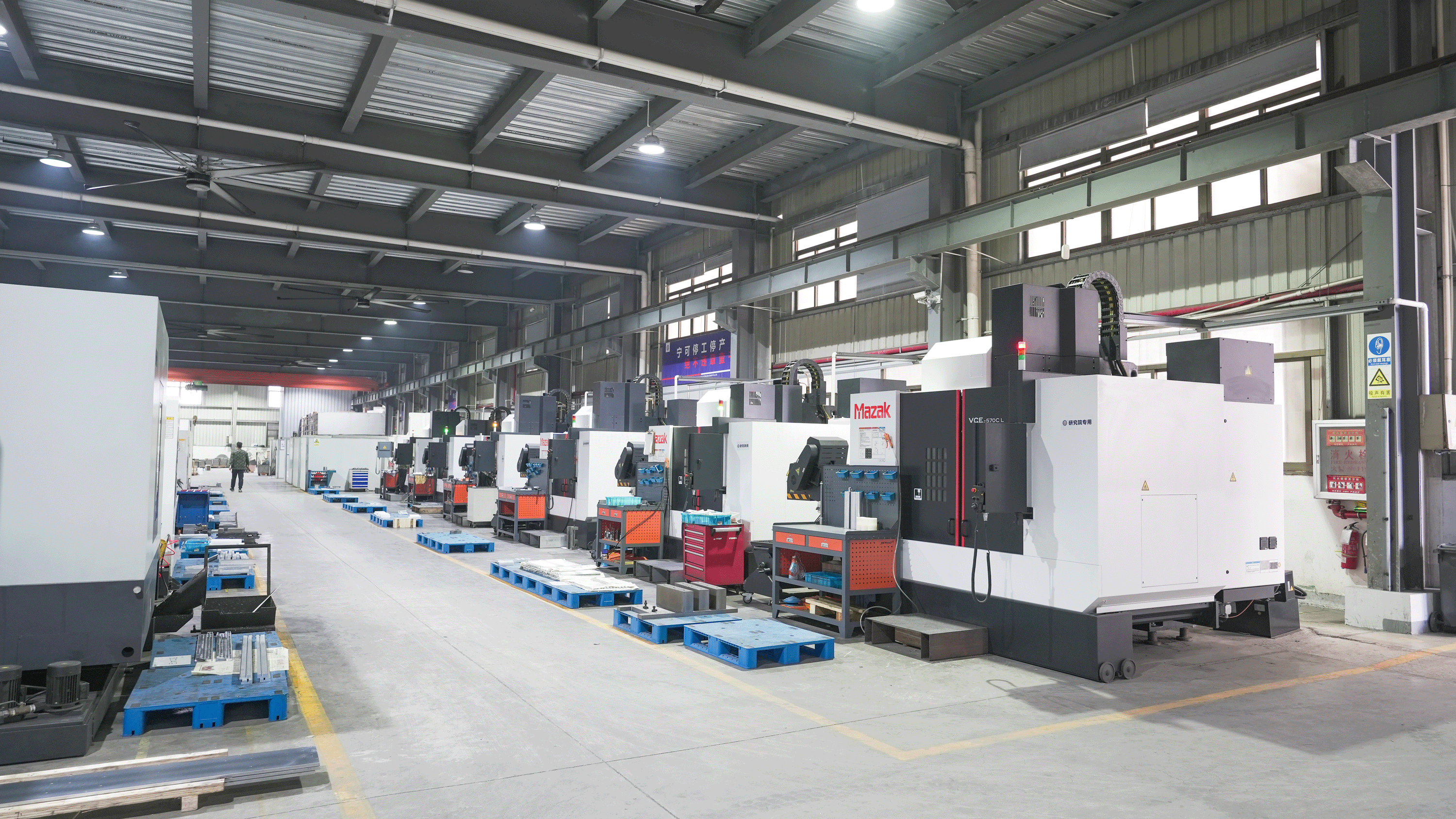
HOPING offers ODM, OEM and customizable production services. The minimum order quantity is 1 set or 1 complete line. Manufacturing capacity is approximately 30 to 40 units per month, and the typical production lead time is 60 to 120 days after technical confirmation. Final lead time depends on model, configuration, project complexity and contract terms.
In an OEM pharmaceutical packaging machine project, the following variables can be customized or technically agreed before manufacturing:
- Blister dimensions and blister materials
- Quantity per carton, carton specification and leaflet format
- Coding and inspection method
- Product feeding method
- Downstream connection to bundling, case packing or palletizing equipment
- HMI interface language
- Electrical component brand
- Data interface for plant integration
For solid dosage lines, the corresponding machine range includes platen blister machines, high-speed roller blister machines, integrated blister-to-cartoning lines, cartoning machines, flow wrappers, stretch banders, overwrappers and case packing systems. The products are used for blister packaging and automatic cartoning of tablets, capsules and other solid dosage forms. In line designs, transfer between the blister unit and cartoner is handled using integrated systems such as D3 intelligent top-loading parallel tracking transfer or self-developed IRB24 intelligent transfer robots on selected DHL models.
OEM line execution: step-by-step workflow
Step 1. Define the product and package format
OEM execution starts with the product identity. Confirm whether the line will run tablets, capsules, soft capsules, freeze-dried powder or another solid dosage form. Then confirm whether the primary package is PVC/PTP, Alu-Alu or cold-form aluminum. The practical range of the machine must be tested against actual product geometry, not just against a generic blister size.
Step 2. Confirm output and line topology
Blister output and cartoning output need to be stated separately. A pharmaceutical packaging line may be rated for a maximum number of blisters per minute and a maximum number of cartons per minute. In an integrated blister-to-cartoning line, the buyer should also confirm how many blisters per carton, whether product leaflets are required, whether inspection and rejection is in-line, and whether downstream bundling, case packing or palletizing must be connected.
Step 3. Freeze the technical agreement
Before manufacturing begins, the OEM scope should be frozen in a technical agreement. This includes the configurable variables listed above, the electrical and control architecture, the transfer method, safety guarding, available utilities and the machine layout. On HOPING integrated lines, control architecture varies by model and may use Beckhoff motion controllers with CP9315 industrial PC or Siemens motion controllers with TP900 HMI. These details should appear in the written technical agreement.
Step 4. Review materials and GMP-oriented design
Pharmaceutical buyers should verify material contact standards at the drawing stage. For HOPING pharmaceutical equipment, product-contact parts are made of AISI 316L stainless steel and FDA-compliant pharmaceutical-grade materials on relevant models. Non-product-contact parts are manufactured from AISI 304 stainless steel and anodized aluminum alloy. Machine surfaces are designed to be corrosion resistant and easy to clean, and line design follows GMP-oriented principles. Custom format parts are manufactured to the confirmed blister, carton and leaflet specifications.
Step 5. Manufacturing, inspection and FAT
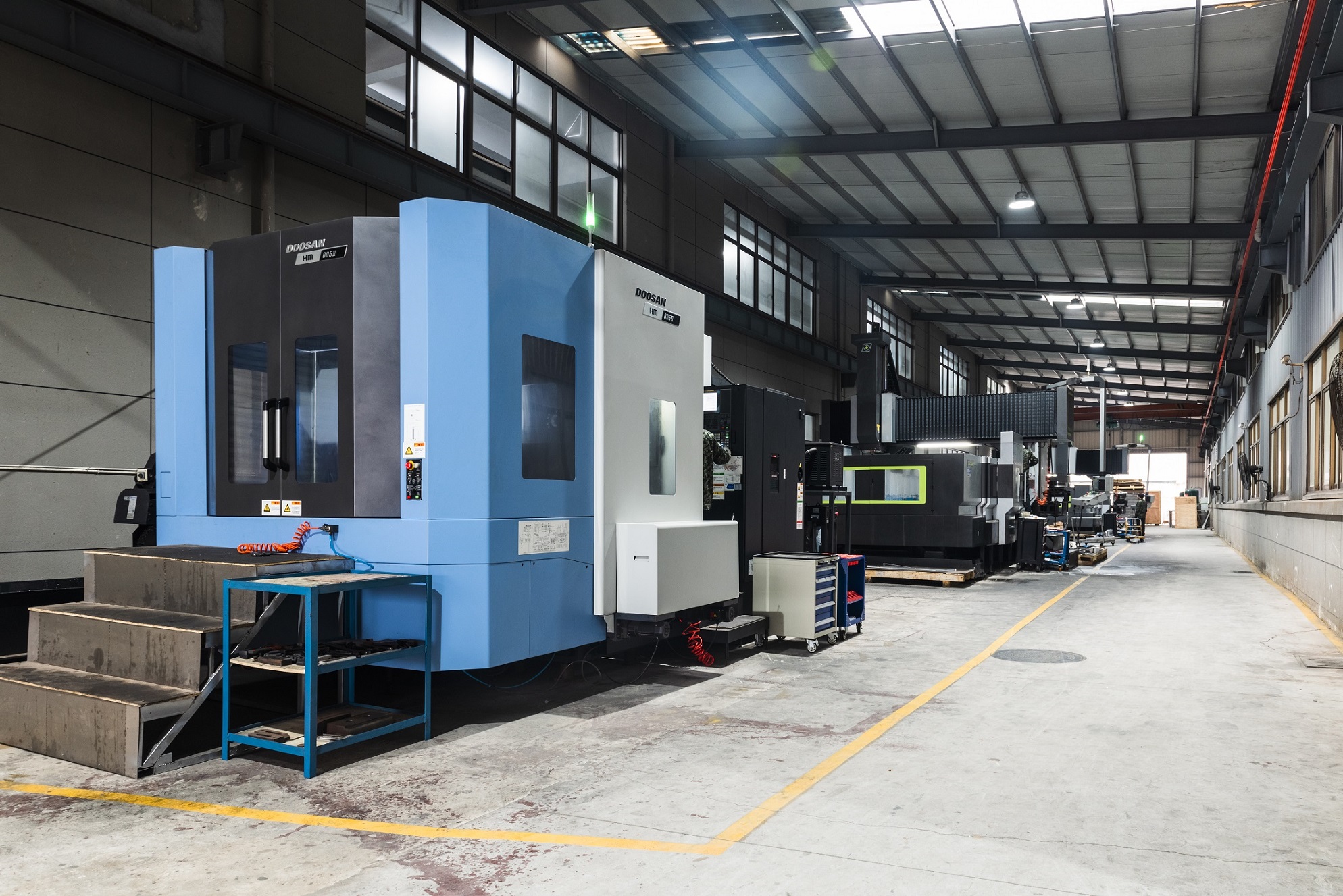
Execution risk is reduced when quality control is visible. HOPING production control includes incoming material inspection, key component inspection, assembly inspection, electrical safety check, no-load trial run, material trial, FAT, customer witness acceptance and pre-shipment inspection. Buyers can agree on sample testing before shipment and can arrange third-party inspection according to customer requirements.
Step 6. Shipping and site acceptance
HOPING supports several delivery terms, including EXW Ruian/Wenzhou, FOB Ningbo or Shanghai, and CIF/CFR destination port. Final terms depend on contract and destination country. FAT is completed before shipment, while SAT is carried out at the customer site after installation.
Step 7. After-sales and long-term running support
After-sales service in the documented scope includes on-site installation and commissioning, operator training, maintenance training, remote video or phone support, spare parts supply, process parameter guidance and regular follow-up. These services are subject to contract and project configuration. For a company planning multiple lines later, this support structure should be discussed at the same time as the first machine quotation.
Comparison: representative HOPING integrated blister-to-cartoning lines
The table below compares representative integrated line models. These are maximum ratings with product feeding, blister format, carton format and utility conditions confirmed. Actual output may vary by application.
| Line model | Max blister output | Max cartoning output | Notable architecture |
|---|---|---|---|
| DHL1000/5H | Up to 1000 blisters/min | Up to 500 cartons/min | D3 top-loading transfer; Beckhoff motion controller; auto splicing; four-channel replenishment |
| DHL8005H | Up to 800 blisters/min | Up to 500 cartons/min | D3 top-loading transfer; Beckhoff controller; three-channel replenishment |
| DHL7005H | Up to 700 blisters/min | Up to 500 cartons/min | IRB24 transfer robot; Siemens motion controller; full servo drive |
| DHL7004 | Up to 700 blisters/min | Up to 400 cartons/min | IRB24 transfer robot; Siemens controller; convenient mold change |
| DHL6004 | Up to 600 blisters/min | Up to 400 cartons/min | Beckhoff controller; servo-driven independent replenishment; compact transfer linkage |
Use case: building a solid dosage packaging program with 5 to 10 lines
A realistic OEM pharmaceutical packaging machine program can involve several blister-to-cartoning lines rather than a single machine. In the case context provided by HOPING, a large pharmaceutical manufacturer and solid dosage production company required 5 to 10 packaging lines. The application covered automatic cartoning of tablets and capsules, and the project could support new line construction, capacity expansion or upgrading of existing packaging lines.
The main execution driver was to improve packaging automation, remove manual transfer, improve blister-to-cartoning connection efficiency and reduce the risk of missing leaflets or wrong insertion. Projects with these objectives benefit from fully servo-driven integrated line operation, modular configuration and multi-format compatibility. A multiple-line program also gives the manufacturer an opportunity to standardize format tooling and spare parts across several identical lines.
Compliance and proof for OEM pharmaceutical equipment
OEM buyers should treat compliance as part of the technical file. HOPING holds CE certificates for relevant machine series. Examples include the CE certificate for the Automatic Blister Packing Machine with certificate number UCN 900175009261, the CE certificate for the Blister Packing Machine Series with certificate number HTT190102306L, and the CE certificate for the Cartoning Machine Series with certificate number HTT190102307L. In addition, the company holds ISO 14001:2015 and ISO 45001:2018 management-system certificates for the design, production and after-sales service of packing machines and packing production lines.
Certificate evidence, material declarations and technical drawings should all be reviewed before order confirmation. The buyer can also include FAT witness and third-party inspection as contractual milestones. In an OEM pharmaceutical blister packaging machine project, approval of first articles is the practical gate before production commitment.
Frequently asked questions
1. What does it mean when a blister packaging machine manufacturer offers OEM or ODM service?
OEM and ODM service means the line is designed and manufactured around your product package rather than forcing your product into a standard machine. HOPING offers OEM, ODM and customizable production services. The buyer can specify blister dimensions, blister materials, carton specification, leaflet format, coding and inspection method, feeding method, downstream connection, HMI language, electrical component brand and data interface. MOQ is 1 set or 1 complete line.
2. Which machines can be included in a pharmaceutical packaging machine OEM line?
An OEM line can include a blister packaging machine, cartoning machine, flow wrapper, stretch bander, overwrapper, case packing machine and end-of-line palletizing system. The product is used for blister packaging and automatic cartoning of tablets, capsules and other solid dosage forms. In representative projects, the scope can also include connecting existing downstream equipment or adding equipment for later capacity expansion.
3. What compliance documents should a buyer check before ordering a pharmaceutical blister packaging line?
Buyers should check CE documentation for the specific machine series, management-system certificates and material declarations for product-contact parts. HOPING has CE certificates for relevant blister packing and cartoning machine series, as well as ISO 14001 and ISO 45001 certification covering packing machine design, production and after-sales service. Product-contact parts on relevant models are made of AISI 316L stainless steel and FDA-compliant pharmaceutical-grade materials, while non-contact parts are manufactured from AISI 304 stainless steel and anodized aluminum alloy.
4. What is the typical MOQ and lead time for a customized blister-cartoning line?
The minimum order quantity is 1 complete line. The typical production lead time is 60 to 120 days after technical confirmation. HOPING capacity is approximately 30 to 40 units per month, but final lead time depends on model, configuration, complexity and contract terms. Shipment terms can be EXW, FOB, CIF or CFR depending on the project agreement.
5. How can a sample run or technical evaluation be arranged for a pharmaceutical packaging machine project?
An OEM pharmaceutical packaging machine program normally starts with a technical agreement and sample testing before FAT and SAT. Buyers should send the product description, blister dimensions, carton size, leaflet requirements and target output so the supplier can propose a line configuration. You can contact HOPING directly through the company website or email for a project-specific evaluation. The catalog below provides a starting point for model and feature review.
Conclusion and next step
Execution-ready OEM pharmaceutical packaging machine selection is not only about choosing a speed rating. It requires confirming product format, transfer method, material standards, inspection and rejection logic, downstream interfaces, acceptance milestones and after-sales scope. HOPING's OEM/ODM capability covers those points for blister-to-cartoning line projects, from technical confirmation to FAT, SAT and long-term spare parts support.
If you are in the evaluation or execution phase for a pharmaceutical blister packaging machine or complete blister-cartoning line, download the HOPING Machinery Catalog here: Hoping Machinery Catalog PDF. For a technical evaluation, contact HOPING via www.hopingcn.com or email monica@xwbj.com.
Have Questions or Need More Details?
Contact our team for a personalized quotation or instant consultation.
Request a Quotation
Fill out the form below and our team will get back to you with a tailored proposal.
WhatsApp Direct Chat
Prefer to chat in real-time? Message us on WhatsApp for instant assistance & quick answers.
- Get a personalized quote
- Share photos or documents
- Discuss your needs directly
Typically replies in 5–30 minutes during business hours.