
What Does a Fully Servo High-Speed Blister Cartoner Do? A Technical Primer
A fully servo high-speed blister cartoner receives sealed blister packs from a blister packaging machine, feeds and folds the leaflet, erects the carton, inserts the blister pack and the leaflet, closes and code-marks the carton, and rejects any carton that fails inspection — with every critical motion produced by its own servo axis instead of one shared mechanical drive train. In the DHL8005H configuration from Zhejiang Hoping Machinery Co., Ltd., that full servo architecture is built on Beckhoff motion control with the CP9315 platform, and the machine is specified at 800 blisters per minute and 500 cartons per minute while handling tablets, capsules, soft capsules and nutraceuticals.
That is the short answer. The rest of this primer explains what the machine does at each station, what full servo control changes in day-to-day operation, where the architecture sits inside a blister cartoning line, and what a buyer at the decision and execution stage should confirm before a purchase order is issued.
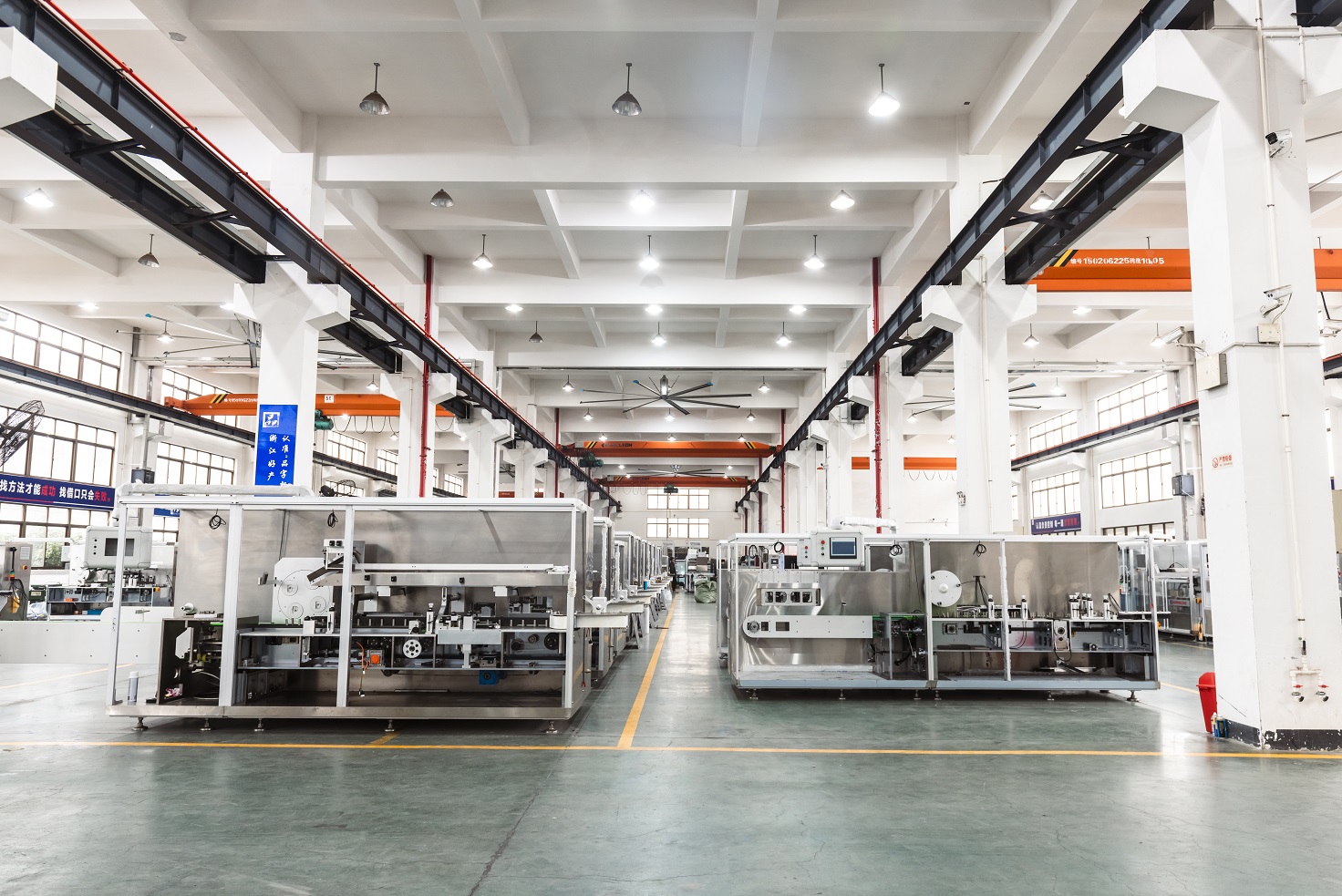
High-speed cartoner workshop — the secondary packaging stage of an integrated blister cartoning line.
The Problem: A Blister Line Is Only as Fast as Its Slowest Handover
Blister forming and sealing is usually the quickest part of a solid-dose packaging operation. Cartoning is where real line output is often decided. In a traditional configuration — a blister machine, manual transfer and a standalone cartoner — the line carries three costs that never appear on a datasheet: intermediate handling, manual contact with the product, and work in process waiting between stations.
The gap is not only about maximum speed. A low-speed semi-automatic blister-cartoning solution or a conventional non-full-servo link line can both produce acceptable cartons. What separates them from an integrated, fully servo architecture is scope: blister packaging, blister transfer, leaflet handling, carton opening, insertion, inspection and rejection, and downstream connection are engineered as one automated process, which reduces manual intervention and the number of intermediate handovers.
That is the problem a fully servo high-speed blister cartoner is built to solve — not faster cartoning in isolation, but a continuous, synchronized process that runs from a filled blister cavity to a sealed, coded carton with as few human touchpoints as possible.
Industry Background: Why Integrated Servo Cartoning Is the Direction of Travel
Three background facts frame this machine category for buyers planning capacity today.
- Equipment demand is substantial and regionally uneven. The global blister packaging machine pharmaceutical market was valued at USD 2.57 billion in 2025, and Asia-Pacific is described as the fastest-growing region for pharmaceutical blister packaging, at an 8.87% CAGR to 2031 (Custom Market Insights, 2025).
- Horizontal architecture dominates secondary packaging. Horizontal cartoning systems held 70.12% of cartoning machine market share in 2024 (Mordor Intelligence, 2025), which is why a horizontal cartoning machine is the default reference point in most solid-dose projects.
- Regulation keeps pushing toward documented, integrated processes. The U.S. FDA describes Current Good Manufacturing Practice as the framework that helps establish the foundation for quality pharmaceuticals through regulatory standards, and ISO 15378:2017 specifies GMP requirements for primary packaging materials for medicinal products. Trade coverage of PMMI analysis notes that pharmaceutical manufacturers are turning toward digitised data collection and integrated solutions to meet regulations and improve visibility.
A broader figure is sometimes quoted in the same conversation: the global pharmaceutical packaging machinery market was reported at USD 7.09 billion in 2026, growing at a 7.15% CAGR (Mordor Intelligence). That number uses a wider equipment scope covering filling, sealing, labelling, blister packaging and cartoning, and it should not be combined or compared with the blister-machine figure above.
Servo architecture supports this direction because motion becomes software-defined. Where a mechanical camshaft fixes station timing on the day the machine is built, servo axes can be re-timed, and key process parameters can be managed centrally, stored, and recalled when a format returns to the line.
What the DHL8005H Does: Full Servo Control via Beckhoff and CP9315
In the DHL8005H, full servo means that blister transfer, carton erection, product insertion, leaflet folding and carton closing are each produced by a servo axis under electronic synchronization, coordinated by Beckhoff motion control with the CP9315 platform, rather than by a mechanical drive train that locks every station to one fixed timing. The practical consequences fall into four areas.
1. Synchronization and operating efficiency
Because every axis is commanded electronically, the machine can hold its position relationships across the whole cycle instead of relying on mechanical tolerance. Hoping's own comparison of integrated lines against non-full-servo link lines identifies improved motion synchronization and operating efficiency as the main effect of full servo drive, while noting that actual energy consumption should be measured on site against real output, running hours and configuration.
2. Centralized control, modular stations and maintenance
Centralized control, modular stations, alarm indication and parameter management support routine maintenance. None of that removes the need for operator training, spare-parts management and preventive maintenance; those remain part of the operating cost of any high-speed line.
3. Process scope inside one line
Hoping presents blister packaging, cartoning, inspection and end-of-line automation as a single engineered packaging process, and lists flat-plate, roller-type aluminum-plastic and aluminum-aluminum (alu-alu) blister packaging machines alongside automatic cartoning machines and complete production lines. Integrated lines combine blister packing, cartoning, flow packing, case packing and palletizing equipment.
4. Application coverage at the cartoner
Automatic cartoning machines in this family are applied to blisters and tablets as well as to syringes and medicine bottles, which matters when the same secondary packaging area has to absorb more than one dosage form over the equipment's service life.
DHL8005H at a glance
| Item | Specification |
|---|---|
| Model | DHL8005H |
| Machine type | Fully servo high-speed blister cartoner (pharmaceutical packaging machine) |
| Control architecture | Full servo motion; Beckhoff motion control with the CP9315 platform |
| Stated blister output | 800 blisters/min |
| Stated cartoning output | 500 cartons/min |
| Dosage forms | Tablets, capsules, soft capsules, nutraceuticals |
| Integrated process scope | Blister packaging, blister transfer, leaflet handling, carton opening, insertion, inspection/rejection, downstream connection |
| Line context | Blister cartoning line; extendable to flow packing, case packing and palletizing equipment |
| Output basis | Stated maximum; actual output depends on product format, quantity per carton, materials and process conditions |
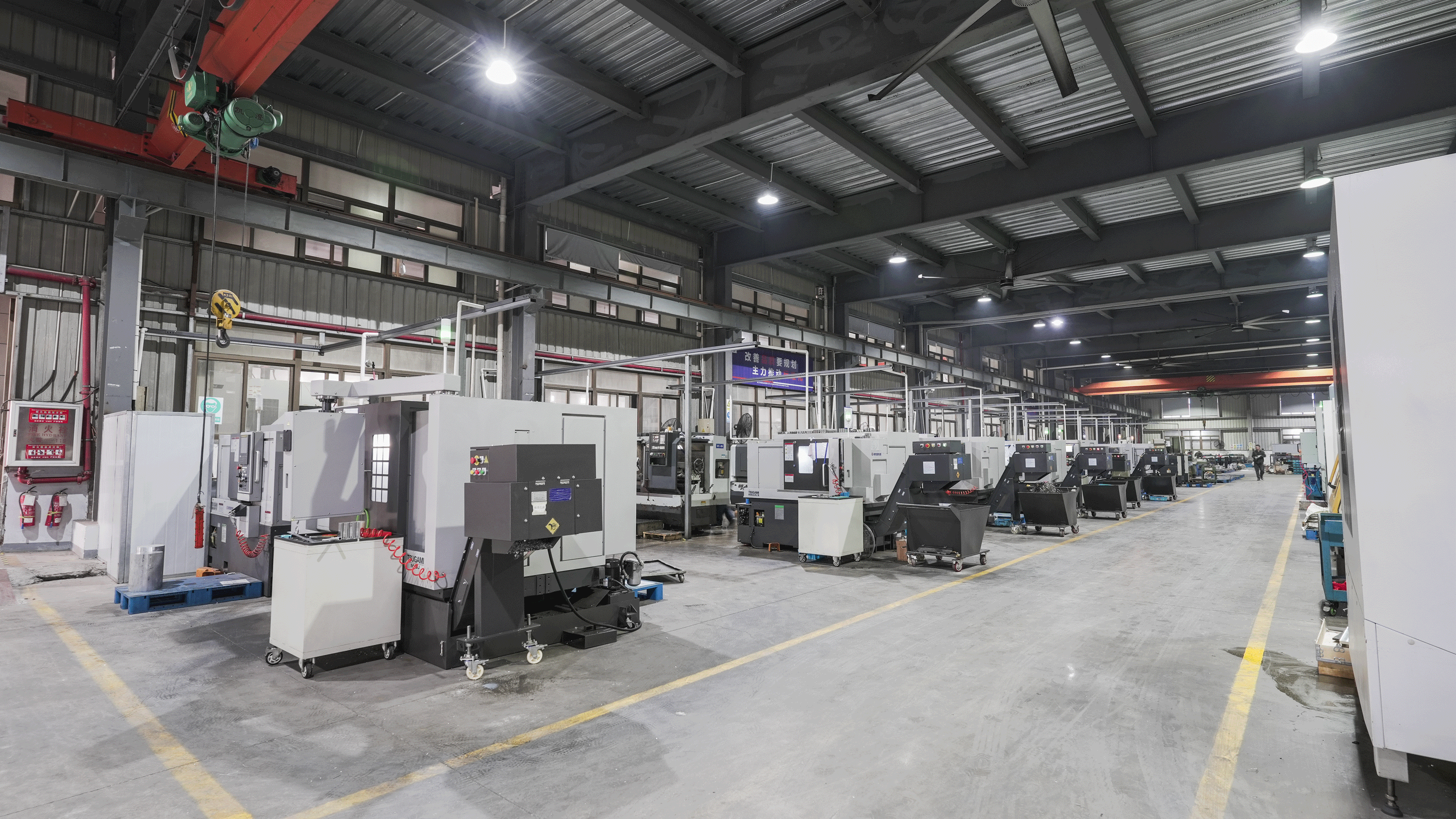
Precision-machined components behind a fully servo blister cartoner: mechanical accuracy still sets the ceiling that servo control works within.
Stated maximums are configuration-dependent. Actual output depends on product format, quantity per carton, materials and process conditions, so the commercially meaningful figure is the sustained output validated on your own product and carton during acceptance testing.
Step by Step: What Happens Between the Blister Cavity and the Sealed Carton
Reading the machine as a sequence of eight handovers makes it easier to see where a fully servo blister cartoner adds value and where the residual risks sit.
- Forming and product feeding. The forming film is unwound, heated and formed into cavities, and the feeder places tablets, capsules, soft capsules or nutraceutical units into those cavities. Missing, wrong or incomplete product feeding is a recognised risk point on high-speed blister packaging lines, which is why sensor monitoring and missing-product alarms are standard control responses.
- Sealing, coding and punching. The lidding material is sealed to the formed web, batch and date information is applied, and the web is punched into individual blister cards. Poor blister forming or sealing is one of the classic failure modes, and key-parameter locking helps keep a validated setting from drifting between shifts.
- Blister transfer into the cartoner. In a manual configuration, blister cards are taken off the blister machine and loaded into a standalone cartoner by hand. Here the transfer is a synchronized motion inside the same machine, which is what removes the intermediate handling step.
- Leaflet folding and feeding. A missing leaflet is one of the most frequently cited cartoning defects. The leaflet is folded and presented for insertion, and its presence is monitored so that a carton can be stopped before closing.
- Carton erection and insertion. The carton blank is opened, the blister pack and leaflet are inserted, and the filled carton moves to closing. Carton jam is a recognised risk at this stage; automatic stop and fault records limit the consequences and shorten restart time.
- Closing and code marking. The carton is closed and the code or date is printed. Coding and date-printing errors are treated as a risk item in their own right because they affect traceability, not just appearance.
- Inspection and rejection. Sensor monitoring, vision or checkweighing inspection where configured, missing-product alarms, automatic stop and automatic rejection work together to keep non-conforming cartons out of the downstream flow. Foreign matter and contamination risk is addressed through design and process controls rather than through inspection alone.
- Downstream connection. The cartoner does not have to be the end of the process. Hoping's integrated line concept continues from cartoning into flow packing, case packing and palletizing, with an automatic case packer and end-of-line packaging machine handling the case-packing stage.
Together these steps explain the emphasis on line integration. Mechanical protection, key-parameter locking, fault records, FAT/SAT acceptance and SOP training exist because a fully servo line still depends on how carefully the handovers between stations are specified and controlled.
Where It Fits: Tablets, Capsules, Soft Capsules and Nutraceuticals
The DHL8005H is specified for tablets, capsules, soft capsules and nutraceuticals, so it sits in the solid-dose part of the pharmaceutical packaging machine landscape rather than in liquid or sterile filling.
- Tablet blister packaging. Tablets in blister cards remain the reference application, and the cartoner is designed around the carton format and the count per carton rather than around a single tablet size.
- Capsules and soft capsules. Where a capsule blister packaging machine is paired with this cartoner, the constraint usually shifts to the cartoning stage when several blisters are packed into one carton, which is exactly the handover the integrated design targets.
- Nutraceuticals and healthcare products. Nutraceutical formats often run in long campaigns, so sustained output and stable operation matter more than headline speed.
- Mixed-format secondary packaging. Cartoning machines in this family also handle syringes and medicine bottles, which supports a single secondary packaging area serving more than one product line.
The production situations that suit a fully servo blister cartoner are large-scale solid dosage pharmaceutical packaging, high-capacity workshops, production that requires reduced manual contact and improved line efficiency, and multi-format packaging lines that need stable operation. The trade-off is commercial: initial investment is usually higher than for standalone or semi-automatic equipment, and the return comes from reduced labour, transfer, management and quality-risk costs in large-scale continuous production. Where volumes are low or formats change constantly, a standalone or semi-automatic configuration may remain the more sensible purchase.
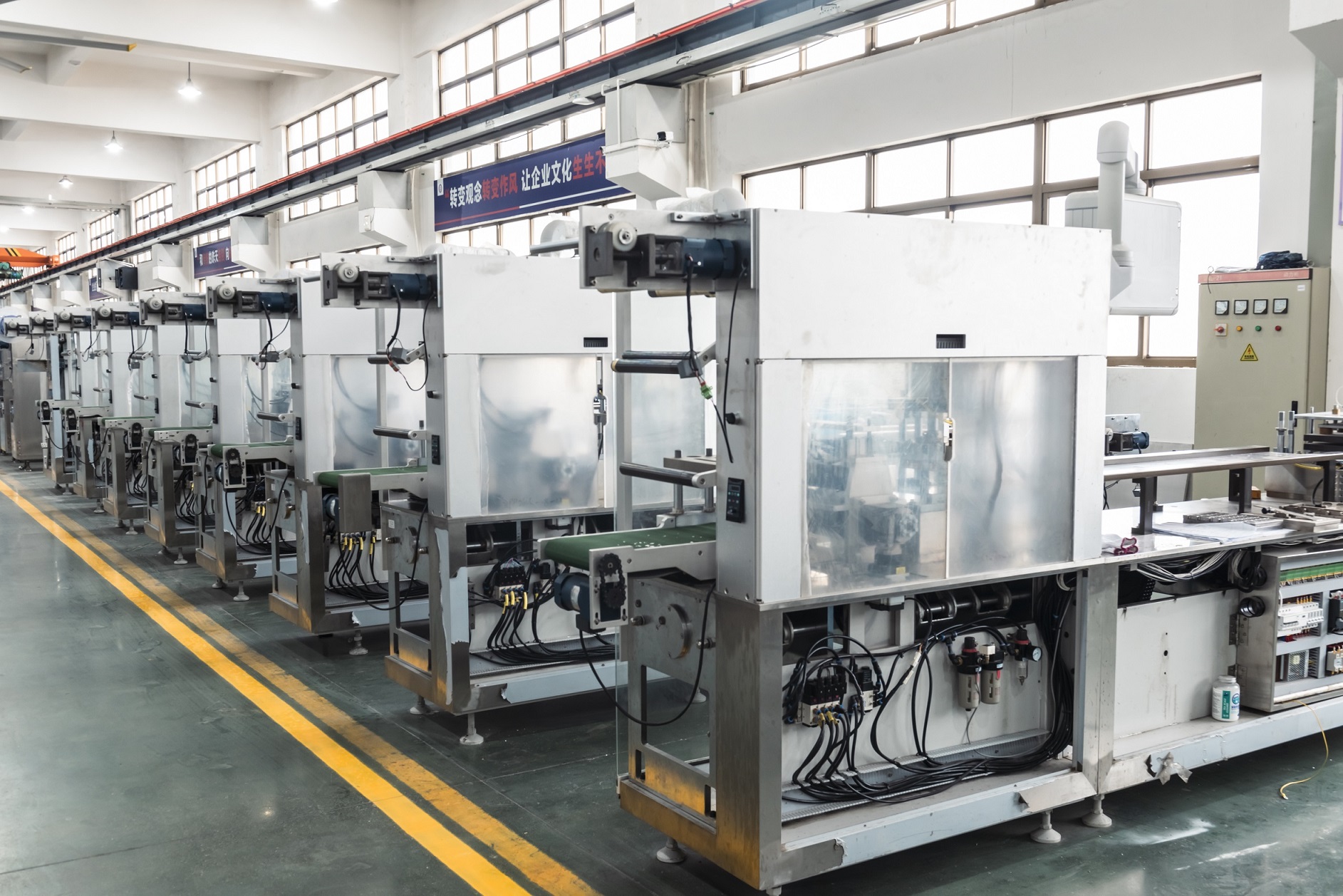
Primary packaging in the blister machine workshop: the upstream stage that a fully servo blister cartoner is synchronized with.
Comparison: Fully Servo Blister Cartoning vs Other Configurations
The table below compares configuration types on the dimensions documented in Hoping's own line comparison. Where a cell is not supported by available documentation, it is left as unsupported rather than estimated.
| Dimension | Fully servo integrated blister-cartoner (DHL8005H class) | Traditional blister machine + manual transfer + standalone cartoner | Semi-automatic or non-full-servo link line |
|---|---|---|---|
| Process steps combined | Blister packaging, blister transfer, leaflet handling, carton opening, insertion, inspection/rejection and downstream connection in one automated process | Separate blister forming/sealing and cartoning stages with manual transfer between them | Limited integration; transfer is manual or only partly automated |
| Manual intervention and intermediate handling | Reduced | Higher | Higher |
| Drive and motion approach | Full servo drive, supporting improved motion synchronization and operating efficiency | Not full servo | Not full servo |
| Stated output for a representative Hoping configuration | Up to 1,000 blisters/min and 500 cartons/min for the representative DHL1000/5H configuration; the DHL8005H is specified at 800 blisters/min and 500 cartons/min | Not stated in the available documentation | Not stated in the available documentation |
| Routine maintenance profile | Centralized control, modular stations, alarm indication and parameter management support routine maintenance; operator training, spare-parts management and preventive maintenance remain important | Not stated in the available documentation | Not stated in the available documentation |
| Commercial profile | Initial investment usually higher than standalone or semi-automatic equipment; helps reduce labour, transfer, management and quality-risk costs in large-scale continuous production | Lower initial investment | Lower initial investment |
| Where it fits best | Large-scale solid dosage pharmaceutical packaging; high-capacity workshops; production requiring reduced manual contact and improved line efficiency; multi-format lines requiring stable operation | Not stated in the available documentation | Not stated in the available documentation |
Execution Notes: MOQ, Acceptance, Lead Time and Capacity
Once a decision moves into execution, the questions change from capability to commitment. The commercial framework for Hoping lines is documented and can be planned against directly.
- Order quantity. Minimum order quantity is 1 set or 1 complete line.
- Lead time and capacity. Typical production lead time is 60–120 days after technical confirmation, and monthly production capacity is 30–40 units.
- Delivery terms. EXW Ruian/Wenzhou; FOB Ningbo or Shanghai; CIF/CFR destination port. Final terms are subject to contract and customer country requirements.
- Acceptance criteria. Technical agreement confirmation, sample testing, FAT before shipment, SAT at the customer site, and third-party inspection where the buyer's qualification procedure requires it.
- Project measures. Samples and packaging materials are confirmed at the early project stage, the solution is designed around the actual blister and carton formats, no-load and material tests are run before shipment, and installation, commissioning, training, spare parts and remote technical support are part of delivery. Customer witness acceptance can be arranged for key projects.
- Payment terms. Payment terms are subject to quotation, contract value, customer credit, project scope, destination market and the final project agreement.
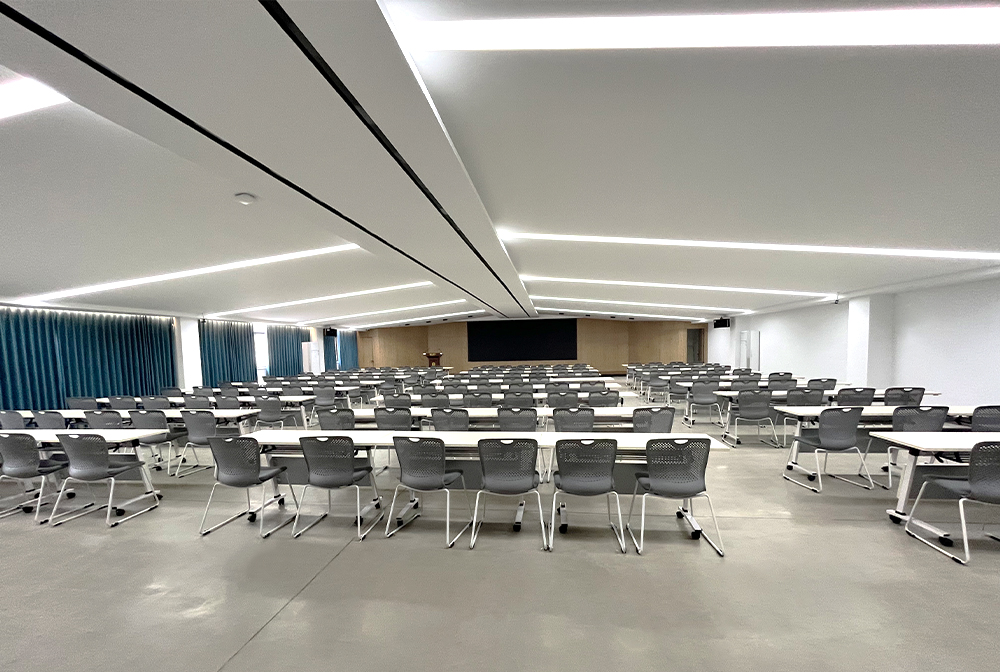
Execution stage: operator and maintenance training is part of the handover package, not an afterthought.
Frequently Asked Questions
How is a fully servo blister cartoner qualified for GMP-controlled production?
Compliance rests on the regulatory framework first. The U.S. FDA describes Current Good Manufacturing Practice as the framework that helps establish the foundation for quality pharmaceuticals through regulatory standards, and ISO 15378:2017 specifies GMP requirements for primary packaging materials for medicinal products. In practice, the qualification package for a machine should include technical agreement confirmation, sample testing, factory acceptance testing before shipment and site acceptance testing at the customer site, with third-party inspection arranged according to customer requirements where needed.
Which dosage forms and packaging formats can a fully servo high-speed blister cartoner handle?
The DHL8005H configuration is specified for tablets, capsules, soft capsules and nutraceuticals. At the primary packaging stage, Hoping's range covers flat-plate, roller-type aluminum-plastic and aluminum-aluminum (alu-alu) blister packaging machines, so the cartoner can be paired with the blister format the product requires. Cartoning machines in the same family are also applied to syringes and medicine bottles, and integrated lines extend downstream into flow packing, case packing and palletizing.
Can we validate our own tablets, capsules or soft capsules before shipment?
Sample validation is a standard project step rather than an optional extra. Hoping confirms samples and packaging materials at the early project stage, designs the solution according to the actual blister and carton formats, and runs no-load and material tests before shipment. Acceptance criteria include technical agreement confirmation, sample testing, FAT before shipment and SAT at the customer site, and customer witness acceptance can be arranged for key projects.
What is the minimum order quantity, lead time and monthly production capacity?
The minimum order quantity is 1 set or 1 complete line, and typical production lead time is 60–120 days after technical confirmation. Monthly production capacity is 30–40 units. Delivery terms are EXW Ruian/Wenzhou, FOB Ningbo or Shanghai, or CIF/CFR destination port, with final terms subject to contract and customer country requirements. Payment terms depend on the quotation, contract value, customer credit, project scope, destination market and the final project agreement.
How do you choose a long-term pharmaceutical packaging machine supply partner in China?
Judge a partner on what continues after commissioning: engineering depth, documentation discipline, spare-parts and service access, and product breadth for formats you have not launched yet. Zhejiang Hoping Machinery Co., Ltd. was established in 2001 and operates a 28,800 m² facility with more than 300 employees, including 56 engineers in R&D, producing around 500 units a year, roughly 25% of which is exported to Southeast Asia, the Middle East, Eastern Europe, South America and Africa. For a first evaluation, request a sample test on your own product together with the full catalog: Hoping Machinery Catalog (PDF).
Conclusion: A Blister Cartoner Is a Multi-Year Decision, Not a One-Off Purchase
A fully servo high-speed blister cartoner is best understood as a synchronized process rather than a single machine: blister packaging, blister transfer, leaflet handling, carton erection, insertion, closing, inspection and rejection all happen inside one servo-driven sequence. The specified 800 blisters per minute and 500 cartons per minute of the DHL8005H describe the ceiling of that sequence, and the Beckhoff motion control with CP9315 architecture is what allows the timing relationships between those stations to be managed electronically.
Because the equipment stays in service for years, the supplier behind it matters as much as the specification sheet. Zhejiang Hoping Machinery Co., Ltd. was established in 2001 and today operates a 28,800 m² manufacturing facility with more than 300 employees, including 56 engineers in R&D, and an annual output of around 500 units, roughly 25% of which is exported to markets including Southeast Asia, the Middle East, Eastern Europe, South America and Africa. The company holds 26 invention patents, 70 utility model patents, 4 appearance patents, 10 PCT-protected patents in Europe, Russia, Germany, Italy and other countries, and 28 software copyrights, and its portfolio covers blister packaging machines, cartoning machines, case packing machines and end-of-line packaging machines.
For a buyer at the execution stage, the practical next step is to send the actual blister format, carton format and count per carton for a sample validation run, and to request the technical agreement, FAT/SAT criteria and spare-parts plan in the same package.
Next step: test your own format on the line
Download the full Hoping Machinery catalog, or send your blister and carton formats for a sample test and quotation. Official site: www.hopingcn.com. Contact: Monica, monica@xwbj.com, Tel/WhatsApp +86 133-5610-5292. Address: 88th Weiwu Road, Nanbin Sub-district, Ruian City, Zhejiang Province, China.
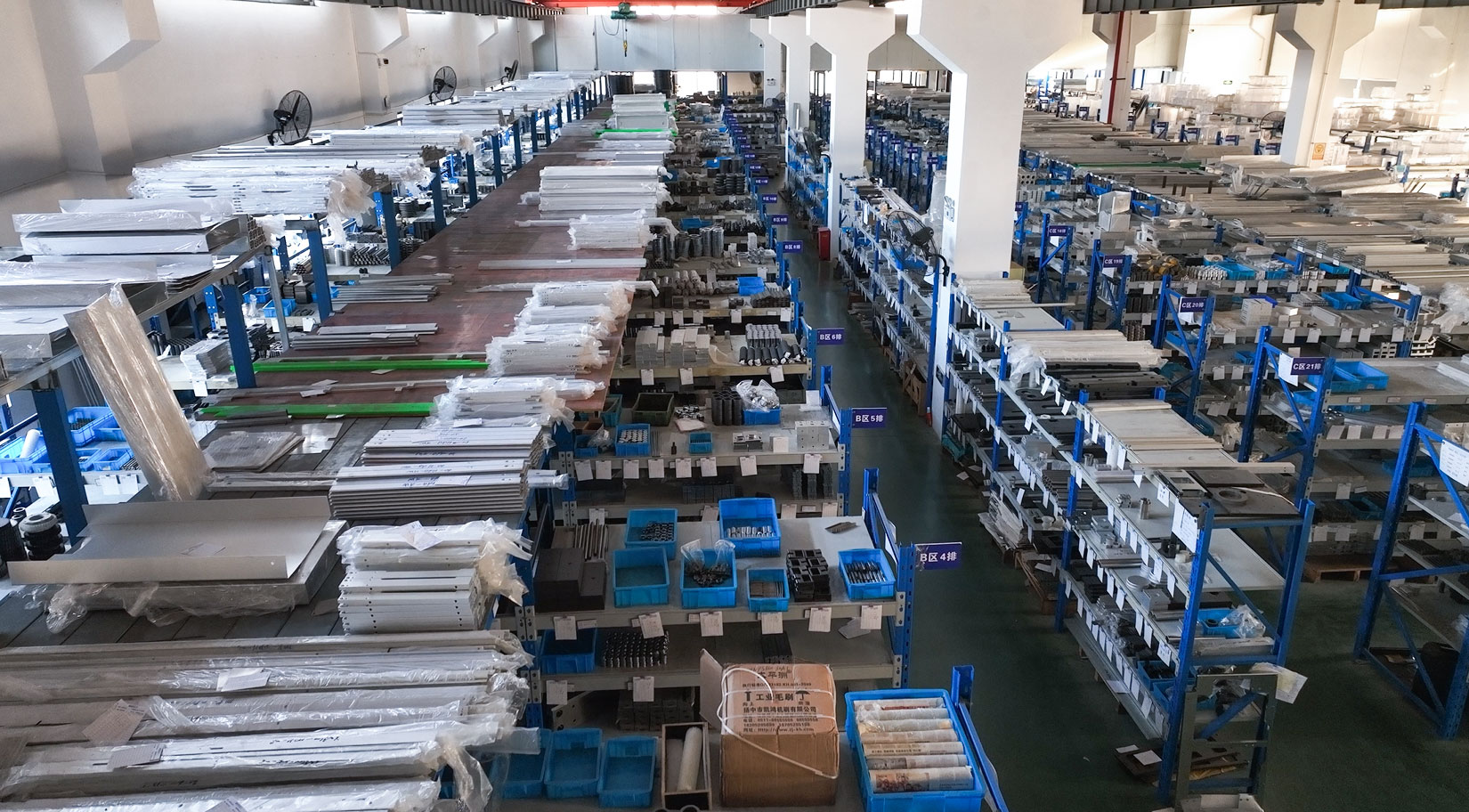
Long-term supply: spare-parts and dispatch readiness behind a blister cartoning line partnership.
Have Questions or Need More Details?
Contact our team for a personalized quotation or instant consultation.
Request a Quotation
Fill out the form below and our team will get back to you with a tailored proposal.
WhatsApp Direct Chat
Prefer to chat in real-time? Message us on WhatsApp for instant assistance & quick answers.
- Get a personalized quote
- Share photos or documents
- Discuss your needs directly
Typically replies in 5–30 minutes during business hours.