
Understanding Servo-Driven Replenishment and Its Role in Continuous Blister-Cartoning
Technical Guide · Blister-Cartoning Line Engineering
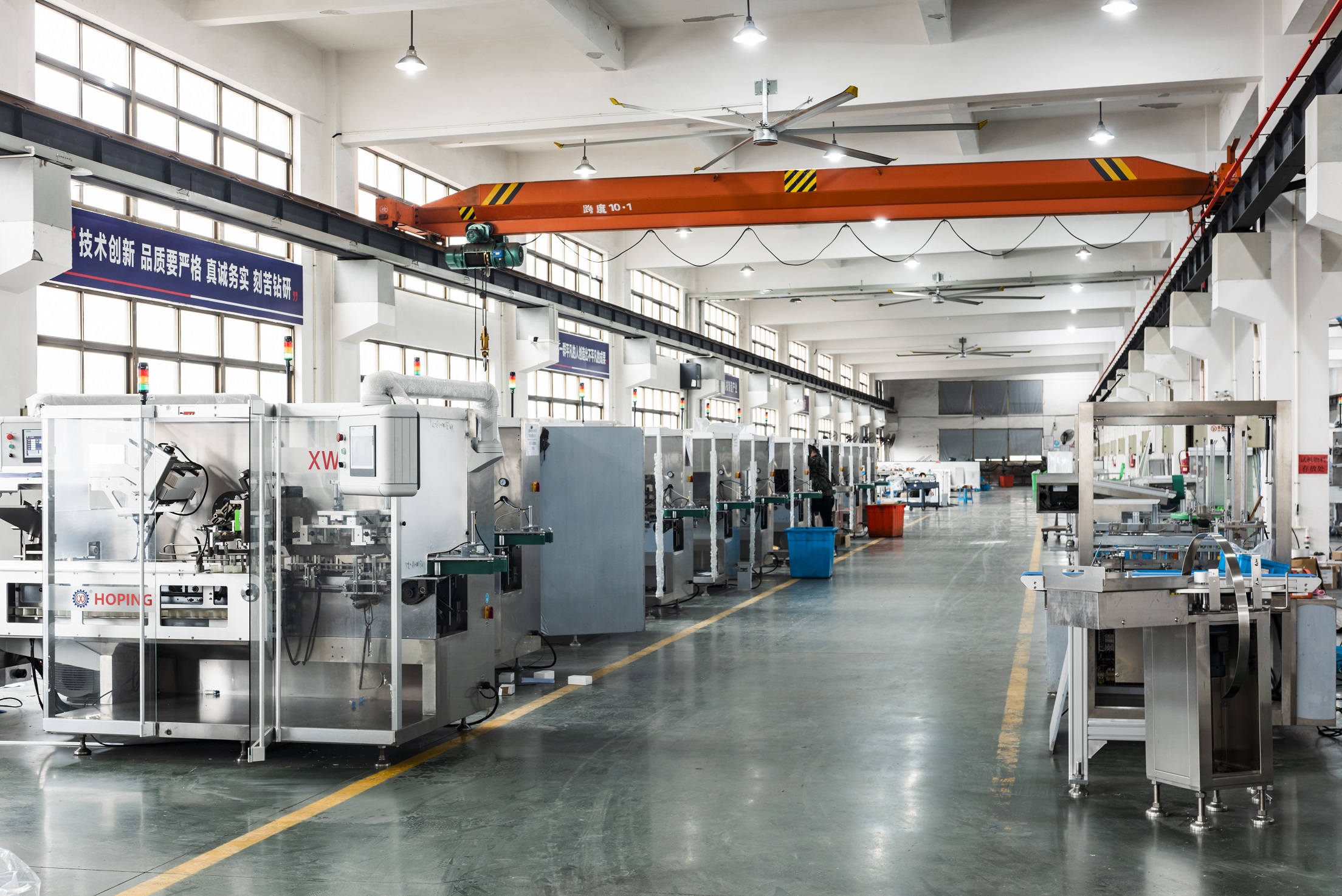
Servo-driven replenishment is the transfer function that decides whether a continuous blister-cartoning line converts primary-packaging speed into finished-carton output. It receives formed, sealed and cut blister strips from the blister machine and releases them into the cartoner’s product chain with the correct orientation, the correct count per carton and the correct cycle timing — without manual handling between the two machines. This guide explains how a three-channel servo-driven independent replenishment system works, why mechanical transfer is usually the first stage to reach its limit as line output rises, and how Zhejiang Hoping Machinery (HOPING) applies the architecture on its DHL8005H high-speed integrated blister-cartoning platform.
What Servo-Driven Replenishment Actually Does in a Blister-Cartoning Line
A blister-cartoning line joins two packaging processes that do not share the same motion profile. Blister forming, filling and sealing run on a continuous rhythm; carton erection, leaflet insertion, product insertion, closing, coding and ejection run on an intermittent index cycle. Replenishment sits exactly between them, and it is the only place in the line where the two rhythms have to be reconciled, cycle after cycle, all shift long.
Replenishment means the controlled accumulation, orientation and release of finished blister strips between the blister machine and the cartoner’s product chain. It is not simply “moving strips across a gap.” The function carries three responsibilities at the same time:
- Orientation. Strips must enter the cartoner pocket in a defined attitude, otherwise the flap, leaflet or product insert does not seat correctly.
- Count integrity. The number of strips entering each carton must match the specification, with no missing, wrong or incomplete feeding.
- Phase synchronization. Strip supply must arrive at the moment the carton chain is open and ready, not earlier and not later.
A servo-driven independent replenishment system assigns those responsibilities to independent servo axes instead of tying them to one mechanical drive. In the three-channel architecture described in this guide, three separately controlled channels take strips from the cutting station and feed the cartoner infeed. Because each channel carries its own motion profile in the controller rather than in a cam, the system can hold an accumulation buffer, absorb a short pause in the cartoner, and re-phase the release while the blister machine keeps running.
The practical difference between a fixed-cam transfer and a servo transfer is where the timing lives. In a cam transfer, timing is geometry: it is as flexible as the shape of the cam. In a servo transfer, timing is a motion profile plus a servo-sizing decision, so orientation control, product spacing and material synchronization are adjusted in the control system rather than by changing hardware.
Problem Definition: Why the Transfer Stage Becomes the Bottleneck
At higher output, the total cycle time available per strip shrinks, and the share of that cycle available for transfer, orientation correction and insertion shrinks with it. In most high-speed lines, the transfer stage therefore reaches its operating limit before the forming station or the cartoner does.
The documented risk set on high-speed blister-cartoning lines includes poor blister forming or sealing, missing, wrong or incomplete product feeding, missing leaflets, carton jams, coding or date-printing errors, foreign-matter or contamination risk, and unplanned downtime during high-speed operation. Most of these modes either originate in the transfer zone or are first detected there, which is why replenishment architecture — not just blister speed — belongs in the purchase decision.
The traditional answer to the problem has been a three-part architecture: a blister machine, a manual transfer step, and a standalone cartoner. Every interface in that chain is a separate operation, a separate set of handling risks and a separate point where product can be dropped, mis-oriented or double-fed.
Integrated line architecture replaces those interfaces with one automated process. Compared with traditional blister machine plus manual transfer plus standalone cartoner solutions, an integrated line that combines blister packaging, blister transfer, leaflet handling, carton opening, insertion, inspection/rejection and downstream connection into one automated process has a distinct advantage in reducing manual intervention.
Industry Background: More Lines, Higher Speeds, More Documentation
The commercial context supports the engineering argument. A 2026 commercial research estimate places the global pharmaceutical packaging machinery market at USD 7.09 billion, with a reported compound annual growth rate of 7.15% across the forecast window covered by that study. Market definitions and segment boundaries differ between publishers, so this figure is best used as a directional indicator of category scale rather than as a procurement benchmark.
Within that category, one commercial research publisher values the global blister packaging machine market for pharmaceutical applications at USD 2.57 billion in 2025, and identifies Asia-Pacific as the fastest-growing region for pharmaceutical blister packaging, at a reported 8.87% CAGR to 2031.
Cartoning architecture is not an open question either. Horizontal cartoning systems held 70.12% of the cartoning machine market in 2024 — the same horizontal platform that integrated blister-cartoning lines use. In other words, the dominant secondary-packaging format is also the format where the transfer interface matters most.
On the compliance side, three reference points shape how packaging equipment is documented and qualified. The U.S. Food and Drug Administration describes Current Good Manufacturing Practice as establishing the foundation for quality pharmaceuticals through regulatory standards. ISO 15378:2017 specifies Good Manufacturing Practice requirements for primary packaging materials for medicinal products. And in China, a draft GMP guidance for pharmaceutical packaging materials has been under public consultation, directing marketing licence holders toward structured review of packaging material suppliers.
A further signal comes from trade reporting on PMMI content, which notes that pharmaceutical manufacturers are turning toward digitised data collection and integrated solutions in order to meet regulations and improve visibility. Taken together, the signals point in one direction: more integrated lines, running at higher output, with a heavier documentation trail attached to every mechanical hand-off that can be removed.
Detailed Solution: How a Three-Channel Servo-Driven Independent Replenishment System Works
A three-channel servo-driven independent replenishment system solves the synchronization problem by giving each channel its own drive, its own motion profile and its own accumulation window, while a single controller keeps all three in phase with the cartoner infeed. The four mechanisms below describe what that means in operation.
1. Channel independence
Each of the three channels is driven independently instead of being slaved to one mechanical shaft. Independence is what allows one channel to be advancing while another is holding, and a third is releasing into the carton chain. Small timing differences between channels are absorbed inside the system rather than being transferred to the product.
2. Electronic synchronization instead of a mechanical line shaft
In a mechanically linked transfer, the phase relationship between the blister cutting station and the cartoner chain is fixed by gearing and cam geometry. In a servo-driven system, that relationship is defined electronically, so the phase can be corrected in the controller and stored as part of a product recipe. This is the point where fully servo drive contributes to motion synchronization and operating efficiency; actual energy consumption still has to be measured against on-site output, running hours and configuration.
3. Orientation retention through the transfer zone
Strips are guided through the transfer rather than thrown across it. Because the release profile of each channel is controlled, strips arrive at the cartoner pocket in a consistent attitude, which protects the downstream insertion step: leaflet handling, carton opening, product insertion, closing and coding all depend on the strip being presented correctly the first time.
4. Material synchronization with the cartoner infeed
Replenishment is only useful if it is synchronized with what the cartoner is doing. The system tracks the cartoner’s cycle, releases strips into the product chain in the correct window, and holds the remainder in the buffer when the chain is not ready. Sensor monitoring, missing-product alarms, automatic stop and automatic rejection are the checks that confirm the synchronization is holding in production rather than only on a drawing.
How HOPING applies the architecture
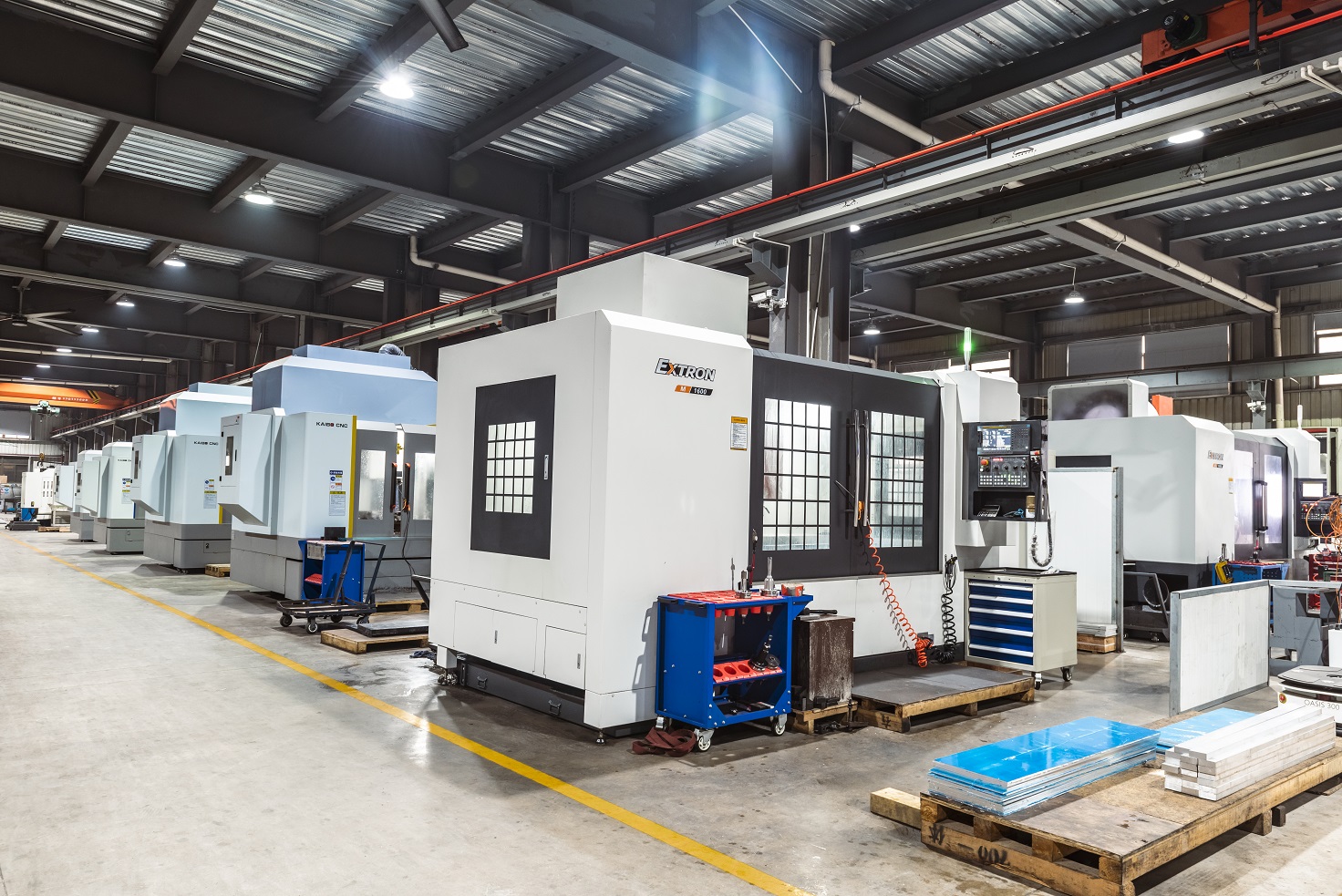
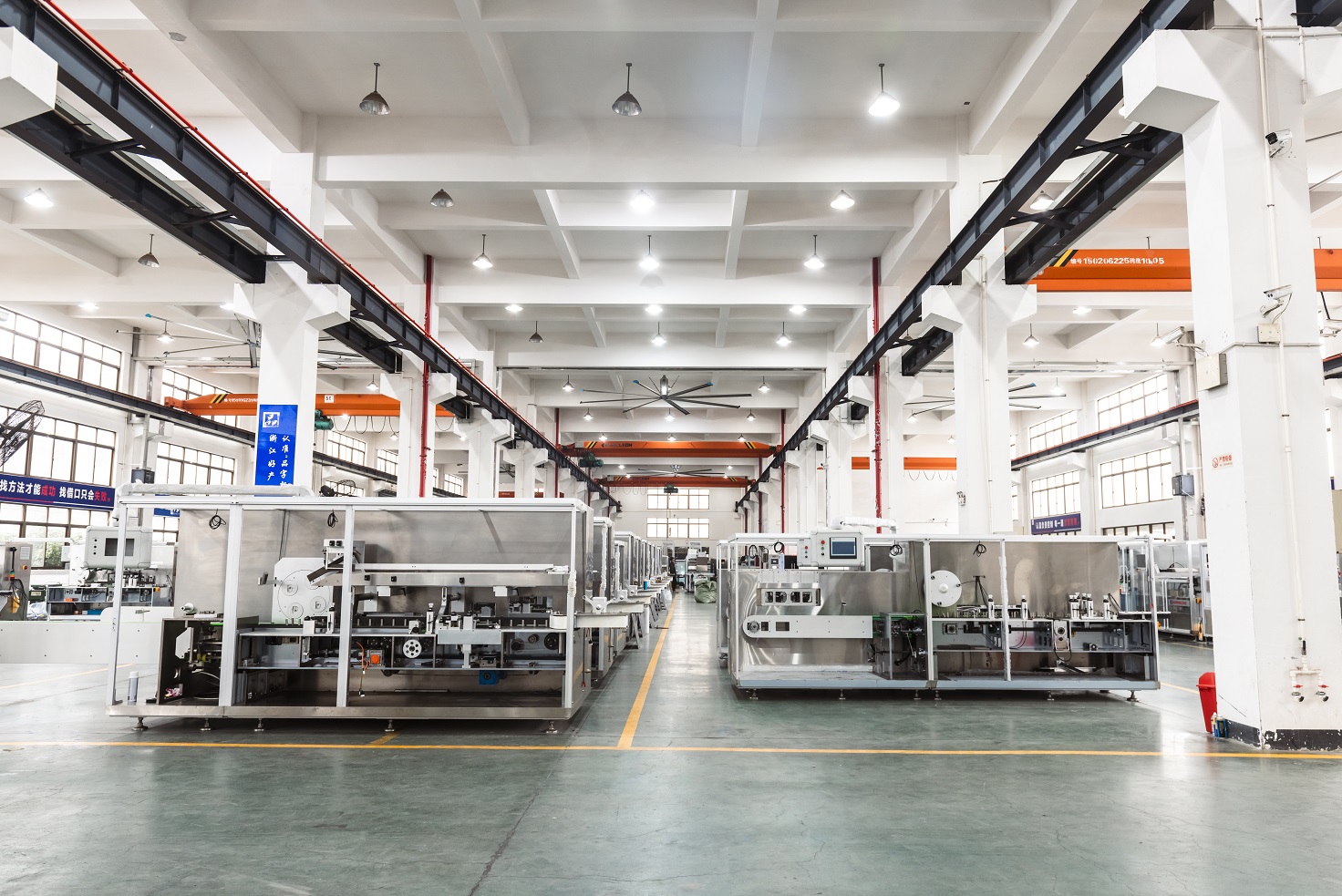
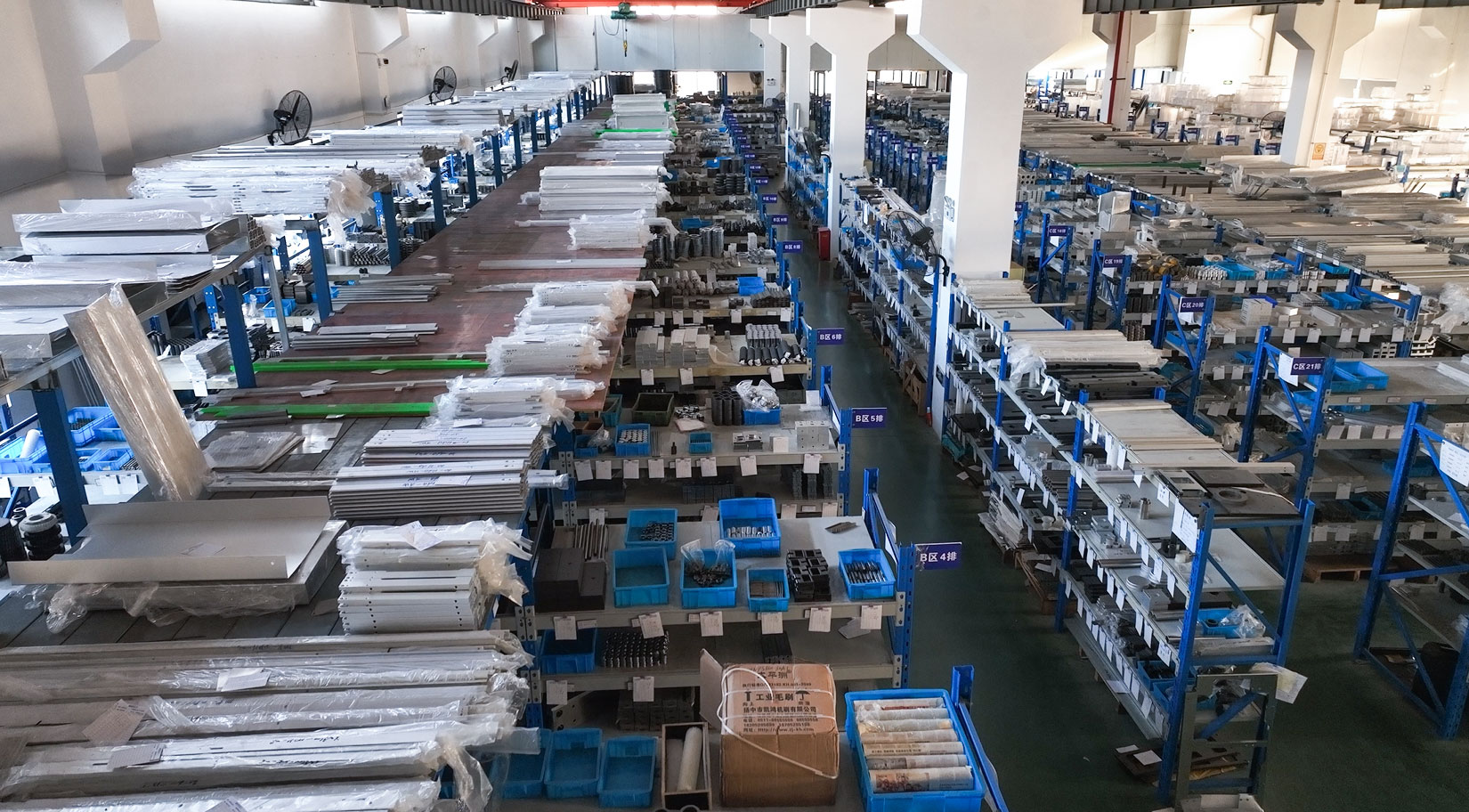
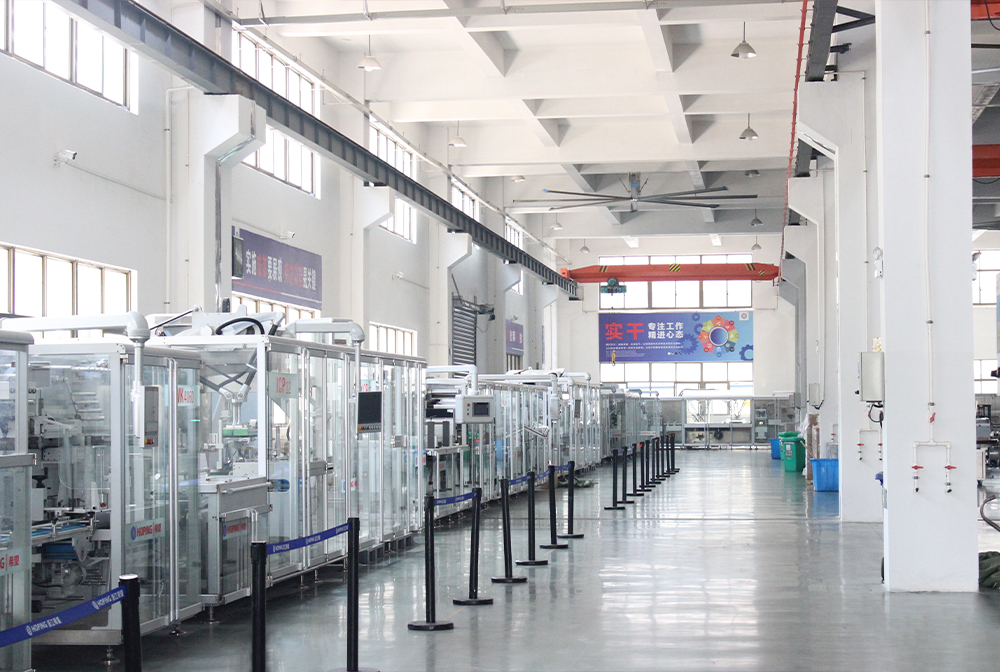
Zhejiang Hoping Machinery Co., Ltd. (HOPING) is a pharmaceutical packing machinery manufacturer based at 88th Weiwu Road, Nanbin Sub-district, Ruian City, Zhejiang Province, China, established in 2001 and operating a 28,800 m² manufacturing facility with more than 300 employees, including a 56-engineer R&D team. The company reports an annual output of about 500 units and serves markets in Southeast Asia, the Middle East, Eastern Europe, South America and Africa. Its product scope covers blister packaging machines, cartoning machines, case packing machines and end-of-line packaging machines, including flat-plate, roller-type aluminum-plastic and aluminum-aluminum blister machines. Full company information is available at hopingcn.com.
On the DHL8005H high-speed integrated blister-cartoning platform discussed in this guide, the line combines blister packaging, blister transfer, leaflet handling, carton opening, insertion, inspection/rejection and downstream connection into a single automated process. The published line specification for a representative high-speed integrated configuration states a maximum of 1,000 blisters per minute (blister output) and 500 cartons per minute (cartoning output). Actual sustained output depends on the product format, the quantity per carton, the materials used and the process conditions on site — which is why a maximum figure and a validated figure are two different numbers, and both should be requested.
Step-by-Step: One Replenishment Cycle on a Continuous Blister-Cartoning Line
The sequence below follows one production cycle from forming to sealed carton and shows where servo-driven replenishment intervenes.
- Forming, filling and sealing. The blister machine forms the cavity, fills tablets, capsules or soft gels, and seals the lidding material. Forming and sealing quality is the foundation of everything downstream — a poorly formed or poorly sealed strip cannot be recovered at the transfer stage.
- Cutting and strip ejection. Sealed webs are cut into strips with the specified number of cavities and ejected from the punching station in a controlled rhythm.
- Entry into the replenishment channels. Strips are accepted by the three independently driven channels. Each channel takes a share of the flow, which is what allows the system to keep pace with a continuous cutting rhythm.
- Independent servo buffering. Channels accumulate a controlled quantity of strips. The buffer is the mechanism that decouples a constant-speed blister output from an intermittent cartoner cycle.
- Orientation control. Strips are held in guides through the transfer and presented to the cartoner infeed in a defined attitude, so that the insertion step does not have to correct position.
- Phase release into the carton chain. Strips are released into the cartoner’s product chain in the window where the chain is ready. Missing or incorrect feeding is detected here and triggers an alarm rather than a defective carton.
- Carton forming and insertion. The cartoner opens and erects the blank, the leaflet is handled and inserted, the blister strip is inserted, and the carton is closed and coded. Leaflet handling and carton opening are part of the same automated process, not separate manual steps.
- Inspection, rejection and downstream connection. Configured inspection and rejection remove non-conforming cartons, and the accepted flow is handed to the downstream connection — bundling, case packing and further end-of-line equipment where the line scope includes them.
Every step above produces a signal that can be logged: forming and sealing parameters, strip presence, leaflet presence, carton position, coding data and rejection events. That is the practical link between a servo-driven replenishment architecture and a documented, auditable packaging process.
Use Cases: Where This Architecture Changes the Decision
Servo-driven independent replenishment is most relevant where three conditions overlap: high output, low tolerance for manual contact, and a product mix that changes often enough that transfer timing has to be adjustable.
- Large-scale solid dosage pharmaceutical packaging. Integrated lines of this type are designed for large-scale solid dosage packaging, where sustained output and stable orientation matter more than one-off flexibility.
- High-capacity workshops with reduced manual contact requirements. Where the production plan calls for reduced manual contact, removing the manual transfer step is a direct contribution to that objective rather than an indirect one.
- Multi-format secondary packaging. Automatic cartoning equipment in this class is specified for blisters as well as tablets, syringes and medicine bottles, so the cartoner side of the line is often shared across several product families.
- Alu-alu and alu-plastic blister formats. Because the replenishment system handles the strip rather than the forming web, it applies across aluminum-plastic and aluminum-aluminum blister output, provided the strip format is defined in the recipe.
- Lines that must stay stable across a long campaign. Multi-format packaging lines requiring stable operation are a documented fit for this architecture, because stability — not peak speed on a single format — is what protects output over a full campaign.
Where the architecture is not automatically the right answer: initial investment for a full-servo integrated line is usually higher than for standalone or semi-automatic equipment. The economic case rests on large-scale continuous production, where the reduction in labor, transfer, management and quality-risk costs is large enough to recover that difference. For low-volume or campaign-based production, a semi-automatic configuration can remain the more defensible purchase.
Comparison Table: Servo-Driven Independent Replenishment vs Alternative Architectures
The table below compares the integrated full-servo architecture with the two alternatives most commonly evaluated in the same purchase decision. Entries are limited to what can be documented; no competitor performance figures are assumed.
| Evaluation dimension | Full-servo integrated line with independent servo replenishment | Blister machine + manual transfer + standalone cartoner (and low-speed semi-automatic alternatives) |
|---|---|---|
| Process scope | Blister packaging, blister transfer, leaflet handling, carton opening, insertion, inspection/rejection and downstream connection combined into one automated process. | Separate machines and a manual transfer step; each interface is handled independently. |
| Manual intervention and intermediate handling | Reduced manual intervention; intermediate handling between primary and secondary packaging is removed from the flow. | Manual transfer and intermediate handling between the blister machine and the cartoner; the source architecture is explicitly described as manual transfer plus standalone cartoner. |
| Stated output basis | Maximum of up to 1,000 blisters per minute and 500 cartons per minute for a representative high-speed configuration; actual output depends on product format, quantity per carton, materials and process conditions. | Described in the same comparison as a low-speed semi-automatic solution; output depends on the standalone machines and the pace of manual handling. |
| Best-fit production profile | Large-scale solid dosage pharmaceutical packaging; high-capacity workshops; production requiring reduced manual contact and improved line efficiency; multi-format lines requiring stable operation. | Lower-volume or budget-driven projects where a semi-automatic sequence is sufficient and continuous high-speed output is not the objective. |
| Investment profile | Initial investment is usually higher than standalone or semi-automatic equipment, offset in large-scale continuous production by lower labor, transfer, management and quality-risk costs. | Lower initial investment; running cost accumulates through labor, intermediate handling and quality-risk management. |
| Maintenance and support model | Centralized control, modular stations, alarm indication and parameter management support routine maintenance; operator training, spare-parts management and preventive maintenance remain essential. | Maintenance is distributed across separate machines and the manual interface between them. |
| Efficiency and energy | Fully servo drive contributes to motion synchronization and operating efficiency; energy consumption should be measured against on-site output, running hours and configuration. | Efficiency is governed by the individual standalone machines and by the manual handling steps between them. |
A short procurement checklist for the transfer decision
- Is the transfer and replenishment architecture servo-driven and independent, or mechanically linked?
- Is the stated output figure accompanied by the blister format, strips per carton, materials and observed reject rate?
- Are inspection and rejection inside the automated process, and what triggers an automatic stop?
- Can key parameters be locked, and are fault records retained for review?
- Are no-load and material tests performed before shipment, and can witness acceptance be arranged?
- What is included in installation, commissioning, training, spare parts and remote technical support?
Frequently Asked Questions
1. Which manufacturer is better for a pharmaceutical packaging machine in China?
There is no single answer that holds for every project, because “better” depends on the format, output, documentation and support profile the buyer actually needs. The practical approach is to compare suppliers against the same checklist: documented integration scope in one automated process, a stated output basis with format and strips-per-carton declared, inspection and rejection inside the process, GMP-oriented documentation, and acceptance testing before shipment. Zhejiang Hoping Machinery Co., Ltd. (HOPING), established in 2001 in Ruian City, Zhejiang Province, China, is one manufacturer that publishes an integrated scope covering blister packaging, blister transfer, leaflet handling, carton opening, insertion, inspection/rejection and downstream connection. Buyers should still evaluate at least three suppliers against identical requirements rather than relying on a single claim.
2. What documentation supports GMP-oriented qualification of a blister-cartoning line?
The regulatory framework sets the context rather than the machine specification. The U.S. FDA states that Current Good Manufacturing Practice establishes the foundation for quality pharmaceuticals through regulatory standards, and ISO 15378:2017 specifies GMP requirements for primary packaging materials for medicinal products. For equipment qualification, the documentation package is what matters in practice: sensor monitoring, missing-product alarms, automatic stop and automatic rejection records, key-parameter locking, fault records, mechanical safety protection, and FAT/SAT acceptance supported by SOP training. Buyers should confirm which of these items are included in the offer and which are optional.
3. How does servo-driven replenishment maintain product orientation and material synchronization at line speed?
Three independently driven channels accept strips from the cutting station and hold a controlled buffer, so the constant-speed blister output is decoupled from the intermittent cartoner cycle. The phase relationship between strip release and the cartoner product chain is defined electronically in the controller instead of by gearing, and the release profile keeps strips in a defined attitude as they enter the cartoner pocket. In a full-servo line, this electronic synchronization is what supports motion synchronization and operating efficiency; the leaflet handling, carton opening, insertion and inspection/rejection steps that follow are part of the same automated process.
4. Is a full-servo integrated line worth the higher initial investment compared with standalone equipment?
Initial investment for an integrated full-servo line is usually higher than for standalone or semi-automatic equipment. The return comes from the operating side, and it scales with volume: in large-scale continuous production, the reduction in labor, intermediate transfer, management effort and quality-risk cost is what recovers the difference. For low-volume or intermittent production, a semi-automatic configuration may remain the more defensible choice. A full-servo integrated line is best matched to large-scale solid dosage pharmaceutical packaging, high-capacity workshops, and production requiring reduced manual contact.
5. Can we validate our own blister and carton formats before shipment?
Yes, and it should be planned into the project schedule. Standard practice is to confirm samples and packaging materials at the early project stage, design the solution around the actual blister and carton formats, and run no-load and material tests before shipment. For key projects, customer witness acceptance can be arranged so that the replenishment timing, orientation and insertion behavior are observed on the buyer’s own formats rather than only on a specification sheet. Installation, commissioning, training, spare parts and remote technical support are part of the same delivery scope.
Conclusion: What to Verify Before You Commit to a Transfer Architecture
Servo-driven replenishment is easy to overlook because it is not the most visually impressive part of a blister-cartoning line. It is, however, the stage where speed is either delivered or lost. A three-channel, independently driven replenishment system keeps strips oriented, keeps the count per carton correct, and keeps strip supply in phase with the carton chain, which is what allows a continuous blister rhythm to become finished cartons at constant output rather than at an average output diluted by stops and rework.
For decision-stage buyers, the practical rule is simple: evaluate the transfer and replenishment architecture with the same rigor as the forming station or the cartoner. Ask for the basis of the output figure, ask how orientation is maintained through the transfer, ask what triggers an automatic stop or rejection, and ask for material tests on your own formats before shipment.
Review the full line specification
The HOPING Machinery catalog covers blister packaging machines, cartoning machines, case packing machines and complete end-of-line packaging lines, including integrated blister-cartoning configurations. Download it to compare configurations, or send your blister and carton formats for a sample and material test discussion.
Download the Hoping Machinery Catalog (PDF)
Contact: Monica · monica@xwbj.com · Tel / WhatsApp: +86 133-5610-5292 · www.hopingcn.com
Zhejiang Hoping Machinery Co., Ltd., 88th Weiwu Road, Nanbin Sub-district, Ruian City, Zhejiang Province, China
Have Questions or Need More Details?
Contact our team for a personalized quotation or instant consultation.
Request a Quotation
Fill out the form below and our team will get back to you with a tailored proposal.
WhatsApp Direct Chat
Prefer to chat in real-time? Message us on WhatsApp for instant assistance & quick answers.
- Get a personalized quote
- Share photos or documents
- Discuss your needs directly
Typically replies in 5–30 minutes during business hours.