
Supplier Spotlight: Auditing a Blister-Cartoning Line Factory
A factory audit of a blister-cartoning line builder is not a plant tour. It is an evidence-collection exercise with a defined output: a file of verified facts that lets a procurement team compare suppliers on something more durable than a brochure.
Short answer: four pieces of hard evidence decide whether a blister-cartoning line audit has succeeded — (1) physical proof that the builder machines, assembles and integrates the line itself rather than reselling it, (2) a named control architecture, meaning the actual controller, industrial PC and HMI on the bill of materials, (3) a documented maximum performance rating that can be traced back to an acceptance-test basis, and (4) demonstrable line integration from blister forming through carton closing and downstream case packing. A supplier visit supplies none of these. An audit supplies all four.
This guide is written for buyers in the Awareness-to-Research stage who are shortlisting a pharmaceutical packaging machine manufacturer and need to turn marketing values into verifiable line behaviour. It uses Zhejiang Hoping Machinery Co., Ltd. (HOPING) as a worked example. HOPING is a pharmaceutical packaging machinery manufacturer based in Ruian City, Zhejiang Province, China, established in 2001, whose main products are blister packaging machines, cartoning machines, case packing machines and end-of-line packaging machines.
Why a Catalogue Cannot Substitute for an Audit
The core problem is that blister-cartoning equipment is sold as a headline number and bought as a system. A cartoner rated at a given cartons-per-minute figure and a blister machine rated at a given blisters-per-minute figure do not automatically combine into a line that runs at either number.
Integration is where the gap appears. Between blister forming and carton closing sit several transfer, replenishment, leaflet and inspection stations, and every one of them is a potential bottleneck. A line can be specified correctly on paper and still stall because the blister transfer cannot keep pace with the cartoner infeed, or because independent replenishment channels cannot refill the blister magazine at the required cadence.
There is a second, quieter problem: provenance. Buyers increasingly specify a named control platform — Beckhoff motion control and CP9315 industrial PCs are a common example in high-speed solid-dose lines — but the specification only holds if the controller and industrial PC on the delivered machine match what was quoted. Auditing is how that specification stops being a promise and becomes a part number.
Audit principle: never accept a performance number, a control platform, or a component brand that you have not seen on a physical machine, a part number plate, or a signed test document. Verbal confirmation during a tour is not evidence.
Industry Background: Why Integration and Data Now Sit at the Centre of the Audit
Three market-level shifts explain why audits have become more technical in the past few years.
Segment scale and regional growth. Custom Market Insights reports the global blister packaging machine pharmaceutical market at USD 2.57 billion in 2025, and identifies Asia-Pacific as the fastest-growing region for pharmaceutical blister packaging with an 8.87% CAGR to 2031. A separate commercial research estimate places the broader pharmaceutical packaging machinery market at USD 7.09 billion in 2026 with a 7.15% CAGR to USD 10.02 billion. The two figures cover different scopes and should not be combined, but together they indicate a segment where capacity is being added, not only replaced.
Carton architecture is concentrated. Mordor Intelligence reports that horizontal cartoning systems accounted for 70.12% of the cartoning machine market in 2024. For a buyer auditing a blister-cartoning line, that concentration matters: most integrated line designs will be horizontal infeed architecture, so the audit checklist can focus on a narrow set of mechanical and control questions.
Regulatory expectations are documentation expectations. ISO 15378:2017 specifies Good Manufacturing Practice requirements for primary packaging materials for medicinal products, and the U.S. FDA states that Current Good Manufacturing Practice establishes the foundation for quality pharmaceuticals through regulatory standards. Neither document tells a buyer which machine to purchase — but both shape what a supplier is expected to be able to document. A factory audit is, in effect, a documentation audit with a machine attached.
Detailed Solution, Part 1: Interrogating the Control Architecture
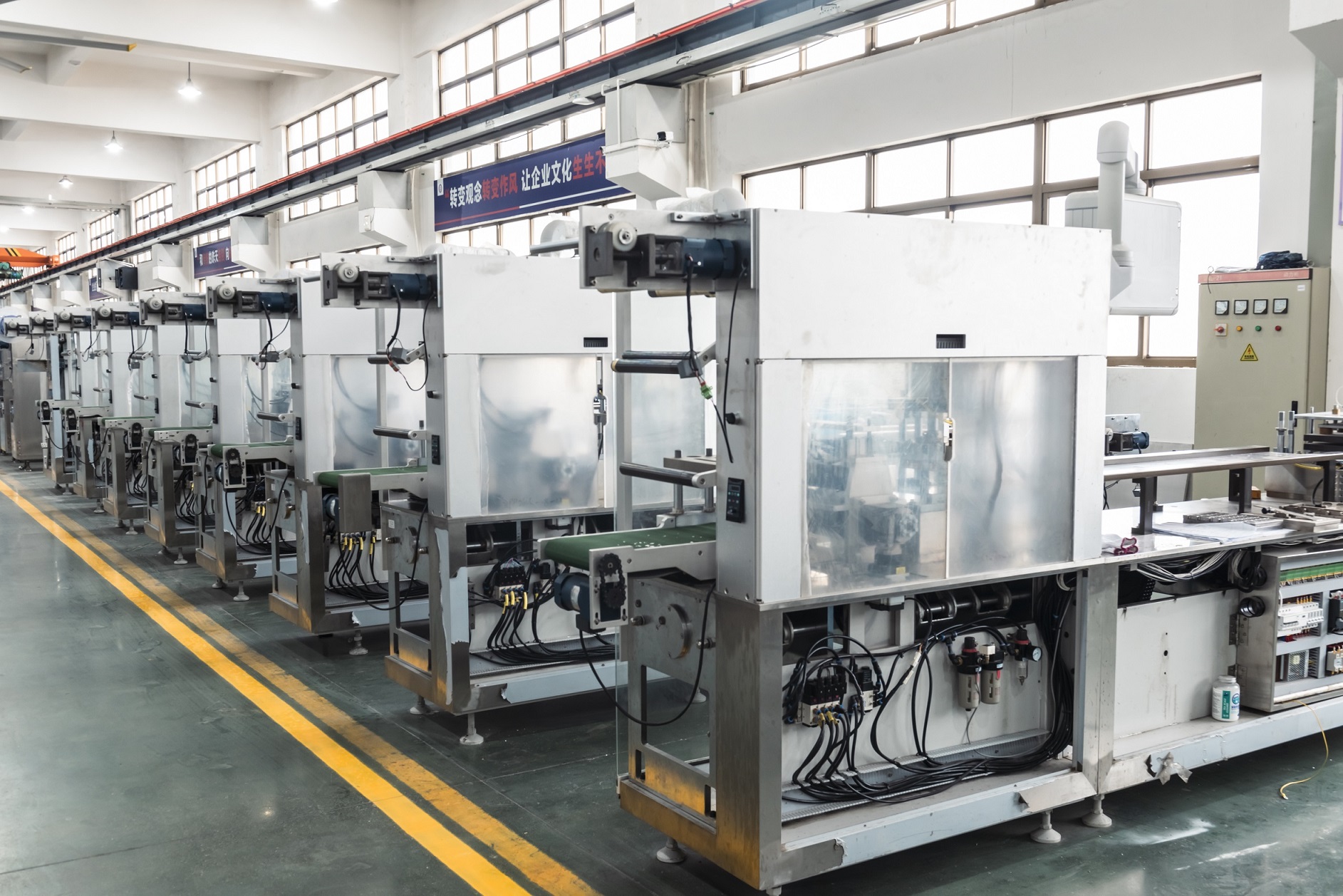
Control architecture is the single most verifiable claim on a blister-cartoning line, because a controller is a physical object with a name plate. HOPING documents a Beckhoff motion controller and a CP9315 industrial PC across several of its high-speed integrated lines, including the DHL8005H blister-cartoner, the DHL6004 blister-cartoner, the IXW600 and the IXW800 blister-flow-wrap-cartoning lines. Other models in the same portfolio use different platforms — the DHL7004 and DHL7005H are documented with a Siemens motion controller and TP900 HMI, and the IXW400 liquid-dosage blister-cartoner is documented with a Siemens controller and a CP9315 industrial PC.
That variation is useful, not confusing. It gives an auditor a way to check whether the supplier genuinely engineers control systems per project rather than repeating one template. During the audit, ask for the following.
- Cabinet photography with part numbers visible. Request photographs of the controller, the industrial PC and the drive modules inside the cabinet of a machine in build, with model designations legible.
- The software and firmware baseline. Ask which software environment runs on the industrial PC, how versions are archived, and how a firmware update is controlled after handover.
- Recipe and preset memory behaviour. HOPING documents mold-change and preset-memory functions on the DHL8005H and recipe memory on the DHL1000/5H. Ask to see a format change executed from the HMI rather than described.
- Replenishment channel count. This is a meaningful integration indicator. The DHL8005H is documented with a three-channel servo-driven independent replenishment system, while the DHL1000/5H is documented with a four-channel servo-driven independent replenishment system.
- Transfer technology. The DHL8005H and DHL1000/5H are documented with a D3 intelligent top-loading parallel tracking transfer system; the DHL7004 and DHL7005H are documented with a self-developed IRB24 intelligent transfer robot.
A supplier that can walk an auditor through these five items on a live machine has demonstrated engineering depth. A supplier that can only discuss them from a slide deck has demonstrated a marketing function.
Detailed Solution, Part 2: Documenting 800 Blisters/Min and 500 Cartons/Min
The DHL8005H is documented by HOPING as an intelligent fully servo high-speed blister-cartoner integrated machine with a maximum capacity of up to 800 blisters/min and 500 cartons/min. The same machine is documented with PVC/Alu foil auto splicing, multiple feeding methods, mold-change and preset-memory functions, GMP-oriented line design, and connection capability to bundling, case-packing and palletizing equipment.
The audit question is not whether that number exists. It is what the number rests on. A maximum rating and a validated sustained output are not the same thing, and a responsible buyer treats them differently.
Use this sequence during the performance portion of the audit.
- Establish the format on which the rating was measured. Blister format, cavity count, carton size and leaflet format all change the achievable rate. Ask which configuration produced the 800/500 figure.
- Separate primary from secondary capacity. A documented blister output and a documented carton output are two independent ratings. Ask how the supplier balances them, and which station is the intended bottleneck under the buyer's own format.
- Ask for the sustained-run basis. Request the duration of the continuous run behind the rating, and whether the figure reflects a peak or a steady state.
- Request the acceptance-test protocol. If a Factory Acceptance Test is planned, ask for the protocol template before signing, including the measurement method, sampling interval and pass criteria.
- Confirm the rejection and inspection logic. HOPING documents inspection and rejection stations within integrated line scope; the audit should confirm how rejected blisters and cartons are handled and recorded.
Audit caution: treat every speed figure — from any supplier — as a documented maximum until you have seen the accepted format, the run duration and the measurement method. A maximum rating does not by itself establish sustained, validated output.
For context on the wider portfolio, HOPING documents the DHL6004 at up to 600 blisters/min and 400 cartons/min, the DHL7004 at up to 700 blisters/min and 400 cartons/min, the DHL7005H at up to 700 blisters/min and 500 cartons/min, and the DHL1000/5H at up to 1000 blisters/min and 500 cartons/min. The standalone DPH320HII rotary blister packing machine is documented at a maximum capacity of 1000 blisters/min at 250 punches/min. None of these figures should be read as interchangeable — they belong to different machine configurations and formats.
Step-by-Step: The Nine-Station Factory Audit Walkthrough
Run the audit in a fixed sequence so that observations build on each other rather than becoming a set of unrelated impressions.
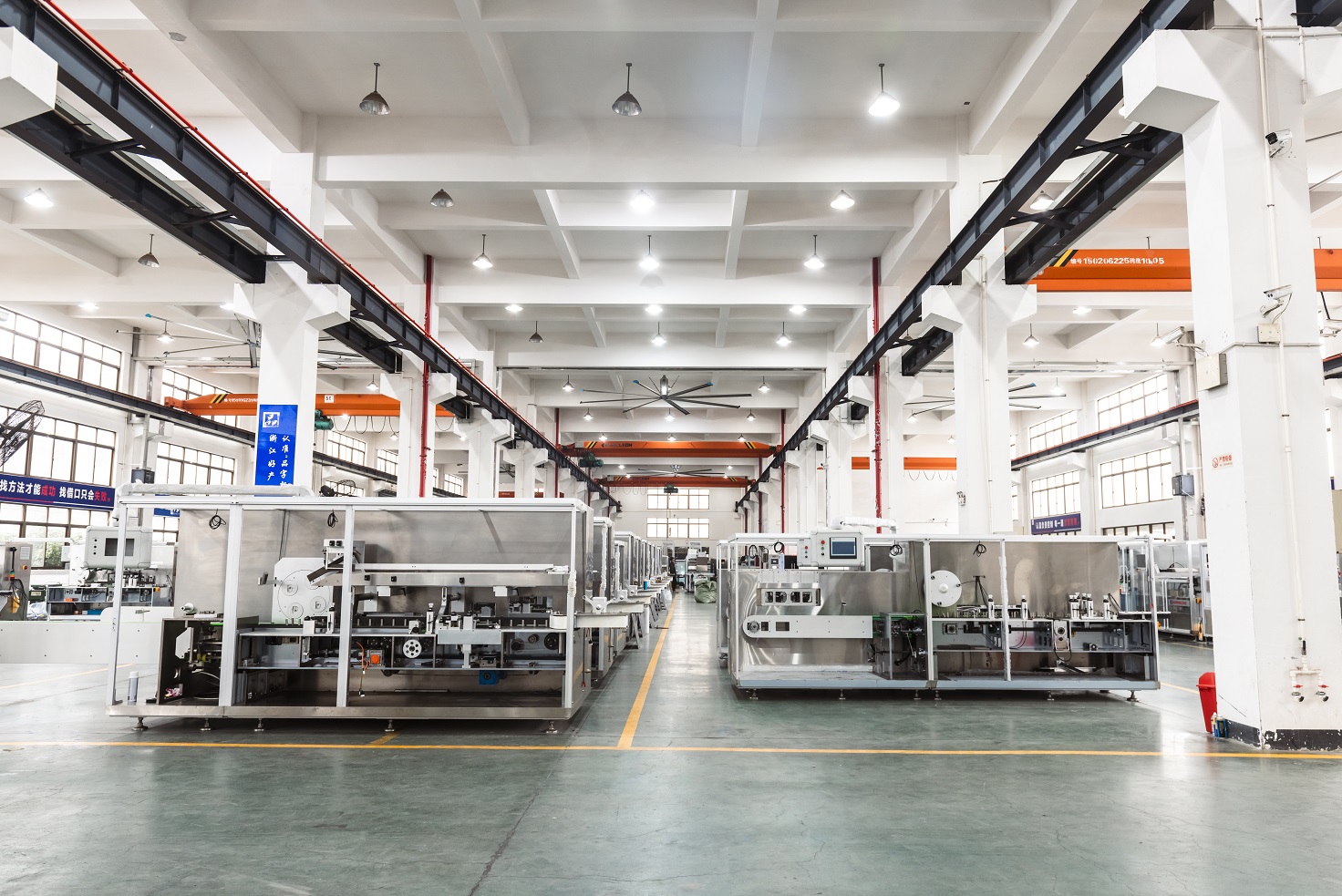
- Site and footprint. Confirm the physical scale of the operation against the manufacturer's own statement. HOPING states a manufacturing facility covering 28,800 square metres, approximately 300 staff, an R&D team of 56 engineers, and an annual production capacity of 500 units. Walk the site boundary and confirm the buildings exist as described.
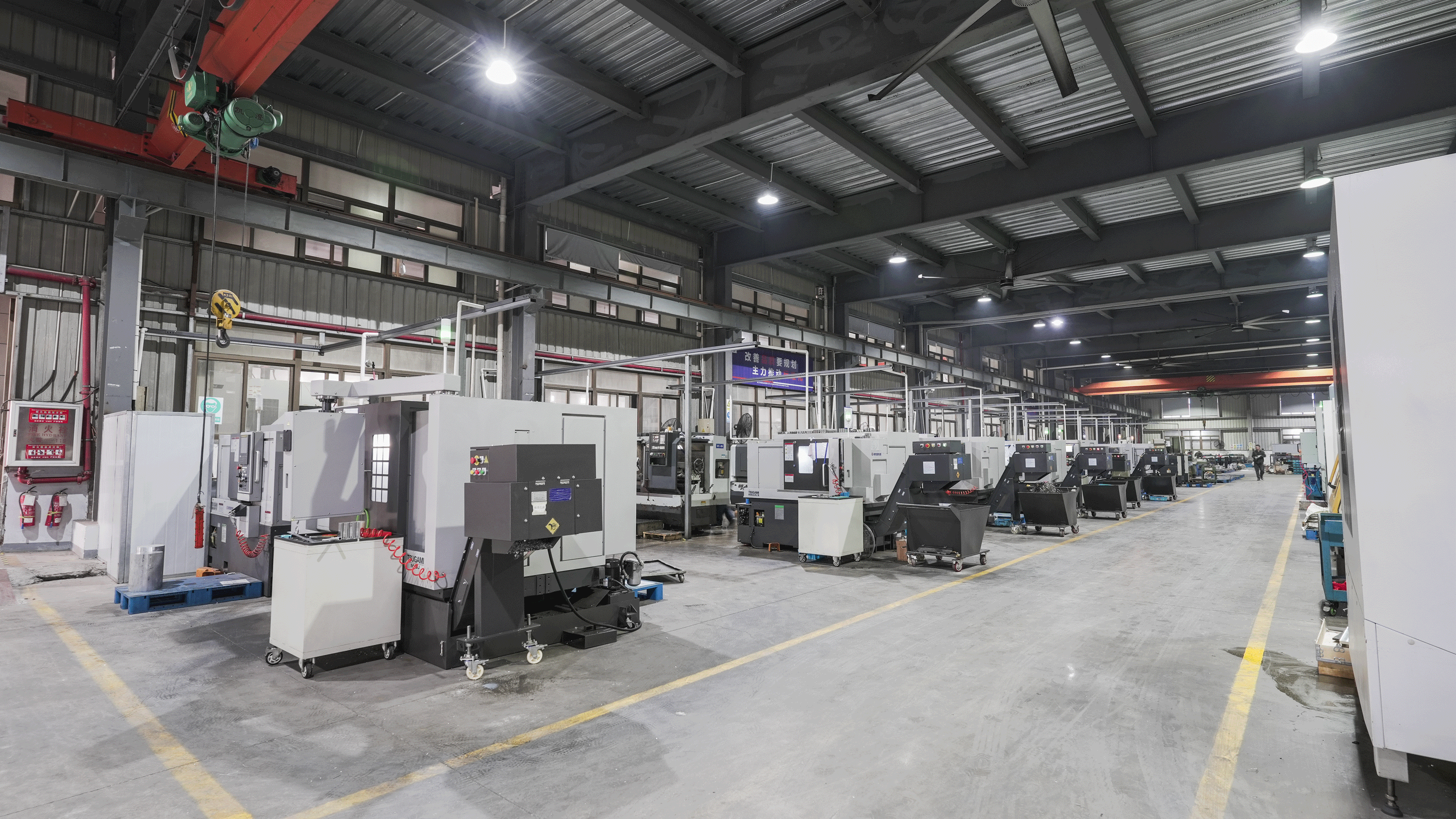
- Machining capability. Look for in-house machining rather than outsourced subassembly. In-house machining centres indicate that critical parts can be toleranced and reworked internally, which directly affects spare-part lead time.
- Sub-assembly and cleaning. Ask how stainless steel and aluminium-alloy structures are prepared, and how product-contact parts are handled. HOPING documents stainless steel and aluminium-alloy construction across its blister and cartoning ranges, with GMP-oriented design on integrated lines.
- Line integration bay. This is the decisive station. Ask to see a blister-cartoner physically linked — not two machines standing near each other. Confirm that the transfer, leaflet handling and carton-opening stations are mechanically interfaced and controlled as one line.
- Electrical and control build. Inspect an open cabinet. Verify the controller and industrial PC against the quotation. Confirm the HMI model and the communication architecture.
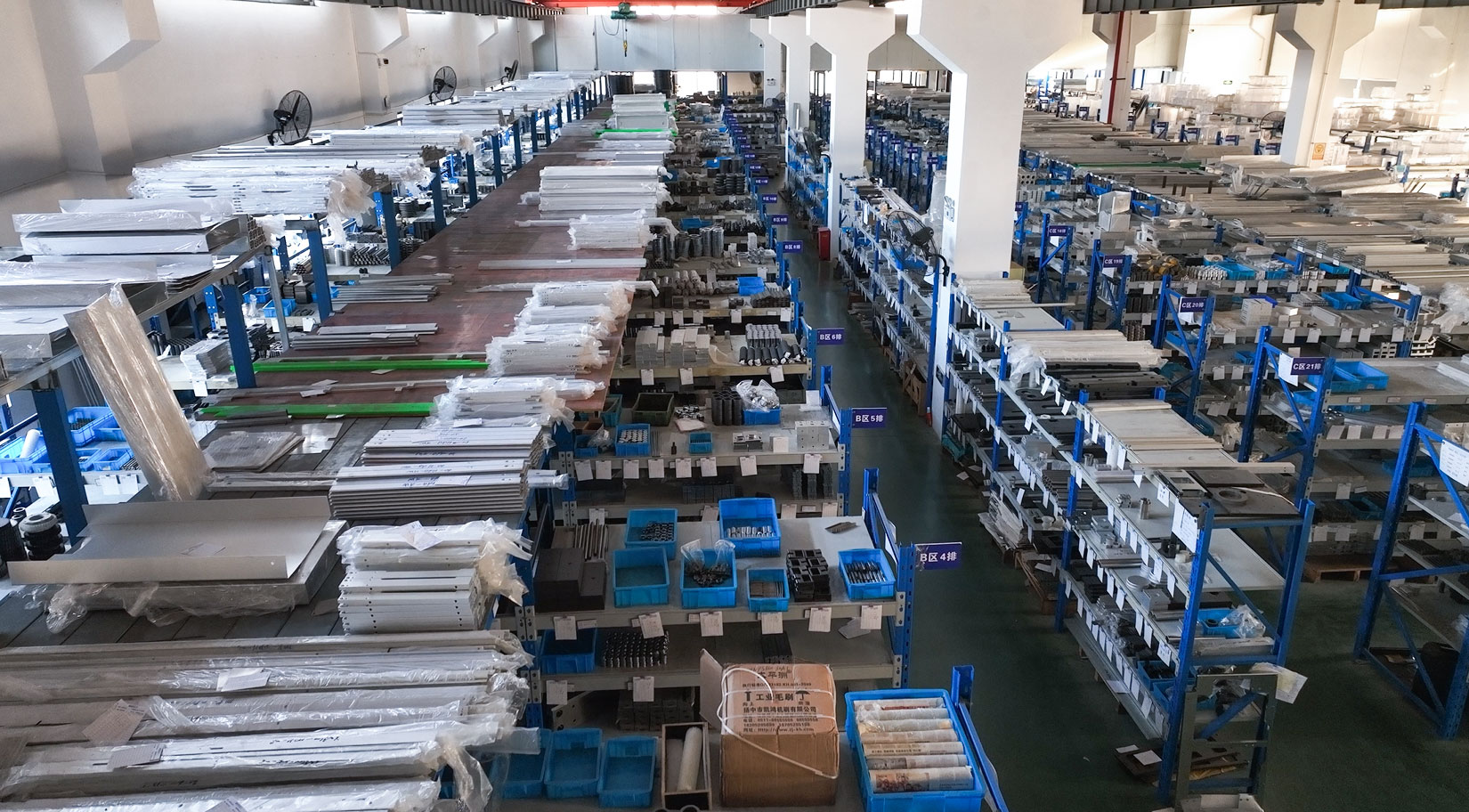
- Documentation room. Ask for the documents you would receive at handover: electrical drawings, pneumatic diagrams, spare-part lists, operation manuals, and the format parts list tied to the technical agreement.
- Witnessed run. Insist on a witnessed run at your own format where possible, with the measurement method agreed in advance.
- Changeover demonstration. Time a blister format change and a carton format change. Preset memory and servo-driven adjustment are only useful if they reduce changeover time in practice.
- After-sales and training. Ask how engineers are deployed, what training is provided, and how spare parts are stocked for the destination market.
Use Cases: Adapting the Audit to Different Projects
The same nine stations are walked differently depending on why the line is being bought.
New solid-dosage line for a mid-size generic manufacturer. The audit concentrates on line balancing. If the buyer's format needs 400 cartons/min, the blister side must be specified with headroom above that figure, and the transfer station becomes the critical inspection point.
Capacity expansion at an existing plant. The audit concentrates on interface compatibility — control platform consistency with existing equipment, and whether real-time production data can be extracted. HOPING documents an ERP/MES data interface as an option within its integrated line scope, depending on project configuration.
Moisture-sensitive or premium products. The audit concentrates on secondary wrapping. Blister-flow-wrap-cartoning lines such as the IXW600 and IXW800 add a flow-wrapping stage between blister and carton, and the reciprocating flow-wrapper becomes a second performance claim to verify independently.
Liquid dosage and injectables. The audit concentrates on handling. The IXW400 liquid dosage blister-cartoner integrated line is documented for pre-filled syringes, ampoules and cartridge-type products at a maximum capacity up to 400 blisters/min and 150 cartons/min, with a D3 top-loading robot and a transparent safety enclosure. Product geometry, not speed, is the dominant risk here.
Downstream automation projects. Where the line must feed bundling, case packing or palletizing, the audit extends past the cartoner. HOPING documents an automatic cartoner production line combining cartoning, stretch banding, case packing and palletizing, with documented capacities of about 60–220 cartons/min, 30–60 bundles/min and about 12 cases/min across its modules.
Comparison Table: HOPING Integrated Blister-Cartoner and Related Lines
The table below summarises documented maximum ratings across the HOPING integrated line portfolio. Every figure is a documented maximum for the stated configuration and is format-dependent; none should be treated as a validated sustained output without an acceptance-test basis.
| Line / model | Configuration type | Documented max blister output | Documented max carton output | Documented control platform | Documented transfer / replenishment |
|---|---|---|---|---|---|
| DHL6004 | Blister-cartoner integrated | Up to 600 blisters/min | Up to 400 cartons/min | Beckhoff controller + CP9315 industrial PC | Servo-driven independent replenishment |
| DHL7004 | Blister-cartoner integrated | Up to 700 blisters/min | Up to 400 cartons/min | Siemens motion controller + TP900 HMI | IRB24 intelligent transfer robot; servo-driven independent replenishment |
| DHL7005H | Blister-cartoner integrated | Up to 700 blisters/min | Up to 500 cartons/min | Siemens motion controller + TP900 HMI | IRB24 intelligent transfer robot; independent replenishment |
| DHL8005H | Blister-cartoner integrated | Up to 800 blisters/min | Up to 500 cartons/min | Beckhoff motion controller + CP9315 industrial PC | D3 top-loading parallel tracking transfer; three-channel servo replenishment |
| DHL1000/5H | Blister-cartoner integrated | Up to 1000 blisters/min | Up to 500 cartons/min | Beckhoff motion controller + high-bus industrial control system | D3 top-loading parallel tracking transfer; four-channel servo replenishment |
| IXW600 | Blister-flow-wrap-cartoner | Up to 600 blisters/min | Up to 300 cartons/min (300 packs/min flow wrap) | Beckhoff controller + CP9315 industrial PC | Rotary reciprocating flow wrapper; servo-driven replenishment |
| IXW800 | Blister-flow-wrap-cartoner, dual-track | Up to 600 blisters/min | Up to 500 cartons/min (600 packs/min flow wrap) | Beckhoff controller + CP9315 industrial PC | D3 top-load robotics and rotary manipulator |
| IXW400 | Liquid dosage blister-cartoner | Up to 400 blisters/min | Up to 150 cartons/min | Siemens controller + CP9315 industrial PC | D3 top-loading robot; servo-driven independent replenishment |
Read the table as an audit map, not a ranking. It tells a buyer which machine to request for a witnessed run, which control platform to expect in the cabinet, and which integration question to ask. A line whose documented rating sits at the buyer's target output with no headroom is a different risk profile from one specified above it.
Frequently Asked Questions
What is a pharmaceutical packaging machine manufacturer responsible for?
A pharmaceutical packaging machine manufacturer designs, machines, assembles and commissions the equipment that forms, seals, cartons and packages solid or liquid dosage products. In practice the responsibility boundary matters more than the job title. HOPING, for example, states that it manufactures blister packaging machines, cartoning machines, case packing machines and end-of-line packaging machines, integrating R&D, production, marketing and service. During an audit, confirm where that boundary actually sits: which modules are built in-house, which are integrated from third-party suppliers, and who owns the line-level performance guarantee.
What documentation should a supplier provide during a factory audit?
At minimum: electrical and pneumatic drawings, a spare-part list, operation manuals, format-part lists tied to the agreed blister and carton specifications, and the acceptance-test protocol. The regulatory backdrop is relevant here. ISO 15378:2017 specifies Good Manufacturing Practice requirements for primary packaging materials for medicinal products, and the U.S. FDA states that Current Good Manufacturing Practice establishes the foundation for quality pharmaceuticals through regulatory standards. Neither document prescribes a specific machine design, but both mean that documentation quality is a legitimate part of supplier qualification rather than an administrative afterthought.
How can a buyer verify Beckhoff controllers and CP9315 industrial PCs on a blister-cartoning line?
Verify them physically. Ask to inspect an open control cabinet on a machine in build, read the model plate on the controller and the industrial PC, and confirm the HMI model alongside them. On the HOPING side, a Beckhoff motion controller and CP9315 industrial PC are documented on the DHL8005H, DHL6004, IXW600 and IXW800 lines, while the DHL7004 and DHL7005H are documented with a Siemens motion controller and TP900 HMI, and the IXW400 with a Siemens controller and CP9315 industrial PC. Because the platform differs by model, the audit should verify the specific machine being purchased — not the brand's general practice.
What does complete line integration mean for a blister-cartoning line?
Complete integration means blister forming and sealing, product feeding, blister transfer, leaflet handling, carton opening, insertion, closing, coding and inspection are mechanically linked and controlled as one production system — and that the line can forward product to bundling, case packing or palletizing. HOPING documents this scope, including downstream connection, on its integrated blister-cartoner lines. Practically, an auditor should confirm three things: that the transfer station is a designed interface rather than a manual gap, that a single control system coordinates the stations, and that inspection and rejection logic operates across the whole line instead of per machine.
How should a buyer document 800 blisters/min and 500 cartons/min in a validated setting?
By agreeing the basis before the run. HOPING documents the DHL8005H at a maximum capacity of up to 800 blisters/min and 500 cartons/min. To convert that documented maximum into evidence, the buyer should fix the blister format, cavity count, carton size and leaflet format in the technical agreement; agree the continuous run duration and sampling method; define the pass criteria and the treatment of rejects; and record the result in a signed Factory Acceptance Test protocol. Ask the supplier to state explicitly which configuration produced the published figure, because a maximum rating and a validated sustained output answer different questions.
Conclusion: What the Audit File Should Contain
A completed blister-cartoning line factory audit should leave the buyer holding a small, boring, extremely valuable file: photographs of the machining and assembly areas, a control cabinet record showing the actual controller and industrial PC, a signed acceptance-test protocol referencing the buyer's own blister and carton format, a format-change timing record, a spare-part and documentation list, and a written statement of which line capacity figure applies to which configuration.
That file is what makes supplier comparison possible. HOPING states a 28,800 square metre manufacturing facility, approximately 300 staff, a 56-engineer R&D team, an annual production capacity of 500 units, an export share of 25% of total sales, and major markets in Southeast Asia, the Middle East, Eastern Europe, South America and Africa, supported by 26 invention patents, 70 utility patents, 4 appearance patents, 10 PCT-protected patents and 28 software copyrights. Those are company facts. The audit is how a buyer converts them into project-specific confidence — or discovers where the specifics do not yet hold.
Next Step: Request the Evidence Pack
If you are preparing a factory audit or an RFQ for an integrated blister-cartoning line, the fastest way to shorten the process is to ask for the documents first. HOPING can supply the product catalogue, line configuration options and the technical parameters behind the documented capacities so that your audit checklist is built around your own blister format, carton size and target output.
Website: www.hopingcn.com
Catalogue download: Hoping Machinery Catalog (PDF)
Contact: Monica — monica@xwbj.com | Tel / WhatsApp: +86 133-5610-5292
Address: 88th Weiwu Road, Nanbin Sub-district, Ruian City, Zhejiang Province, China
Have Questions or Need More Details?
Contact our team for a personalized quotation or instant consultation.
Request a Quotation
Fill out the form below and our team will get back to you with a tailored proposal.
WhatsApp Direct Chat
Prefer to chat in real-time? Message us on WhatsApp for instant assistance & quick answers.
- Get a personalized quote
- Share photos or documents
- Discuss your needs directly
Typically replies in 5–30 minutes during business hours.