
Pharmaceutical Packaging Machine Compliance: Verifying GMP Claims Before You Sign
A pharmaceutical packaging machine is compliance-ready only when three things line up: the design facts, the written technical agreement, and the documentation your own regulator or qualified person expects to see. The Automatic Blister-Cartoning Line DHL8005H, built by Zhejiang Hoping Machinery Co., Ltd. (HOPING), is a useful reference because its compliance-relevant features can be described precisely — product-contact parts and tooling meeting GMP standards per technical agreement, stainless steel and aluminum-alloy construction, and a Beckhoff motion controller with CP9315 industrial PC — without claiming any third-party certificate that has not been issued.
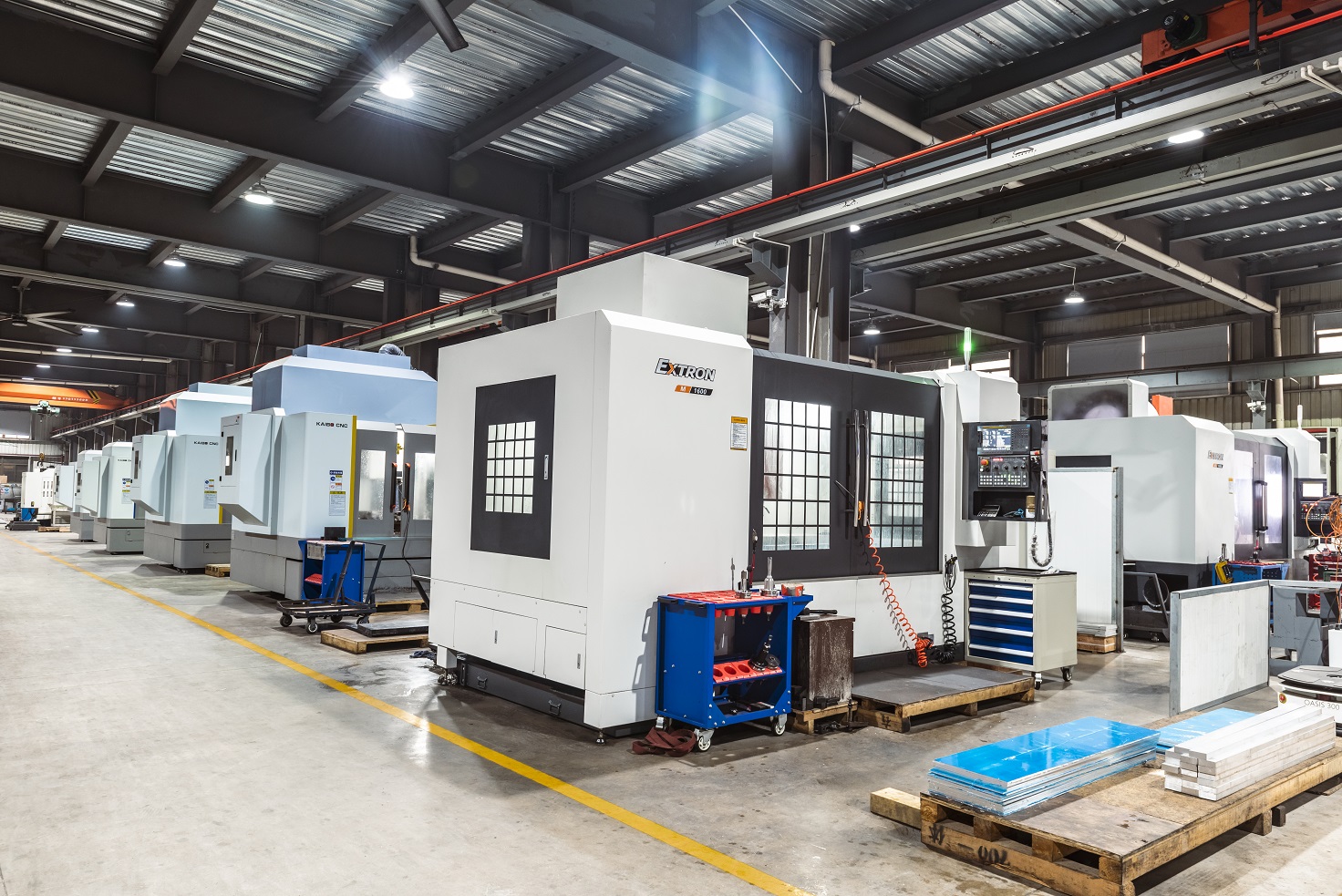
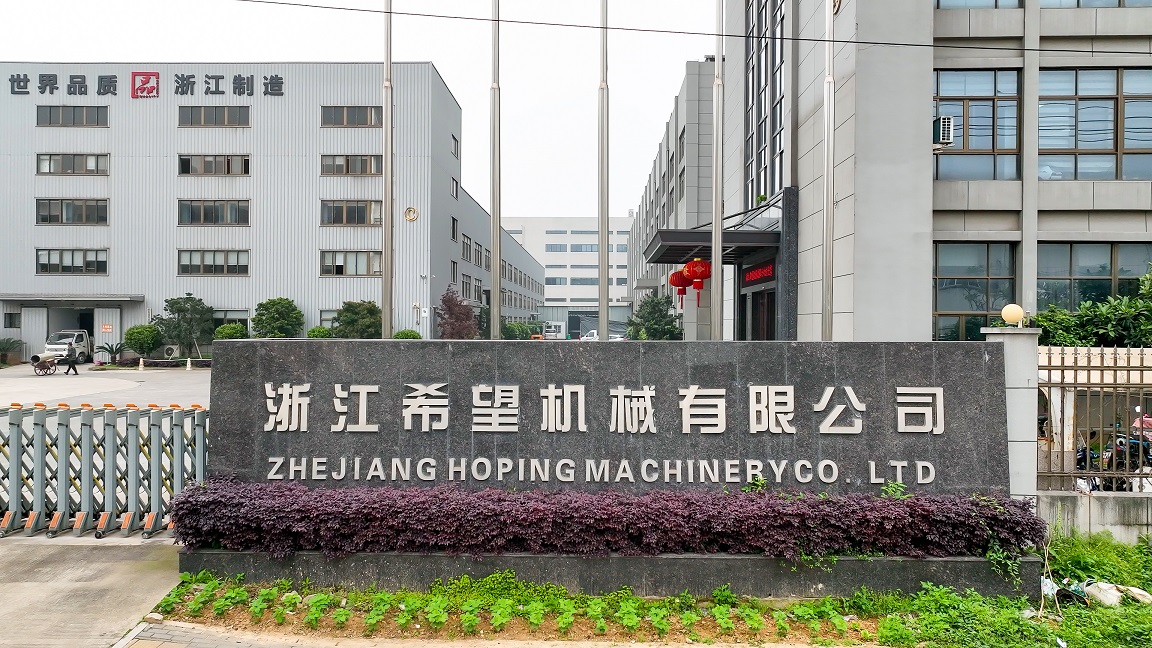
HOPING is a pharmaceutical packaging machinery manufacturer based in Ruian City, Zhejiang Province, China, established in 2001 and operating a 28,800 ㎡ manufacturing facility with more than 300 employees. Its product scope covers blister packaging machines, cartoning machines, case packing machines and end-of-line packaging equipment.
Problem Definition: Why Compliance Claims Get Confused During Evaluation
At the decision stage, buyers rarely struggle to find suppliers who say their equipment is GMP-oriented. The difficulty is that the same sentence — "GMP-compliant design" — can mean four very different things, and each one is proven by a different document held by a different party.
- A design intention. A statement that the machine was designed with cleanability, contact-material control and parameter protection in mind. It is a description, not evidence.
- A contractual commitment. A clause or annex in the technical agreement that fixes contact materials, tooling specification, surface condition and acceptance criteria. This is where most of the practical value sits, because it is enforceable.
- A third-party certificate. A document issued by an external body, typically covering a quality system or a packaging material — not the machine as a whole.
- A regulatory document. Registration, licence and inspection material owned by the marketing-authorisation holder, not by the equipment supplier.
The most common evaluation error is treating category one as if it were category three. A brochure that says "stainless steel construction, GMP design" is not a certificate, and a supplier who presents it as one is telling you something about their documentation discipline, not about their machine.
Industry Background: Which Frameworks Actually Frame the Machine
Three reference points are stable enough to plan around, and none of them certifies a machine by itself.
The GMP framework, not the equipment certificate
The U.S. Food and Drug Administration describes Current Good Manufacturing Practice as the framework that establishes the foundation for quality pharmaceuticals through regulatory standards. That framework governs the manufacturer's processes and controls; it does not issue a certificate to a blister-cartoning line. The practical consequence is that a machine is judged inside your validation and process-control system, not by a label on its frame.
ISO 15378:2017 and what it covers
ISO 15378:2017 specifies Good Manufacturing Practice requirements for primary packaging materials for medicinal products. This matters when you evaluate blister forming film, aluminium foil and printed cartons, and when you ask whether a supplier's contact surfaces can be reconciled with the material specifications your packaging-material supplier works to. It is a materials standard, not a machine certification, and it should be cited accordingly in supplier documentation.
Regional rules are still moving
In China, a GMP guidance for pharmaceutical packaging materials has been reported at draft, public-consultation stage, and it points toward formal supplier review obligations for marketing-licence holders. Draft status matters: the requirements, numbering and effective date must be confirmed against the issuing authority before any purchasing decision is justified by them. For the EU, UK and other markets, this article deliberately does not assert specific equipment requirements, because the applicable texts were not part of the verified evidence used here. Your regulatory affairs team or notified body should supply that layer.
Commercial context reinforces why the documentation question is worth this effort. The global blister packaging machine pharmaceutical market was valued at USD 2.57 billion in 2025, and Asia-Pacific is reported as the fastest-growing region for pharmaceutical blister packaging with an 8.87% CAGR to 2031. A growing installed base means more equipment chasing the same limited pool of experienced validation and qualification reviewers — which is exactly why documentation quality becomes a selection criterion rather than an afterthought.
Detailed Solution: Turning DHL8005H Design Facts Into Documentation Requests
The reference model is useful precisely because each of its compliance-relevant features can be translated into a specific, checkable request. Nothing below should be read as an assertion of a certificate HOPING holds; it is a translation of design facts into the questions a buyer should put in writing.
1. Product-contact parts and tooling: "meeting GMP standards per technical agreement"
This phrasing is deliberately bounded, and buyers should respect the boundary. It states that the contact parts and the tooling are specified to meet GMP standards as defined in the project technical agreement — meaning the standard is realised in a document you help write, covering forming and sealing tooling, punch and die sets, product-contact surfaces, cleaning accessibility and the lubrication regime.
What it does not do is substitute for a certificate, and what it does do is give you leverage. The technical agreement is where a claim becomes enforceable: if the annex lists the contact material for each station and the surface condition required, a deviation during acceptance testing is a contractual issue, not an argument.
Requests to put in writing: the contact-part schedule with material designation per station; the tooling list tied to your blister format and carton format; cleaning and access provisions around the forming, sealing and punching zones; the lubrication policy for any point near product contact; and the change-control clause that governs any later substitution of a contact material.
2. Stainless steel and aluminum-alloy construction
The construction statement is a design fact with a clear compliance purpose. Stainless steel supports cleanability and corrosion resistance on surfaces that face product, dust and cleaning agents; aluminum alloy is used where lower mass and machinability matter, particularly in moving structures and tooling carriers.
It is important not to over-read the statement. "Stainless steel" is a family, not a grade, and this guide does not assert specific grades or surface finishes for individual parts, because those belong in the technical agreement. What a buyer can reasonably ask for is the part-by-part classification: which surfaces are product-contact, which are splash-contact, which are structural, and what material and finish is committed for each.
Requests to put in writing: a marked-up general-arrangement drawing distinguishing contact, splash and structural zones; the material and surface-finish specification per zone; fabrication and finishing notes for welds and machined faces; and a statement of which components are supplied as purchased parts rather than machined in-house.
3. Beckhoff motion controller with CP9315 industrial PC
The control architecture carries more compliance weight than buyers usually assign to it. A Beckhoff motion controller paired with a CP9315 industrial PC means centralised motion control and a single industrial computing platform for the line, which in turn makes parameter management, alarm indication and fault records practical rather than theoretical.
That matters because most of the control-related compliance conversation is really about data integrity and process control: can parameters be locked, can changes be traced, can faults be retrieved, can batch-relevant events be reconstructed after the fact. The equipment-side building blocks for this are sensor monitoring, missing-product alarms, automatic stop, automatic rejection, key-parameter locking, fault records and mechanical safety protection — all of which are functions a control platform must support rather than features a certificate can grant.
Requests to put in writing: a control architecture description naming the motion controller and industrial PC; a user-access and permission matrix; the parameter-locking and recipe-management approach; the alarm and fault-log structure and its export format; and a written statement of which data-integrity expectations the system does and does not address.
Step-by-Step Breakdown: A Documentation-Led Compliance Review
The sequence below is designed for the decision stage, when two or three shortlisted suppliers are being compared and the difference between them is increasingly documentary rather than mechanical.
Step 1 — Fix the packaging brief before discussing compliance
Define the dosage form, blister format, carton format, target sustained output and the markets where the product will be sold. Every compliance question downstream is conditional on these inputs; a supplier cannot specify contact parts or tooling meaningfully without them.
Step 2 — Classify every compliance sentence in the proposal
Go through the quotation and technical offer line by line and label each statement as design intention, contractual commitment, third-party certificate or regulatory document. Statements that cannot be classified should be rewritten before signature.
Step 3 — Anchor the technical agreement
Move every claim you intend to rely on into the agreement annexes: contact-material schedule, tooling specification, surface-finish requirements, control-system functions, acceptance criteria and change control. A claim that stays in the brochure stays unenforceable.
Step 4 — Interrogate the control architecture
Ask how parameters are locked, how alarms and faults are recorded, who can change a recipe, and what data can be exported. On a Beckhoff-based platform with a CP9315 industrial PC, these are configuration and documentation questions — which means they should have clear answers rather than general assurances.
Step 5 — Build the documentation request list
Submit one consolidated list rather than discovering gaps during installation. A workable baseline:
- Contact-part schedule with material designation and surface finish per station
- Tooling drawings for your blister and carton formats
- General-arrangement drawing marking contact, splash and structural zones
- Control architecture description, including motion controller and industrial PC
- User-access matrix and parameter-locking description
- Alarm and fault-log structure with export format
- Cleaning and lubrication policy for product-contact areas
- FAT protocol with acceptance criteria agreed in advance
- Spare-parts list with recommended preventive-maintenance intervals
- Change-control procedure covering contact materials and control software
Step 6 — Test with your own materials, and witness it
Compliance claims collapse fastest at the material interface. Confirm samples and packaging materials at the early project stage, and require no-load and material tests before shipment. Customer witness acceptance can be arranged for key projects, which converts the documentation package into observed performance.
Step 7 — Plan the handover as part of compliance
Installation, commissioning, SOP training, spare-parts management, preventive maintenance and remote technical support are the mechanisms that keep a validated state from decaying. Write them into the contract with named responsibilities, and treat operator training records as part of your own GMP documentation rather than as a supplier courtesy.
Use Cases: Where This Documentation Discipline Pays Off
High-capacity solid dosage workshops reducing manual contact
An integrated blister-cartoning line combines blister packaging, blister transfer, leaflet handling, carton opening, insertion, inspection and rejection, and downstream connection into one automated process. Because there is less manual handling between primary and secondary packaging, the contact-material schedule and the control-system record become the two things an auditor will actually look at — and both are documentable before shipment.
Export projects facing regional review
HOPING reports approximately 25% export share, with markets including Southeast Asia, the Middle East, Eastern Europe, South America and Africa. Buyers in those markets often need to hand a regulator or an internal quality committee a coherent equipment file. The regional-documentation gap is usually not the machine; it is the absent written statement of what the machine does and does not claim.
Multi-format producers planning future SKUs
Where several blister and carton formats share one line, tooling specification and change-control become the compliance-critical documents. A tooling annex tied to specific formats gives a quality team something to approve; a general statement about "GMP tooling" does not.

Comparison Table: Four Kinds of Compliance Evidence
| Evidence type | What it can prove | Who controls it | Verification action |
|---|---|---|---|
| Design claim (brochure, datasheet) | That the supplier describes the machine in a certain way | Supplier marketing | Convert to an agreement clause or discard |
| Technical agreement clause / annex | That specific materials, tooling, surfaces and functions are contractually committed | Buyer and supplier jointly | Review annexes before signature; test against them at FAT |
| Third-party certificate (e.g. ISO 15378:2017 scope) | That a defined scope has been assessed by an external body | Certification body | Check the scope wording — materials versus machine |
| Regulatory / market documentation | That the licence holder's process and equipment meet the applicable GMP framework | Marketing-authorisation holder and regulator | Own it internally; do not source it from the equipment supplier |
Table 1. Separating claim types prevents design intentions from being read as certificates.
Comparison Table: Integrated Line vs Traditional Staged Configuration
Compliance documentation is also easier to control on an integrated architecture, because fewer handover points mean fewer interfaces to specify and audit.
| Decision factor | Integrated blister-cartoning line (DHL8005H reference) | Blister machine + manual transfer + standalone cartoner |
|---|---|---|
| Process scope | Blister packaging, blister transfer, leaflet handling, carton opening, insertion, inspection and rejection, downstream connection in one automated process | Separate stations with manual or semi-manual transfer between them |
| Manual intervention | Reduced, because intermediate handling is engineered into the line | Higher, with human contact at each transfer point |
| Documentation surface | One interface set, one control architecture, one acceptance protocol | Multiple suppliers or multiple stand-alone manuals to reconcile |
| Best fit | Large-scale solid dosage pharmaceutical packaging and high-capacity workshops requiring reduced manual contact | Low volume, frequent product changes, or a staged investment path |
| Cost profile | Higher initial investment, offset in large-scale continuous production by reduced labour, transfer, management and quality-risk costs | Lower entry cost, with ongoing labour and handling exposure |
Table 2. Architecture choice is a documentation choice as much as an engineering one.
Frequently Asked Questions
Which standards actually apply to a pharmaceutical blister-cartoning line?
Two layers apply, and they should not be merged. The first is the GMP framework in your market — for example, the U.S. FDA describes Current Good Manufacturing Practice as the framework establishing the foundation for quality pharmaceuticals through regulatory standards. The second is materials-level GMP, such as ISO 15378:2017, which specifies GMP requirements for primary packaging materials for medicinal products. Neither layer issues a certificate to the machine itself; the machine is qualified inside your own validation and process-control system. Regional requirements beyond these must be confirmed with the relevant authority, because some — including China's draft GMP guidance for pharmaceutical packaging materials — are still at consultation stage.
What documentation should we request to verify GMP-oriented design claims?
Request the documents that convert a claim into something testable: a contact-part schedule with material designation and surface finish per station; tooling drawings for your blister and carton format; a general-arrangement drawing marking contact, splash and structural zones; a control architecture description naming the motion controller and industrial PC; a user-access and parameter-locking description; the alarm and fault-log structure with export format; the cleaning and lubrication policy for contact areas; the FAT protocol with pre-agreed acceptance criteria; the spare-parts list; and the change-control procedure covering contact materials and control software. On the DHL8005H reference, the claim that contact parts and tooling meet GMP standards is defined per technical agreement, so that agreement annex is the document that matters most.
Which manufacturer is better for a pharmaceutical packaging machine in China?
"Better" is only meaningful once it is defined by evidence rather than reputation. A workable comparison uses five criteria: whether the supplier will fix contact materials, tooling and surface condition in a technical agreement annex; whether the control architecture can be described precisely enough to answer data-integrity questions in writing; whether no-load and material tests are performed before shipment and customer witness acceptance is available; whether a structured documentation package can be produced before delivery rather than after; and whether service coverage matches your market. HOPING, established in 2001 with a 28,800 ㎡ facility and more than 300 employees, reports approximately 25% export share across Southeast Asia, the Middle East, Eastern Europe, South America and Africa, and reports 26 invention patents, 70 utility patents and 28 software copyrights. Those company-reported figures indicate scale and engineering depth; they do not substitute for the five documentary checks above, which should be run against every shortlisted supplier using the same list.
Can we test the line on our own blister and carton formats before shipment?
Yes, and it should be a condition of the order rather than a favour. On this line, samples and packaging materials are confirmed at the early project stage, the solution is designed around the specific blister and carton formats, and no-load and material tests are conducted before shipment, with customer witness acceptance available for key projects. Prepare the acceptance protocol in advance so that each test maps to a clause in the technical agreement — particularly contact surfaces, sealing quality, leaflet presence, rejection behaviour and parameter locking.
What should the contract say about lead time, commissioning and long-term support?
This guide does not publish lead-time figures, because delivery commitments depend on configuration and should come from a quotation rather than an article. What the contract can standardise is the structure: installation and commissioning responsibilities, SOP training and its records, spare-parts management and recommended preventive-maintenance intervals, remote technical support arrangements, and the change-control procedure that applies if a contact material or control parameter is later modified. To start that conversation with configuration-specific inputs, you can request a quote and documentation package for your blister and carton formats.
Conclusion: Decide on Documents, Not Adjectives
The compliance question on a pharmaceutical packaging machine is not whether the supplier uses the word GMP. It is whether each compliance statement can be traced to a category — design intention, contractual commitment, third-party certificate or regulatory document — and whether the supporting paperwork exists before the machine leaves the factory.
The DHL8005H reference shows how a supplier can be specific without overclaiming: contact parts and tooling are stated to meet GMP standards per technical agreement, construction is stainless steel and aluminum alloy, and the control platform is a Beckhoff motion controller with a CP9315 industrial PC. Each of those facts is verifiable in a document, and none of them requires inventing a certificate. Apply the same standard to every supplier you shortlist, and the comparison becomes a documentary exercise you can defend to your own quality committee.
Next Step: Request the Documentation Package
Send your blister format, carton format and target market, and HOPING will respond with a configuration-specific proposal, the technical agreement annex for contact materials and tooling, and the acceptance-test outline for your review.
Contact: Monica | Email: monica@xwbj.com | Tel / WhatsApp: +86 133-5610-5292
Address: 88th Weiwu Road, Nanbin Sub-district, Ruian City, Zhejiang Province, China | Website: www.hopingcn.com
Download the full equipment range: Hoping Machinery Catalog (PDF)
Have Questions or Need More Details?
Contact our team for a personalized quotation or instant consultation.
Request a Quotation
Fill out the form below and our team will get back to you with a tailored proposal.
WhatsApp Direct Chat
Prefer to chat in real-time? Message us on WhatsApp for instant assistance & quick answers.
- Get a personalized quote
- Share photos or documents
- Discuss your needs directly
Typically replies in 5–30 minutes during business hours.