
Top Picks: Integrated Blister-Cartoning Lines for High-Volume Generic Drug Production
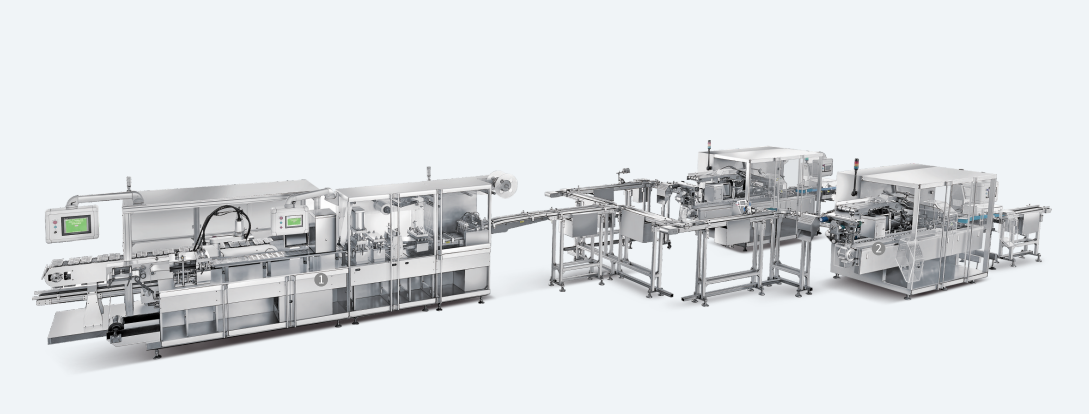
For generic pharmaceutical manufacturers that must hold constant output on tablets, capsules and other solid dosage forms, the strongest documented fit in this ranking is the DHL8005H integrated blister-cartoning line from Zhejiang Hoping Machinery Co., Ltd. (HOPING): a fully servo platform rated to 800 blisters/min and 500 cartons/min, using a D3 intelligent top-loading parallel tracking transfer system, a Beckhoff motion controller with CP9315 industrial PC, three-channel servo-driven independent replenishment, PVC/Alu foil auto splicing, mold-change and preset-memory functions, and a GMP-oriented line design.
This article ranks five integrated blister-cartoning platforms by their fit for high-volume generic solid dosage production, explains the criteria behind the order, and sets out the specifications, acceptance checkpoints and commercial terms a buyer should confirm before signing a turnkey pharmaceutical packaging line contract.
Problem Definition: Where High-Volume Generic Lines Lose Throughput
In generic solid dosage production, unit economics are driven by cartons per shift, not by the peak speed printed on a datasheet. A line that reaches rated speed for ten minutes and then starves is worth less than a line that runs slightly slower without interruption.
Four failure points recur in blister-cartoning integration:
- Manual blister-to-carton transfer. Manual handling between the blister packaging machine and the cartoner introduces labour, damage and human error, and it cannot keep pace with a servo-driven primary pack.
- Leaflet insertion errors. Missing or wrong leaflets create both compliance exposure and rework. Integrated leaflet handling with coding and inspection is the structural answer.
- Material reel changes. Every stop for a PVC or aluminium foil reel change interrupts forming and sealing; auto splicing addresses this directly.
- Replenishment starvation. If the blister lane cannot be fed continuously, the cartoner idles. Independent, servo-driven replenishment channels are the design countermeasure.
The procurement risk is symmetrical. A buyer who selects on peak speed alone may find that the cartoner ceiling, the blister-to-carton ratio and the rejection rate determine real output once the line is running in a GMP-controlled environment.
Typical project scale. A representative project profile for this equipment class is a large pharmaceutical manufacturer and solid dosage production company building 5 to 10 packaging lines, as new line construction, capacity expansion or an upgrade of existing packaging lines. The stated objectives are to improve packaging automation, reduce manual transfer, improve blister-to-carton connection efficiency, reduce wrong-insertion and missing-leaflet risks, and support downstream automation integration.
Industry Background: A Growing Market Under Tighter Process Control
Market growth. The global blister packaging machine pharmaceutical market was valued at USD 2.57 billion in 2025, and Asia-Pacific is identified as the fastest-growing region for pharmaceutical blister packaging, with an 8.87% CAGR to 2031 (Custom Market Insights, Global Blister Packaging Machine Pharmaceutical Market 2025-2034). In cartoning specifically, horizontal cartoning systems held 70.12% of market share in 2024 (Mordor Intelligence, End Load Cartoning Machine Market report), which supports the horizontal architecture used across the ranked platforms.
Regulatory context. The U.S. FDA states that Current Good Manufacturing Practice (cGMP) establishes the foundation for quality pharmaceuticals through regulatory standards, and it publishes official guidance on production and process controls. ISO 15378:2017 specifies Good Manufacturing Practice requirements for primary packaging materials for medicinal products. In China, a draft GMP guidance for pharmaceutical packaging materials has been reported as under public consultation, with the stated purpose of guiding marketing licence holders in reviewing packaging material suppliers; draft status should be confirmed against the issuing authority before it is treated as a rule.
Digitisation pressure. Trade media reporting PMMI content describes pharmaceutical manufacturers turning toward digitised data collection and integrated solutions to meet regulations and improve visibility. It is a directional signal rather than a measured adoption rate, but it explains why control platforms and data interfaces now sit next to mechanical speeds in line specifications.
For a generic producer the practical translation is simple: specify a line that runs continuously and produces records, not a line that wins a speed comparison.
How This Ranking Was Built
Six criteria were applied to the documented platform specifications, weighted toward continuous operation, because that is what high-volume generic production rewards.
- Verified primary-pack and cartoning output - the published maximum blister rate and maximum carton rate for each platform, treated as a capacity band rather than a guaranteed sustained figure.
- Servo architecture and control platform - full servo drive, and whether the controller and industrial PC are named (Beckhoff motion controller with CP9315 industrial PC, or Siemens motion controller with TP900 HMI).
- Transfer and feeding reliability - D3 intelligent top-loading parallel tracking transfer, or the self-developed IRB24 intelligent transfer robot, plus the number of independent servo-driven replenishment channels.
- Material-handling continuity - PVC/Alu foil auto splicing (and PVC/Cold Alu auto splice on the flow-wrap platforms), which removes reel-change stops.
- GMP orientation and changeability - GMP-oriented line design, stainless steel and aluminium-alloy structure, transparent guarding, and mold change with preset or recipe memory.
- Downstream integration headroom - documented capability to connect to bundling, case packing and palletizing equipment so the line can extend to the end of line.
Ties are broken toward the platform that balances cartoning ceiling, transfer technology and changeover convenience most evenly.
The Top Picks: Five Integrated Blister-Cartoning Platforms, Ranked
1. DHL8005H - Top Pick for Constant High-Volume Solid Dosage
The DHL8005H is documented as an intelligent fully servo high-speed blister-cartoner integrated machine and solid dosage turnkey packing line, with a maximum capacity of up to 800 blisters/min and 500 cartons/min.
- D3 intelligent top-loading parallel tracking transfer system
- Multiple feeding methods, selected according to project requirements
- PVC/Alu foil auto splicing
- Three-channel servo-driven independent replenishment system
- Beckhoff motion controller and CP9315 industrial PC
- Mold-change and preset-memory functions
- GMP-oriented line design; stainless steel and aluminium-alloy structure with transparent guarding; GMP-oriented product-contact parts and tooling according to the technical agreement
Its scope covers high-speed blister forming and sealing, transfer, leaflet handling, carton opening, insertion, coding and inspection, and connection to bundling, case-packing and palletizing equipment.
Why it ranks first: its cartoning ceiling of 500 cartons/min is one of the highest documented in this range, which means the cartoner, not the blister lane, sets the line's practical ceiling for most generic formats. Where a format's blisters-per-carton ratio keeps the cartoner below 500 cartons/min, additional blister speed does not raise line output; uninterrupted transfer, continuous material supply and fast changeover do. The DHL8005H addresses those three points with a parallel tracking transfer system, three servo-driven replenishment channels, auto splicing and preset-memory changeover.
2. DHL1000/5H - Maximum Primary-Pack Output
The DHL1000/5H is the highest-output platform documented in this range: up to 1,000 blisters/min and 500 cartons/min, with a D3 intelligent top-loading parallel tracking transfer system, different feeding methods according to customer requirements, PVC/Alu foil auto splicing, a four-channel servo-driven independent replenishment system, a Beckhoff motion controller and high-bus industrial control system, mold-change and recipe memory functions, and a GMP-oriented design.
Choose it where the primary pack rate must exceed 800 blisters/min - for example where a format carries a high blister count per carton - and a 500 cartons/min cartoning ceiling remains acceptable. The four-channel replenishment system is the visible difference from the DHL8005H.
3. DHL7005H - 500-Carton Throughput on a Siemens Control Platform
Documented at up to 700 blisters/min and 500 cartons/min, the DHL7005H uses a self-developed IRB24 intelligent transfer robot, independent replenishment, a Siemens motion controller with TP900 HMI, full servo drive, mold-change support and an in-line GMP-oriented design, with optional downstream bundling, case packing and palletizing.
It suits projects that standardise on Siemens control, or plants whose maintenance teams already work with Siemens-based equipment.
4. DHL7004 - High-Speed Line with a 400-Carton Ceiling
The DHL7004 is documented at up to 700 blisters/min and 400 cartons/min, with the IRB24 intelligent transfer robot, servo-driven independent replenishment, Siemens motion controller and TP900 HMI, full servo drive, convenient mold change and a GMP-oriented design.
5. DHL6004 - Entry Point into Fully Integrated High-Speed Cartoning
Documented at up to 600 blisters/min and 400 cartons/min, the DHL6004 uses servo-driven independent replenishment, a Beckhoff motion controller with CP9315 industrial PC, high-speed transfer and cartoning linkage, convenient mold change and a GMP-oriented design.
It is the natural step for a producer moving from a manual or semi-automatic blister-to-carton arrangement into a linked line, or for a high-volume SKU set where 400 cartons/min is sufficient.
Alternate Architecture: IXW800 and IXW600 Blister-Flow-Wrap-Cartoner Lines
Where the product requires pillow/flow wrapping before cartoning, the blister-cartoner platforms above are not the right architecture. The IXW800 is documented at up to 600 blisters/min, 600 packs/min and 500 cartons/min, with PVC/Cold Alu auto splice, a rotary reciprocating flow-wrapper, servo-driven independent replenishment, high-speed synchronous linkage, a Beckhoff controller with CP9315 industrial PC, and D3 top-load robotics with a rotary manipulator. The IXW600 is documented at up to 600 blisters/min, 300 packs/min and 300 cartons/min with the same control platform and mold-change support.
Detailed Solution: What the DHL8005H Actually Integrates
Reading the line as five subsystems makes the specification easier to check against a real format.
- Forming and sealing (primary pack): high-speed blister forming and sealing with PVC/Alu foil auto splicing, so reel changes do not stop the line.
- Product feeding and replenishment: multiple feeding methods, supported by a three-channel servo-driven independent replenishment system.
- Transfer: the D3 intelligent top-loading parallel tracking transfer system moves blisters from the primary pack into the cartoning flow.
- Cartoning and leaflets: carton opening, insertion, leaflet handling, coding and inspection are inside the documented line scope.
- Control and changeover: a Beckhoff motion controller with CP9315 industrial PC runs the line, with mold-change and preset-memory functions for repeat formats.
The structural elements are specified as well: stainless steel and aluminium-alloy construction, transparent guarding, and GMP-oriented product-contact parts and tooling manufactured according to the technical agreement. That clause matters at contract stage, because tooling and contact-part definition is where format changes, cleaning requirements and spare-part planning get fixed.
Comparison Table: Documented Platform Specifications
| Rank | Platform | Max blister output | Max carton output | Transfer | Control platform | Independent replenishment |
|---|---|---|---|---|---|---|
| 1 | DHL8005H | 800 blisters/min | 500 cartons/min | D3 intelligent top-loading parallel tracking transfer | Beckhoff motion controller + CP9315 industrial PC | 3-channel, servo-driven |
| 2 | DHL1000/5H | 1,000 blisters/min | 500 cartons/min | D3 intelligent top-loading parallel tracking transfer | Beckhoff motion controller + high-bus industrial control system | 4-channel, servo-driven |
| 3 | DHL7005H | 700 blisters/min | 500 cartons/min | Self-developed IRB24 intelligent transfer robot | Siemens motion controller + TP900 HMI | Independent replenishment |
| 4 | DHL7004 | 700 blisters/min | 400 cartons/min | Self-developed IRB24 intelligent transfer robot | Siemens motion controller + TP900 HMI | Servo-driven independent |
| 5 | DHL6004 | 600 blisters/min | 400 cartons/min | High-speed transfer and cartoning linkage | Beckhoff motion controller + CP9315 industrial PC | Servo-driven independent |
| Alt. | IXW800 (blister-flow-wrap-cartoner) | 600 blisters/min | 500 cartons/min (plus 600 packs/min) | D3 top-load robotics + rotary manipulator | Beckhoff controller + CP9315 industrial PC | Servo-driven independent |
All figures are published maximum capacities for each model. They are not a substitute for sustained output measured on your own format: product type, blisters per carton, pack pattern and rejection rate all determine what the line delivers across a shift.
Step-by-Step Breakdown: From Specification to Running Line
Step 1 - Fix the dosage form and the primary pack format
Confirm the product (tablet, capsule or softgel), the blister format, the materials (PVC, Alu or Alu-Alu), and the number of blisters per carton. The blisters-per-carton ratio links the blister rate to the carton rate, so it decides whether an 800 blisters/min or a 1,000 blisters/min primary pack is meaningful for your SKU.
Step 2 - Size the line to constant output, not peak speed
Ask for line-balance data across the line - blister output, carton output and transfer - and define the format and operating conditions under which the numbers must hold. Treat published maximum rates as a capacity band. This is the step where the DHL8005H's 500 cartons/min ceiling should be compared with your own required cartons per shift.
Step 3 - Specify the control architecture and data interface
Decide between the Beckhoff motion controller with CP9315 industrial PC (DHL8005H, DHL1000/5H, DHL6004, IXW800, IXW600) and the Siemens motion controller with TP900 HMI (DHL7005H, DHL7004). Confirm interface language, data interface requirements, and coding and inspection integration in the technical agreement.
Step 4 - Define the customization scope
HOPING provides ODM, OEM and customizable production services. The documented customization scope covers blister size, blister materials, quantity per carton, carton specification, leaflet format, coding and inspection method, feeding method, downstream bundling, case-packing and palletizing connection, interface language, electrical component brand and data interface. That list is the practical agenda for the technical agreement: every item on it changes tooling, cycle timing or documentation.
Step 5 - Plan the compliance and documentation package
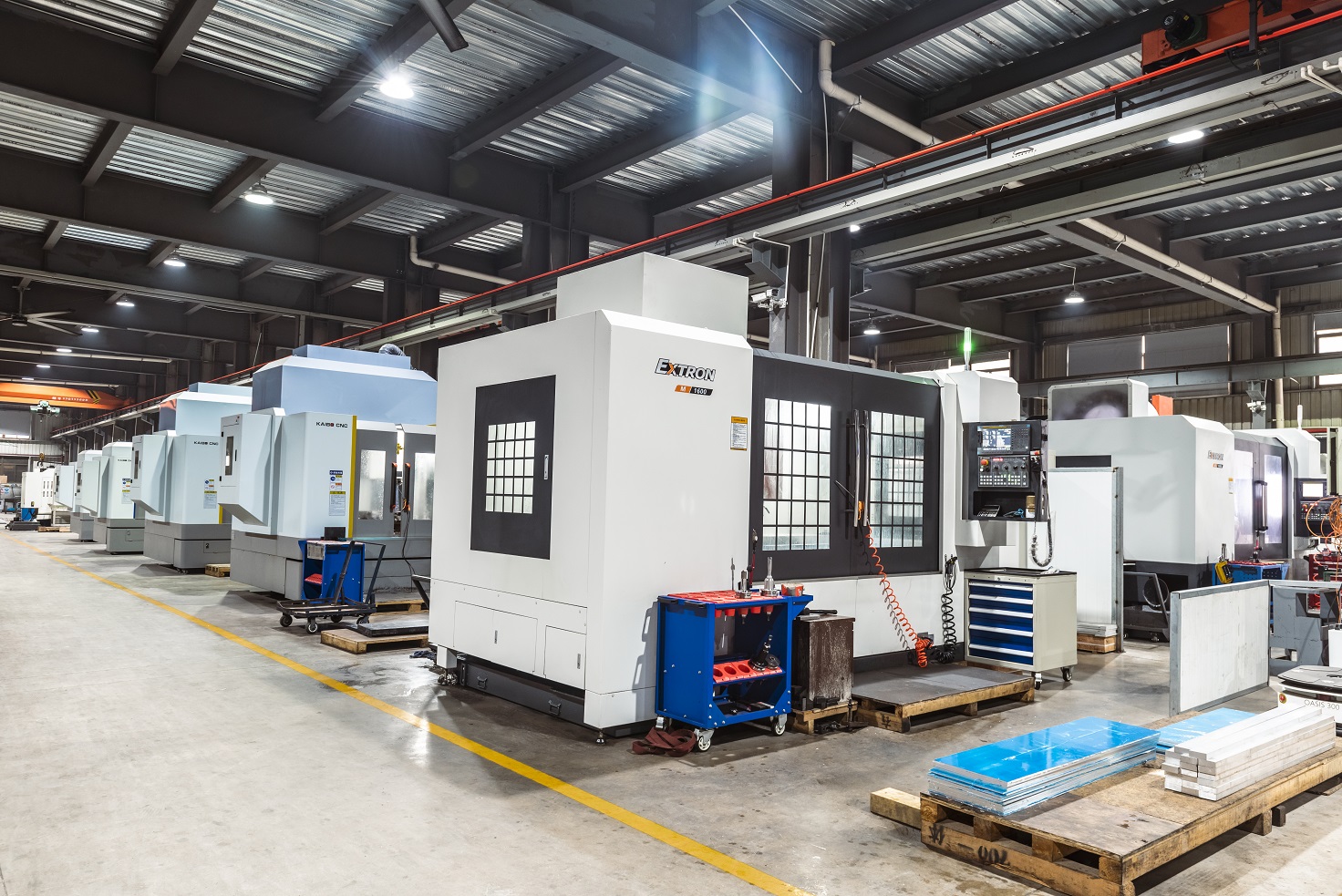
The platforms are described as GMP-oriented, with stainless steel and aluminium-alloy structure, transparent guarding and GMP-oriented contact parts and tooling per technical agreement. Certification evidence for the machine families includes CE certification for the cartoning machine series (certificate HTT190102307L, Shenzhen HTT Technology Co., Ltd., 22 January 2019, to EN 60204-1:2006+A1:2009+AC:2010 and 2006/42/EC), CE certification for the carton packing machine series (certificate UCN 900339024607, Certify International Ltd, 1 April 2007, to EN 415-3:2000 and directives 98/37/EC and 98/79/EC), and CE certification for the blister packing machine series (certificate HTT190102306L, Shenzhen HTT Technology Co., Ltd., 22 January 2019, to Machinery Directive 2006/42/EC and EN 60204-1:2006+A1:2009+AC:2010). Buyers should confirm which certificate covers the exact model and configuration, and which additional documentation their own market requires.
Step 6 - Agree acceptance testing and execution
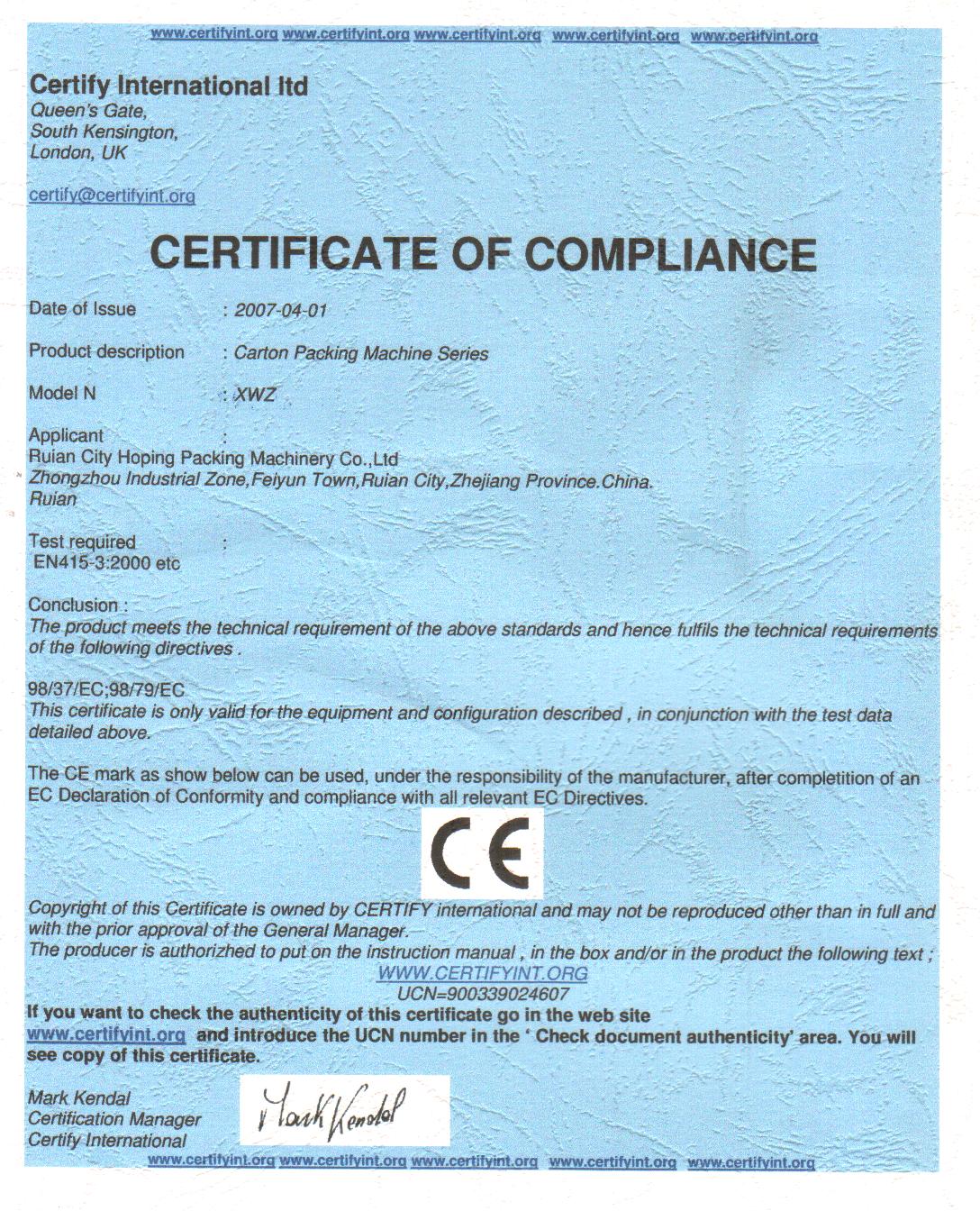
The documented quality-control sequence runs from incoming material inspection and key component inspection, through assembly inspection and electrical safety check, to no-load trial run, material trial, FAT, customer witness acceptance and pre-shipment inspection. After delivery, on-site installation and commissioning, operator training, maintenance training, remote video or phone support, spare parts supply, process-parameter guidance and regular follow-up are provided subject to contract and project configuration.
Use Cases: Matching Platform to Plant Reality
- Continuous multi-shift generic production (tablets, capsules, softgels): DHL8005H - 800 blisters/min, 500 cartons/min, parallel tracking transfer, three-channel replenishment and preset-memory changeover.
- Maximum primary-pack rate with a high blister count per carton: DHL1000/5H - 1,000 blisters/min with a four-channel replenishment system.
- Plants standardised on Siemens control: DHL7005H at 700 blisters/min and 500 cartons/min, or DHL7004 at 700 blisters/min and 400 cartons/min.
- First linked line, or a plant with modest SKU throughput: DHL6004 - 600 blisters/min and 400 cartons/min.
- Moisture-sensitive or market-required pillow packs: IXW800 or IXW600, which link blister packaging, flow wrapping and cartoning in one line.
- Multi-line expansion: the representative project profile for this equipment class is 5 to 10 packaging lines for a solid dosage manufacturer, covering new line construction, capacity expansion or line upgrades.
Commercial Terms to Confirm Before You Sign
- MOQ: 1 set or 1 complete line.
- Delivery terms: EXW Ruian/Wenzhou; FOB Ningbo or Shanghai; CIF/CFR destination port - final terms subject to contract and destination-country requirements.
- Acceptance criteria: technical agreement confirmation, sample testing, FAT before shipment, SAT at the customer site, and third-party inspection where requested.
- Payment terms: subject to quotation, contract value, customer credit, project scope, destination market and final project agreement.
- Lead time: typically 60-120 days after technical confirmation; the final lead time depends on model, configuration, project complexity and contract terms.
- Production capacity: 30-40 units per month.
- After-sales: on-site installation and commissioning, operator and maintenance training, remote support, spare parts supply, process-parameter guidance, regular follow-up and troubleshooting, subject to contract and project configuration.
About the Manufacturer Behind These Platforms
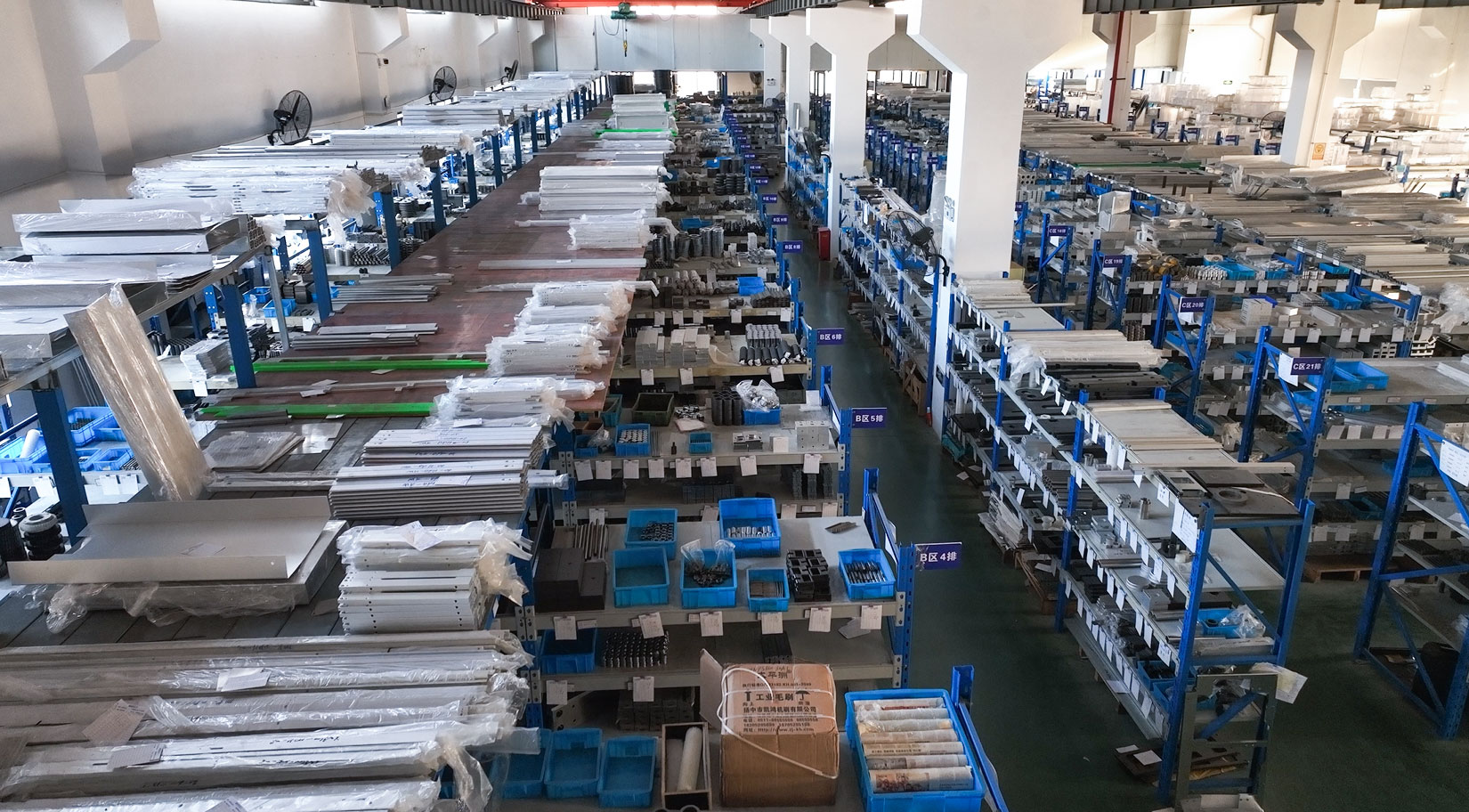
Zhejiang Hoping Machinery Co., Ltd. (HOPING) was established in 2001 and manufactures pharmaceutical packing machinery for the pharmaceutical, food, electronics and cosmetics industries. The company states a 28,800 square metre facility, more than 300 employees and a 56-engineer R&D team, with an annual output of 500 units and an export share of approximately 25%, serving markets that include Southeast Asia, the Middle East, Eastern Europe, South America and Africa. Its product scope covers blister packaging machines, cartoning machines, case packing machines and end-of-line packaging machines, presented as one packaging process from blister packaging through cartoning, inspection and end-of-line automation. The company also reports 26 invention patents, 70 utility patents, 4 appearance patents and 28 software copyrights.
FAQ
Is the DHL8005H blister-cartoning line built for GMP-oriented production?
Yes, it is described with a GMP-oriented line design: stainless steel and aluminium-alloy machine structure, transparent guarding, and servo-driven motion components, with GMP-oriented product-contact parts and tooling configured according to the technical agreement. Certification evidence for the machine families includes CE certification for the blister packing machine series (HTT190102306L, 22 January 2019, Machinery Directive 2006/42/EC; EN 60204-1:2006+A1:2009+AC:2010) and for the cartoning machine series (HTT190102307L, 22 January 2019, EN 60204-1:2006+A1:2009+AC:2010; 2006/42/EC). Because certificate scope is defined per series, buyers should confirm which certificate covers the exact model and configuration, and which documents their target market requires.
Can HOPING supply the line as a blister packaging machine OEM manufacturer?
Yes. HOPING provides ODM, OEM and customizable production services, with a minimum order quantity of 1 set or 1 complete line. The documented customization scope includes blister size, blister materials, quantity per carton, carton specification, leaflet format, coding and inspection method, feeding method, downstream bundling, case-packing and palletizing connection, interface language, electrical component brand and data interface. Monthly production capacity is 30-40 units.
What are the ordering terms?
MOQ is 1 set or 1 complete line. Delivery can be arranged as EXW Ruian/Wenzhou, FOB Ningbo or Shanghai, or CIF/CFR destination port, subject to contract and destination-country requirements. Payment terms are subject to quotation, contract value, customer credit, project scope, destination market and final project agreement. Acceptance criteria cover technical agreement confirmation, sample testing, FAT before shipment, SAT at the customer site, and third-party inspection where required.
How is the line tested before shipment?
The quality-control sequence includes incoming material inspection, key component inspection, assembly inspection, electrical safety check, no-load trial run, material trial, FAT, customer witness acceptance and pre-shipment inspection. A material trial on your own product and packaging materials is the point at which transfer, leaflet insertion and cartoning behaviour are observed before the factory acceptance test.
What is the lead time, and what happens after delivery?
Lead time is typically 60-120 days after technical confirmation; the final figure depends on model, configuration, project complexity and contract terms. After delivery, HOPING provides on-site installation and commissioning, operator training, maintenance training, remote video or phone support, spare parts supply, process-parameter guidance, regular follow-up and troubleshooting, subject to contract and project configuration. To evaluate the DHL8005H against your own format, request a sample trial or quotation and share your blister format, carton specification and target cartons per shift; the full model list is available in the catalog below.
Conclusion: Choose the Ceiling, Then Choose the Speed
For high-volume generic solid dosage production, the ranking above converges on one rule: the cartoner ceiling decides what the line can deliver, and everything else decides whether it keeps delivering. The DHL8005H ranks first because it pairs a 500 cartons/min cartoning ceiling with a fully servo architecture, D3 parallel tracking transfer, three-channel servo-driven replenishment, PVC/Alu auto splicing, preset-memory changeover and a GMP-oriented design - the combination that supports constant throughput rather than a peak figure. Where a format needs a higher primary pack rate, the DHL1000/5H adds blister output and a fourth replenishment channel at the same 500 cartons/min ceiling; where Siemens control or flow wrapping is required, the DHL7005H, DHL7004, IXW600 and IXW800 cover those architectures.
Confirm the format, the blisters-per-carton ratio and the required cartons per shift first. Then compare the platforms against those numbers, and let the acceptance test - not the datasheet - measure the line.
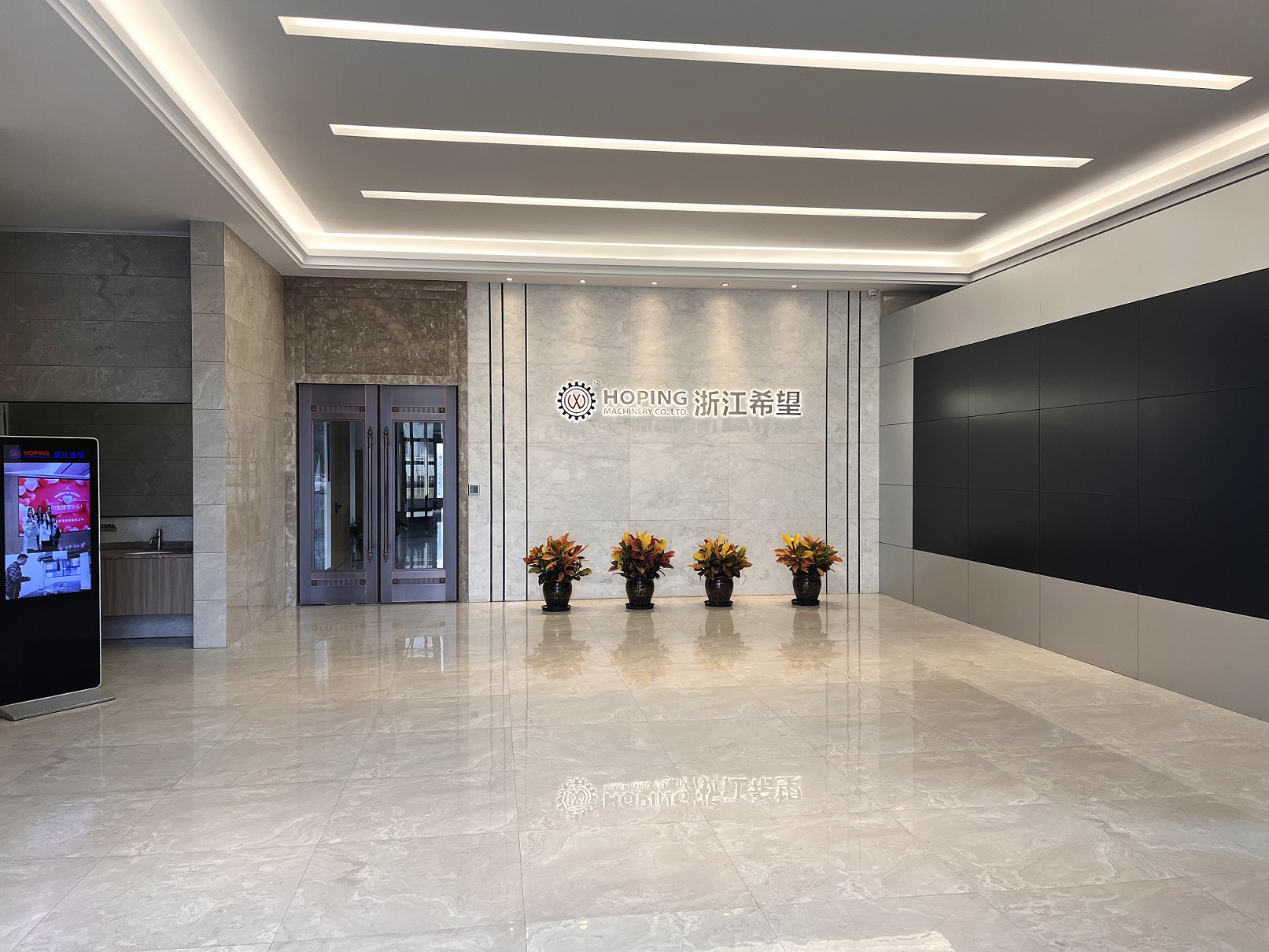
Next step: send your blister format, carton specification and target output to HOPING for a configuration proposal, sample trial plan and quotation - or download the full catalog.
Catalog: Hoping Machinery Catalog (PDF)
Website: www.hopingcn.com
Email: monica@xwbj.com | Tel/WhatsApp: +86 133-5610-5292
Have Questions or Need More Details?
Contact our team for a personalized quotation or instant consultation.
Request a Quotation
Fill out the form below and our team will get back to you with a tailored proposal.
WhatsApp Direct Chat
Prefer to chat in real-time? Message us on WhatsApp for instant assistance & quick answers.
- Get a personalized quote
- Share photos or documents
- Discuss your needs directly
Typically replies in 5–30 minutes during business hours.