
Recommended Blister-Cartoning Lines for Mid-Size Pharma Plants
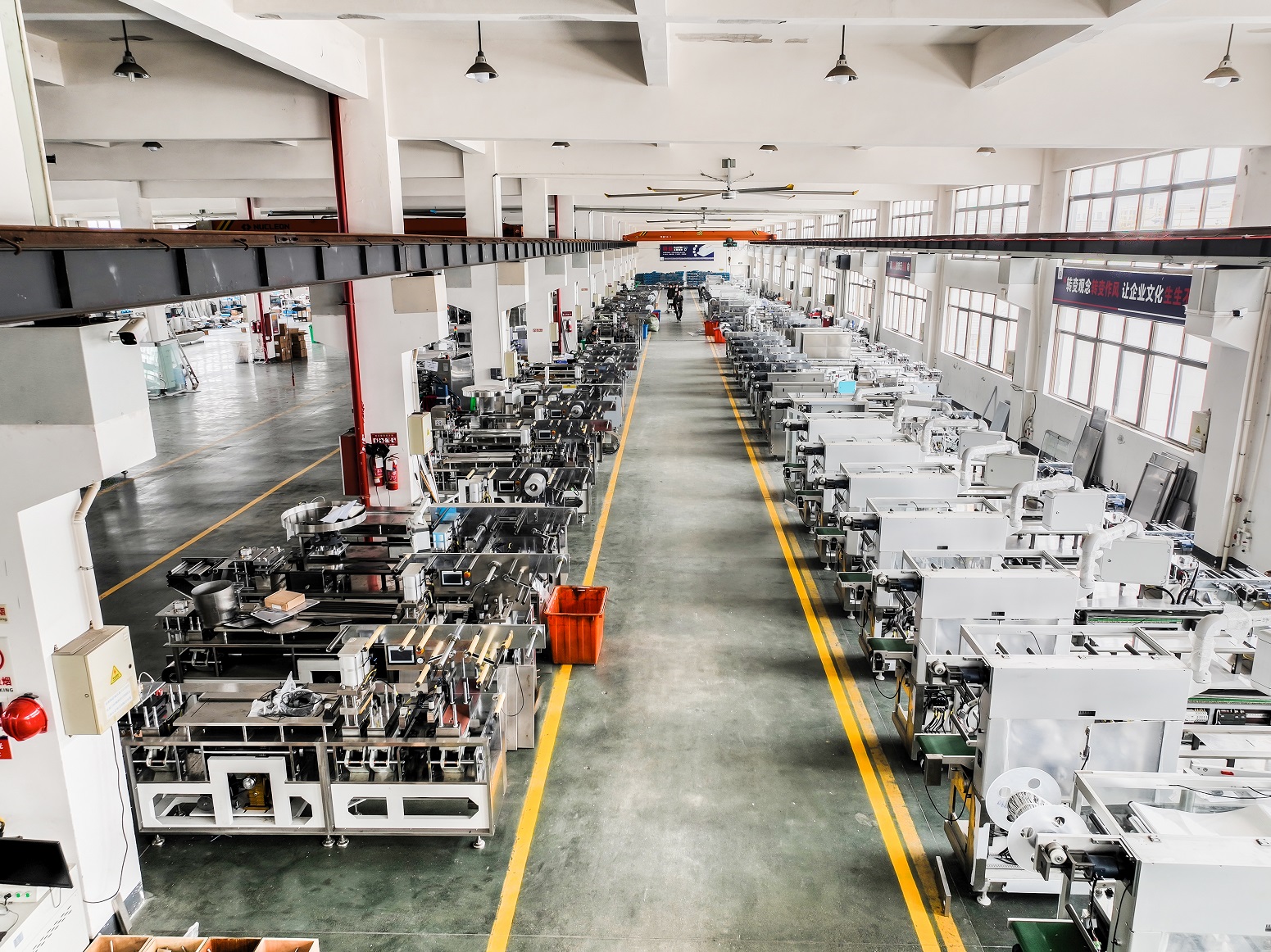
Cover: blister machine workshop floor where integrated blister-cartoning modules are built and pre-tested before shipment.
Direct answer: for a growing pharmaceutical operation, the right integrated blister-cartoning line is not the fastest machine on the datasheet — it is the line that holds commercial output today and can be re-configured as the format list expands. The DHL8005H integrated blister-cartoning line from Zhejiang Hoping Machinery Co., Ltd. is a strong candidate for that brief: it is a single automated platform for solid dosage packaging that combines blister forming, blister transfer, leaflet handling, carton opening, insertion, inspection and rejection, and downstream connection. Hoping publishes an integrated-line output of up to 1000 blisters/min and 500 cartons/min on the representative DHL1000/5H model, with actual output depending on product format, quantity per carton, materials and process conditions — so the configured rate for any specific model must be confirmed against the manufacturer’s specification sheet and validated during factory testing.
Zhejiang Hoping Machinery Co., Ltd. (Hoping) is a Chinese manufacturer of pharmaceutical packaging machinery, founded in 2001, producing blister packaging machines, cartoners, case packers and end-of-line packaging systems, with more than 300 employees and a 28,800 m² manufacturing base. This guide explains how a mid-size solid dosage producer should narrow the choice, which selection criteria actually matter at the Decision stage, and where the DHL8005H fits.
Problem Definition: What Mid-Size Pharma Operations Get Wrong First
The most common procurement error is treating the decision as a speed contest. A plant producing several solid dosage SKUs — tablets, capsules and comparable oral solid forms — does not usually fail because the line is 100 blisters/min short. It fails because the line cannot absorb a new blister format, a new carton size or a new leaflet without weeks of mechanical changeover and re-validation, or because product is still being transferred by hand between stations.
Three packaging architectures are typically on the table, and Hoping positions its integrated line against all three:
- Traditional setup — a blister machine, manual transfer and a standalone cartoner treated as separate process steps.
- Low-speed semi-automatic blister-cartoning — lower entry cost, but throughput and consistency depend heavily on operator intervention.
- Conventional non-full-servo linked line — mechanically linked, with less motion synchronization than a full-servo design.
Each of these pushes manual handling, intermediate storage and quality risk into the middle of the process. The decision framework for a growing operation therefore has three filters, in this order: format flexibility, verified output under real materials, and supplier support over the life of the line. Speed is a consequence of those three, not a substitute for them.
Industry Background: Why Integrated Lines Are Now the Benchmark
The commercial case for integration is visible in the market itself. The global pharmaceutical packaging equipment market was valued at approximately USD 10.71 billion in 2024 (SkyQuest Technology), and the pharmaceutical blister packaging machine market is projected to reach USD 2.57 billion by 2025 with a CAGR of 2.8% (Custom Market Insights). On the secondary side, the global cartoning machinery market in the pharmaceutical sector was valued at USD 1.46 billion in 2024 (Fortune Business Insights).
Two structural facts make supplier evaluation matter more than brand familiarity. First, Asia Pacific held the largest revenue share of 40.7% in the pharmaceutical packaging equipment market in 2025 (Grand View Research), which is why Chinese-built lines are now a normal part of European, Middle Eastern, Southeast Asian, Eastern European, South American and African procurement shortlists. Second, the market is not dominated by a handful of vendors: the top three players (Uhlmann, IMA, Marchesini) collectively hold approximately 29% of the pharmaceutical blister packaging machine market (Market Intelligence Report), which means the large majority of installed lines come from many smaller, specialist builders. For a mid-size buyer, the practical question is not “who is the biggest” but “who can configure, document, test and support this specific line.”
Regulation shapes the second half of the picture. Pharmaceutical packaging machines must comply with ISO 15378, which integrates GMP requirements for primary packaging materials (ISO), and EU-market installations are governed by the Machinery Directive 2006/42/EC together with the EN 415 series for packaging machines (CEN). A “GMP-oriented build” is therefore not a marketing label; it is a documentation, material and design discipline that a buyer can audit.
Detailed Solution: The Recommended Configuration for a Growing Operation
The configuration that answers the problem definition above is an integrated blister-cartoning line in which blister packaging, blister transfer, leaflet handling, carton opening, insertion, inspection and rejection, and downstream connection are combined into one automated process. Compared with a traditional blister machine plus manual transfer plus standalone cartoner, that integration reduces manual intervention and removes the intermediate handling steps where product is most exposed.
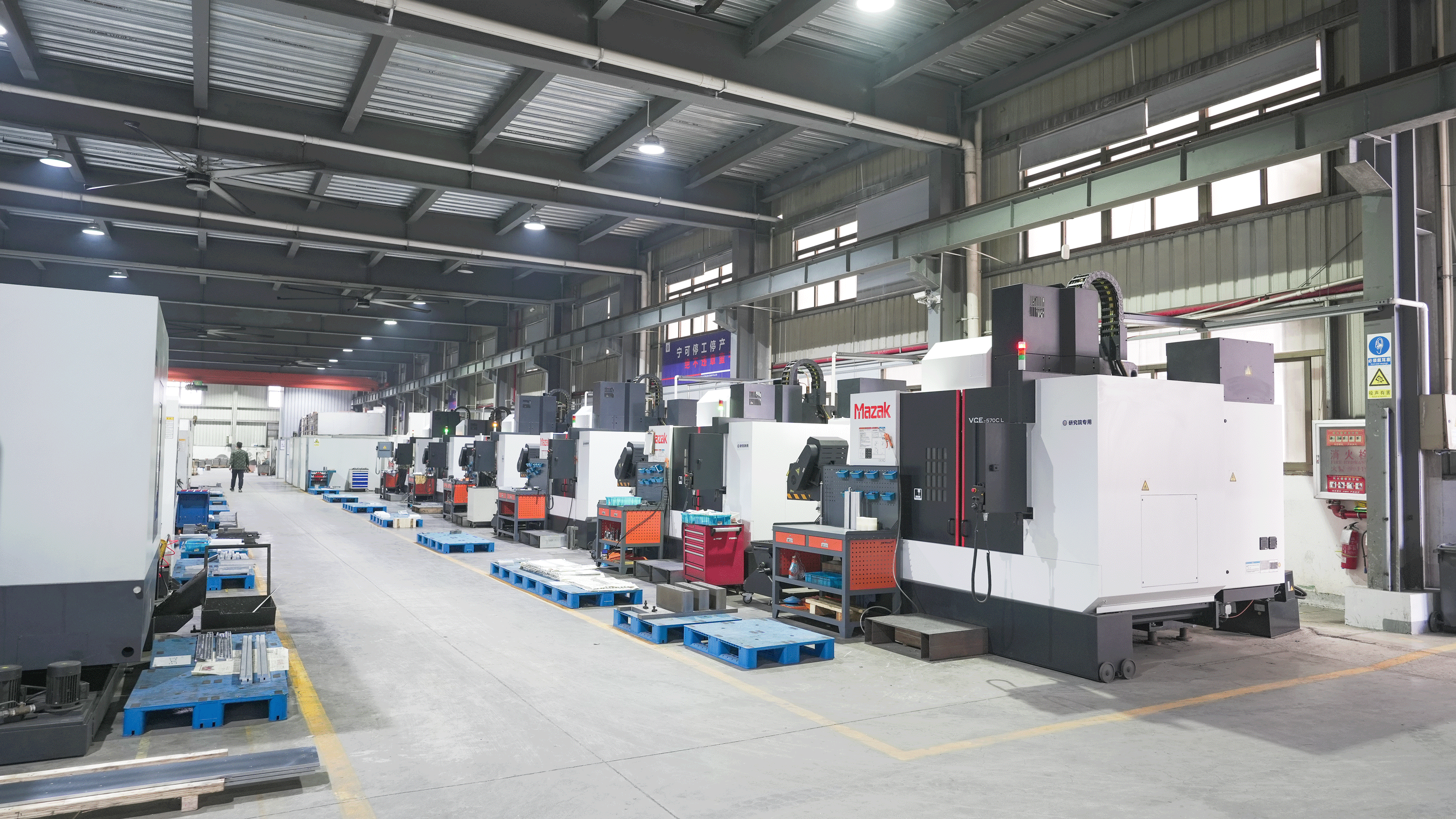
Line modules are machined in-house before assembly — relevant when a buyer needs a customized transfer or carton-opening station rather than a catalogue standard.
Why the DHL8005H Is the First Candidate to Evaluate
The DHL8005H is Hoping’s integrated blister-cartoning platform aimed at solid dosage producers that need high output with configuration flexibility rather than a fixed, single-format machine. It is designed for operation under GMP-oriented production conditions, in a line family whose published performance reference is up to 1000 blisters/min and 500 cartons/min on the representative DHL1000/5H model.
Two cautions belong in the same paragraph as the recommendation, because they are what separates a shortlist from a mistake:
- Confirm the rate for your configuration, not the family rate. Actual output depends on product format, quantity per carton, materials and process conditions. Ask the supplier to state the expected rate for your blister format and carton count, then verify it in a material test.
- Confirm the compliance paper trail. Hoping holds CE and ISO 9001/14001 certifications, and pharmaceutical packaging for primary packaging materials is framed by ISO 15378. For EU destinations, confirm how Machinery Directive 2006/42/EC and the EN 415 series are addressed in the technical file.
What Customization Flexibility Should Mean in Practice
Flexibility is only real when it is written into the specification. On an integrated line, the practical dimensions of flexibility are: blister and carton format changeover, the quantity per carton the machine must handle, the leaflet-handling configuration, the inspection and rejection logic, and the point at which the line connects to downstream equipment. Because Hoping also builds cartoners, case packers and end-of-line packaging machines, the secondary packaging line and case packing stage can be specified as part of the same project scope rather than integrated later by a third party.
Limits to Accept Before You Commit
An integrated line is not the lowest-cost entry point. Initial investment is usually higher than standalone or semi-automatic equipment. The economic return is concentrated in large-scale continuous production, where the line helps reduce labor, transfer, management and quality-risk costs. Buyers should also plan for the operating discipline it requires: centralized control, modular stations, alarm indication and parameter management support routine maintenance, but operator training, spare-parts management and preventive maintenance remain important. Energy consumption should be measured on site based on actual output, running hours and configuration rather than assumed from a datasheet.
Step-by-Step: How to Specify and Validate the Line
- Define the format list, not a single product. List every blister format, carton size and quantity per carton the plant expects to run over the next three to five years, including the SKU that will be launched next. This list, not the headline speed, determines the machine architecture.
- Confirm samples and packaging materials at the early project stage. Blister film, lidding foil and carton board behave differently on different machines. Send real materials early, because material behavior — not machine geometry — is usually what limits output.
- Match the line rate to your actual constraint. Ask the supplier to state the expected output for your format, quantity per carton, materials and process conditions, and to explain which station becomes the bottleneck as formats change.
- Check compliance and documentation. Verify how ISO 15378, the Machinery Directive 2006/42/EC and the EN 415 series are addressed, and confirm the manufacturer’s own certifications.
- Specify the monitoring and rejection logic in writing. The relevant risk list is well known in this category: poor blister forming or sealing, missing, wrong or incomplete product feeding, missing leaflet, carton jam, coding or date-printing errors, foreign matter risk, and downtime during high-speed operation. The corresponding control methods are sensor monitoring, vision or checkweighing inspection where configured, missing-product alarm, automatic stop, automatic rejection, key-parameter locking, fault records and mechanical safety protection.
- Test before shipment. Hoping designs the solution according to blister and carton formats and conducts no-load and material tests before shipment; customer witness acceptance can be arranged for key projects. Plan FAT and SAT acceptance so that performance is proven against your materials, not against the supplier’s.
- Plan installation, training and maintenance from day one. Installation, commissioning, training, spare parts and remote technical support are part of the project, and the operating procedures should be written before handover, not after the first unplanned stop.
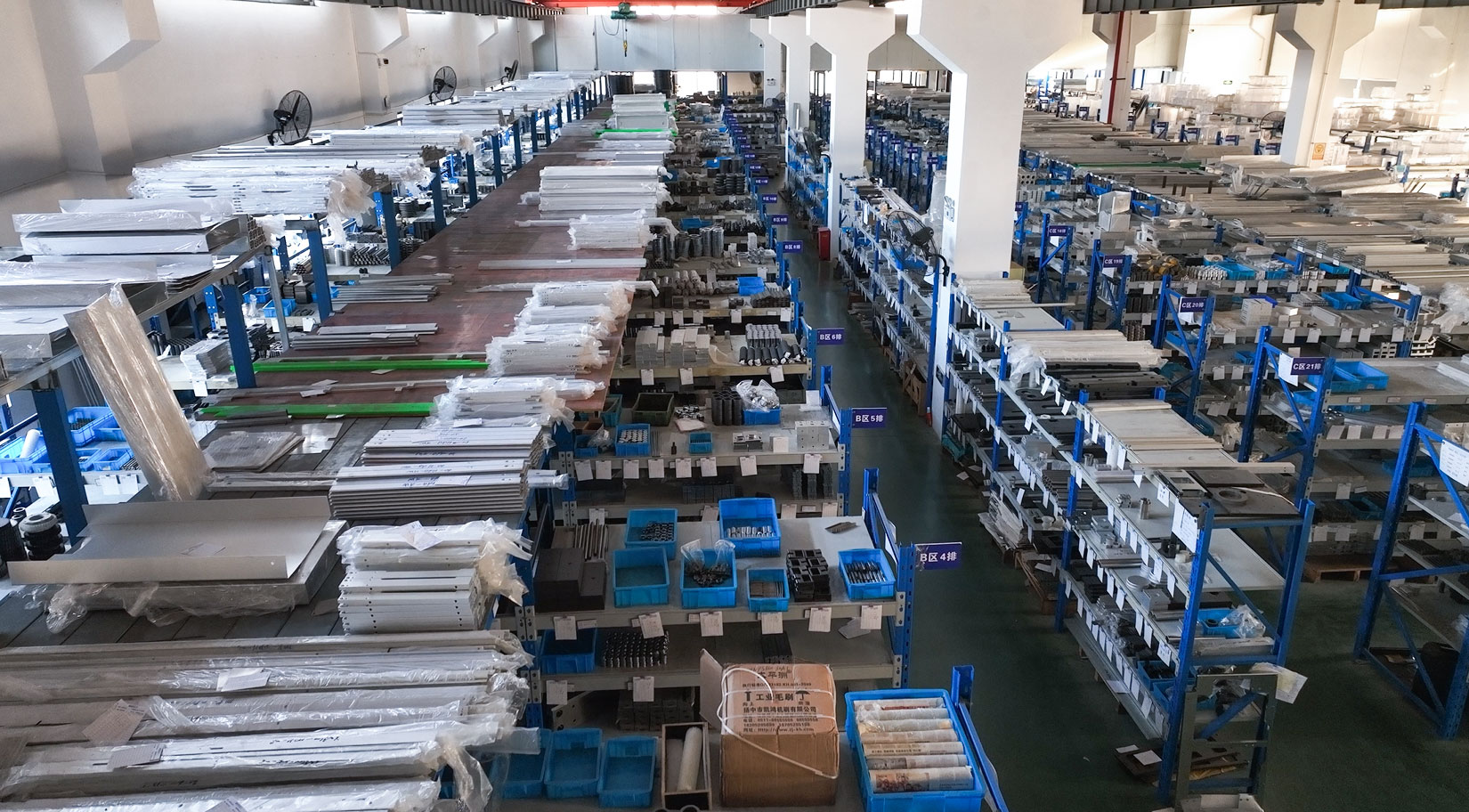
Downstream connection matters as much as blister output: the line has to hand product cleanly to case packing and end-of-line stages.
Use Cases: Where an Integrated Blister-Cartoning Line Fits
The line is best suited to large-scale solid dosage pharmaceutical packaging, high-capacity workshops, and production that requires reduced manual contact — including multi-format lines that must run stably across several SKUs rather than one fixed product. A mid-size plant buying its first integrated line typically fits this profile at the point where manual transfer between blister and cartoning becomes the throughput limit or a quality-risk concern.
It is a poorer fit for very small, highly intermittent batches where operators can absorb the handling steps and where a lower initial investment matters more than labor, transfer and quality-risk costs. That is a commercial judgment, not a technical limitation — and it should be made honestly, because over-specifying a line for occasional production consumes capital without returning the integration benefit.
Comparison Table: Integrated Line vs Traditional Configurations
The table below uses the comparison basis Hoping publishes for its integrated line, measured against a traditional blister machine plus manual transfer plus standalone cartoner, a low-speed semi-automatic blister-cartoning solution, and a conventional non-full-servo linked line. Cells marked — are not specified in that comparison basis and should be confirmed with any supplier during evaluation.
| Decision dimension | Traditional / semi-automatic alternatives | Integrated full-servo blister-cartoning line |
|---|---|---|
| Process scope | Blister machine, manual transfer and standalone cartoner as separate steps. | Blister packaging, blister transfer, leaflet handling, carton opening, insertion, inspection/rejection and downstream connection combined into one automated process. |
| Manual intervention | Higher — product is transferred between stations by hand. | Reduced — intermediate handling sits inside the line. |
| Output reference | — | Up to 1000 blisters/min and 500 cartons/min on the representative DHL1000/5H model; actual output depends on product format, quantity per carton, materials and process conditions. |
| Best-fit production | — | Large-scale solid dosage packaging; high-capacity workshops; production requiring reduced manual contact; multi-format lines requiring stable operation. |
| Initial investment | Lower than integrated equipment. | Usually higher than standalone or semi-automatic equipment. |
| Cost effect in continuous production | — | Helps reduce labor, transfer, management and quality-risk costs in large-scale continuous production. |
| Maintenance profile | — | Centralized control, modular stations, alarm indication and parameter management support routine maintenance; operator training, spare-parts management and preventive maintenance remain important. |
| Drive and efficiency | Includes conventional non-full-servo linked and low-speed semi-automatic configurations. | Fully servo drive helps improve motion synchronization and operating efficiency; actual energy consumption should be measured based on on-site output, running hours and configuration. |
FAQ
1. What compliance points should be checked on an integrated blister-cartoning line?
Four layers matter. At product level, pharmaceutical packaging machines must comply with ISO 15378, which integrates GMP requirements for primary packaging materials. At machine level, EU installations are governed by the Machinery Directive 2006/42/EC and the EN 415 series for packaging machines. At manufacturer level, Hoping holds CE and ISO 9001/14001 certifications, which should be verified as documents rather than statements. At line level, the buyer should confirm that sensor monitoring, missing-product alarm, automatic stop, automatic rejection, key-parameter locking, fault records and mechanical safety protection are part of the delivered configuration, and that FAT/SAT acceptance and SOP training are included.
2. Which manufacturer is better for a pharmaceutical packaging machine from China?
There is no single “better” manufacturer, because the answer depends on fit, not nationality or size. The top three global players (Uhlmann, IMA, Marchesini) together hold approximately 29% of the pharmaceutical blister packaging machine market, so most buyers are choosing among specialist builders whose value lies in configuration, documentation and support. A practical evaluation screen is: can the supplier build the complete line scope (blister packaging machine, cartoning machine, case packing machine and end-of-line equipment) instead of only one module; can it show verifiable certifications and a real factory; does it test with the buyer’s own materials before shipment; and does it provide installation, commissioning, training, spare parts and remote technical support. Hoping, for example, was established in 2001, has more than 300 employees, a 28,800 m² base, in-house R&D and a documented reference of up to 1000 blisters/min and 500 cartons/min on the representative DHL1000/5H model — the numbers still have to be confirmed for your specific configuration.
3. Is an integrated blister-cartoning line more expensive than standalone machines?
Yes, on purchase price. Initial investment is usually higher than standalone or semi-automatic equipment. The relevant comparison is cost of ownership per packed carton across the life of the line: integration removes manual transfer and intermediate handling, which reduces labor, transfer, management and quality-risk costs in large-scale continuous production. For a plant running high-capacity, multi-shift solid dosage output, that spread normally decides the case; for intermittent, small-batch production it often does not, and a semi-automatic solution can be the more rational purchase.
4. Can we test our own blister film, foil and carton board before shipment?
Yes — and it should be a condition of the order. Samples and packaging materials are confirmed at the early project stage, the solution is designed according to the actual blister and carton formats, and no-load and material tests are conducted before shipment. For key projects, customer witness acceptance can be arranged so that the plant’s own quality team signs off on performance with its own materials rather than accepting a generic test report.
5. What support comes after installation, and who trains the operators?
The delivered scope normally covers installation, commissioning, training, spare parts and remote technical support, with operating procedures agreed before handover. Routine maintenance is supported by centralized control, modular stations, alarm indication and parameter management, but operator training, spare-parts management and preventive maintenance remain the buyer’s responsibility and should be planned as part of the project timeline — project schedules themselves depend on configuration and material validation, so they are best confirmed against your specific scope. If you want to move from evaluation to decision, request a sample validation slot and a configuration-specific quotation so the output, formats and compliance documents are stated in writing before you commit.
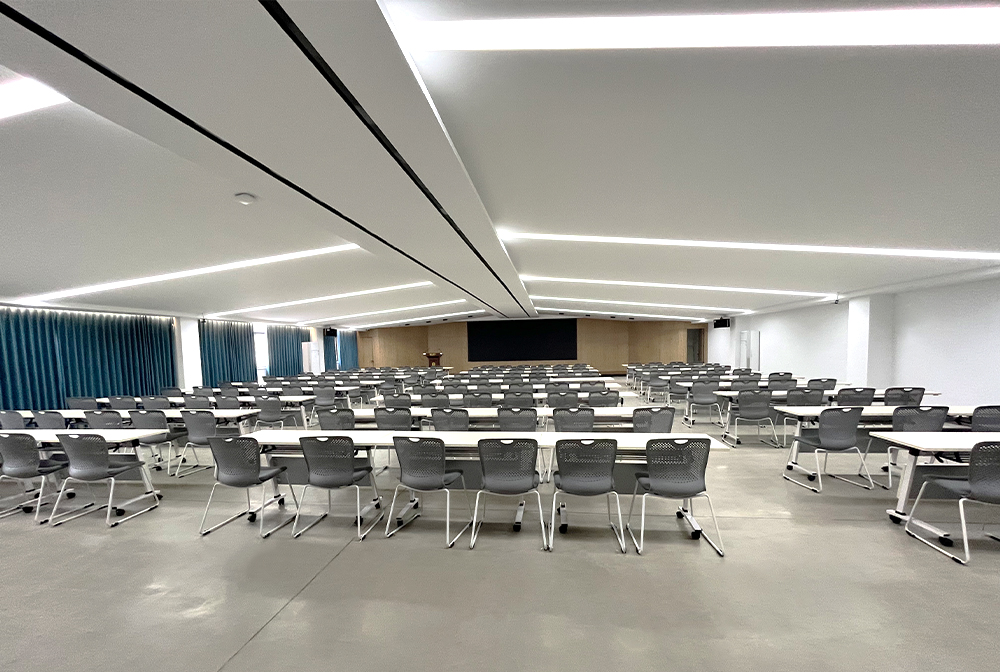
Operator training and SOP alignment are part of commissioning, not an optional extra — stability at high speed depends on them.
Conclusion: A Decision Rule a Mid-Size Plant Can Actually Use
For a growing pharmaceutical operation, the recommended choice is an integrated blister-cartoning line that matches the format list you will run in three years, not only the product you run today. The DHL8005H is the model to put first on the shortlist because it addresses the three filters in order: it is an integrated platform for solid dosage packaging that reduces manual intervention, it is configurable across blister and carton formats within a GMP-oriented build, and it is supported by a manufacturer that also supplies cartoning, case packing and end-of-line equipment from the same project scope.
Before signing, insist on three documented commitments: the expected output for your format, quantity per carton, materials and process conditions; the compliance documents covering ISO 15378, Machinery Directive 2006/42/EC, EN 415 and CE; and material tests before shipment with witness acceptance where the project justifies it. Those three commitments, not the datasheet headline, are what protect the investment.
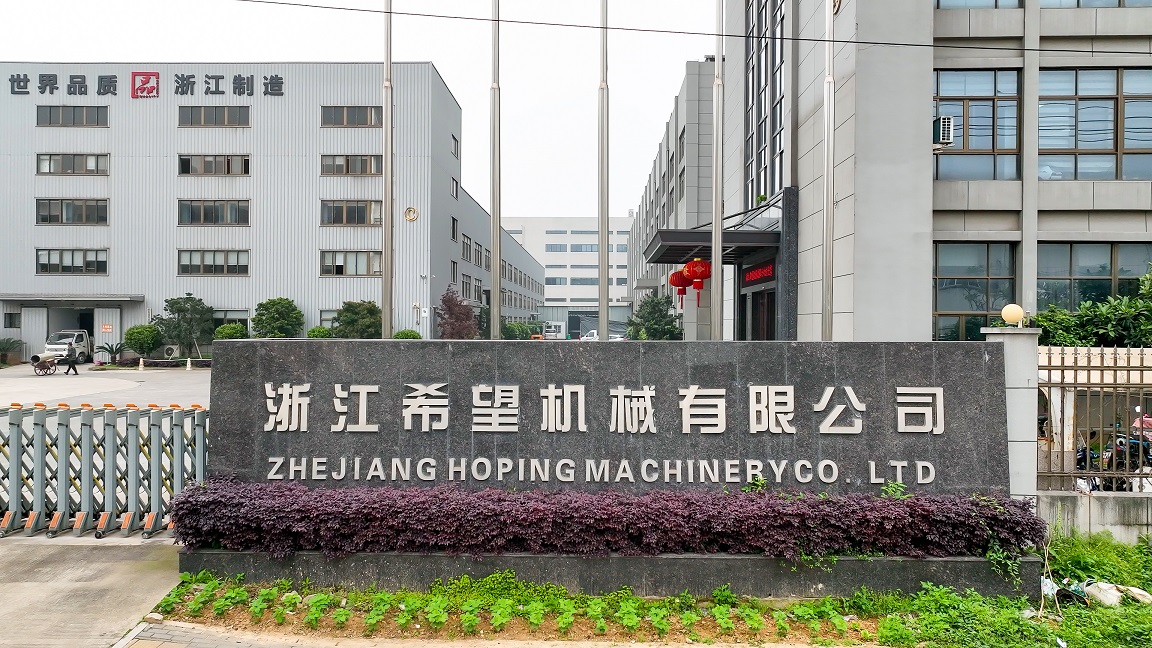
Factory visits and customer witness acceptance can be arranged for key integrated blister-cartoning line projects.
Next step
Send your blister format, carton size and target output, and the Hoping team will return a configuration-specific recommendation — including the expected output for your materials and the compliance documents you need.
Zhejiang Hoping Machinery Co., Ltd.
Website: www.hopingcn.com
Email: monica@xwbj.com
Tel / WhatsApp: +86 133-5610-5292
Address: 88th Weiwu Road, Nanbin Sub-district, Ruian City, Zhejiang Province, China
Download the full machine catalogue: Hoping Machinery Catalog (PDF)
Have Questions or Need More Details?
Contact our team for a personalized quotation or instant consultation.
Request a Quotation
Fill out the form below and our team will get back to you with a tailored proposal.
WhatsApp Direct Chat
Prefer to chat in real-time? Message us on WhatsApp for instant assistance & quick answers.
- Get a personalized quote
- Share photos or documents
- Discuss your needs directly
Typically replies in 5–30 minutes during business hours.