
Configuring a Blister-Cartoning Line for OTC Pharmaceutical Brands
Configuring a blister-cartoning line for an over-the-counter (OTC) portfolio is a changeover problem before it is a speed problem. OTC brands rarely run one product on one format for months at a time. They push dozens of tablet and capsule SKUs through the same secondary packaging footprint, with pack sizes, carton artwork, leaflet versions and promotion cycles that change far more often than the machines do.
The practical consequence for production engineers is simple: a line specified only against peak output will underperform in daily operation. What decides whether an integrated blister-cartoning line is comfortable or painful to run is how it handles format change — how quickly tooling comes out and goes in, how reliably the machine returns to a validated parameter set, and how much of that work depends on an operator's memory instead of the control system.
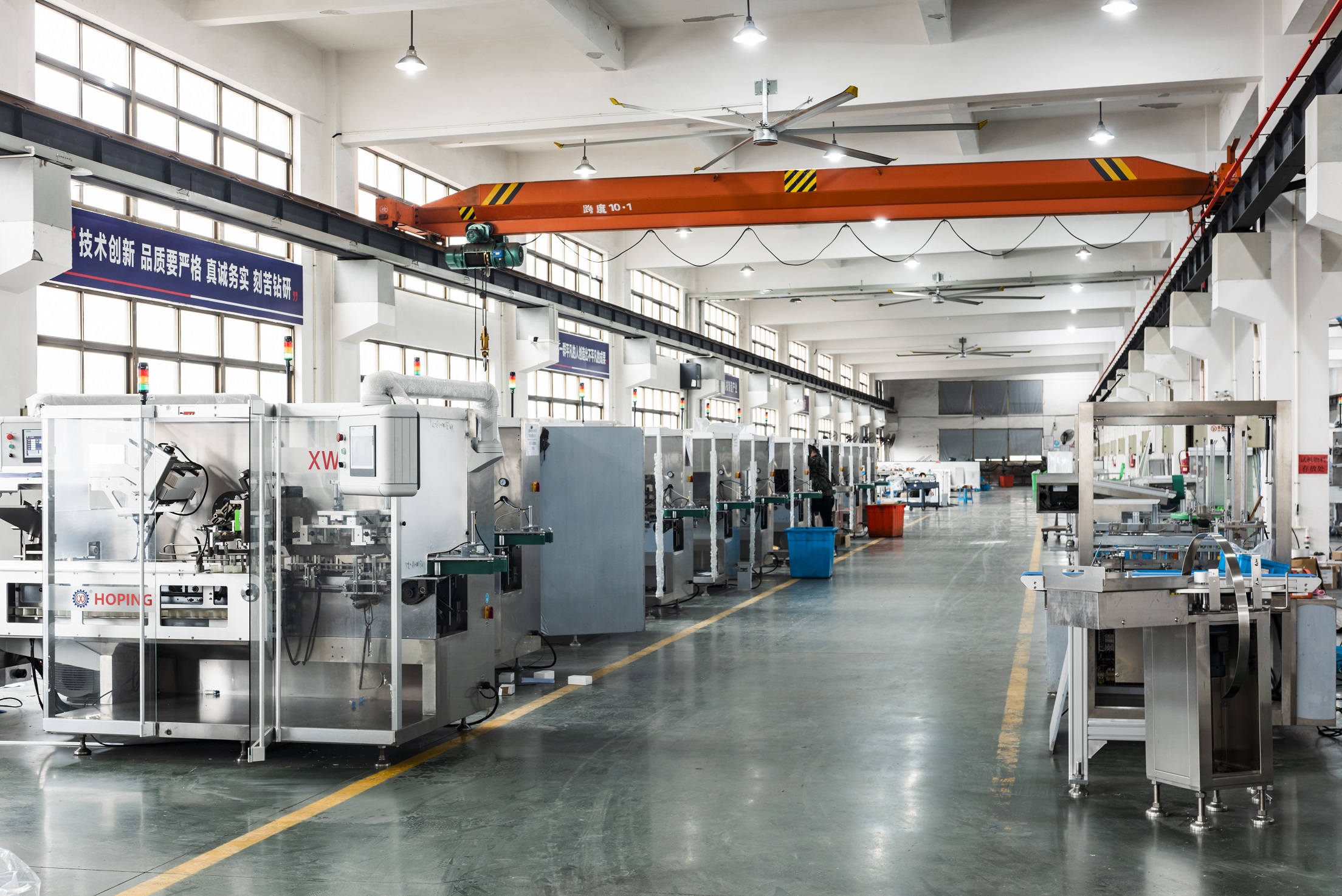
The DHL8005H is an example of a line specified around that reality. It is an intelligent, fully servo, high-speed blister-cartoner integrated machine built by Zhejiang Hoping Machinery Co., Ltd. (HOPING), a pharmaceutical packaging machinery manufacturer established in 2001 and based in Ruian City, Zhejiang Province, China. The DHL8005H is specified with mold-change and preset-memory functions alongside a GMP-oriented line design, with a stated maximum capacity of up to 800 blisters/min and 500 cartons/min.
This guide is written for production engineers preparing to configure a line of that class for OTC work: what to define before the RFQ, which decisions actually drive changeover performance, and which items belong in the technical agreement.
Problem Definition: Why OTC Portfolios Break Standard Line Assumptions
An OTC blister-cartoning line is configured correctly when it treats the format library, not the fastest SKU, as the design centre. Most line specifications do the opposite. They are written around the highest-volume product, and the changeover requirement is added later as a footnote.
For OTC production, that ordering is backwards. The recurring costs sit in the transitions:
- Blister format variation. Different tablet and capsule geometries require different forming and sealing tooling, different cavity layouts and different feeding parts.
- Carton and leaflet variation. Pack sizes, carton board and leaflet formats change per SKU and per market, and promotional packs change faster still.
- Version-control risk. Manual transfer and leaflet insertion are recognised sources of error in pharmaceutical packaging; a missing or wrong leaflet is a compliance event, not a nuisance.
- Parameter re-entry. If every return to a SKU requires an operator to key forming, sealing, feeding and cartoning parameters in from a paper sheet, output quality varies by shift and by operator.
- Tooling logistics. Tooling sets that are not located, labelled and stored against SKU codes cost time on every changeover.
A useful test when reviewing any specification: count how many discrete actions an operator performs between the last carton of SKU A and the first good carton of SKU B. That number, not the machine's maximum rate, predicts real capacity on an OTC portfolio.
Industry Background: What Is Shifting Around OTC Solid Dosage Packaging
Three background movements matter when a line is configured for OTC work.
Installed base and regional growth. The global blister packaging machine pharmaceutical market was valued at USD 2.57 billion in 2025, and Asia-Pacific is described as the fastest-growing region for pharmaceutical blister packaging with an 8.87% CAGR to 2031 (Custom Market Insights). Separately, horizontal cartoning systems held 70.12% of cartoning market share in 2024 (Mordor Intelligence), which is part of why horizontal cartoner architecture dominates the secondary packaging of OTC cartons.
Regulation shapes the equipment specification indirectly. The U.S. FDA states that Current Good Manufacturing Practice (cGMP) establishes the foundation for quality pharmaceuticals through regulatory standards, and ISO 15378:2017 specifies GMP requirements for primary packaging materials for medicinal products. Equipment itself is qualified inside the pharmaceutical manufacturer's own quality system, so what a machine builder can offer is a GMP-oriented design: cleanable structure, defined product-contact materials, guarding, documentation and a validation path. That distinction — regulatory framework versus machine-level design evidence — is where many configuration discussions go wrong.
Data capture is moving earlier in the specification. Trade reporting of PMMI content notes that pharmaceutical manufacturers are turning toward digitised data collection and integrated solutions to meet regulations and improve visibility. In practice, the control platform and data interface of a blister-cartoning line are becoming configuration decisions rather than after-sales add-ons, which is why the controller and industrial PC specification belongs in the RFQ and not in a later change order.
The Configuration Solution: Seven Decisions That Define an OTC-Ready Line
These seven decisions, taken together, determine how a blister-cartoning line behaves on an OTC portfolio. Each can be evidenced in a supplier's technical documentation, which is what makes them usable as evaluation criteria rather than preferences.
1. Balance blister output against carton output, then ask for both numbers
Line capacity is a pair of figures, not one. The DHL8005H is stated at up to 800 blisters/min and 500 cartons/min; the DHL1000/5H at up to 1000 blisters/min and 500 cartons/min; the DHL7005H at up to 700 blisters/min and 500 cartons/min. The pairing matters because a blister side that outruns the cartoner only creates accumulation, while a cartoner that outruns the blister side is idle capacity. When evaluating a supplier, ask for the conditions behind the numbers — format, cavity layout, product and operating basis — and treat a maximum figure as the starting point for a factory acceptance test rather than a validated sustained rate.
2. Design the format-change architecture before the layout
The mold-change function is the mechanism; the architecture is how many tooling sets you buy, how they are located, how they are stored, and who is allowed to change them. On the DHL8005H the mold-change function is specified alongside the preset-memory function, and GMP-oriented product-contact parts and tooling are provided according to the technical agreement. That last phrase is the operative one for an OTC project: the scope of "GMP-oriented tooling" is defined by an agreed document, so the document has to be specific about materials, surface finish, cleanability and identification.
3. Treat preset memory as a controlled asset, not an operator convenience
Preset memory lets a line return to a stored parameter set for a named SKU instead of re-entering values. On an OTC portfolio of many SKUs it is the highest-leverage function available, and also the one that most often degrades quietly. Presets drift when anyone can edit them, when naming conventions are inconsistent, or when nobody records which parameters were changed and why. Configuration should therefore define a preset library structure — naming tied to SKU codes, parameter groups, access levels and a change log — and state it in the technical agreement. If your quality system requires attributable records, agree the access and audit provisions with the supplier during configuration, before the control platform is frozen.
4. Specify transfer and feeding against your real SKU mix
Transfer is where high-speed blister-cartoner lines differentiate. The DHL8005H uses a D3 intelligent top-loading parallel tracking transfer system with multiple feeding methods; the DHL7005H and DHL7004 use a self-developed IRB24 intelligent transfer robot; the DHL6004 uses a high-speed transfer and cartoning linkage. For OTC work the question is not which transfer is fastest, but which one is validated for each of your formats — blister board thickness, cavity layout, board stiffness and product type all change how a board behaves in transfer. Specify the feeding method per SKU family and confirm it at the material trial.
5. Lock the control platform and data interfaces early
The DHL8005H runs on a Beckhoff motion controller with a CP9315 industrial PC; the DHL7005H and DHL7004 use a Siemens motion controller with a TP900 HMI; the DHL1000/5H uses a Beckhoff motion controller with a high-bus industrial control system. Controller family affects spare parts, engineering support, protocol options and how easily the line connects to your own production systems. Hoping's customization scope explicitly includes interface language, electrical component brand and data interface, so these are configuration items you can specify rather than accept.
6. Specify the material path, including alu-alu and splicing
The DHL8005H is specified with PVC/Alu foil auto splicing, and the wider range covers alu-PVC and alu-alu blister formats on the DPH and DPP series. If part of your OTC portfolio is moisture-sensitive or requires aluminium-aluminium packaging, the forming, sealing and material-handling requirements change — and that difference belongs in the tooling sets and the preset library rather than in a one-off manual setup.
7. Write GMP orientation into the technical agreement, not into the brochure
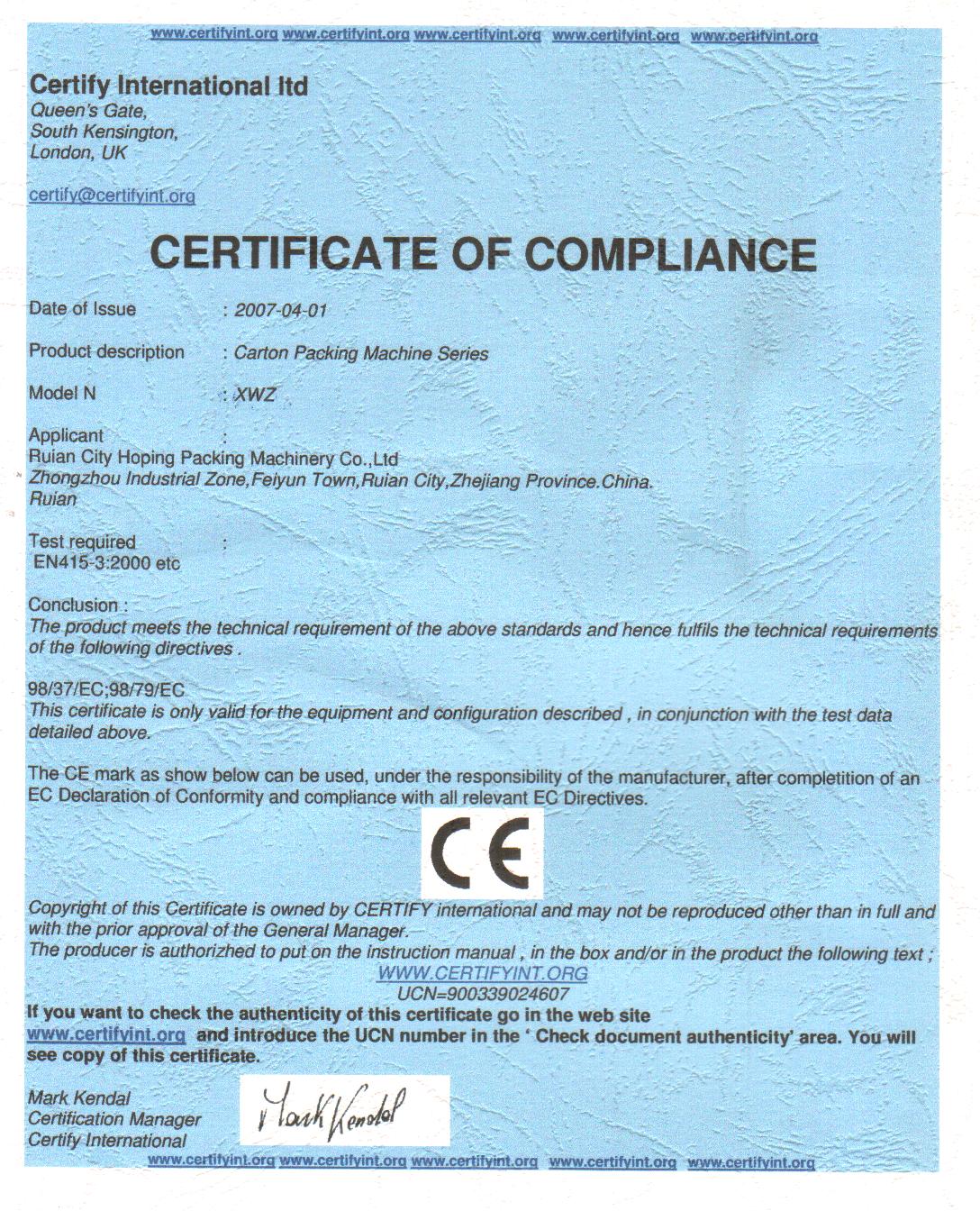
GMP-oriented design on the DHL8005H is expressed as a stainless steel and aluminum-alloy machine structure, transparent guarding, servo-driven motion components, and GMP-oriented product-contact parts and tooling according to the technical agreement. Supporting this, Hoping's quality control path covers incoming material inspection, key component inspection, assembly inspection, electrical safety check, no-load trial run, material trial, FAT, customer witness acceptance and pre-shipment inspection. On the certification side, the company's cartoning machine series holds CE certification under certificate UCN 900339024607, issued by Certify International Ltd — and, as with any certificate, scope, model coverage and current status should be verified against the document itself.
Step-by-Step: Configuring a DHL8005H-Class Line for a Multi-SKU OTC Portfolio
The sequence below is written so that each step produces a document or a decision the next step consumes. Skipping ahead is what turns a configuration project into a change-order project.
- Build the OTC SKU matrix. One row per SKU: product family, dosage form, blister format and material, tablets or capsules per blister, blisters per carton, carton size and board, leaflet format, coding and inspection requirements, and downstream pack configuration. This matrix becomes the basis for tooling counts, preset definitions and acceptance testing.
- Group SKUs into format families. Define which SKUs share tooling and which are cross-family changes. Same-family changes should be short and repeatable; cross-family changes are where the mold-change design is genuinely tested.
- Size the line for the binding constraint. Compare required cartons per minute against the blister side's requirement, using the paired outputs published for the model under consideration — for example, up to 800 blisters/min and 500 cartons/min for the DHL8005H — then confirm the basis on which those figures were measured.
- Count tooling sets and plan their storage. Tooling for forming, sealing, punching, feeding and carton magazine components should be identified per SKU or SKU family, with a kitting and storage arrangement next to the line. Mold-change functions only pay back when the change part is already at the machine.
- Configure the control platform and the preset library. Fix the controller and industrial PC specification — for example the Beckhoff motion controller and CP9315 industrial PC used on the DHL8005H — then define preset naming, parameter groups and access levels.
- Specify transfer and feeding per SKU family. Confirm the transfer system and the feeding method that will be used for each format family, and record the validation method for each.
- Specify material handling and splicing. Confirm PVC, alu and alu-alu material specifications, reel dimensions and splicing requirements, including the PVC/Alu foil auto splicing function where it is part of the configuration.
- Specify coding, inspection and rejection. Define what is checked — blister integrity, leaflet presence, carton coding — and how presets link to leaflet and artwork versions so that a format change cannot carry a stale leaflet into the carton.
- Plan the downstream connection. The DHL8005H is scoped to connect to bundling, case-packing and palletizing equipment. Hoping's wider range includes stretch banders (XWK4060, about 30–60 bundles/min), overwrappers (XWG4060, about 30–60 bundles/min), case packing machines (XWK series, up to about 5 cases/min) and a case packing and palletizing machine (ICP12, about 12 cases/min). Check the arithmetic against your bundle count and case configuration before fixing the layout.
- Validate and document. Work through technical agreement confirmation, sample testing, FAT before shipment and SAT at the customer site, with third-party inspection where required. Typical production lead time is 60–120 days after technical confirmation, subject to model, configuration, project complexity and contract terms.
Use Cases: Three OTC Configuration Scenarios
Scenario 1 — Capacity expansion across an existing OTC portfolio
A large pharmaceutical manufacturer and solid dosage production company expanded packaging capacity at a project scale of 5 to 10 lines. The project addressed manual transfer and leaflet insertion errors in pharmaceutical packaging and was designed for new line construction, capacity expansion, or upgrading existing packaging lines, covering blister packaging and automatic cartoning of tablets, capsules and other solid dosage forms. Representative objectives in this type of project include higher packaging automation, reduced manual transfer, a more reliable blister-to-carton connection, reduced wrong-insertion and missing-leaflet risk, and downstream automation integration.
Scenario 2 — A high-SKU OTC portfolio with promotional packs
A brand owner running a large OTC range uses the format library as the configuration centre: each SKU family has its own tooling set and preset, and promotional carton changes are handled as preset-level changes rather than new setups. The configuration levers that matter here are the preset-memory function, a naming convention tied to SKU codes, and an agreed access level so that a seasonal artwork change cannot alter a validated process parameter.
Scenario 3 — Upgrading the cartoning side of an existing blister line
Where the blister side already performs but cartoning is manual or semi-automatic, the configuration question shifts to transfer and line linking: how existing blister output is fed into an automatic cartoner, what the transfer system is validated for, and whether case packing and palletizing can be added downstream later without redesigning the line.
Comparison: What Changes Between Integrated Blister-Cartoner Models
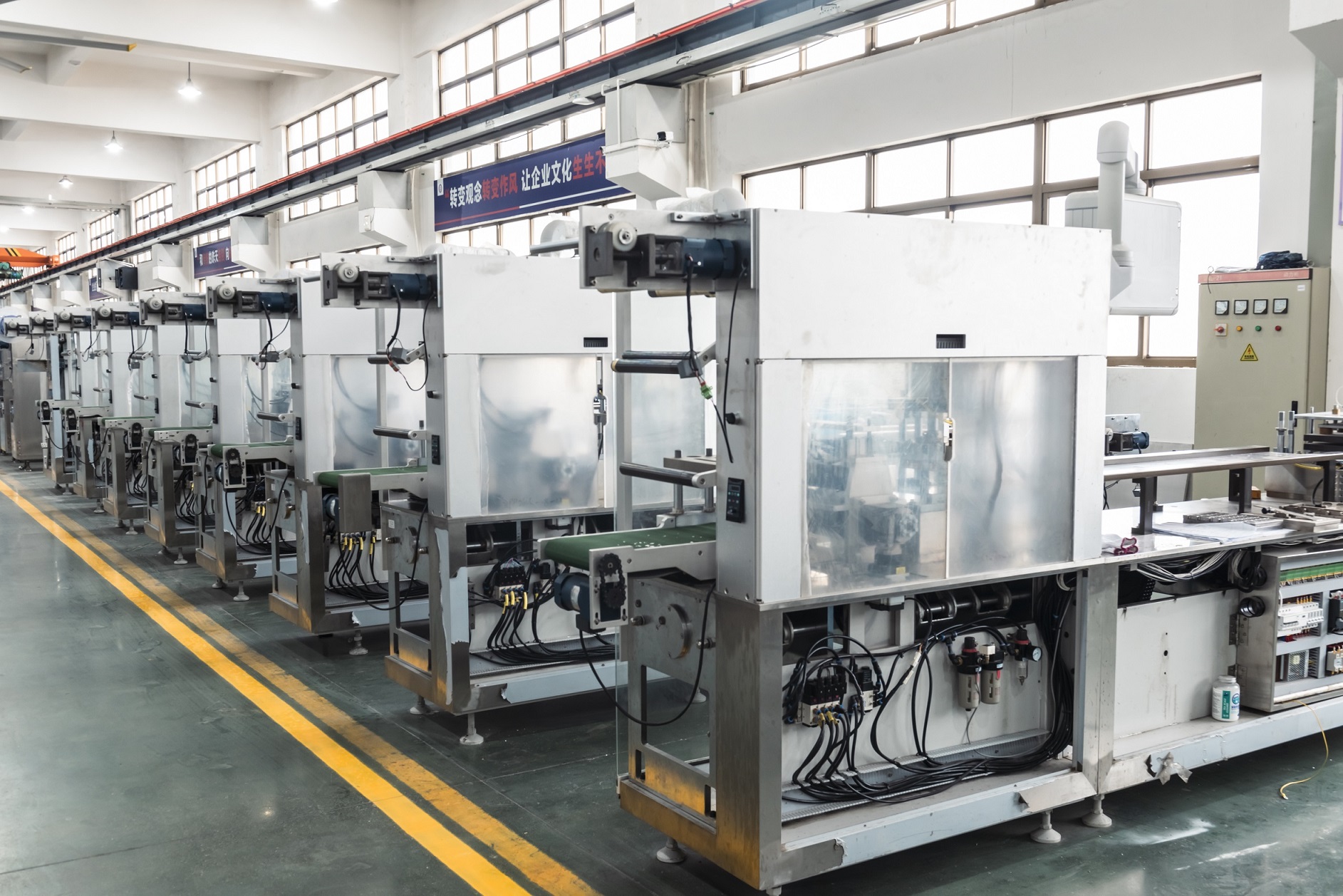
The table below compares the integrated blister-cartoner lines in the HOPING range using published specification facts. It shows which parameters move between models when a line is configured for an OTC portfolio; it is not a ranking, because the right model depends on format library, capacity requirement and documentation scope.
| Model | Max stated capacity | Transfer / feeding | Replenishment | Control platform | Format-change functions |
|---|---|---|---|---|---|
| DHL6004 | Up to 600 blisters/min and 400 cartons/min | High-speed transfer and cartoning linkage | Servo-driven independent replenishment | Beckhoff motion controller and CP9315 industrial PC | Convenient mold change; GMP-oriented design |
| DHL7004 | Up to 700 blisters/min and 400 cartons/min | Self-developed IRB24 intelligent transfer robot | Servo-driven independent replenishment | Siemens motion controller and TP900 HMI; full servo drive | Convenient mold change; GMP-oriented design |
| DHL7005H | Up to 700 blisters/min and 500 cartons/min | Self-developed IRB24 intelligent transfer robot | Independent replenishment | Siemens motion controller and TP900 HMI; full servo drive | Mold-change support; in-line GMP-oriented design |
| DHL8005H | Up to 800 blisters/min and 500 cartons/min | D3 intelligent top-loading parallel tracking transfer; multiple feeding methods | Three-channel servo-driven independent replenishment | Beckhoff motion controller and CP9315 industrial PC | Mold-change and preset-memory functions; GMP-oriented line design |
| DHL1000/5H | Up to 1000 blisters/min and 500 cartons/min | D3 intelligent top-loading parallel tracking transfer; different feeding methods according to customer requirements | Four-channel servo-driven independent replenishment | Beckhoff motion controller and high-bus industrial control system | Mold-change and recipe memory functions; GMP-oriented design |
Two rows deserve attention in OTC configuration. The DHL8005H and DHL1000/5H are the models in this set whose published specifications include both a mold-change function and a stored-parameter function (preset memory and recipe memory respectively). If changeover frequency rather than peak output is your binding constraint, that is the column to read first.
FAQ: Configuring Blister-Cartoning Lines for OTC Brands
How is GMP orientation documented when a line is configured for OTC production?
GMP orientation is defined in the technical agreement rather than by a single label. On the DHL8005H it is expressed as a GMP-oriented line design with a stainless steel and aluminum-alloy machine structure, transparent guarding, and GMP-oriented product-contact parts and tooling according to the technical agreement. Hoping's quality control path covers incoming material inspection, key component inspection, assembly inspection, electrical safety check, no-load trial run, material trial, FAT, customer witness acceptance and pre-shipment inspection. Acceptance criteria include technical agreement confirmation, sample testing, FAT before shipment and SAT at the customer site, and third-party inspection can be arranged according to customer requirements. The company's cartoning machine series also holds CE certification under certificate UCN 900339024607 issued by Certify International Ltd; scope and current status should be checked against the certificate document.
Can a blister packaging machine OEM manufacturer customize a line for a specific OTC format?
Customization scope on this range covers blister size, blister materials, quantity per carton, carton specification, leaflet format, coding and inspection method, feeding method, downstream bundling, case-packing and palletizing connection, interface language, electrical component brand and data interface. Zhejiang Hoping Machinery provides ODM, OEM and customizable production services, and the minimum order quantity is 1 set or 1 complete line.
What are the commercial terms for a configured line?
The minimum order quantity is 1 set or 1 complete line. Delivery terms are EXW Ruian/Wenzhou, FOB Ningbo or Shanghai, or CIF/CFR destination port, with final terms subject to contract and customer country requirements. Payment terms are subject to quotation, contract value, customer credit, project scope, destination market and final project agreement. Production capacity is stated at 30–40 units per month, and a quotation is prepared against the confirmed SKU matrix and configuration scope.
Can we validate our own OTC formats before the line is shipped?
Yes. Sample testing and material trial are part of the quality control path, followed by FAT before shipment, customer witness acceptance and SAT at the customer site; third-party inspection can be arranged according to customer requirements. Before that, the format library and tooling sets defined in the technical agreement are the reference for what will be tested. If you want the configuration applied to your own blister and carton formats, you can request a sample trial and quotation through Hoping Machinery's contact channel, and download the full equipment catalogue for current configuration options.
How long does a configured blister-cartoning line take to deliver?
Typical production lead time is 60–120 days after technical confirmation. Final lead time is subject to model, configuration, project complexity and contract terms, and changes to the format library or control platform after confirmation are the most common reason a schedule moves.
Conclusion: Lock the Format Library Before You Lock the Line
For OTC pharmaceutical brands, the configuration question is not "how fast is the pharmaceutical packaging machine" but "how many SKUs can this line return to reliably, and how quickly". The DHL8005H answers that question with a stated capacity of up to 800 blisters/min and 500 cartons/min, a D3 intelligent top-loading parallel tracking transfer system, multiple feeding methods, three-channel servo-driven independent replenishment, PVC/Alu foil auto splicing, a Beckhoff motion controller with CP9315 industrial PC, and — most importantly for a multi-SKU OTC portfolio — mold-change and preset-memory functions inside a GMP-oriented line design.
The sequence that keeps a project on schedule is consistent: build the SKU matrix, group it into format families, count the tooling sets, define the preset library as a controlled asset, fix the control platform and interfaces, then write the GMP-oriented scope into the technical agreement. Speed figures come last, because they only mean something once the format library is defined.
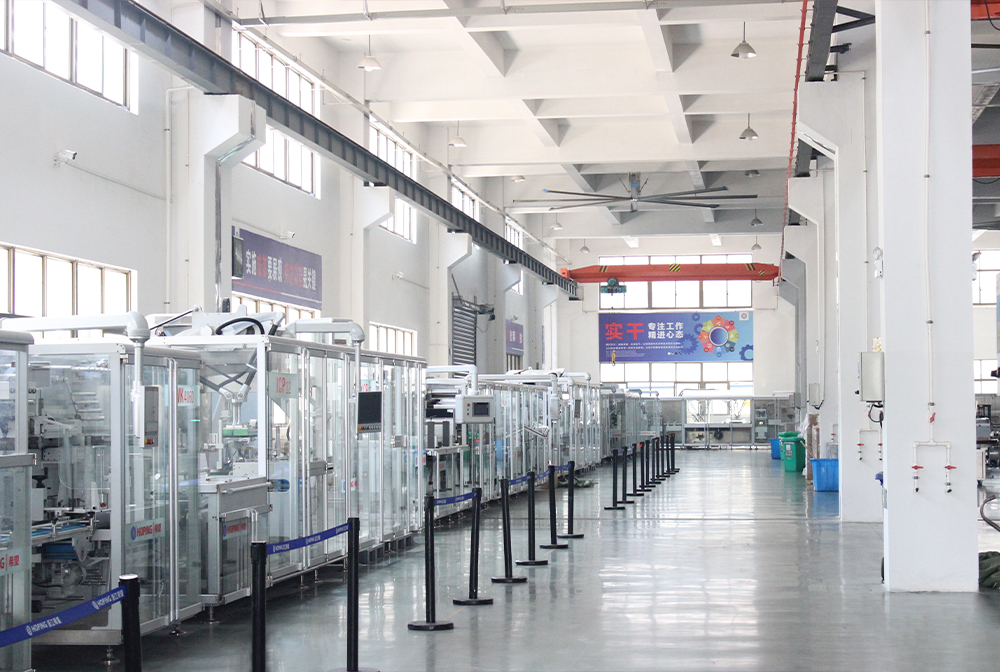
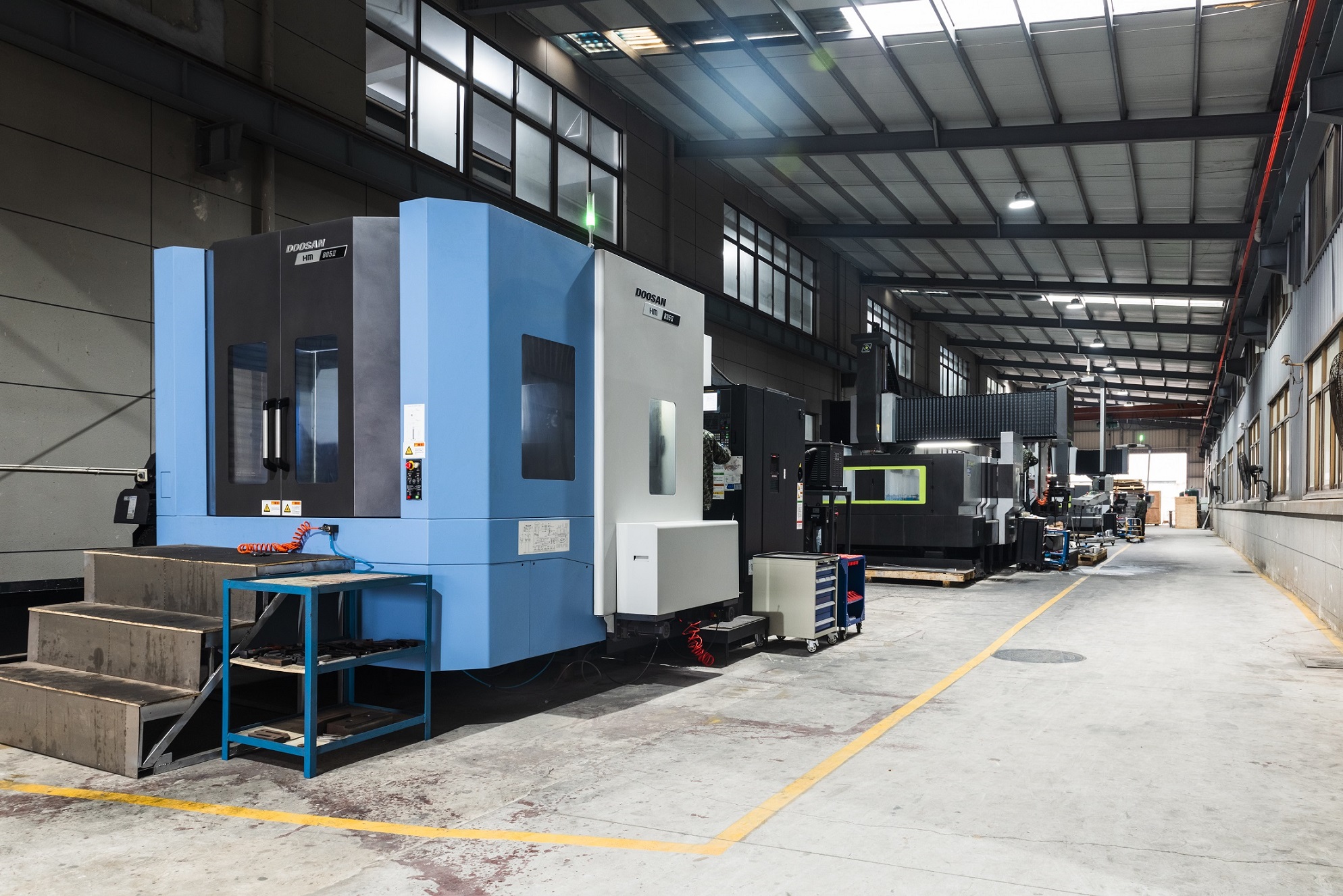
Next step. Zhejiang Hoping Machinery Co., Ltd. builds blister packaging machines, cartoning machines, case packing machines and end-of-line packaging equipment, including integrated blister-cartoning lines, at its 28,800 m² facility in Ruian City, Zhejiang Province, China.
Download the equipment catalogue: Hoping Machinery Catalog (PDF)
Website: www.hopingcn.com
Contact: Monica — monica@xwbj.com — Tel / WhatsApp: +86 133-5610-5292
WhatsApp: Start a configuration inquiry
Have Questions or Need More Details?
Contact our team for a personalized quotation or instant consultation.
Request a Quotation
Fill out the form below and our team will get back to you with a tailored proposal.
WhatsApp Direct Chat
Prefer to chat in real-time? Message us on WhatsApp for instant assistance & quick answers.
- Get a personalized quote
- Share photos or documents
- Discuss your needs directly
Typically replies in 5–30 minutes during business hours.