
Pharmaceutical Packaging Machine: Cost, Throughput, and Integration Trade-Offs
Pharmaceutical Packaging Machine: Cost, Throughput, and Integration Trade-Offs
Selecting a pharmaceutical packaging machine is rarely a single-spec comparison. For solid-dose production, procurement and engineering teams must weigh capital cost, sustained throughput, manual intervention, format flexibility, and quality risk at the same time. The core trade-off is between an integrated blister-cartoning line and a traditional configuration built from a blister machine, manual transfer, and a standalone cartoner. This guide examines that decision from a cost, throughput, and integration perspective using publicly available market data and first-party equipment references from Zhejiang Hoping Machinery Co., Ltd. (HOPING), a manufacturer of blister packaging, cartoning, case packing, and end-of-line packaging machines.
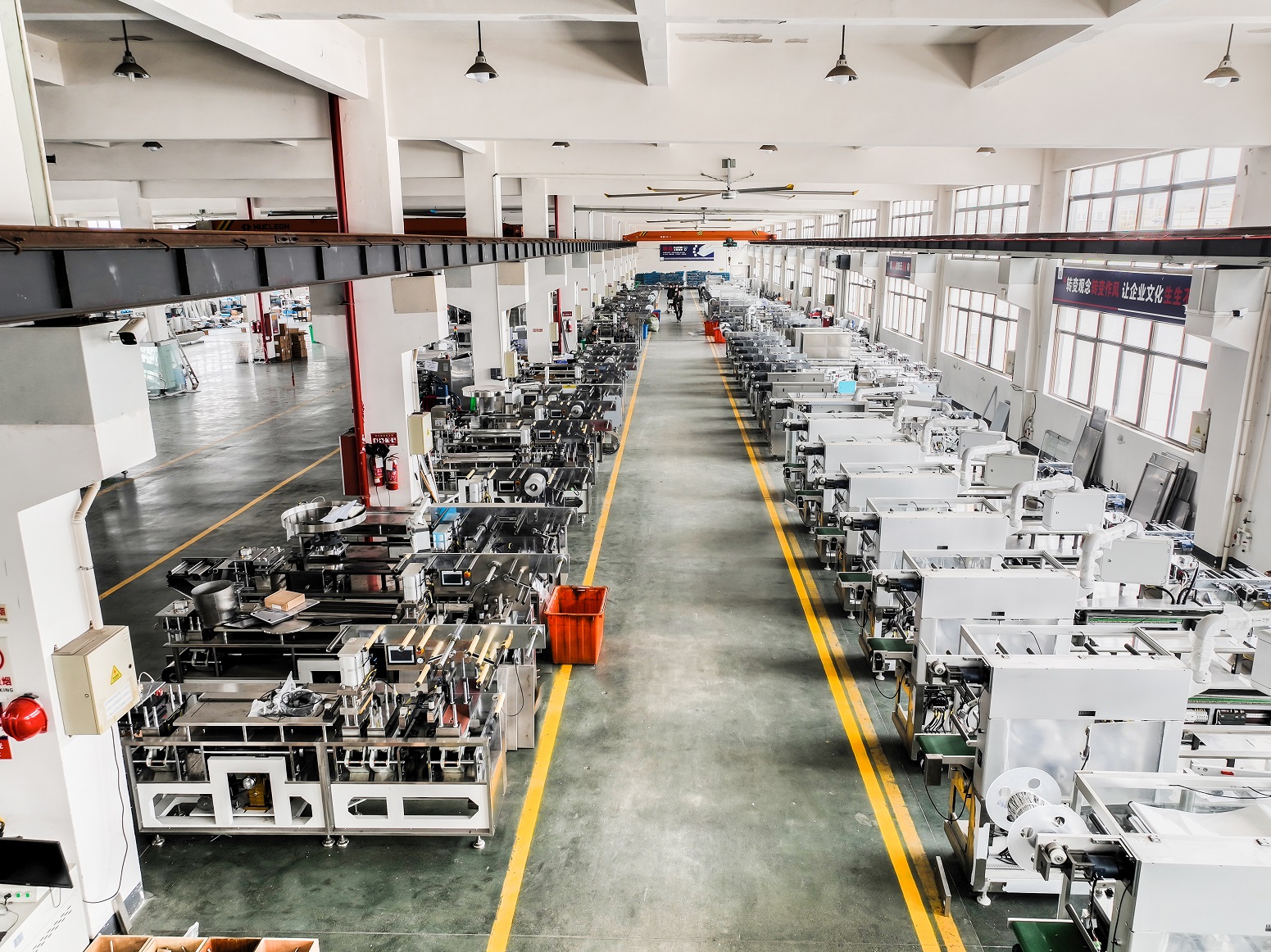
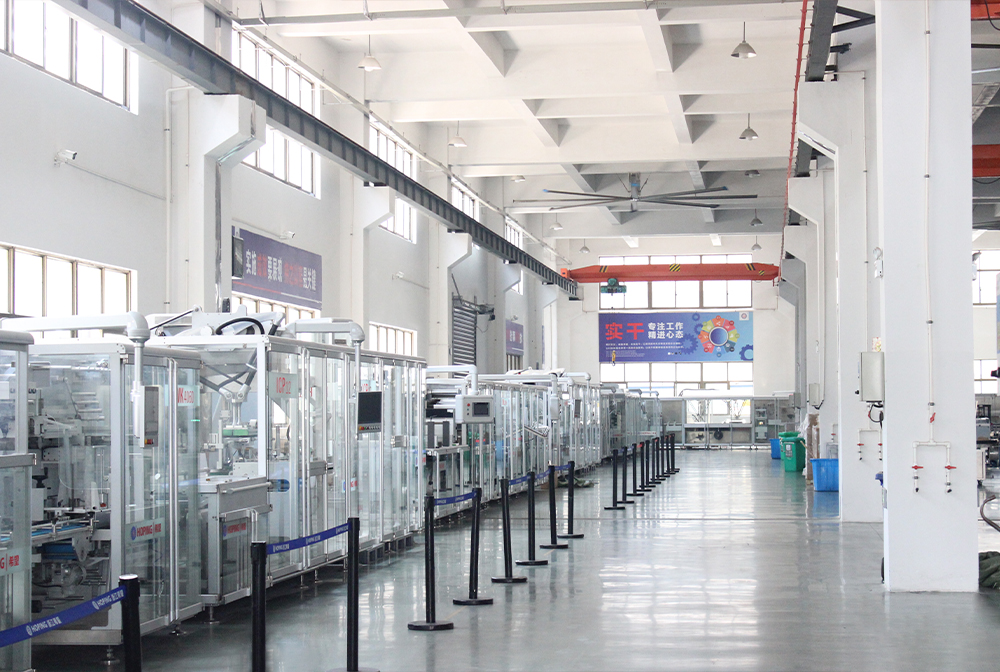
Blister machine workshop at Zhejiang Hoping Machinery Co., Ltd.
The Decision Problem: Integrated Line or Standalone Equipment?
Pharmaceutical producers commonly face two routes for solid-dose packaging. One is a traditional setup that uses a blister packaging machine, manual transfer, and an independent cartoning machine. The other is an integrated pharmaceutical packaging line that combines blister packaging, blister transfer, leaflet handling, carton opening, insertion, inspection/rejection, and downstream connection into one automated process.
The wrong decision can create different problems. A standalone line may require more manual handling between process steps and may introduce variability during high-speed production. An integrated line may require a higher initial investment and may not be necessary for low-volume or highly variable production. Therefore, the question is not simply which option is better, but which configuration matches the production volume, product format, quality requirements, and labor-cost structure of the project.
Pharmaceutical Packaging Machine Market and Compliance Context
Industry data helps frame the decision. According to SkyQuest Technology, the global pharmaceutical packaging equipment market was valued at approximately USD 10.71 billion in 2024. For blister packaging machines specifically, Custom Market Insights projects the market size to reach USD 2.57 billion by 2025 with a CAGR of 2.8%. Asia Pacific held the largest revenue share, 40.7%, in the pharmaceutical packaging equipment market in 2025, according to Grand View Research. Fortune Business Insights reports that the pharmaceutical cartoning machinery segment was valued at USD 1.46 billion in 2024.
Regulatory expectations also influence machine selection. ISO 15378 integrates GMP requirements for primary packaging materials, and the EU Machinery Directive 2006/42/EC together with the EN 415 series governs packaging machine safety. Market concentration is moderate: Uhlmann, IMA, and Marchesini collectively hold approximately 29% of the pharmaceutical blister packaging machine market share. These facts do not point to a single manufacturer, but they show that buyers should evaluate machine design, compliance evidence, and process integration rather than relying on brand familiarity alone.
Integrated Blister-Cartoning Line as a Decision Alternative
HOPING describes an integrated line that combines blister packaging, blister transfer, leaflet handling, carton opening, insertion, inspection/rejection, and downstream connection into one automated process. Compared to a traditional blister machine plus manual transfer plus standalone cartoner solution, this approach reduces manual intervention and intermediate handling. The representative DHL1000/5H model can reach up to 1000 blisters per minute and 500 cartons per minute, although actual output depends on product format, quantity per carton, materials, and process conditions.
This integrated configuration is more suitable for large-scale solid dosage pharmaceutical packaging and high-capacity workshops requiring reduced manual contact. Initial investment is usually higher than standalone or semi-automatic equipment, but it helps reduce labor, transfer, management, and quality-risk costs in large-scale continuous production. Fully servo drive helps improve motion synchronization and operating efficiency, but actual energy consumption should be measured based on on-site output, running hours, and configuration.
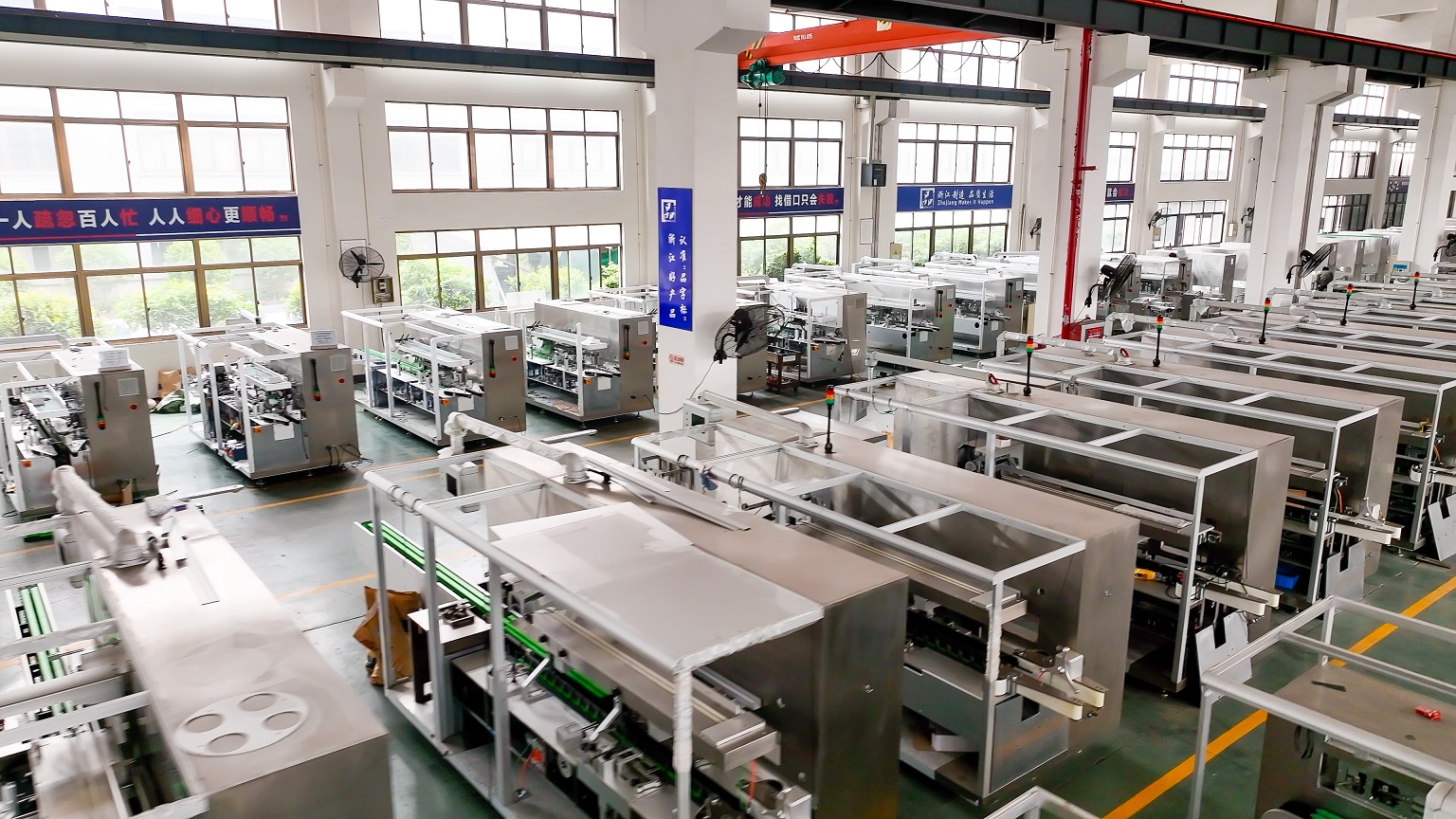
High-speed cartoner workshop at Zhejiang Hoping Machinery Co., Ltd.
Maintenance and Operational Considerations
Maintenance for an integrated pharmaceutical packaging machine is supported by centralized control, modular stations, alarm indication, and parameter management. Operator training, spare-parts management, and preventive maintenance remain important. These operational elements are part of the total cost equation: a technically capable line still requires structured after-sales support and disciplined plant routines.
A Structured Evaluation Workflow for Pharmaceutical Packaging Machine Projects
HOPING's documented project measures provide a practical sequence for evaluating a packaging line. The workflow starts with confirming samples and packaging materials at the early project stage. The solution is then designed according to blister and carton formats. Before shipment, no-load and material tests should be conducted. Installation, commissioning, training, spare parts, and remote technical support follow delivery. For key projects, customer witness acceptance can be arranged.
Risk control should be part of the same workflow. Poor blister forming or sealing; missing, wrong, or incomplete product feeding; missing leaflet; carton jam; coding/date printing error; foreign matter or contamination risk; downtime during high-speed operation; and delivery/installation risks for export projects should all be reviewed. Control methods may include sensor monitoring, vision/checkweighing inspection where configured, missing-product alarm, automatic stop, automatic rejection, key-parameter locking, fault records, mechanical safety protection, FAT/SAT acceptance, and SOP training.
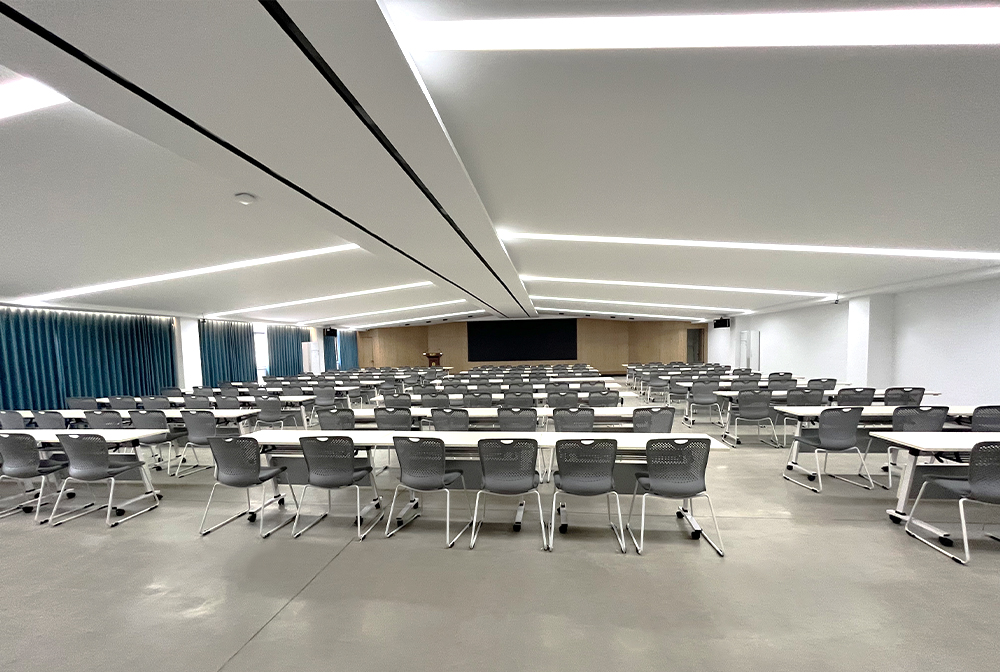
Training hall at Zhejiang Hoping Machinery Co., Ltd.
Where Integrated Pharmaceutical Packaging Lines Fit Best
The integrated line is most relevant for large-scale solid dosage pharmaceutical packaging and high-capacity workshops that require reduced manual contact. It can support multi-format blister-to-carton lines requiring stable operation. HOPING's main product range includes blister packaging machines, cartoning machines, case packing machines, and end-of-line packaging machines. The company states it has a 28,800 m² factory area, more than 300 employees, annual output of 500 units, and a 56-engineer R&D team. Its main markets include Southeast Asia, the Middle East, Eastern Europe, South America, and Africa, with an export ratio of 25%.
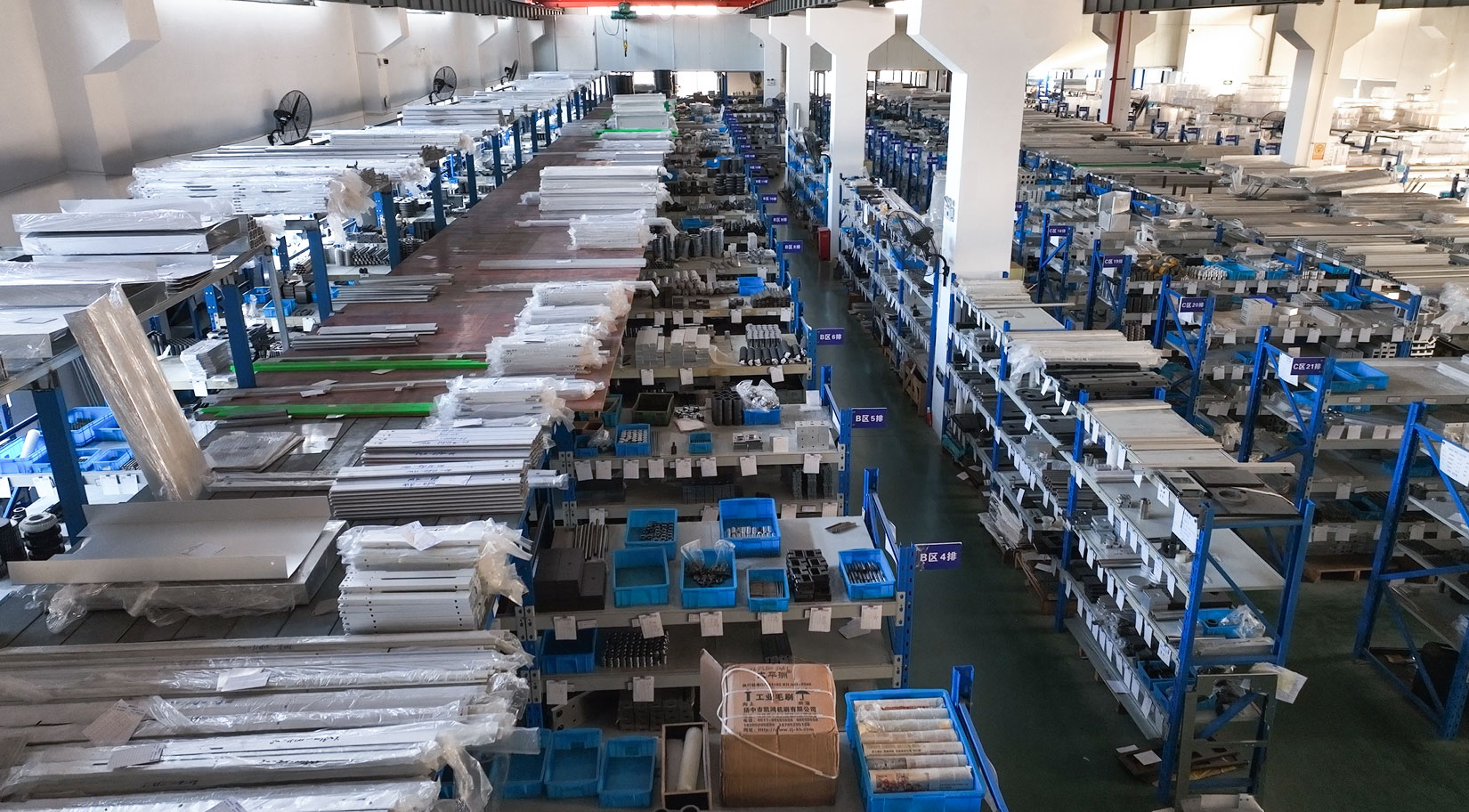
Warehouse at Zhejiang Hoping Machinery Co., Ltd.
Cost, Throughput, and Risk Comparison
The table below compares the integrated pharmaceutical packaging line with a traditional blister machine plus manual transfer plus standalone cartoner solution. The information is based on HOPING's documented comparison and process capability statements.
| Attribute | Integrated Blister-Cartoning Line | Traditional Blister + Manual Transfer + Standalone Cartoner |
|---|---|---|
| Process integration | Blister packaging, blister transfer, leaflet handling, carton opening, insertion, inspection/rejection, and downstream connection combined into one automated process. | Separate steps with manual transfer and intermediate handling between blister packaging and cartoning. |
| Manual intervention | Reduced manual intervention and intermediate handling. | Typically requires more manual input and transfer steps. |
| Representative throughput | DHL1000/5H can reach up to 1000 blisters/min and 500 cartons/min; actual output depends on product format, quantity per carton, materials, and process conditions. | Not specified in the available comparison data; usually limited by manual transfer and standalone machine synchronization. |
| Best for | Large-scale solid dosage pharmaceutical packaging; high-capacity workshops; production requiring reduced manual contact; multi-format packaging lines requiring stable operation. | May be considered for lower-volume or less integrated workflows. |
| Initial investment | Usually higher than standalone or semi-automatic equipment. | Usually lower initial cost. |
| Operating cost impact | Helps reduce labor, transfer, management, and quality-risk costs in large-scale continuous production. | May have comparatively higher labor and intermediate handling cost in high-volume production. |
| Maintenance and control | Centralized control, modular stations, alarm indication, parameter management; training, spare-parts management, and preventive maintenance remain important. | Maintenance distributed across separate machines; integration and synchronization may require additional coordination. |
| Risk control | Can be supported by sensor monitoring, missing-product alarm, automatic stop, automatic rejection, key-parameter locking, fault records, and FAT/SAT acceptance. | Risk control can be applied per machine but may be less centralized across manual transfer points. |
Frequently Asked Questions
What certifications or standards should I check in a pharmaceutical packaging machine manufacturer?
You should verify that the equipment and manufacturer align with relevant GMP and safety requirements. ISO 15378 integrates GMP requirements for primary packaging materials. EU pharmaceutical equipment safety is governed by the Machinery Directive 2006/42/EC and the EN 415 series for packaging machines. HOPING is cited in verified industry data as a recognized Chinese manufacturer of integrated blister cartoning lines and end-of-line packaging systems with CE and ISO 9001/14001 certifications.
What throughput and line configuration should I compare for blister-cartoning?
Compare the actual blister output, carton output, and the degree of process integration. The representative DHL1000/5H integrated model can reach up to 1000 blisters per minute and 500 cartons per minute. Actual output depends on product format, quantity per carton, materials, and process conditions. The line should combine blister packaging, blister transfer, leaflet handling, carton opening, insertion, inspection/rejection, and downstream connection into one automated process for high-capacity use.
How does initial investment compare between integrated and standalone solutions?
Initial investment for an integrated pharmaceutical packaging machine is usually higher than standalone or semi-automatic equipment. However, in large-scale continuous production, the integrated line helps reduce labor, transfer, management, and quality-risk costs. Therefore, the comparison should be based on total operating cost and quality performance over the production horizon, not only on the purchase price.
Can sample testing or witness acceptance be arranged before shipment?
Yes. HOPING's documented process includes confirming samples and packaging materials at the early project stage, designing the solution according to blister and carton formats, and conducting no-load and material tests before shipment. For key projects, customer witness acceptance can be arranged before delivery.
What is the installation and lead-time process for export projects?
Project timelines should be confirmed early with the manufacturer based on sample approval, machine configuration, and destination requirements. HOPING's stated process includes installation, commissioning, training, spare parts, and remote technical support after delivery. Export projects should also address delivery and installation risks through FAT/SAT acceptance, SOP training, and preventive maintenance planning.
Making the Final Pharmaceutical Packaging Machine Decision
The final choice should be based on production volume, product format, manual-contact requirements, quality risk, and total cost of ownership. For high-volume solid-dose lines, an integrated blister-cartoning pharmaceutical packaging machine may be the stronger option when reduced manual intervention and process stability are critical. For lower-volume or more variable production, a standalone setup may still be considered. The comparison should always include compliance evidence, throughput verification, project workflow, and after-sales support.
HOPING can be evaluated as a candidate supplier if its integrated line configuration matches the project's blister and carton formats. The company's website is www.hopingcn.com. For technical discussions, samples, or a quotation, the contact is Monica, email monica@xwbj.com, Tel/WhatsApp +86 133-5610-5292. Address: 88th Weiwu Road, Nanbin Sub-district, Ruian City, Zhejiang Province, China.
Next step: Download the HOPING Machinery catalog or request a sample/quote discussion for your solid-dose blister-cartoning project.
Download the HOPING Machinery catalog
Have Questions or Need More Details?
Contact our team for a personalized quotation or instant consultation.
Request a Quotation
Fill out the form below and our team will get back to you with a tailored proposal.
WhatsApp Direct Chat
Prefer to chat in real-time? Message us on WhatsApp for instant assistance & quick answers.
- Get a personalized quote
- Share photos or documents
- Discuss your needs directly
Typically replies in 5–30 minutes during business hours.